

Hawaii to be first US state to sue over latest travel ban
New Trump executive order ‘nothing more than Muslim ban 2.0,’ says Honolulu Attorney General Douglas Chin
 Add ToI as a Preferred Source on Google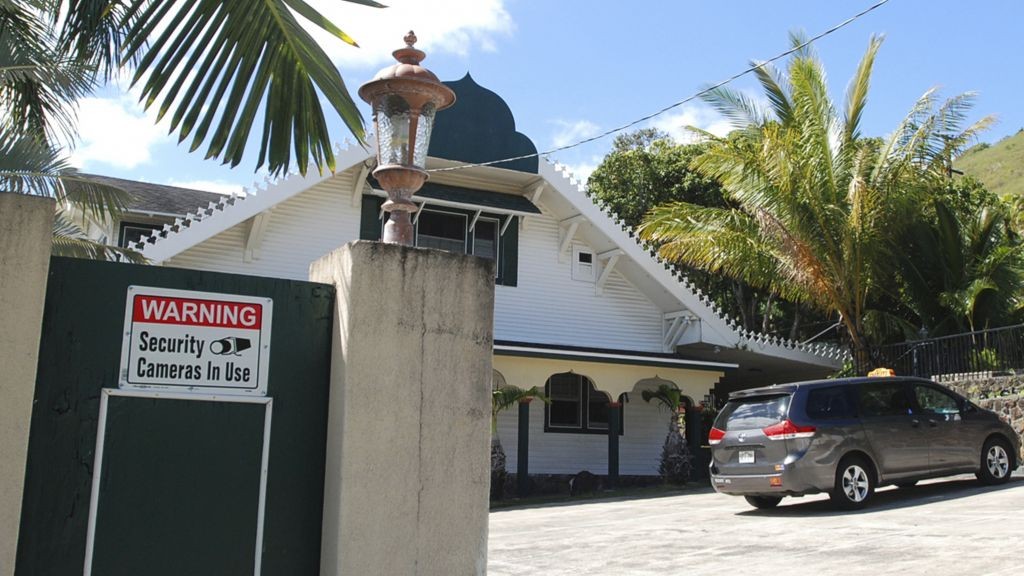
HONOLULU (AP) — A federal judge in Honolulu said Wednesday that Hawaii can move forward with filing what would be the first lawsuit challenging President Donald Trump’s revised travel ban.
US District Judge Derrick Watson granted the state’s request to continue with the case and set a hearing for March 15 — the day before Trump’s order is due to go into effect. It bars new visas for people from the six predominantly Muslim countries and temporarily shuts down the US refugee program.
Officials in heavily Democratic Hawaii previously sued to stop Trump’s initial ban but that suit was placed on hold amid legal challenges around the country.
A day after Trump’s administration announced its new executive order, attorneys for the state filed their proposed revision in federal court Tuesday night, along with a motion asking that it be allowed to proceed.
Watson approved that motion and said the state will file the final lawsuit later Wednesday. The Hawaii attorney general’s office did not provide further details on timing but has said the ban will harm Hawaii’s Muslim population, tourism and foreign students.
The US Department of Justice declined to comment on the pending litigation.
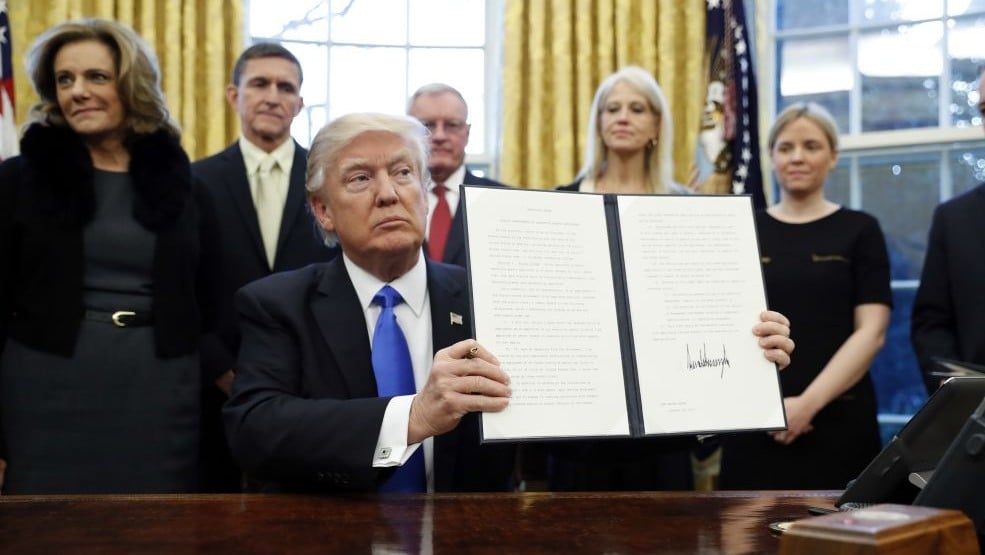
The state will argue at the March 15 hearing that the judge should impose a temporary restraining order preventing the ban from taking effect until the lawsuit has been resolved.
Hawaii’s complaint says it is suing to protect its residents, businesses and schools, as well as its “sovereignty against illegal actions of President Donald J. Trump and the federal government.”
The order affects people from Iran, Syria, Somalia, Sudan, Yemen and Libya. It does not apply to travelers who already have visas.
Imam Ismail Elshikh of the Muslim Association of Hawaii, a plaintiff in the state’s challenge, says the ban will keep his Syrian mother-in-law from visiting.
Trump’s “executive order inflicts a grave injury on Muslims in Hawaii, including Dr. Elshikh, his family, and members of his mosque,” Hawaii’s complaint says.
A federal judge in Seattle issued a temporary restraining order halting the initial ban after Washington state and Minnesota sued. The 9th US Circuit Court of Appeals refused to reinstate the order.
While Hawaii is the first to sue to stop the revised ban, the restraining order is still in place and could apply to the new one, too, said Peter Lavalee, a spokesman for the Washington attorney general’s office.
University of Richmond Law School professor Carl Tobias said Hawaii’s complaint seemed in many ways similar to Washington’s successful lawsuit, but whether it would prompt a similar result was tough to say.
He said he expects the judge, a longtime prosecutor and appointee of President Barack Obama, to be receptive to “at least some of it.”
Given that the new executive order spells out more of a national security rationale than the old one and allows for some travelers from the six nations to be admitted on a case-by-case basis, it will be harder to show that the new order is intended to discriminate against Muslims, Tobias said.
“The administration’s cleaned it up, but whether they have cleaned it up enough I don’t know,” he said. “It may be harder to convince a judge there’s religious animus here.”
Tobias also said it is good that Hawaii’s lawsuit includes an individual plaintiff, considering that some legal scholars have questioned whether the states themselves have standing to challenge the ban.
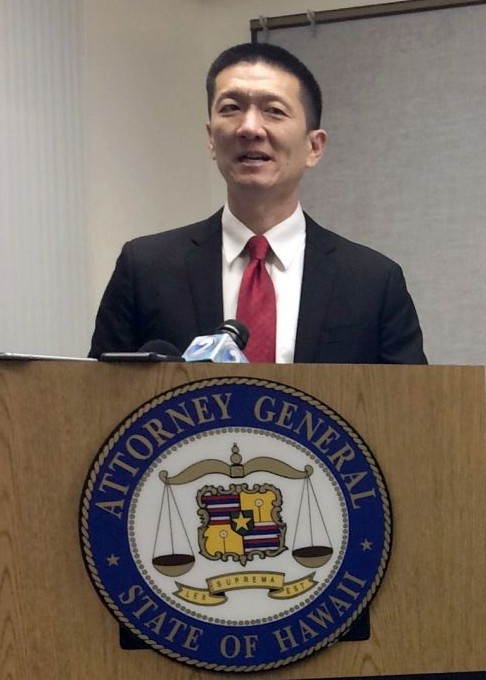
“This new executive order is nothing more than Muslim ban 2.0,” Hawaii Attorney General Douglas Chin said in a statement Monday. “Under the pretense of national security, it still targets immigrants and refugees.”
Copyright 2017 The Associated Press.



The Times of Israel Community.