

Hezbollah fires a warning shot with Chatah murder
The assassination of a prominent Lebanese figure and Saudi ally won’t be the last blow in the bloody rivalry between the terror group and its opponents

 Add ToI as a Preferred Source on Google
Avi Issacharoff, The Times of Israel's Middle East analyst, fills the same role for Walla, the leading portal in Israel. He is also a guest commentator on many different radio shows and current affairs programs on television. Until 2012, he was a reporter and commentator on Arab affairs for the Haaretz newspaper. He also lectures on modern Palestinian history at Tel Aviv University, and is currently writing a script for an action-drama series for the Israeli satellite Television "YES." Born in Jerusalem, he graduated cum laude from Ben Gurion University with a B.A. in Middle Eastern studies and then earned his M.A. from Tel Aviv University on the same subject, also cum laude. A fluent Arabic speaker, Avi was the Middle East Affairs correspondent for Israeli Public Radio covering the Israeli-Palestinian conflict, the war in Iraq and the Arab countries between the years 2003-2006. Avi directed and edited short documentary films on Israeli television programs dealing with the Middle East. In 2002 he won the "best reporter" award for the "Israel Radio” for his coverage of the second intifada. In 2004, together with Amos Harel, he wrote "The Seventh War - How we won and why we lost the war with the Palestinians." A year later the book won an award from the Institute for Strategic Studies for containing the best research on security affairs in Israel. In 2008, Issacharoff and Harel published their second book, entitled "34 Days - The Story of the Second Lebanon War," which won the same prize.
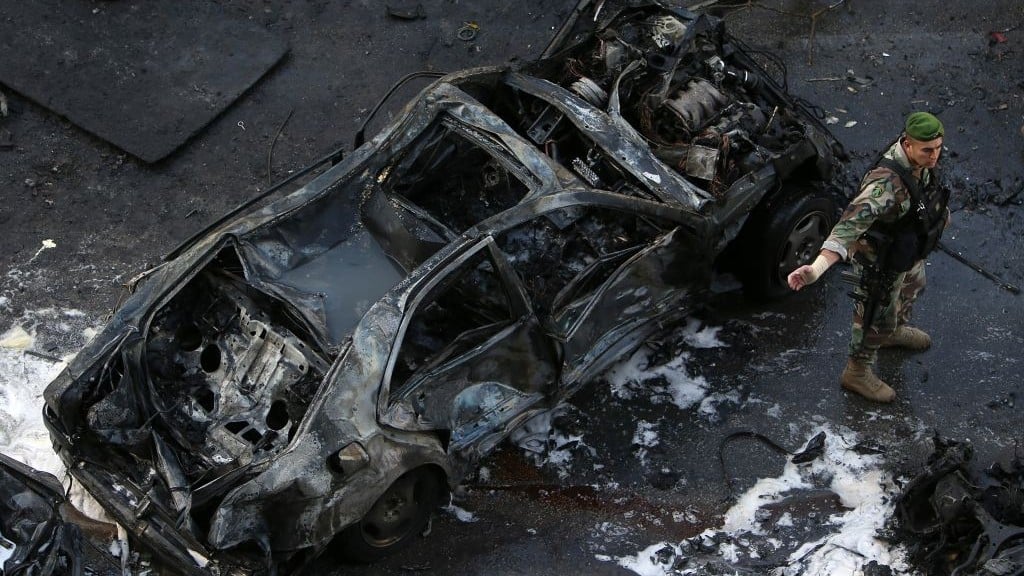
The struggle over the future of Lebanon cost former Lebanese finance minister Mohammad Chatah his life on Friday, when he and at least four others were killed in a massive bombing that rocked downtown Beirut.
Chatah was an adviser to former prime minister Saad Hariri, the leader of the March 14 coalition, which opposes Hezbollah’s involvement in the Syrian civil war and has supported the Syrian opposition against the regime of Bashar Assad.
Chatah was on his way to host a meeting for March 14 members at Hariri’s residence in Beirut, while the former PM is abroad.
His assassination served as a painful reminder to those who oppose Syria and Hezbollah of who really runs Lebanon. It was essentially a warning sent by the Shiite terror organization and the Syrian regime to their opponents, telling them to think twice before publicly challenging Hezbollah’s authority.
Chatah was evidently another Lebanese politician who had crossed the terror group’s red lines. On Friday morning, mere hours before he was killed, he published a tweet criticizing Hezbollah.
#Hezbollah is pressing hard to be granted similar powers in security & foreign policy matters that Syria exercised in Lebanon for 15 yrs.
— Mohamad B Chatah (@mohamad_chatah) December 27, 2013
Hezbollah and Syria are in essence “returning fire,” after several blows dealt to them in recent months by Sunni extremists, who have bombed Shiite strongholds around the country.
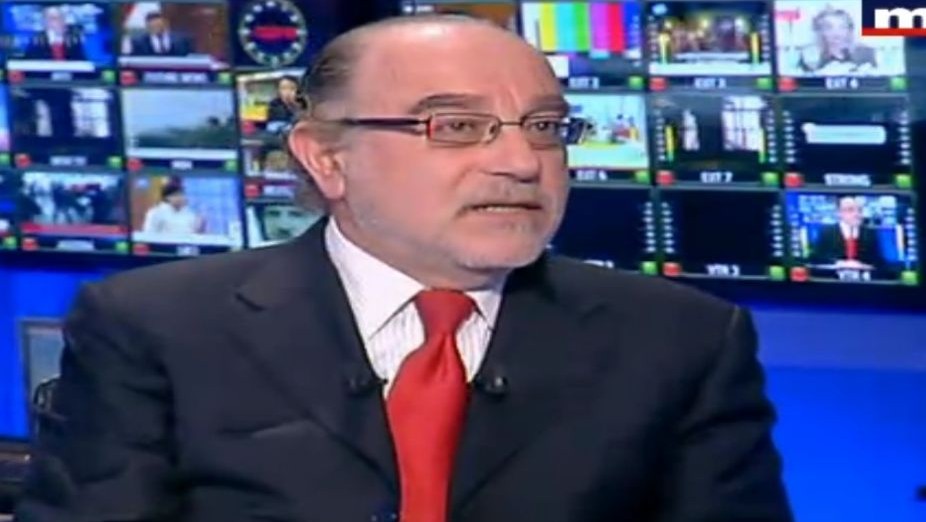
But Hezbollah chose to hit back at a weak target; members of March 14 are unarmed and were not involved in the attacks against the group.
Perhaps Hezbollah is also settling a score with Saudi Arabia, with which Hariri, Chatah and others are considered close. Hezbollah, after all, believes that Riyadh has played a key role in the attacks against it.
One thing is for certain, this latest assassination won’t be the last act of violence in the bloody rivalry between the terror group and its opponents in Lebanon.






The Times of Israel Community.