

Hezbollah issues fresh threat against Israel’s offshore gas rigs
In newly issued pamphlets and video, Lebanese terror group warns it will strike ‘whoever abuses oil and gas sites in Lebanon’s economic waters’
 Add ToI as a Preferred Source on Google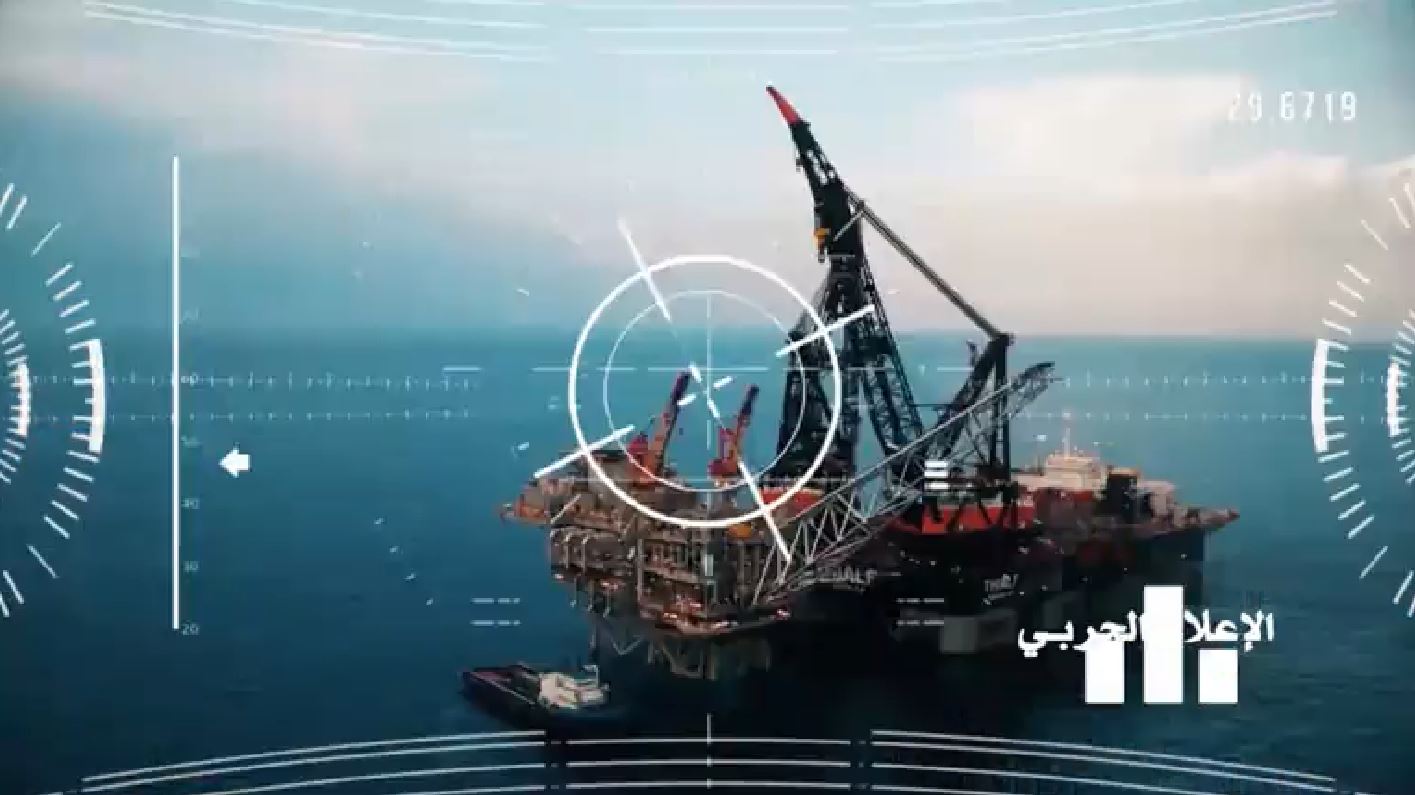
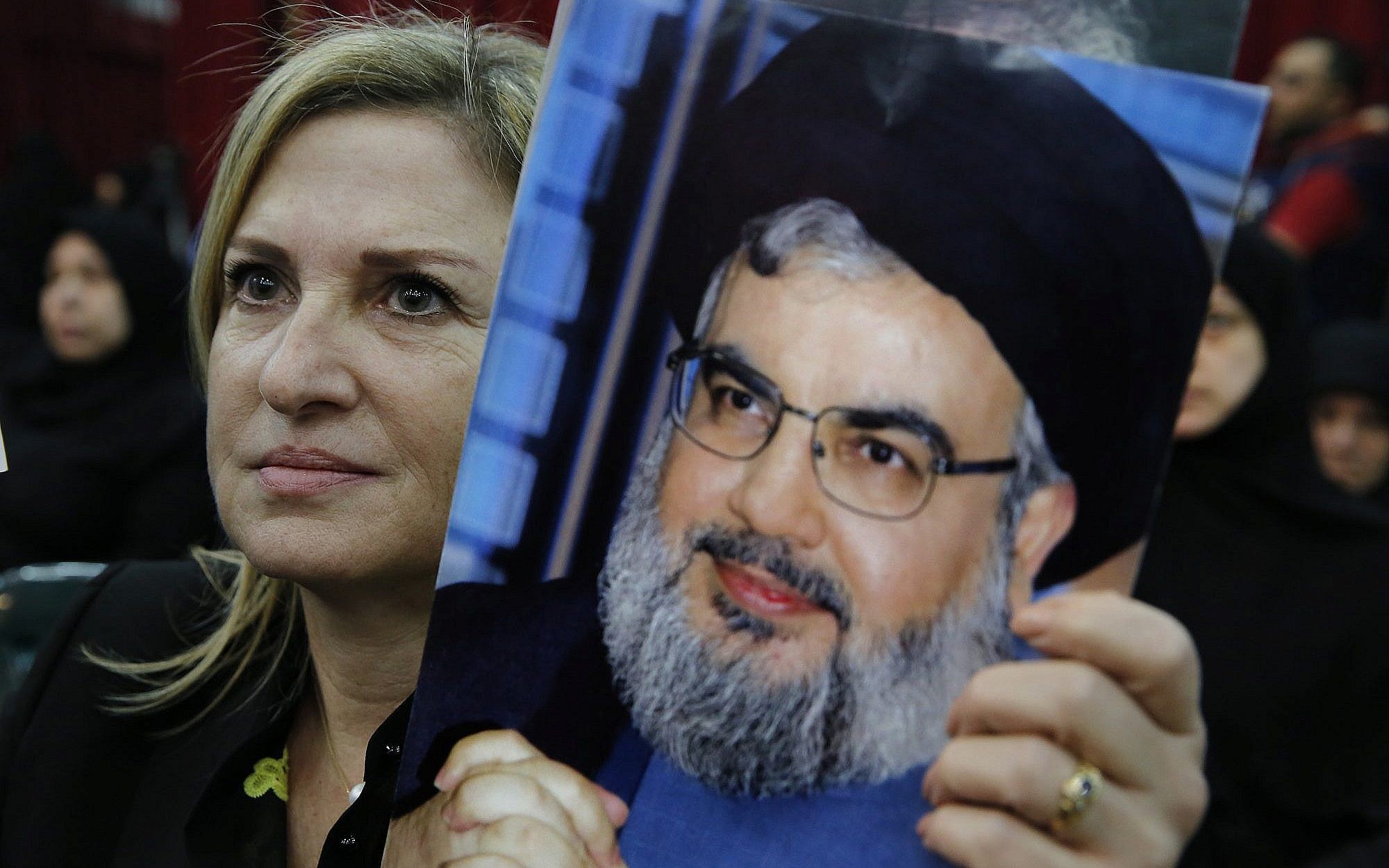
Hezbollah threatened on Sunday to target Israel’s Mediterranean natural gas rigs in a future conflict, the latest in a string of such threats.
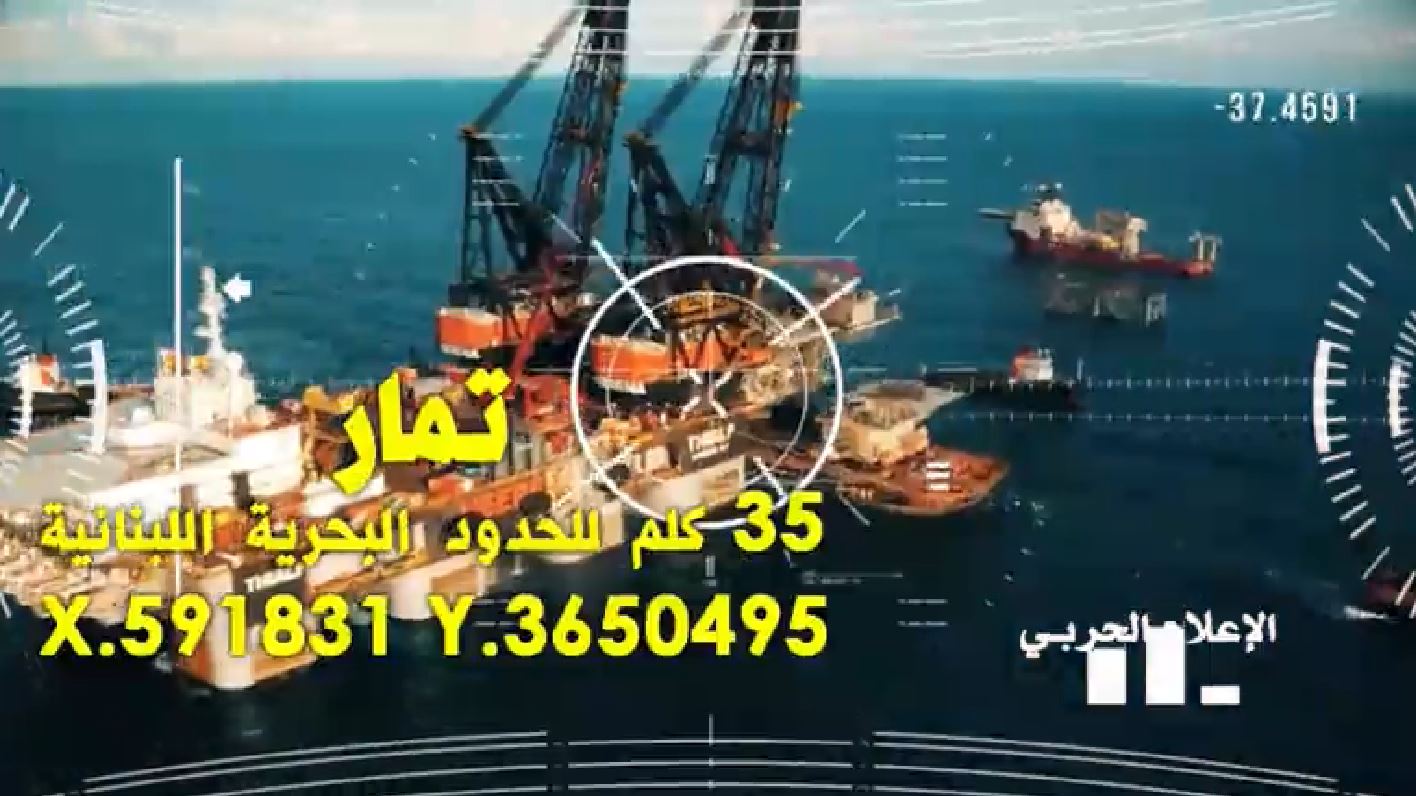
The terror group, which has sought to position itself as Lebanon’s defense against Israel and amid an ongoing dispute over gas-rich offshore economic waters, released a video that showed what appeared to be drilling platforms floating above Israel’s gas fields with targeting sights superimposed on the images.
The video, aired by Israel’s Hadashot TV news, also included quotes from Hezbollah chief Hassan Nasrallah’s Friday speech, in which he warned that the group would retaliate against any Israeli strike on Lebanon by attacking Israel’s offshore platforms.
“If you attack, we will attack. If you bomb, we will bomb you…. I promise you, within hours [the platform] will cease operating,” Nasrallah said, according to a translation by Hadashot.
The latest threats to Israeli gas fields are part of a recent refrain by the terror group. Earlier this month, the group released another video and issued pamphlets threatening an attack.
“Whoever abuses oil and gas sites in Lebanon’s economic waters — their sites will be abused,” one pamphlet obtained by the Ynet news site read, in broken Hebrew. “They know Lebanon can do this.”
A clip set to dramatic music quoted Defense Minister Avgidor Liberman claiming ownership over the gas sites, then cut to contradictory claims by Hezbollah leader Hassan Nasrallah, followed by footage of missiles ostensibly being launched at Israeli gas platforms.
Last week, Lebanon issued an offshore oil and gas exploration tender for two areas along the country’s maritime border with Israel, prompting a war of words with Jerusalem, which has laid claim to one of the fields in question.
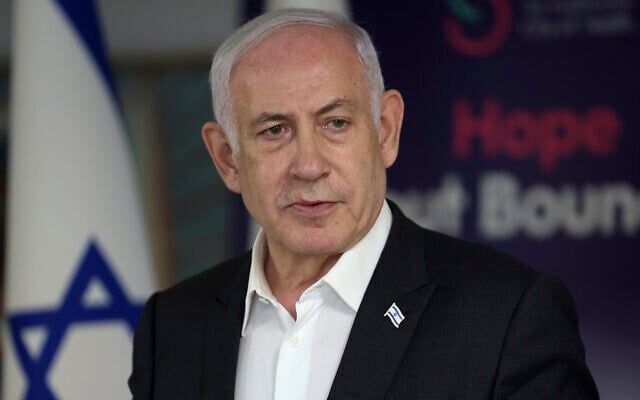
Liberman called the move “very provocative” and suggested that Lebanon had put out a tender to international groups for a gas field “that is by all accounts ours.”
His comments drew sharp condemnation from Hezbollah and Lebanese officials, including Prime Minister Sa’ad Hariri, who described the Israeli statement as a “blatant provocation that Lebanon rejects.”
Lebanese officials say that the country will start exploratory offshore drilling in 2019 and that Lebanon wants to assert its resource rights along the length of its maritime territories.
A major find in Lebanon’s southernmost waters could raise the possibility of a dispute with Israel, which is developing a number of offshore gas deposits, with one large field, Tamar, already producing gas, and the larger Leviathan field set to go online next year.
Israel’s Energy Minister Yuval Steinitz met Sunday with US Acting Assistant Secretary of State David Satterfield to discuss ways to defuse the dispute with Lebanon, Steinitz’s office said.
A statement from Steinitz’s spokesman said the two officials discussed the conflicting claims, and quoted Steinitz as telling Satterfield that “a diplomatic solution is preferable for both sides.”
Satterfield also held talks on the issue with top officials in Lebanon.

There are over 300 square miles of waters claimed by both countries, which are technically in a state of conflict. Israel and Hezbollah fought a month-long war in 2006.
As Israel’s gas fields and shipping lanes grow more and more important, the country’s navy is investing considerable funds and resources to boost its ability to defend offshore interests from Lebanese threats.
Work began on February 7 in Germany on four advanced corvettes for the Israeli navy “that will protect gas rigs and economic enterprises in Israeli waters,” the IDF said.
It said that the “Saar 6” warships, to enter service between 2020 and 2022, would be equipped with helipads and advanced missiles. “Protecting strategic economic assets in Israeli waters is a priority for the state of Israel,” the Israeli navy’s website announced last week.
In November, Israel installed a battery of its Iron Dome anti-missile system on a warship for the first time, calling it a valuable asset in protecting its offshore natural gas fields.
Naval officials have said both Hezbollah and the Palestinian Hamas terror group are believed to be developing naval capabilities, including autonomous submersibles, suicide drones and scuba-diving commando units.
Tensions with Lebanon have also escalated over Israel’s construction of a border wall with Lebanon and its warnings that Iran, through Hezbollah, is turning the country into a forward base against the Jewish state.
Jerusalem has said the barrier is being constructed inside Israeli territory, an assertion Beirut disputes.
Agencies contributed to this report







The Times of Israel Community.