

High Court issues sharp ruling against attorney general over TV regulator job
Justices say they could find no basis for AG’s decision not to allow Communications Minister Karhi independent counsel in Second Authority case
 Add ToI as a Preferred Source on Google
Jeremy Sharon is The Times of Israel’s legal affairs and settlements reporter
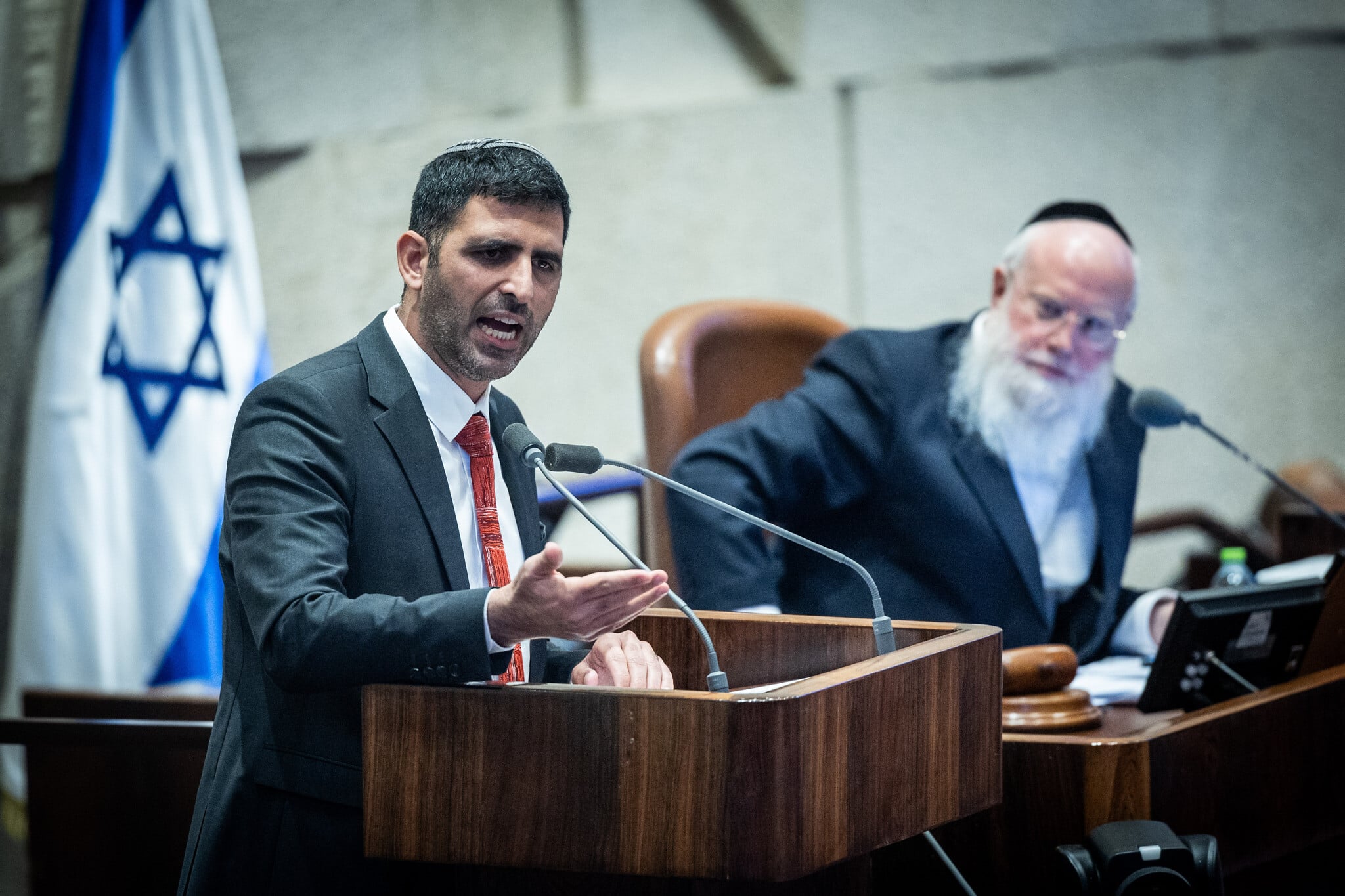
In a stinging rebuke of Attorney General Gali Baharav-Miara, the High Court of Justice ruled against the government’s chief lawyer in a petition demanding the court annul the appointment of a temporary chairperson for the country’s commercial broadcasting regulatory body.
A petition filed by the Movement for Quality Government in Israel, supported by the attorney general, asked the court to annul the government’s appointment of a temporary chair of the Second Authority on the basis that she was not qualified for the position and that the appointment process was procedurally flawed.
After Baharav-Miara refused to back the government’s position that the appointment was lawful, she also refused to allow Communications Minister Shlomo Karhi, who oversaw the appointment of Second Authority board member Odelia Minnes as temporary chair, to obtain independent counsel to represent his position in court.
The High Court rebuked Baharav-Miara over this position as well, with Justice Noam Sohlberg writing for the majority that he had not found any legal basis for the attorney general’s arguments as to why Karhi should be denied representation.
The court ruled unanimously that Minnes’s lack of qualifications was not sufficient cause to annul the appointment, and by two to one that there was no substantive procedural flaw in the decision, with Sohlberg and Justice Gila Canfy-Steinitz ruling in favor of the decision, and Justice Khaled Kabub ruling against.
Karhi, a staunchly right-wing member of the Likud party, lauded the court’s ruling, accused the attorney general of “inventing” arguments to support her positions, and said that the decision was an important step in “restoring governance to the people” and “cutting off the tentacles of the legal octopus — the High Court and the attorney general as one.”
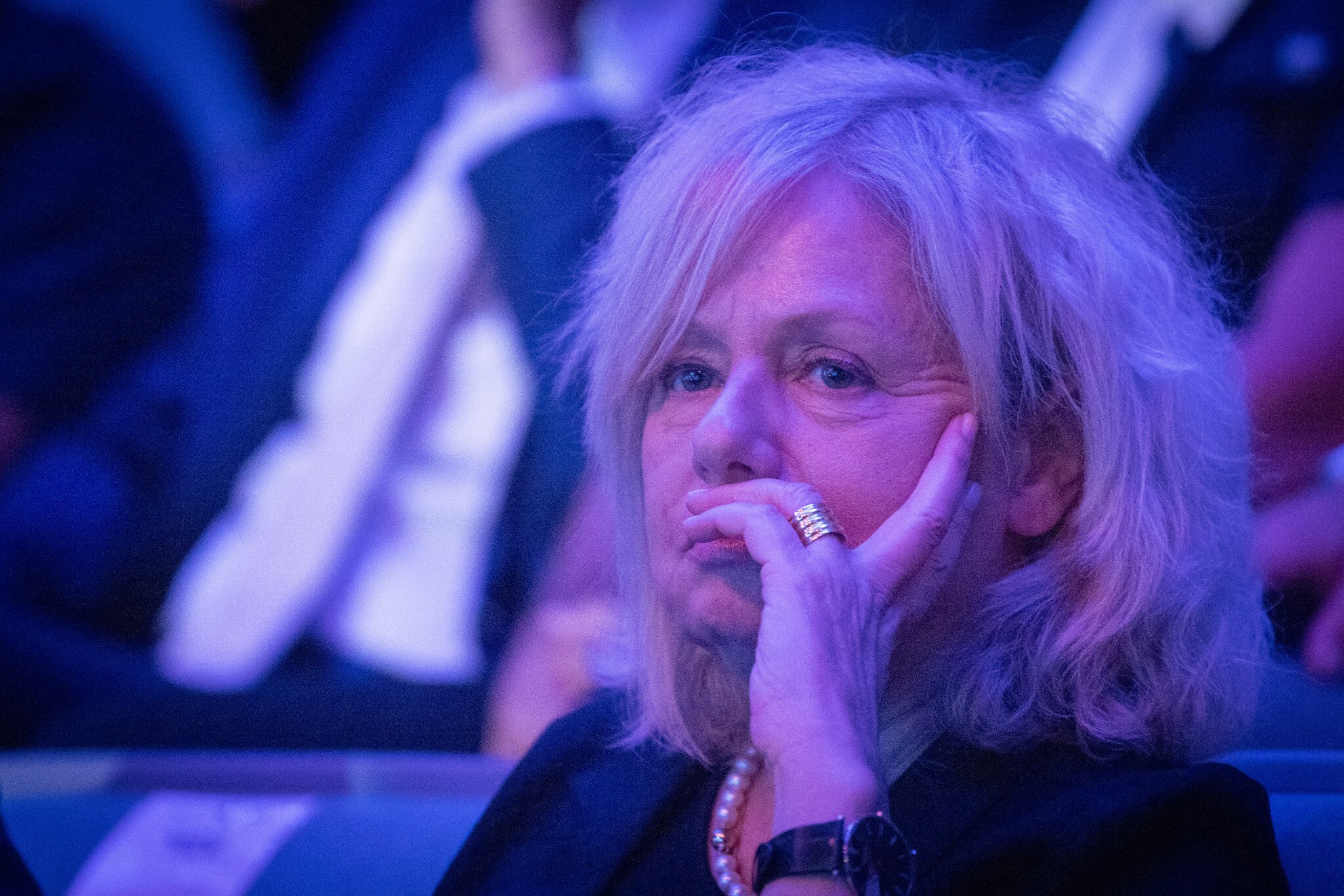
The Movement for Quality Government did not respond to the decision.
Minnes, whose nomination was approved by cabinet vote in August, has neither served in a management position of a large corporation for five years, served in a senior public post, or served in a senior position in the field of broadcasting.
This, together with procedural flaws in her appointment, meant that the appointment should be annulled, the Movement for Quality Government argued in its petition.
Sohlberg, a staunch conservative, wrote, however, that the law regarding the appointment of a temporary chair of the authority does not require the same qualifications as that of a permanent chair.
He also noted that under the law the chair must be selected from among the Second Authority’s members, but that none of them were both qualified for the position and wanted the position, and that therefore Minnes’s appointment was valid.
Sohlberg also dismissed the procedural complaints against the appointment. He wrote that although it was true, as the petitioners claimed, that a vote on filling the position had not been added to the cabinet agenda for the meeting in which her appointment was confirmed, such a practice was allowed under certain circumstances, and that it therefore could not be considered a basis for annulling the appointment.
Turning to the issue of independent counsel for Karhi, Sohlberg dismissed Baharav-Miara’s position — that since the issue at hand was not a constitutional issue, did not affect Israel’s system of government, and was not of clear public importance — there was no reason to allow the minister his own representation in court.
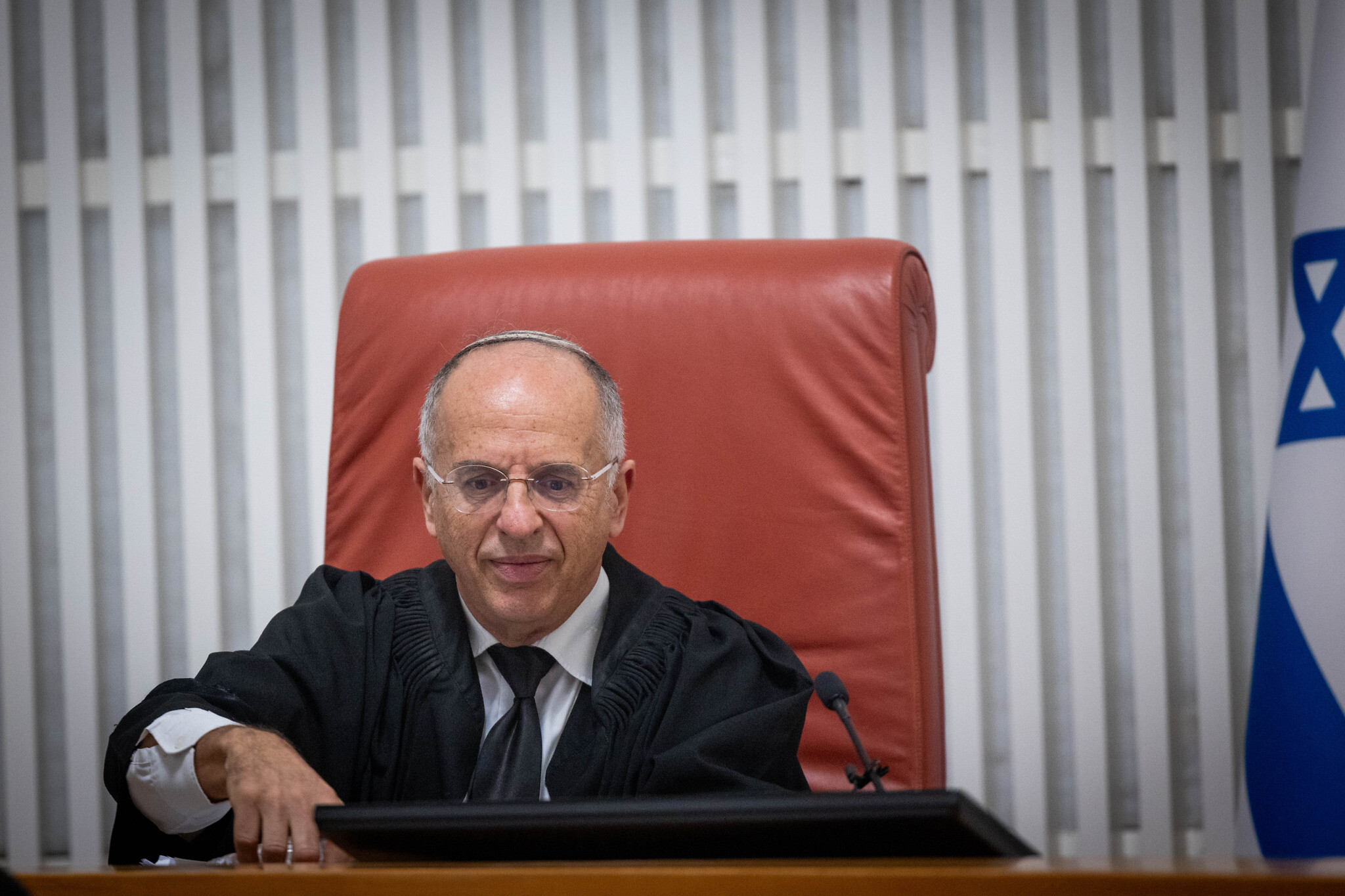
“I looked everywhere and I did not find a legal basis for establishing this standard,” wrote Sohlberg, “or even a reference to this standard.” He added by way of rebuke to the attorney general that due to the sensitive nature of the independent counsel issue, it would have been “better to tread on as solid ground as possible.”
The question of independent counsel for the government when the attorney general does not back its position has long been a point of contention between successive governments and the judiciary — one that has become ever more acute under the current administration, which Baharav-Miara has refused to support in an unprecedented number of court cases.
Karhi, far-right National Security Minister Itamar Ben Gvir, and other ministers have repeatedly accused Baharav-Miara of denying them representation in the High Court in the numerous petitions that have been filed against the government in its tempestuous two years of tenure, first over judicial overhaul legislation and then over controversial policies and actions amid the current war.
“All this happened just so that the attorney general could show, once again, that she is the real ‘ruler,’ and that no matter is too small for her to interfere with, impede, and try to thwart government policy,” said Karhi following the ruling.






The Times of Israel Community.