

High Court orders government to explain why it’s not launching Oct. 7 state inquiry
Government has until Jan. 4 to justify why it isn’t setting up commission that could ‘examine in an independent, professional, and impartial manner’ events around massacre
 Add ToI as a Preferred Source on Google
Jeremy Sharon is The Times of Israel’s legal affairs and settlements reporter
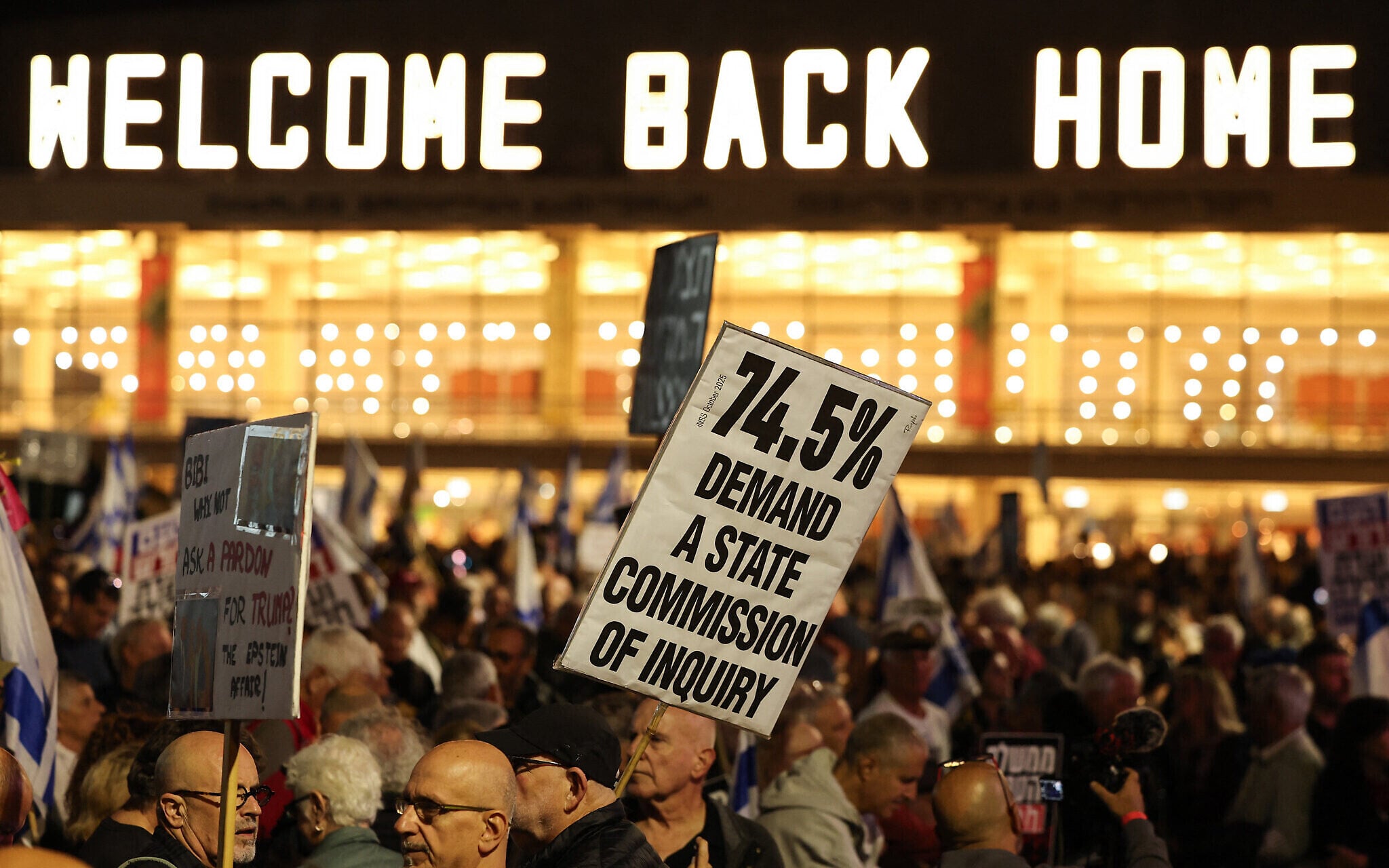
The High Court of Justice on Wednesday issued a preliminary order against the government, instructing it to justify its reasons for not establishing a state commission of inquiry into the events surrounding the catastrophic Hamas invasion and massacres in southern Israel on October 7, 2023.
The court demanded to know why the government is not exercising its authority to establish such a commission, which could “examine in an independent, professional, and impartial manner” the events surrounding the October 7 attacks.
Preliminary orders switch the burden of proof from the petitioner, in this case several liberal watchdog groups, to the respondent — the government — and indicate that the court is taking the petitions very seriously.
The government has until January 4 to respond.
The government announced earlier this week that it intends to create a government-backed commission, and formed a ministerial panel to select the topics and timeframes it believes should be probed.
Despite being touted as an “independent” investigation, the government commission’s mandate will be determined by a group of cabinet ministers, led by Justice Minister Yariv Levin.
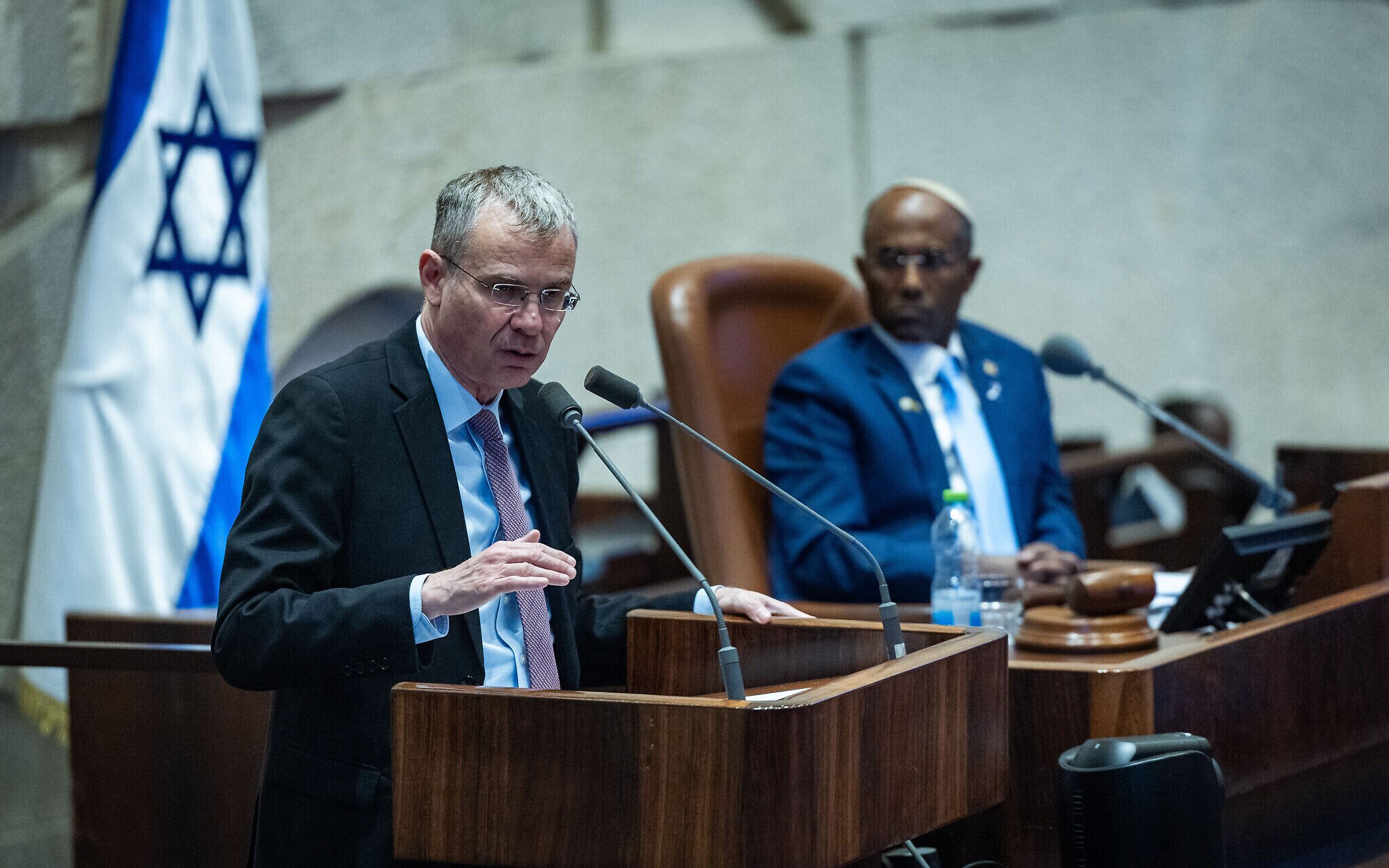
Aside from Ze’ev Elkin, a minister in the Finance Ministry, all the ministers on the panel were in office during the October 7 attack, when thousands of Hamas-led terrorists stormed southern Israel to kill some 1,200 people and take 251 hostages, sparking the war in Gaza.
The committee is scheduled to report to the cabinet on its recommendations for the format and mandate of that commission by the end of December.
The government has long resisted an independent state commission of inquiry, in which the members of the investigative body are chosen by the Supreme Court president.
Prime Minister Benjamin Netanyahu’s critics, including the families of October 7 victims, demand that policy and intelligence failures before, during, and after the onslaught be probed by a state commission of inquiry, Israel’s highest investigative authority. Opposition figures and groups slammed the government’s move to set up its own panel on Sunday, accusing it of trying to evade responsibility for the failures that led to the onslaught.
Opinion polls consistently show a strong majority of Israelis support a state commission of inquiry into the attack.
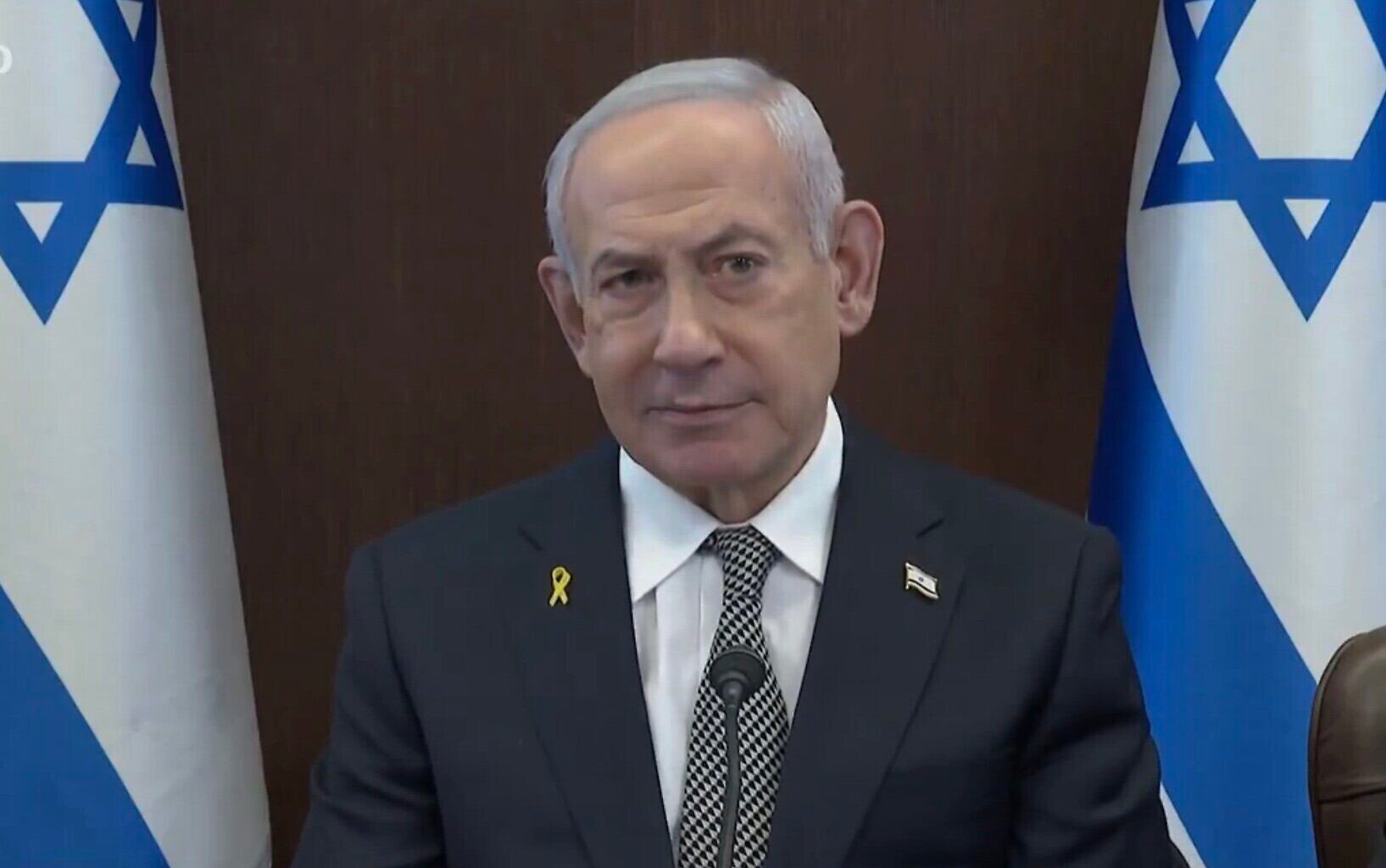
Netanyahu has rejected such a commission because its make-up would be determined by the judiciary, which his government does not trust and seeks to weaken through a judicial overhaul.
The controversial overhaul plans, unveiled by Levin in January 2023, triggered mass demonstrations against the proposals, which came to a halt with the Hamas onslaught.
Some activists who served as reservists in the IDF had threatened to stop showing up for duty should the overhaul become law, which allies of Netanyahu point to as possibly having contributed to bringing about the Hamas onslaught.
At the time, Israeli security officials and then-defense minister Yoav Gallant warned Netanyahu that the overhaul and the resulting social and political upheaval posed a risk to national security. Netanyahu fired Gallant for publicly warning of this danger in March 2023, then reinstated him, only to fire him again a year ago.
Security chiefs had also warned against Netanyahu’s years-long policy of letting Qatar send millions of dollars in cash to Hamas on a weekly basis, which the premier — whose top aides are under investigation over their allegedly illicit ties to the country — has said was earmarked for government salaries and necessary to prevent a humanitarian catastrophe.








The Times of Israel Community.