

High Court rules 1,000 allowed at Tel Aviv anti-government protest Saturday, 150 in Haifa
Given ceasefire with Iran, court says ‘in absence of a concrete warning,’ protests can take place, add police don’t need to disperse gatherings even if crowds exceed limits
 Add ToI as a Preferred Source on Google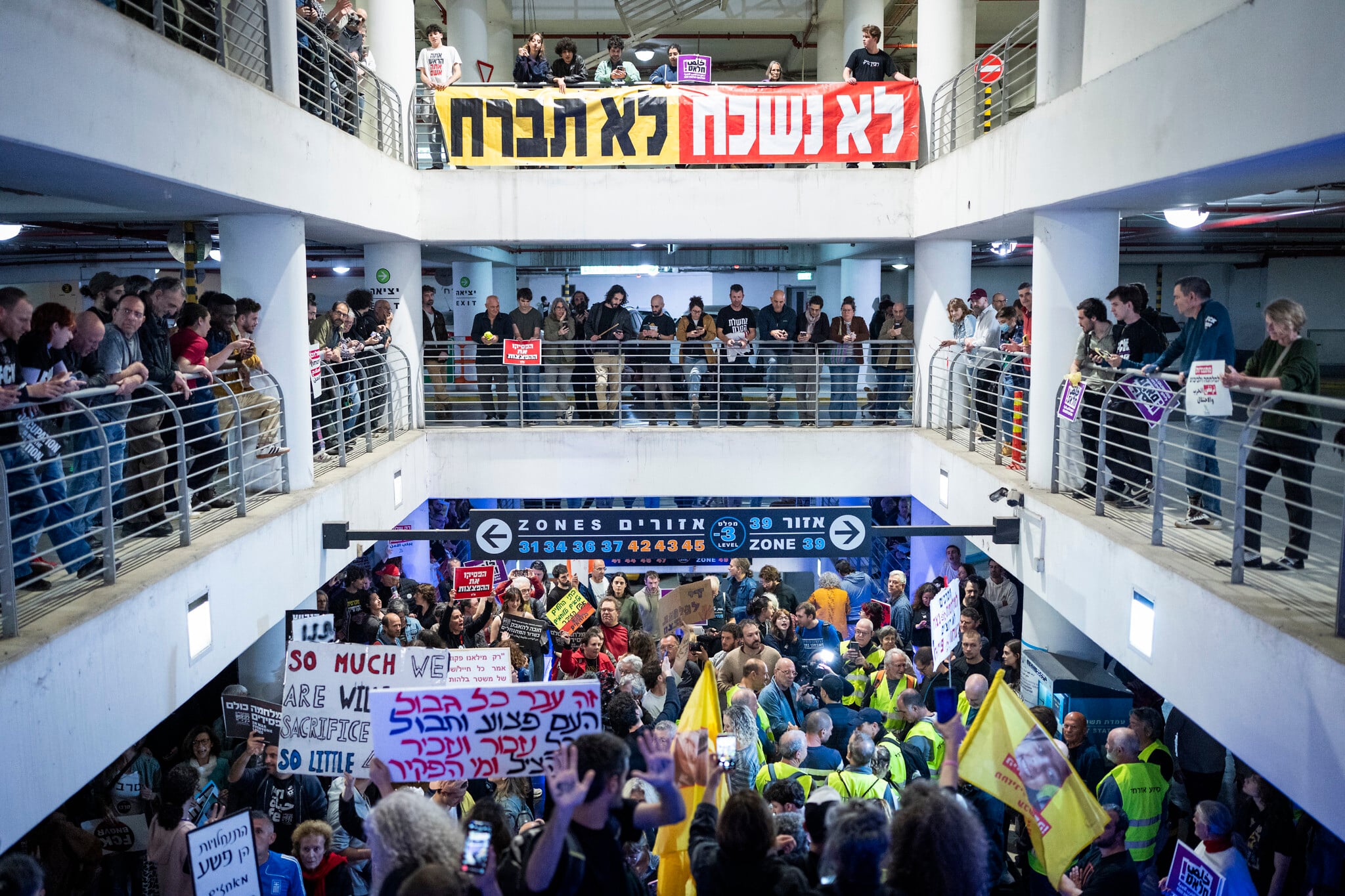
The High Court of Justice on Friday issued a ruling that “in the absence of a concrete warning” from authorities, Saturday night anti-government demonstrations should be allowed to take place, given the current ceasefire with Iran, upping the number of allowed participants from 600 to 1,000 in Tel Aviv’s Habima Square, and 150 in Haifa’s Horev Center.
The court issued its ruling in response to petitions from anti-government protest groups against police and IDF Home Front Command restrictions on gatherings in Tel Aviv and other cities around Israel, which were enforced heavily during the recent war.
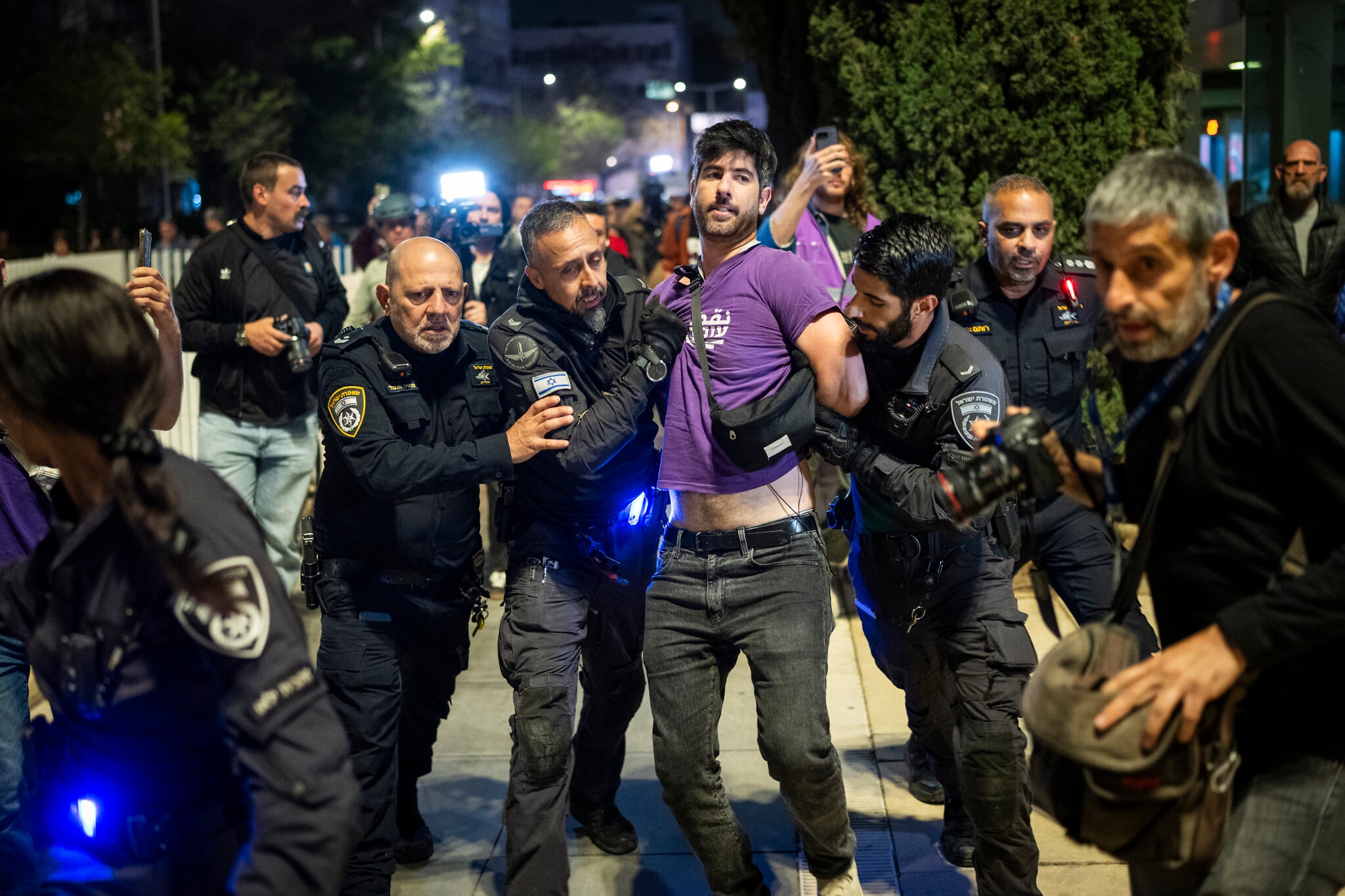
Last Saturday, the court issued an interim order obliging police to allow up to 600 protesters in Tel Aviv just hours before the protests began, though police said the demonstration quickly exceeded the limit and declared the event unlawful, violently dispersing the crowd and making 17 arrests.
This week, the court emphasized that even if protests exceed the permitted quotas, it does not necessarily give police grounds to disperse the demonstrations, noting the fact that Habima is located directly above a large bomb shelter that can accommodate thousands.
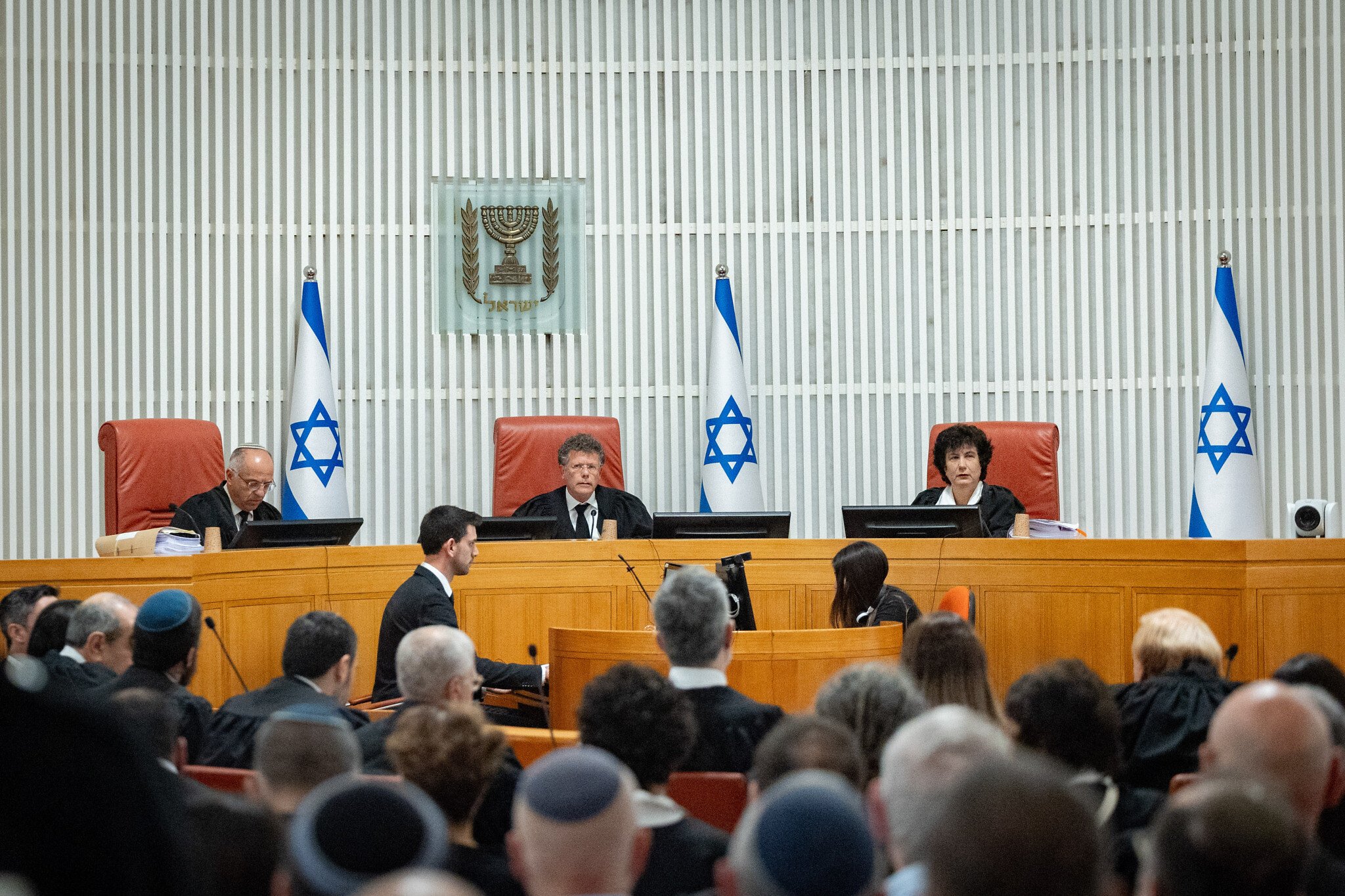
The ruling, given by Supreme Court President Isaac Amit and Justices Yechiel Kasher, and Ruth Ronen, also noted that the state’s representatives told the court that the state has not yet formulated a policy that balances “security considerations with the fundamental right to protest.”
“Given this fact, and given the clarifications provided by representatives of the Home Front Command in response to the panel’s questions during the discussion,” the court said in their ruling, “we instruct that in the absence of a concrete warning, a demonstration should be allowed in the center of Horev with a number of no less than 150 people, and in Habima Square with a number no less than the number approved by the Home Front Command for holding gatherings in this area as of the date of the demonstration.”
The Home Front Command recently amended its guidelines after the ceasefire between the US and Iran was reached on Wednesday, lifting restrictions on schools and workplaces and allowing gatherings of up to 1,000 in certain areas. Stricter restrictions still apply in much of northern Israel, including Haifa, as the conflict with Hezbollah in Lebanon is still going on.
“It must be taken into account that Habima Square is near a protected space that allows for the absorption of a significant crowd,” the judges added, clarifying that “any upward deviation from these numbers is at the discretion of the police commander in the area, and his assessment of the risk to the demonstrators and public order, while giving due weight to all relevant considerations – and does not necessarily mean the dispersal of the demonstration.”
The court ruled that the state must submit its response to the petitions by April 26.
After the court’s interim order last week, several senior government figures, including Prime Minister Benjamin Netanyahu, assailed the court for allowing “left-wing demonstrations” but not worship at the Western Wall or other important religious sites.
Justice Minister Yariv Levin went even further, calling on the government to ignore the court and enforce the restrictions anyway. Religious leaders also joined in, with Sephardic Chief Rabbi David Yosef branding the court as an “enemy of Judaism,” largely for the fact that it issued its ruling on Shabbat.
Days later, the court responded to a petition from the Knesset’s Orthodox parties, allowing limited prayer at the Western Wall and Temple Mount, though the new Home Front Command guidelines have since allowed the sites to open without restrictions.





The Times of Israel Community.