

Hospitals gear up to receive returning hostages after over 734 days in Gaza captivity
Health Ministry says it asked Red Cross to try to ensure hostages aren’t suddenly overfed by captors as it can cause medical issues; forensic teams prepping for bodies of slain captives
 Add ToI as a Preferred Source on Google
Reporter at The Times of Israel
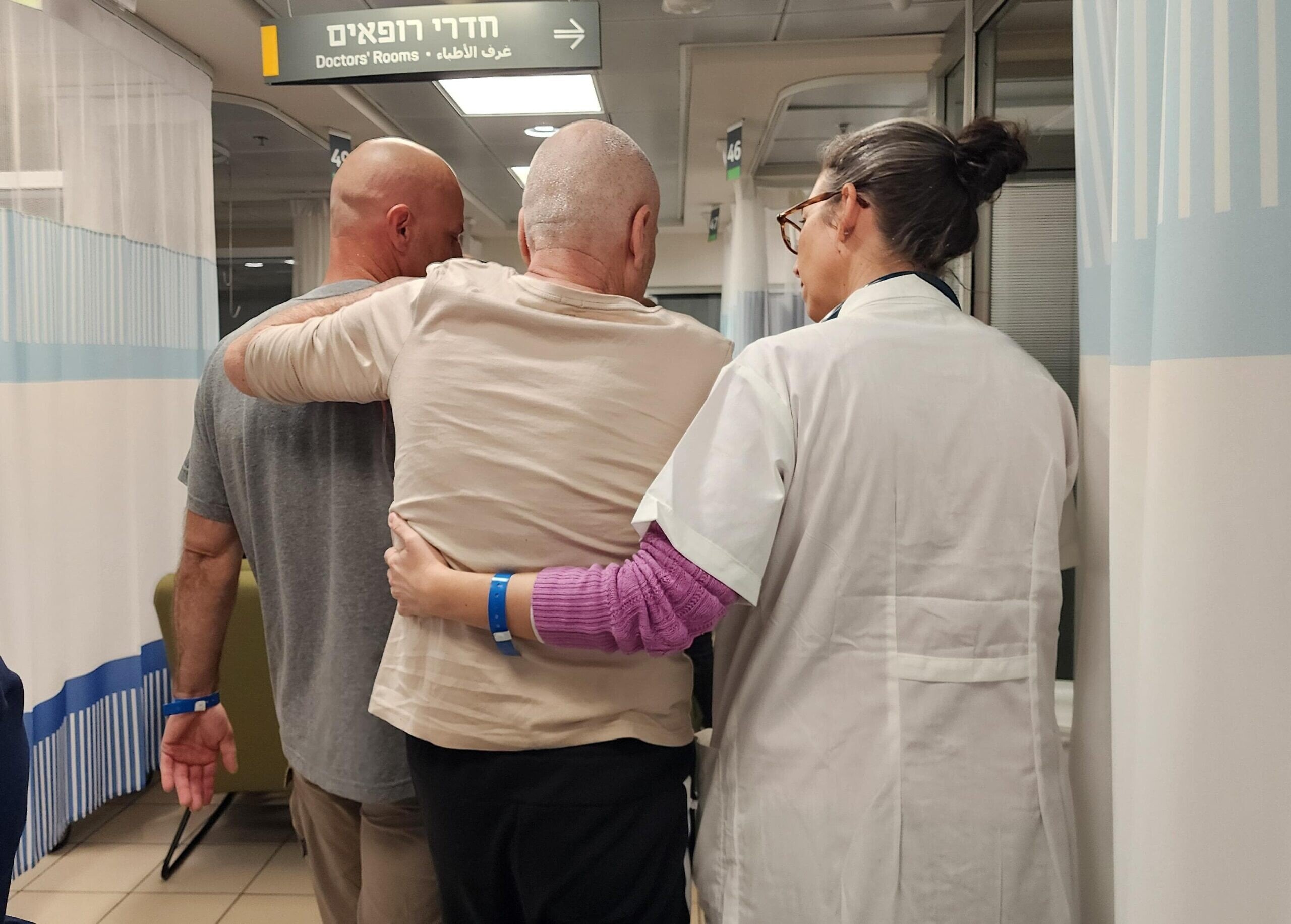
Before Sheba Medical Center took in 46 hostages released from Hamas captivity in November 2023 and early 2024, Dr. Noya Shilo, head of the hospital’s Return to Life Center for hostages and their families, said there was no “protocol and few guidelines in medical literature for how to handle this.”
But on Thursday, a Sheba spokesperson said the hospital was “in the midst of final preparations” to receive some of the approximately 20 living hostages returning from Hamas captivity.
In its statement, the Health Ministry also said the health system has issued “specific guidelines” to the designated hospitals, adapting the protocol to the expected medical condition of the hostages after more than 734 days in captivity.
The preparations, led by Dr. Hagar Mizrahi, head of the Medical Division at the ministry, are based on “lessons learned from previous releases and rescue operations.”
In addition to Sheba, Tel Aviv Sourasky (Ichilov) Medical Center in Tel Aviv, and Beilinson Medical Center in Petah Tikva have been designated as medical centers receiving the returnees. If urgent medical care is required, freed hostages may be taken to Soroka University Medical Center in Beersheba or Barzilai Medical Center in Ashkelon, which are closer to Gaza.
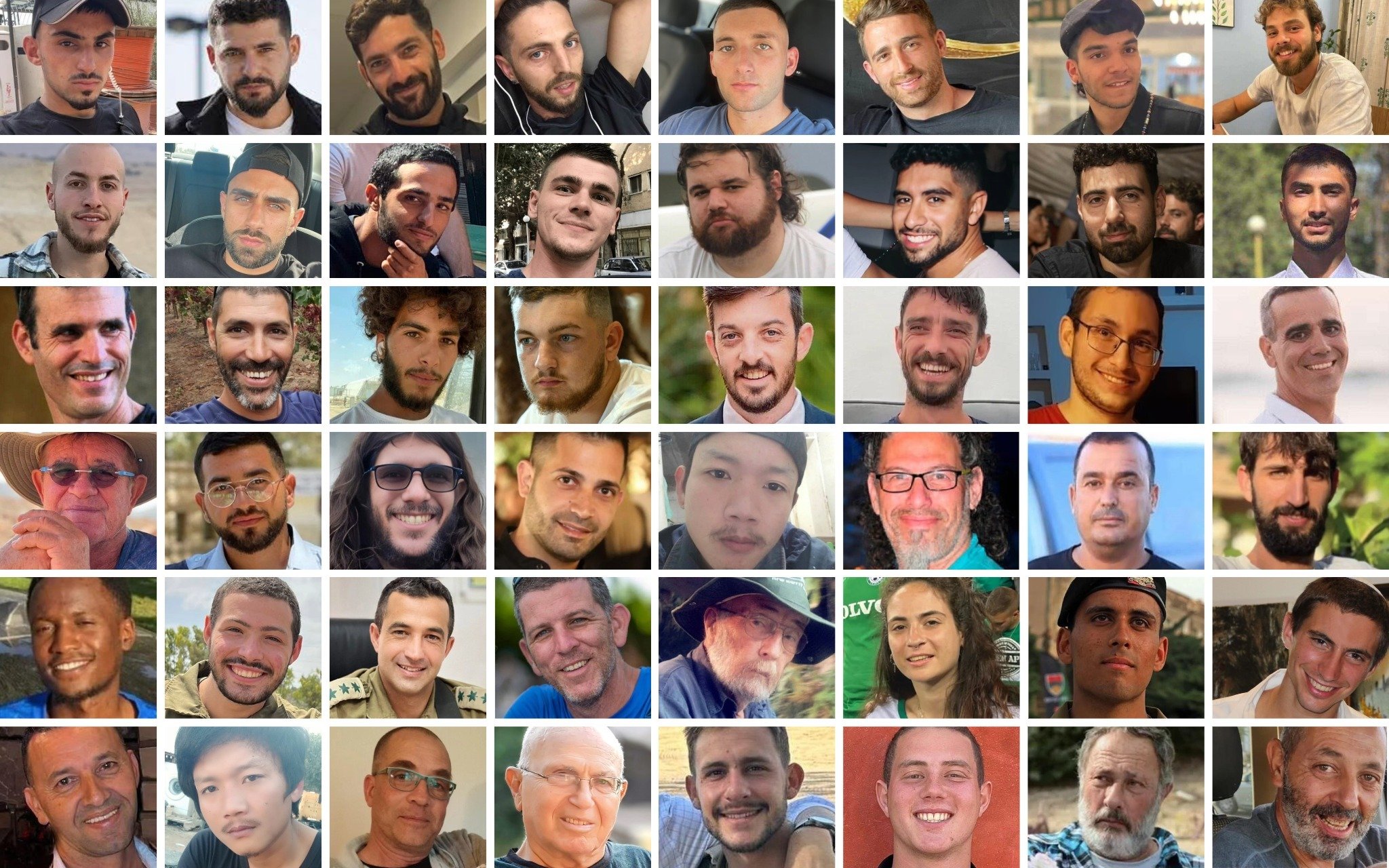
The National Center of Forensic Medicine (Abu Kabir) is completing preparations to receive the bodies of the fallen hostages, as it has in previous cases, where it will confirm their identities.
Refeeding Syndrome
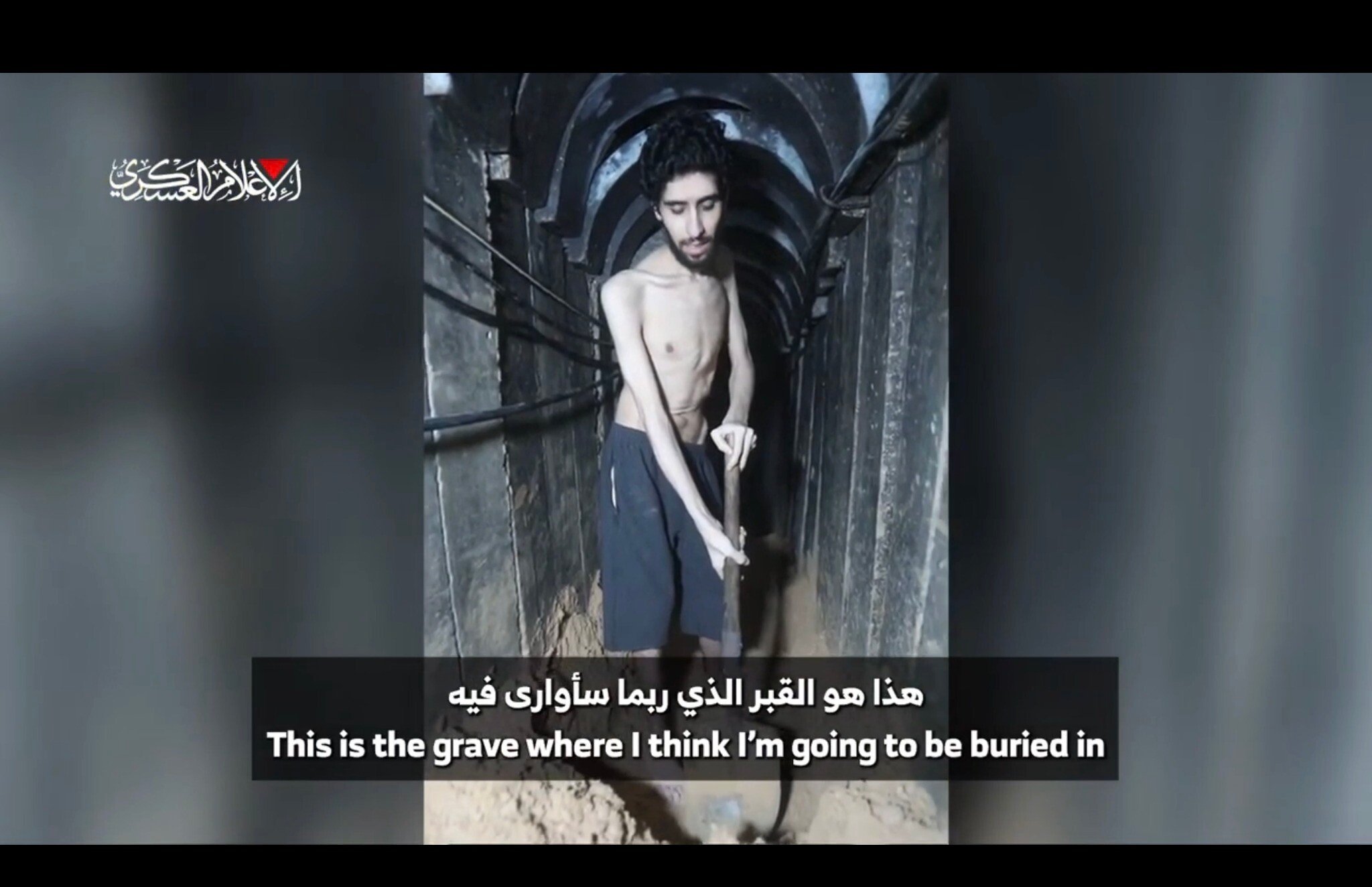
The Health Ministry said that several weeks ago it contacted the Red Cross, requesting that hostages, who are thought to have been starved during their captivity, not be overfed before their return, as Hamas may do to try to hide their previously emaciated state.
According to the ministry, after prolonged starvation, a sudden increase in food intake can lead to what is known as refeeding syndrome, which may cause neurological, respiratory, and cardiac complications.
None of the hostages has been visited by Red Cross officials during their time held captive in Gaza.
The Health Ministry also said that it has instructed hospitals to care for the returnees in a separate hospital area, apart from other patients, including the emergency room.
Each returnee will be treated in a private room, together with family members or other trusted individuals. The area should include both a general shared space for gatherings and separate private areas for rest and family meetings, the ministry said.
Given the long duration of captivity, the ministry stressed the need to carefully review and deepen understanding of each person’s medical history, including complications from lack of treatment during their time in captivity.
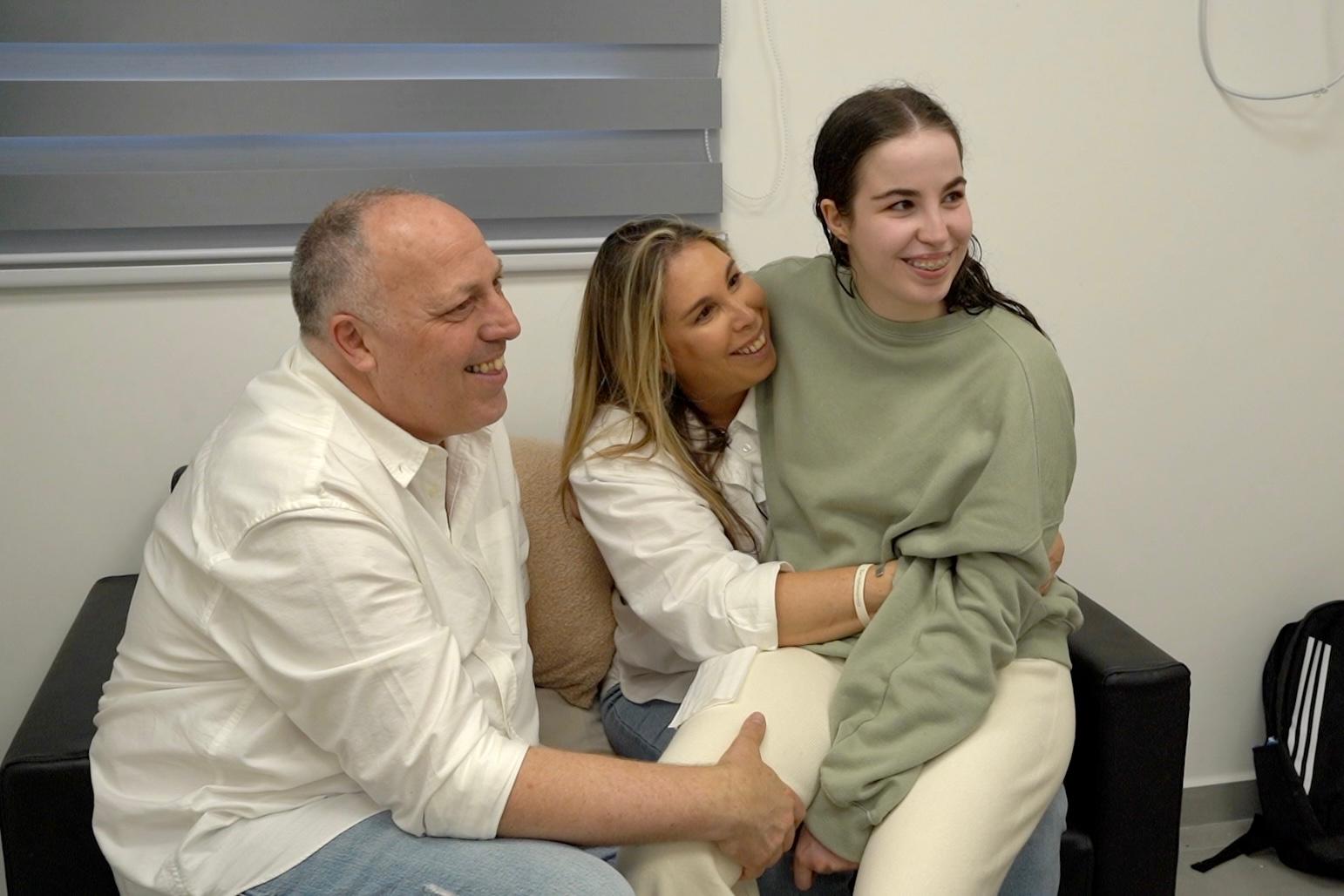
A preliminary medical exam will be performed immediately upon arrival to rule out urgent conditions.
It should be done, “if possible, in the presence of a family member or trusted companion,” the ministry said.
A follow-up examination will be conducted later, after family reunification, in coordination with security officials, to complete the full medical evaluation.
Each returnee will be examined by a nurse and a specialist in emergency medicine, and, as needed, by specialists in other relevant fields.
Hospitals must also receive information about medical care and food intake provided immediately upon the returnees’ arrival in Israel. The ministry stressed that hospitals should consult senior medical specialists before making treatment decisions.
During hospitalization, the ministry recommended creating a stable multidisciplinary support team including a treating physician, consulting doctors, nurse, social worker, psychiatrist, psychologist, dietitian, and a forensic doctor.
This team will hold joint discussions as needed to build a comprehensive, personalized treatment plan.
At Beilinson Hospital, Dr. Michal Steinman, director of nursing, said that the staff’s preparation to receive nine hostages in February 2024 was like “detective work.”
“We went system by system, ears, eyes, mouth, hair, skin, kidneys, urine, whatever it is, muscles, to think what is happening to a person who is under those conditions of captivity,” Steinman said.
At the hospitals, the ministry said that a psychiatric evaluation will be conducted within 24 hours of hospital admission. Any unusual mental symptom will be examined jointly with the treating physician to rule out physical causes presenting as psychological distress.
A psychiatrist will then lead the mental health management, including observation, guidance for the medical team, trauma-sensitive care, coordination with security officials, and support for the returnee and family.
A dietitian will guide families about refeeding syndrome risks, conduct a full nutritional assessment including history, blood tests, weight and height, to define the former hostages’ needs, and develop a daily nutrition plan adjusted according to clinical progress.
Ensuring a stable transition after captivity
After evaluation and treatment, the hospital staff will decide whether further hospitalization is needed or whether to discharge the returnee for ongoing daily care.
The ministry recommended that the returnee and family remain in the hospital for at least four days in the dedicated treatment area to ensure a stable transition.
“The return from captivity requires immediate medical evaluation and treatment in hospital, followed by long-term physical, mental, and social care and monitoring after discharge,” the ministry wrote. “The response must be comprehensive, ongoing, and personalized, while maintaining strict privacy.”








- Israel & the Region
- 2023-2025 Israel-Hamas war
- Israel-Hamas conflict
- Hamas hostages
- hostages
- Health Ministry
- Sheba Medical Center
- Beilinson Hospital
- International Committee of the Red Cross ICRC
- National Institute of Forensic Medicine (Abu Kabir)
- Trump's 20-point plan for Gaza
- Sourasky Medical Center (Ichilov)
The Times of Israel Community.