

In 1st cabinet meeting, new government okays state inquiry into Meron disaster
PM Bennett urges unity within diverse coalition, says coalition will continue ‘determinedly opposing Iran reaching a nuclear weapon’; IDF chief Kohavi’s tenure extended by a year
 Add ToI as a Preferred Source on Google
Raoul Wootliff is a former Times of Israel political correspondent and Daily Briefing podcast producer.
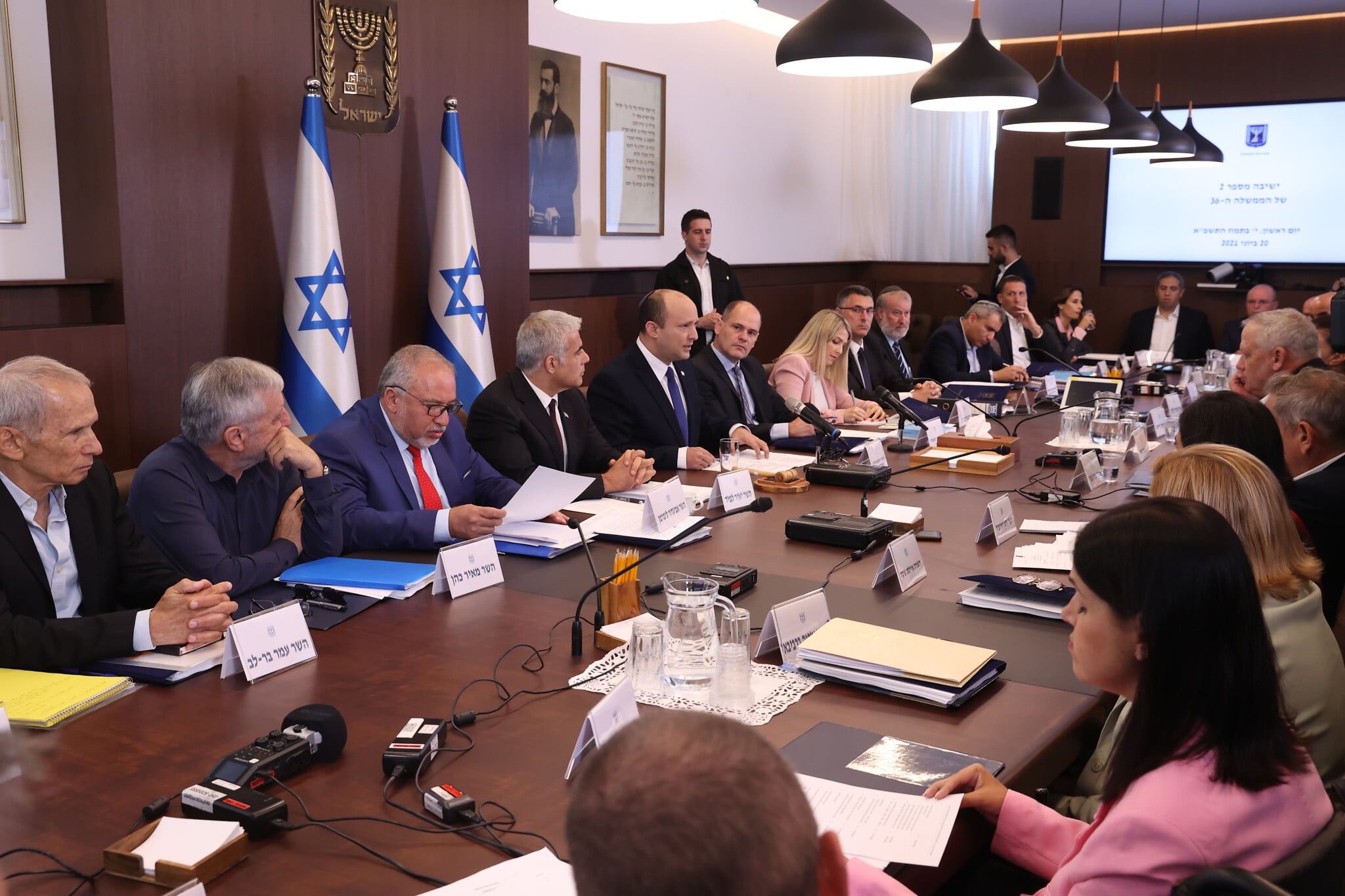
In its first order of business, the new Israeli cabinet voted Sunday to establish a state commission of inquiry into the deadly crush at Mount Meron in April, which killed 45 people in Israel’s worst peacetime disaster.
Heading his first cabinet meeting since being sworn in last week, Prime Minister Naftali Bennett said the government would do everything “to prevent unnecessary loss of life.”
The proposal, submitted by Defense Minister Benny Gantz and Finance Minister Avigdor Liberman, was approved unanimously.
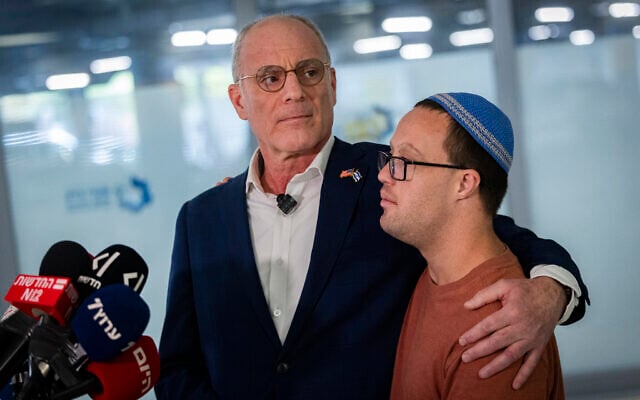
The families of the victims of the disaster welcomed the announcement, saying it would prevent a similar tragedy from occurring in the future.
“This is a very important decision,” the forum representing bereaved families said in a statement.
“Although it will not bring back our loved ones, at least we will be able to ensure another disaster does not occur,” the statement read.

Bennett said his coalition was aiming to act differently from the last one, led by Benjamin Netanyahu, and understood the need for “mutual trust” between its ministers.
“Due to the character of the government and the range of its members, the key to our success is trust, mutual trust,” he told the 27 ministers of the government at the Prime Minister’s Office in Jerusalem. “The way to increase trust is that when there are misunderstandings, simply pick up the phone and call each other and resolve things quietly, without drama.”
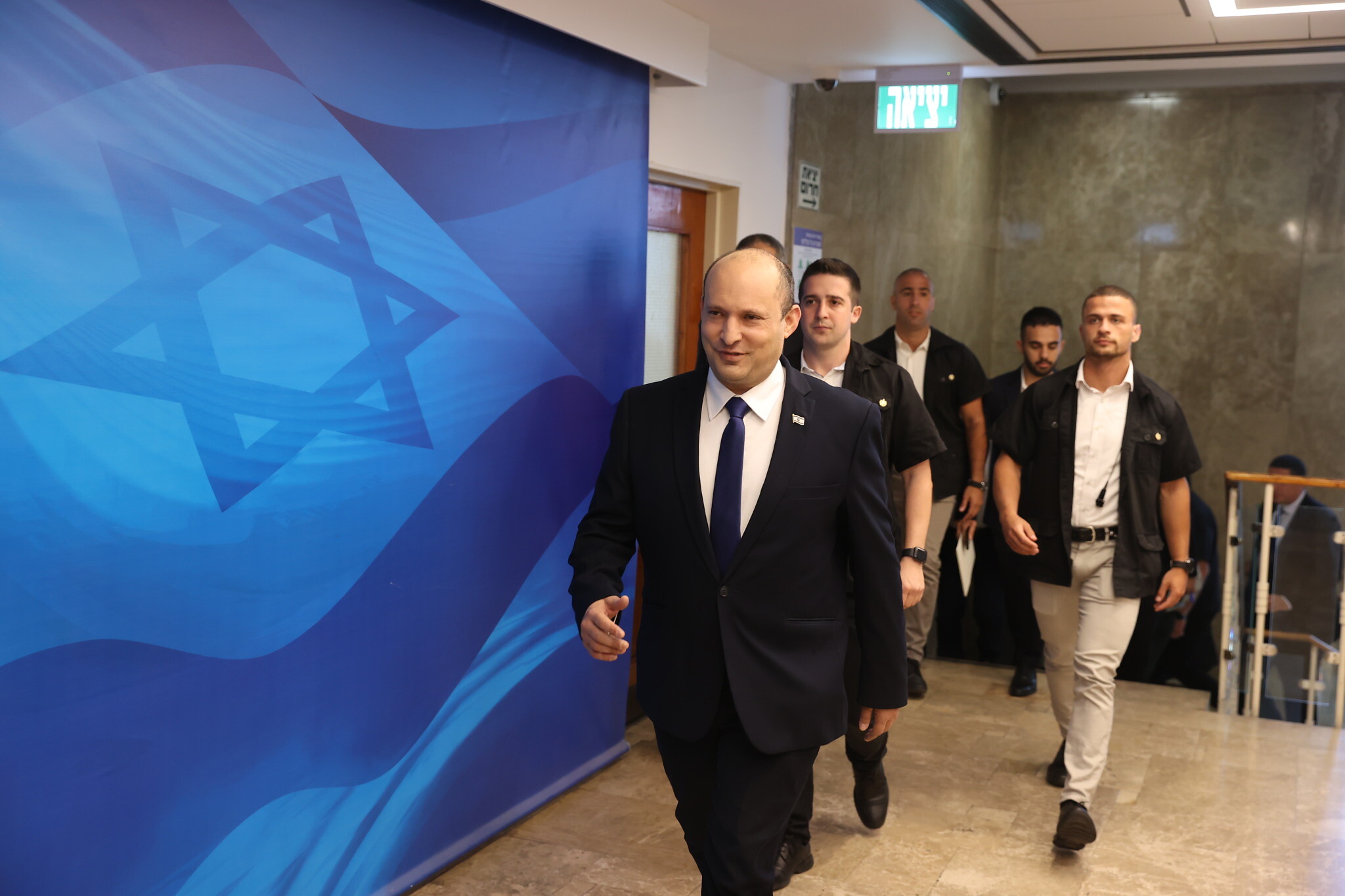
The new government, which won confirmation by the Knesset last week with a razor-thin majority of 60-59 voters in the 120-seat parliament, brings together an unprecedented eight parties from across the political spectrum into the coalition.
“We have come here to serve the people. All ministers share in this understanding: We are not the bosses of the citizens of Israel, we work for the citizens of Israel. This is the spirit that prevails among all members of the government,” Bennett said, adding that the new ministers were determined to make the government work “for the benefit of the public.”
Referring to his coalition of divergent lawmakers, Bennett said, “Now is the time for unity and unity is in itself a critical goal.”
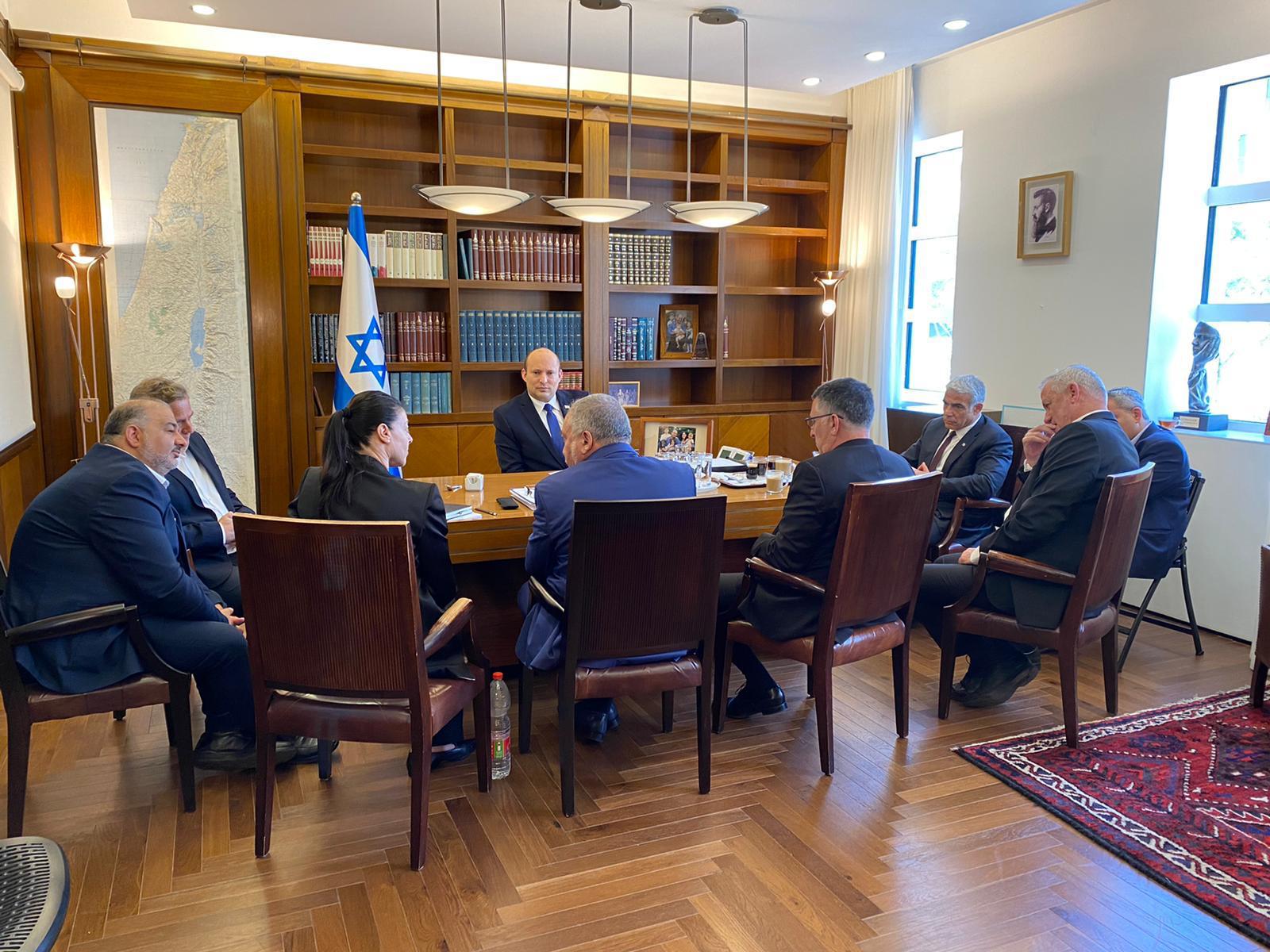
Referring to the state commission of inquiry into the Meron disaster, Bennett said: “As we promised, we are submitting for government approval the proposal of my friends, Defense Minister Benny Gantz and Finance Minister Avigdor Liberman, to establish a state commission of inquiry into the Mount Meron disaster. Forty-five people lost their lives in that awful disaster and the responsibility for learning the lessons and preventing the next disaster is on our shoulders.”
Bennett added: ” A commission cannot bring back those who have perished but the government can do everything to prevent unnecessary loss of life in the future.”
“Each of the ministers has already started working. I got to talk to each of you in the last few days,” he said. “The overall transition was smooth and good, and the ministers are full of desire to move forward.”
In his opening remarks, Bennett also referred to the election of the new hardline Iranian president, Ebrahim Raisi, saying: “It was not the public who chose him but [Supreme Leader Ali] Khamenei.”
“They chose the hangman from Tehran,” Bennett said, referring to Raisi’s nickname, which refers to his track record of overseeing thousands of executions in the Islamic Republic. “This is the position of the State of Israel.”
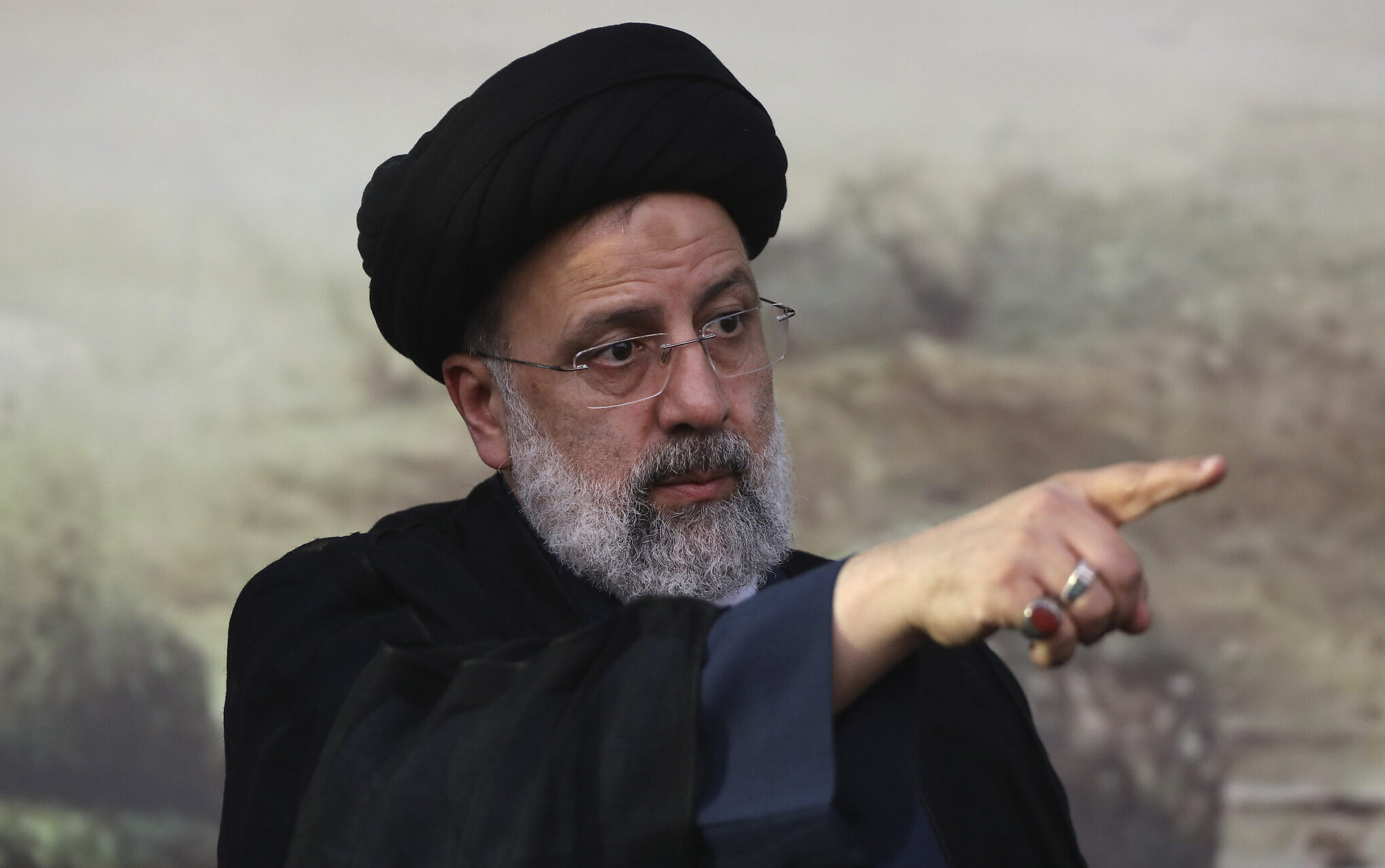
He said that the new government would follow the previous Israeli administration’s policy of determinedly opposing Iran reaching a nuclear weapon.
“A regime of brutal hangmen must never be allowed to have weapons of mass destruction that will enable it to not kill thousands, but millions,” the prime minister said, speaking briefly in English. “Raisi’s election is, I would say, the last chance for the world powers to wake up before returning to the nuclear agreement, and to understand who they are doing business with. These guys are murderers, mass murderers.”
Prime Minister Naftali Bennett, at the weekly Cabinet meeting:
"This weekend, Iran chose a new president – Ebrahim Raisi. Of all the people that Khamenei could have chosen, he chose the 'Hangman of Tehran'https://t.co/A0XXRgL1c8 pic.twitter.com/CnINsYJQcs— Prime Minister of Israel (@IsraeliPM) June 20, 2021
Last week, it was reported that Bennett was hoping to use the coming weeks, ahead of Raisi’s inauguration, to hold talks with Washington in order to positively influence the expected US return to the nuclear deal.
The report said Bennett had lifted a ban by his predecessor Netanyahu on Israeli officials discussing the details of the emerging renewed deal between the US, world powers and Iran. Netanyahu had instructed security officials not to hold talks on the details of the deal with American officials, in an apparent effort to distance Israel from it.
At Sunday’s meeting, ministers also voted to approve the appointment of 36 ambassadors and consuls general whose postings had been held up by Netanyahu for over half a year.
The appointments include key postings, including Haim Regev as head of mission to the European Union, Daniel Zohar-Zonshine as ambassador to Brazil, Gilad Cohen as ambassador to Japan, and Eitan Surkis as ambassador to Jordan. Ambassadors were also approved to be sent to key European allies, including Poland, the Czech Republic, and Cyprus.

The cabinet also extended Lt. Gen. Aviv Kohavi’s tenure as head of the Israel Defense Forces for an additional year. With the government’s approval, Kohavi will remain in the position until at least January 16, 2023, having entered the position in early 2019.
“The nation of Israel can rest peacefully in light of the fact that Chief of Staff Kohavi will continue to lead the Israel Defense Forces in the face of the operational challenges facing the State of Israel,” said Bennett in a statement.
Gantz, who proposed Kohavi’s extension, lauded the army chief, saying he led the military to “unprecedented operational achievements” in last month’s Gaza conflict.
“The extension of his tenure was the right thing to do for the security of Israel and I applaud it,” the defense minister said.
IDF chiefs are automatically given three-year terms in the position, with the possibility of an extension. Most serve for four years, while a small number have served for longer.
Gantz, a former chief of staff himself, said at the cabinet meeting that he believed that the law should be amended so that the head of the army can serve in the position for five years. According to the Ynet news site, Bennett said the suggestion “made sense” and asked Gantz to prepare a formal proposal for consideration.
Later in the day, the security cabinet was to convene for the first time. According to Channel 12 news, the ministers in the forum were set to lay out the government’s policy vis-à-vis terror groups in the Gaza Strip.
Times of Israel staff contributed to this report.




The Times of Israel Community.