

In Knesset, Diaspora leaders vow to undo Western Wall decision
At emergency meeting in parliament, incensed representatives vow they won’t rest until pluralistic prayer pavilion reinstated
 Add ToI as a Preferred Source on Google
Raphael Ahren is a former diplomatic correspondent at The Times of Israel.
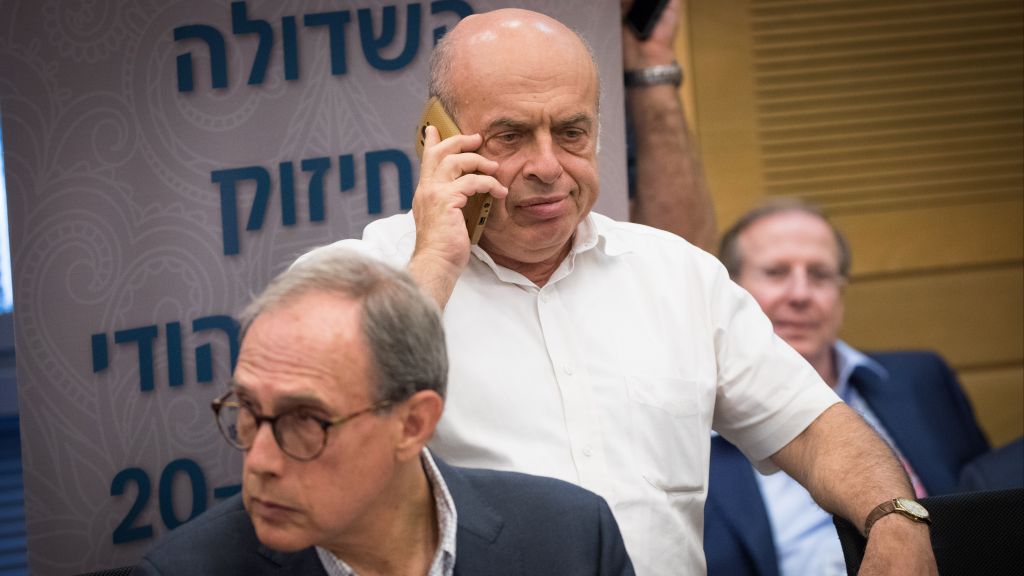
Dozens of Diaspora leaders and Israeli politicians — from the opposition and the coalition — vowed on Tuesday to fight the government’s decision to walk back its commitment to building an egalitarian prayer pavilion at the Western Wall.
At a hastily organized “emergency meeting” of the Knesset’s caucus for strengthening Israel’s relations with world Jewry, no concrete moves were announced to topple the decision, but representatives of Diaspora communities promised they would not rest until Sunday’s cabinet vote is overturned.
Yet they assured their Israeli hosts that their commitment to the unity of the Jewish people and their support for the State of Israel remain sacrosanct. At one point, the participants spontaneously started singing, “Hineh ma tov uma na’im shevet ahim gam yahad” (“Behold, how good and how pleasant it is for brothers to dwell together in unity”).
In a relatively calm session — there was only one shouting match during the two-and-a-half hour debate, which is almost unheard-of in Israel’s parliament — opposition lawmakers sharply criticized the government’s about-face regarding non-Orthodox prayer at the Western Wall. Representatives of the governing coalition tried to reassure the incensed Diaspora leaders that the last word has not been spoken on the ruptured deal, implying that it was still possible to overturn Sunday’s cabinet vote and return to the status quo ante.
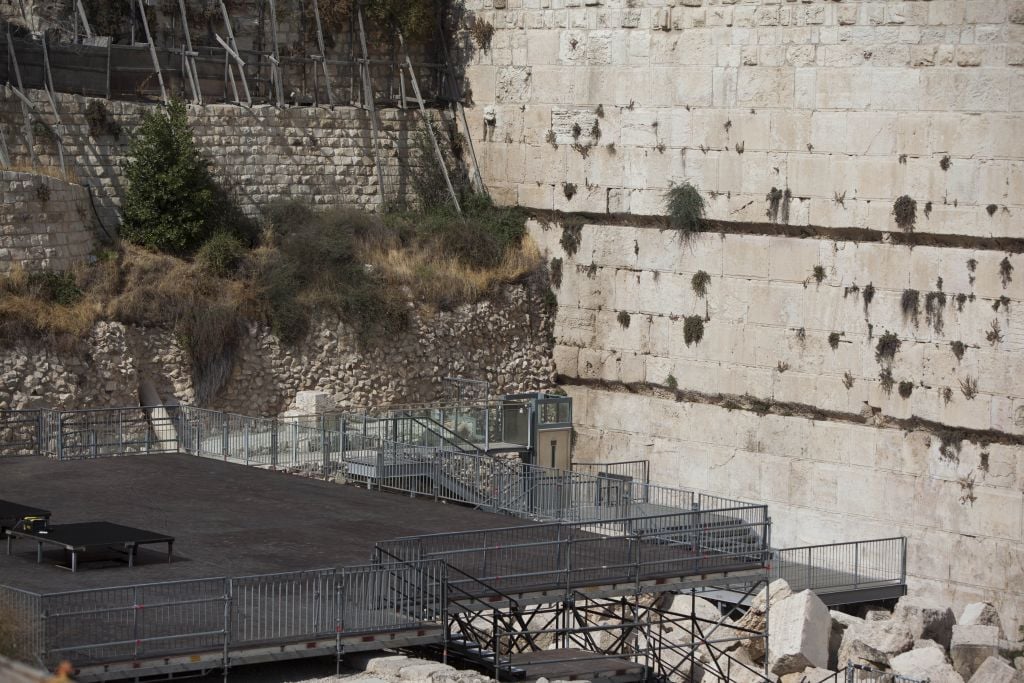
“It’s a watershed [moment]. I feel disgraced by the government’s decision and I and so many Jewish people around the world feel offended. Therefore, we must not be polite,” said opposition leader Isaac Herzog.
“The Wailing Wall has seen pain for 2,000 years. It has seen tears, divides, it has seen tragedies. It has also seen the reunification of Jerusalem and the Jewish people. And now it has become a place of division for our people, and that’s unacceptable.”
Herzog slammed the government for not having “the guts and the courage to say stop,” and to stand up to the demands of the ultra-Orthodox factions, which opposed the January 2016 agreement that called for a significant upgrade to the non-Orthodox prayer platform at the holy site.
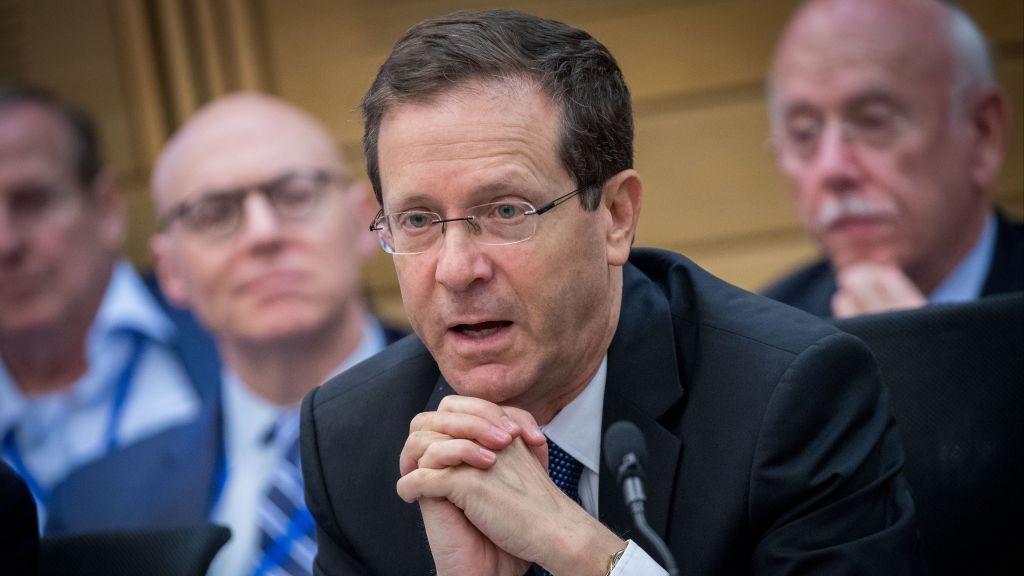
“This is a disgrace and I offer my apologies together with so many Israelis who believe that there should be equality for all,” Herzog said. “We must do whatever we can to change this dangerous course. It’s a course that could lead to a difficult division in our people and undermine the strength of Israel.”
Jewish Agency chairman Natan Sharansky, who had sharply criticized the government’s decision to freeze an agreement he worked for years to negotiate, in his remarks focused on the fact that Tuesday’s “emergency meeting” brought Israeli lawmakers and Jewish leaders into a room on such short notice. “I very often was upset that we don’t have discussions over Diaspora-Israel relations inside the Knesset. I’m very happy that this time it’s different. But the reasons that made this meeting possible are very, very unfortunate,” he said.
Deputy Minister of Diplomacy Michael Oren recalled that he grew up in the Conservative Movement, then joined the Reform Movement and later a Modern Orthodox community.
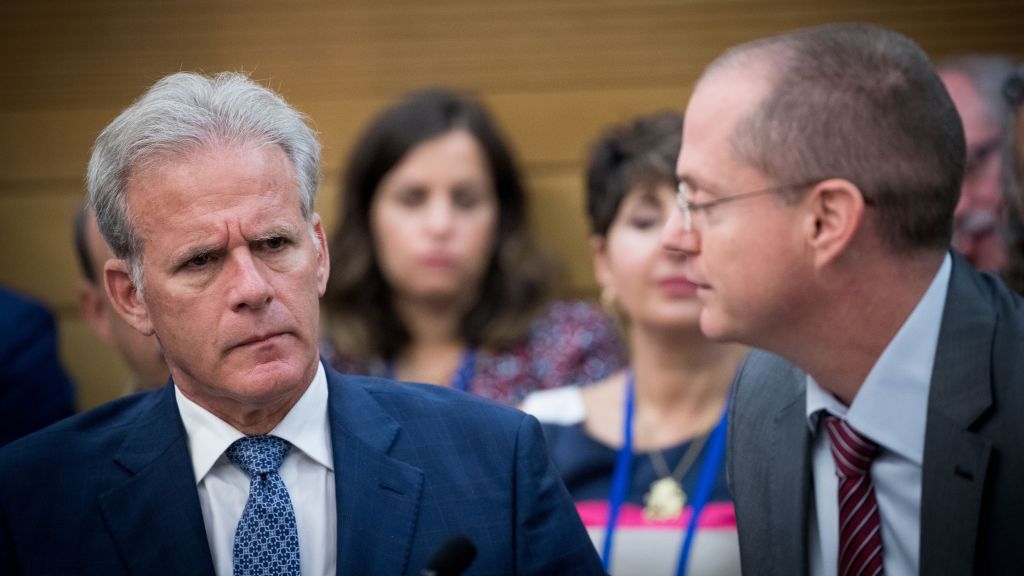
“[Israel] was created as a homeland for the Jewish people, not as a homeland for the Jewish religion, but for the Jewish people, irrespective of how they practice or choose not to practice their religion. And the arrangement at the Wall was the realization of that Zionist ideal,” he said.
Suspending the agreement on the Western Wall not only “goes against the very raison d’être of what this country is about” but would also harm Israel’s economic and security interests, he argued.
Oren, a former Israeli ambassador to the US, vowed to fight his own coalition’s policy. “This is only the first round,” he said. “This is a battle for Israel’s soul, nothing less. And I am proud to stand with Jewish leaders and friends from around the world in fighting that battle. And I am convinced that we will win.”
Michael Siegal, who just a day earlier was elected chairman of the Jewish Agency’s Board of Governors, pledged not give up fighting the government’s decision.
“This issue is not going to go away for us,” he said. “There is always this thought that these are the headlines of today, and tomorrow maybe Scuds falling here, or rockets falling there, and that the media will move on to the next story and that we will forget about it, and that’s not that big of a deal. We are committed to a course of action here to overturn these really kind of repugnant decisions.”
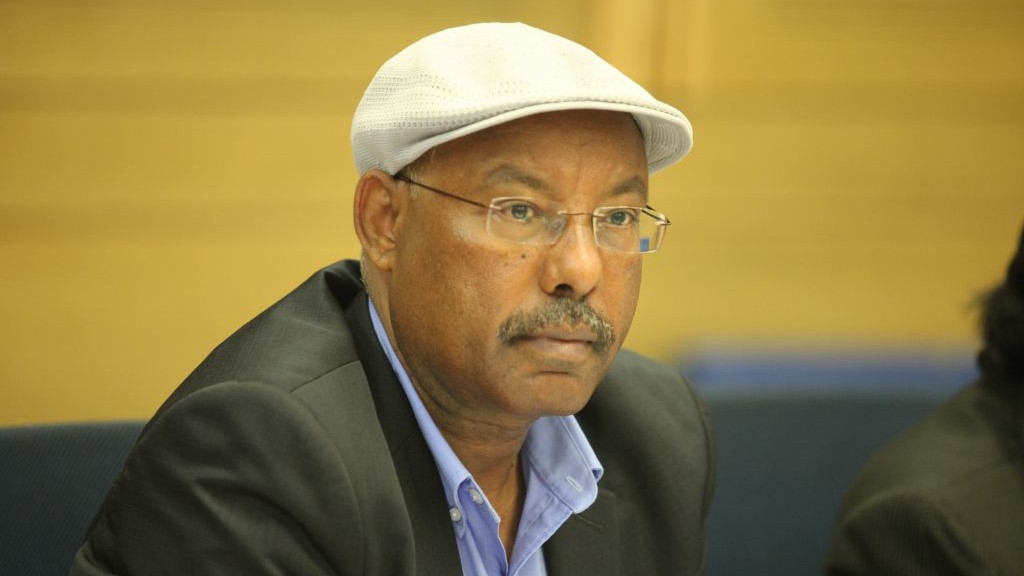
Likud MK Avraham Neguise said that Israel should embrace all Jews irrespective of their religious orientation, but when he insisted that the current crisis was “not a political issue,” lawmakers from the opposition Yesh Atid party started shouting that it was his prime minister who was responsible for it.
He countered that it was the current government that had reached the agreement, indicating that it will once again find a way to bridge the gaps.
While he didn’t mask his opposition to the government’s decision, Richard Sandler, the president of the Jewish Federations of North America, stressed that he “will not allow our constituencies at home abuse this crisis for their own agendas.” Some Jews may be angrily protesting Sunday’s cabinet vote and promising to cancel donations and trips to Israel, but “most are not,” he said.
North American Jews are speaking up for Israel in Congress, on campuses and in the media, he added, “but whatever we do to defend you is just a fraction of what you do to defend us.”
The president of the Union of Reform Judaism, Rabbi Rick Jacobs, said there were more than 3 million Reform and Conservative Jews in the US “who love the State of Israel” but now feel delegitimized and “pushed away” by the government in Jerusalem.
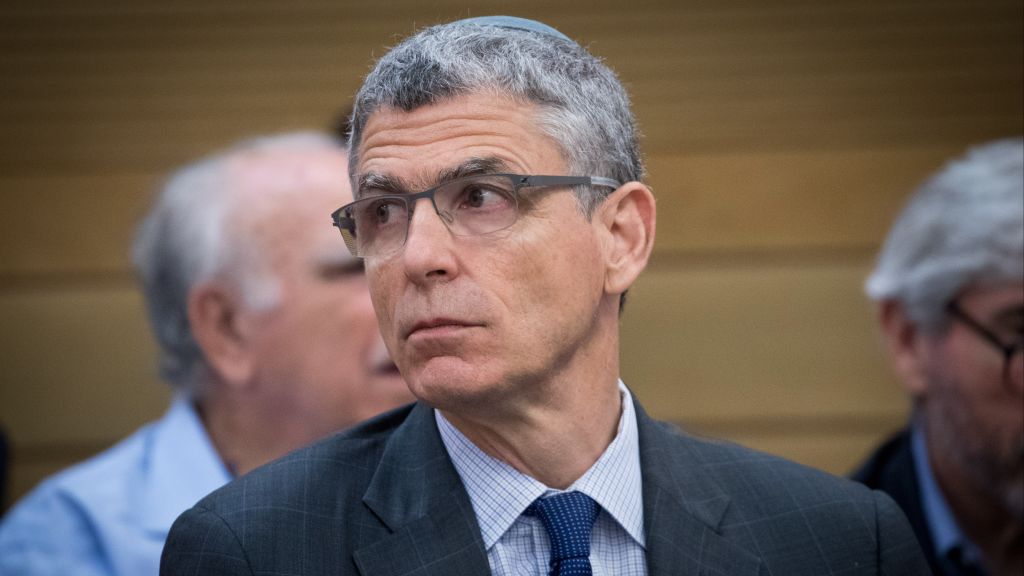
“Freedom of religion is not a nice favor that the government of Israeli government might extend to us like a cookie. It’s a right. It’s a right in a Jewish democratic state. And that’s worth fighting for,” he said.
Likud MK Benny Begin said the Western Wall was primarily a “national site” that inspires him to connect with his ancestors and Jewish people all over the world. While expressing some understanding that the prime minister has to navigate a complicated coalition system, he said that all religious streams should be allowed to pray there as they see fit.
“I am very sorry for the recent developments. I am deeply sorry,” he said. He added, however, that the 2016 compromise “did not fall apart” and could yet be revived.
Regional Cooperation Minister Tzachi Hanegbi, who was tasked by Netanyahu to head a team trying to negotiate a new agreement, spoke at the end of the mammoth session, which was conducted entirely in English.
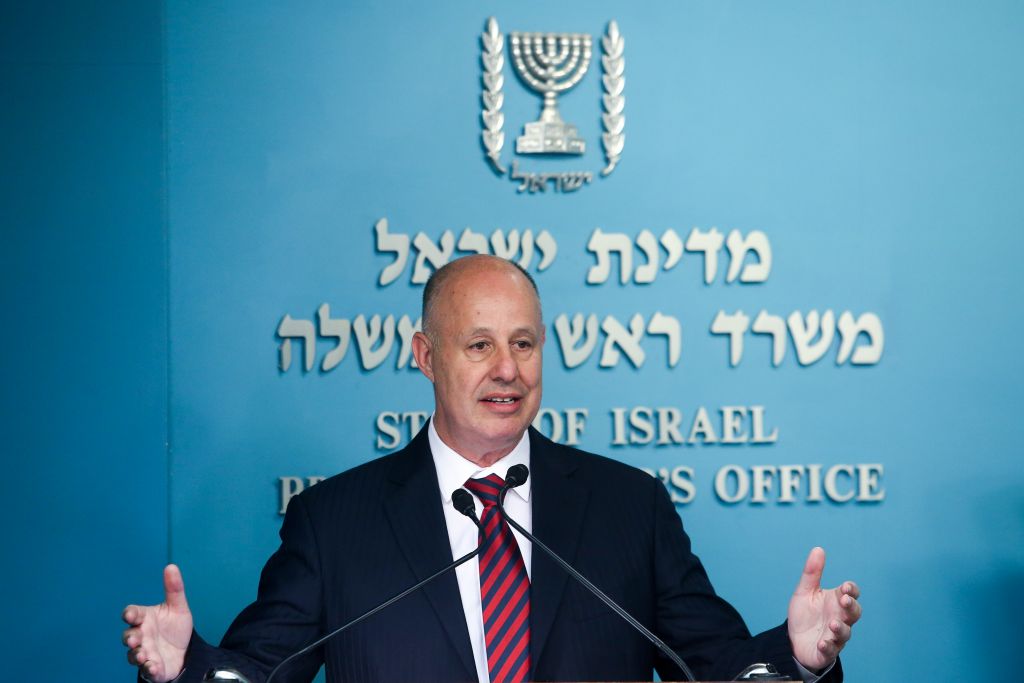
“In my new capacity as the magician, or maybe Tom Cruise in ‘Mission Impossible,’ I have to listen more and speak less,” he said at the beginning of his remarks. He went on to state that, personally, he thought the agreement over the Western Wall was “genius, perfect, because everyone supported and opposed it with the same passion.”
January 2016, when the deal was made, “felt like a moment of goodwill,” he said, though soon after it became clear that it “would be very difficult to implement it” due to the pressure from the ultra-Orthodox factions in the coalition.
“I still believe that it’s a good compromise. It didn’t evaporate. Maybe it was put on hold because of the legal issues that you’re all aware of, but it’s definitely there, waiting for the renewal of the dialogue.”



The Times of Israel Community.