

In letter, Iran’s Khamenei urges Gulf rulers to confront ‘real enemy’ US, Israel
Supreme leader urges cooperation, mutual defense between Muslim nations, suggests lack of unity left Palestinians ‘helpless’; Turkey, Saudis, Pakistan to meet on new defense accord
 Add ToI as a Preferred Source on Google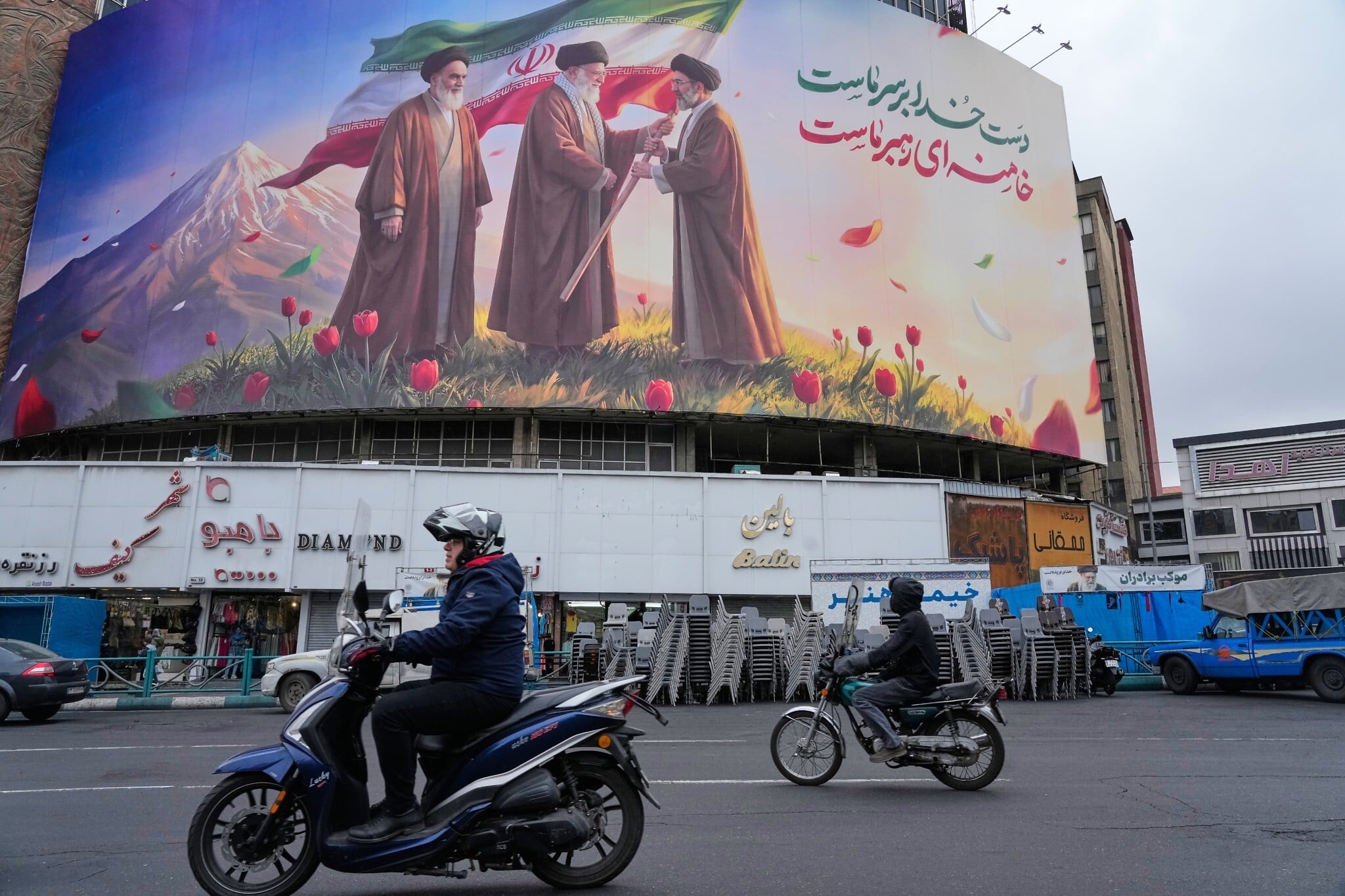
Iran’s supreme leader Mojtaba Khamenei on Sunday called on leaders of Muslim countries, and particularly those in the Gulf, to stand together against Israel and the United States, imploring them to “know your real enemy.”
The written message addressed to religious leaders who attended a conference in Tehran was published on Khamenei’s Telegram account for Islamic Unity Week, which marks the birthday of Islam’s Prophet Muhammad.
It called for Muslim unity, cooperation in various fields, and mutual defense, saying anyone who creates division among Muslims, “knowingly or unknowingly,” helps Islam’s enemies.
“The solution to the problems of the Islamic nations is unity of words, friendship, and cooperation on the path of goodness,” Khamenei wrote. “Anyone, in any position, who does anything that leads to division among Muslims and creates conflict in the Muslim community, knowingly or unknowingly, intentionally or unintentionally, has served the purpose of the enemies of Islam.”
“My enduring and repeating advice to rulers of Islamic nations,” he wrote, “is to know your real enemy, understand its plans and confront it.”
He asked whether Palestinians would have been left “so helpless” if Muslims had been united.
Khamenei has not been seen in public since being injured in the US-Israeli airstrikes on February 28 that launched the Iran war and killed his father and predecessor as supreme leader, Ali Khamenei.
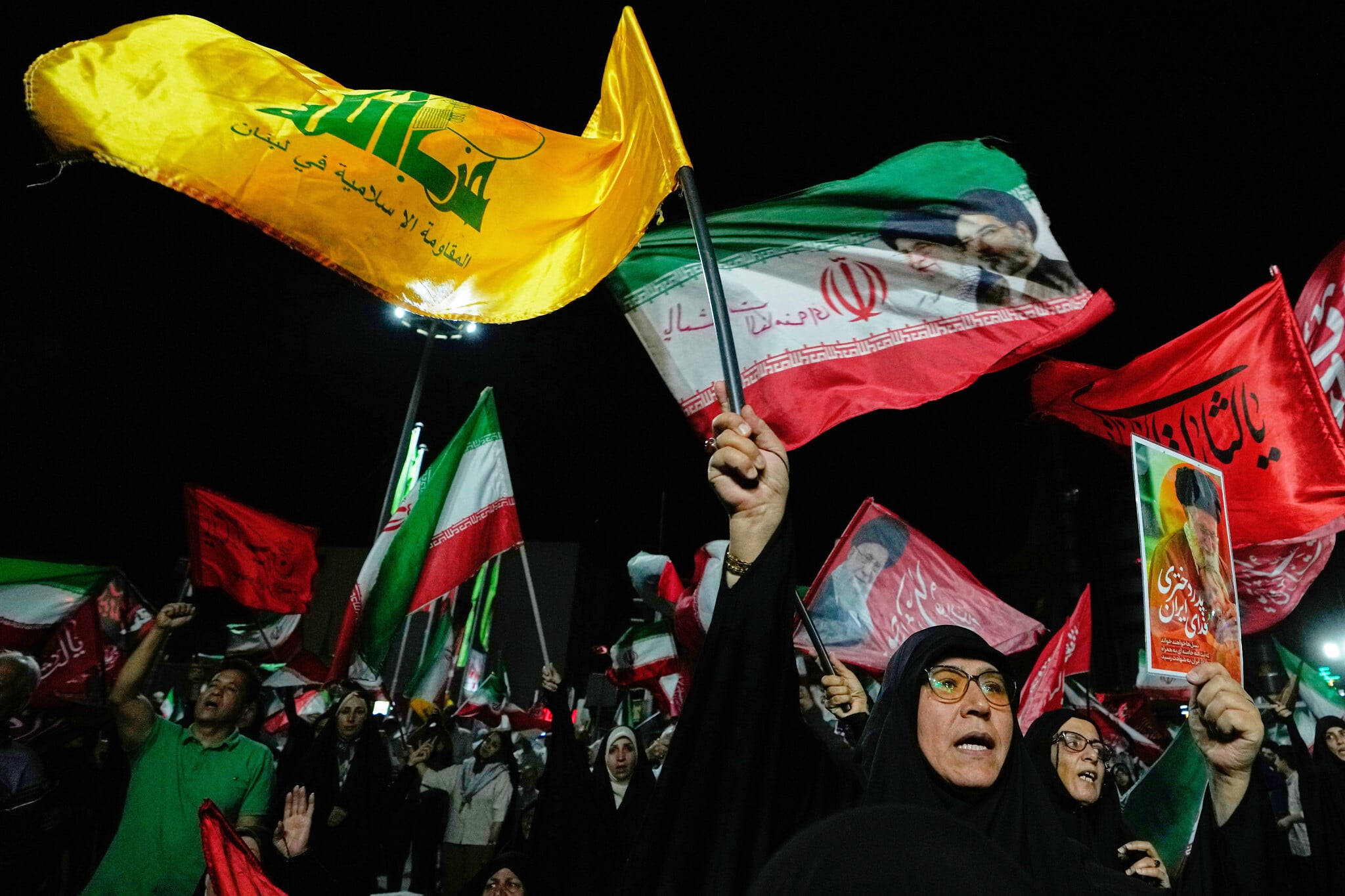
His call for Muslim unity echoed a statement he made on Friday to Iranians, when he said he had banned actions that harm social cohesion and urged authorities to avoid “discouraging statements” that weaken national and public morale.
Khamenei specifically asked Gulf Arab rulers whether “rogues without identity” would have dared to covet their lands and possessions if the peoples and governments of the Gulf had been “united under the flag of Islam.”
Since the 1979 Islamic Revolution, Gulf Arab monarchies have viewed Iran’s revolutionary ideology, including its anti-monarchic rhetoric and regional influence, as a threat to their political systems.
Further souring relations during the present conflict, Tehran has repeatedly struck US military facilities and other infrastructure in Saudi Arabia, the United Arab Emirates, Jordan, Kuwait, Qatar and Bahrain.
“My emphatic and repeated recommendation to the rulers of Islamic countries, especially the countries of West Asia and the Gulf, is to identify your real enemy, understand his plan and confront it,” Khamenei said.
Turkey, Saudi Arabia, Pakistan to meet on new defense accord
The appeal to Muslim leaders was published ahead of Monday’s scheduled first committee meeting between top officials from Turkey, Saudi Arabia and Pakistan under the joint defense accord they signed this month.
The “Mecca Joint Defense Agreement,” signed on August 7, brought together Sunni Muslim US allies concerned by the Iran war and regional conflict that has led to Iranian missile fire on Gulf oil exporters.
It is intended to strengthen collective deterrence against any act of aggression and stipulates that an armed attack against any of the three would be regarded as an attack on all, similar to NATO’s Article 5 collective defense clause.
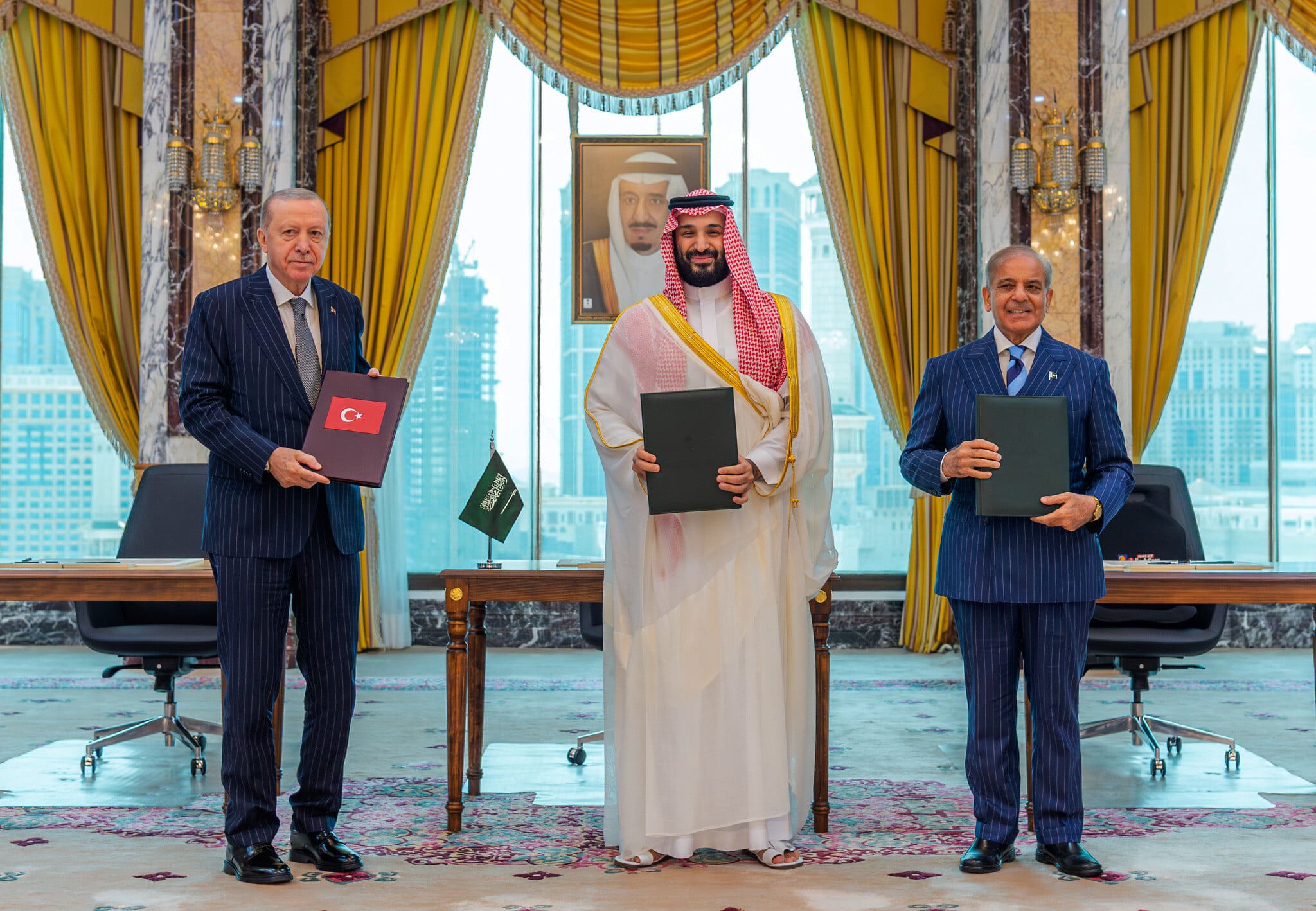
Foreign and defense ministers, as well as the chiefs of staff, of the three countries will attend the meeting in Istanbul, a Turkish foreign ministry source said.
“International security issues will be on the agenda,” the source said, with discussions expected to cover enhancing defense capabilities, greater interoperability among their armed forces and deepening cooperation in the defense industry, including joint production and development.
The three nations share concerns about the military stances of Israel and Shiite Iran, as long-time ally the US struggles to contain regional upheaval that has caused a global energy crisis.
Turkey, which has NATO’s second-largest military, has said the pact with nuclear-armed Pakistan and top oil exporter Saudi Arabia was open to expansion — with Egypt as a potential candidate — and did not seek to replace existing alliances.
Prolonged Iran campaign invites risk, Hegseth told
Six months after the US and Israel launched the war against Iran, negotiations are at an impasse and US President Donald Trump’s administration has stepped up efforts to punish Iran financially with what it has billed as an “economic D-Day.”
As Trump keeps his focus on economic threats, The Washington Post reported on Sunday that top US military officials warned US Defense Secretary Pete Hegseth that dragging out the full-scale campaign against Iran is unsustainable, because it is straining the military’s readiness and compromising its capability to respond to other threats around the world.
According to the report, the warning was outlined by the chiefs of the Army, Navy, and Air Force, along with other top officers in an August 14 document presented to Hegseth.
A person with knowledge of the military’s position told the Post the general assessment is that the campaign has been “too much for too long.”
The warning to Hegseth was not the first of its kind, and last week a US defense official in Europe told the Associated Press that the war with Iran had created a “beyond critical” shortage of advanced missile interceptors in Europe.
Specifically, the official said the most concerning shortfall involved Patriot missile interceptors, which can shoot down Russia’s high-speed ballistic missiles.










The Times of Israel Community.