

Iran condemns deadly Sydney cafe siege
Home country of suspect denounces ‘inhuman acts’ which are not ‘in any way justifiable’
 Add ToI as a Preferred Source on Google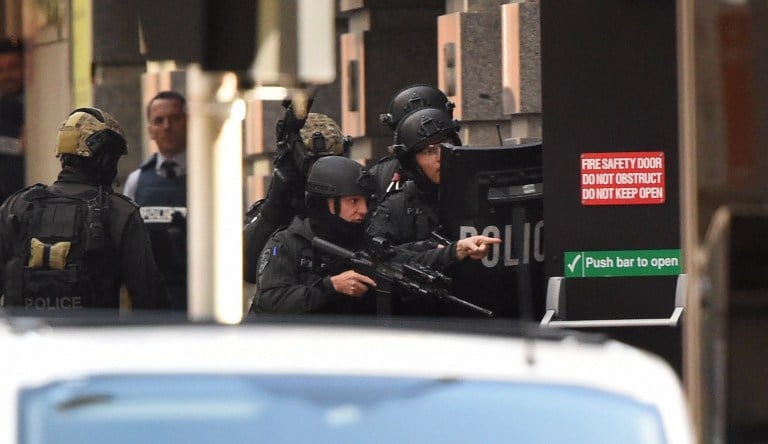
Tehran on Monday condemned the deadly hostage-taking in Australia reportedly by an Iranian-born gunman, branding it an act foreign to Islam, state media quoted a government official as saying.
“Undertaking such inhuman acts and provoking fear and panic in the name of merciful Islam is not in any way justifiable,” Iranian foreign ministry spokeswoman Marzieh Afkham said, according to IRNA news agency.
Hostage-taker, Man Haron Monis, an Iranian granted political asylum in Australia in 1996, was killed along with two of his 17 hostages when police stormed a Sydney cafe early Tuesday to end a day-long siege.
“The psychological state of mind of this individual, who took refuge in Australia almost two decades ago, has been discussed several times with Australians officials, who knew his (mental) condition,” said Afkham.
Australian media called 50-year-old Monis a “self-styled sheikh” with a history of violent offenses and who was on bail on charges of being an accessory in his ex-wife’s murder.
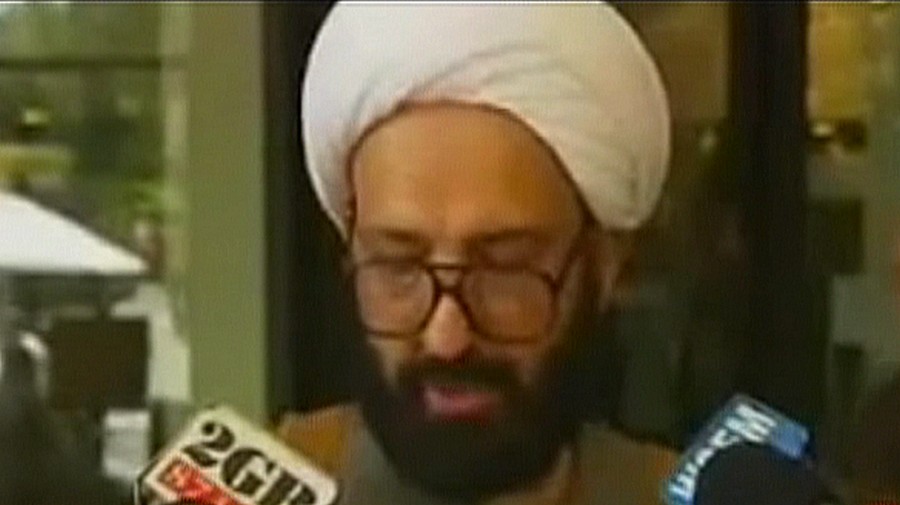
Iranian media identified him a Mohamad Hassan Manteghi, a former Shiite cleric who changed his name when he moved to Australia.
A month ago, according to Iranian media, Monis declared on his official website allegiance to the leader of the jihadist Islamic State group, a Sunni-led organization that considers Shiites as heretics.
In Australia, Monis’s former lawyer, Manny Conditsis, said the public could be assured that the siege was not the work of an organized terrorist group.
“This is a one-off random individual,” he told broadcaster ABC. “It’s not a concerted terrorism event or act. It’s a damaged goods individual who’s done something outrageous.”





The Times of Israel Community.