

West Bank barrier won’t cut through ancient village
Joint petition by Palestinians and settlers halts fence construction at UNESCO World Heritage site Battir
 Add ToI as a Preferred Source on Google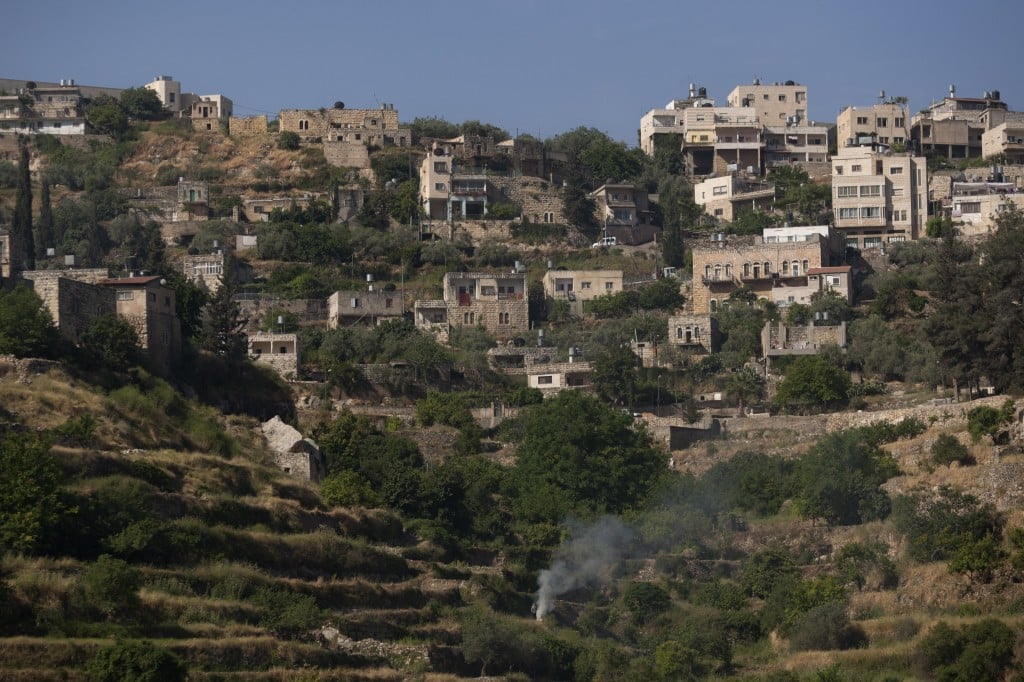
Israel does not intend to build its security barrier through the lands of a Palestinian village south of Jerusalem renowned for its ancient irrigation system, court documents showed Sunday.
Residents of Battir, which straddles the Green Line, had in 2012 petitioned Israel’s Supreme Court over Defense Ministry plans to construct the barrier adjacent to and, in places, through their Roman-era terraces.
The agricultural community in the West Bank was granted UNESCO endangered World Heritage status in June.
On Sunday, the court announced it was erasing the petition, because the Defense Ministry had said it did not intend to build in Battir at this time.
“At this stage, the defense minister’s stance is that constructing the fence on this route, while stressing its security importance, is not a priority,” the court said.
It emphasized that the state would have to inform the petitioners at least 60 days in advance if it intended to renew any bid to construct the barrier there.
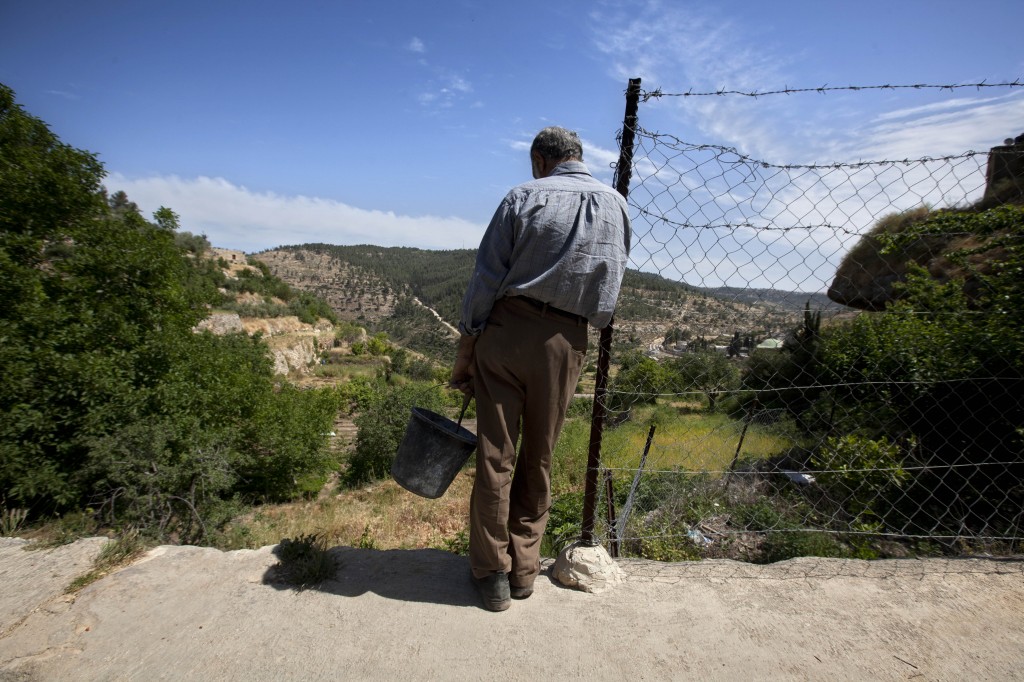
The Battir area is one of the last remaining openings to the West Bank from southern Jerusalem.
Israel began building the barrier in 2002 to thwart a wave of Palestinian suicide bombings. Palestinian petitioners have repeatedly appealed to the Israeli Supreme Court to shift its route, which initially took in some 14 percent of the West Bank and now takes in about 7%.
Friends of the Earth Middle East (FoEME), which, along with Battir residents, filed the petition, called the court decision “an important win” and “a beacon of hope for a better future in our region.”
Israel’s Nature and Parks Authority, as well as local Jewish settlers, had also opposed building the barrier in Battir.
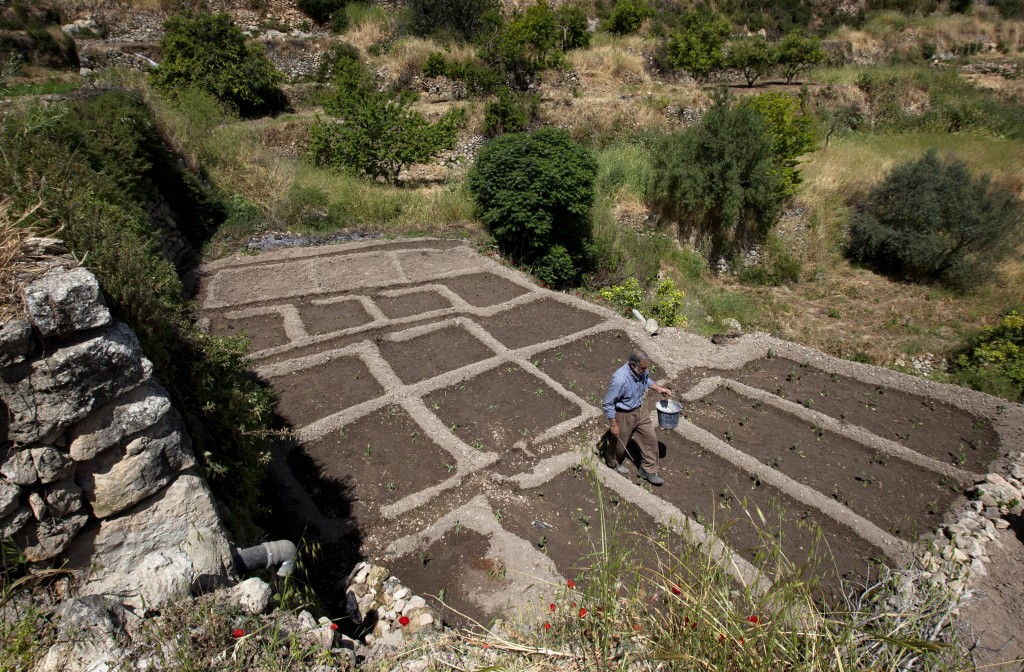
The village is famed for its ancient terraces and Roman-era irrigation system, which is still used by villagers for their crops.
The landscape encompasses a series of agricultural valleys with stone terraces irrigated for the production of vegetables, vines and olive trees.
It is dotted with ancient villages, fortifications and graves.
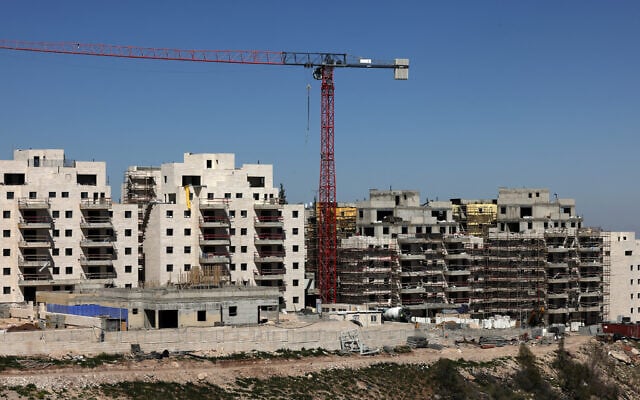
UN figures show that Israel has already built around two-thirds of the barrier — a network of fences, walls, trenches and closed military roads that will extend 712 kilometers (442 miles) when completed, separating most of the West Bank from Israeli territories.









The Times of Israel Community.