

Israeli chef brings Jerusalem of gold to the New World
In new cookbook, co-owner of Philadelphia’s acclaimed Zahav restaurant Michael Solomonov shares his journey into the world of Israeli cooking
 Add ToI as a Preferred Source on Google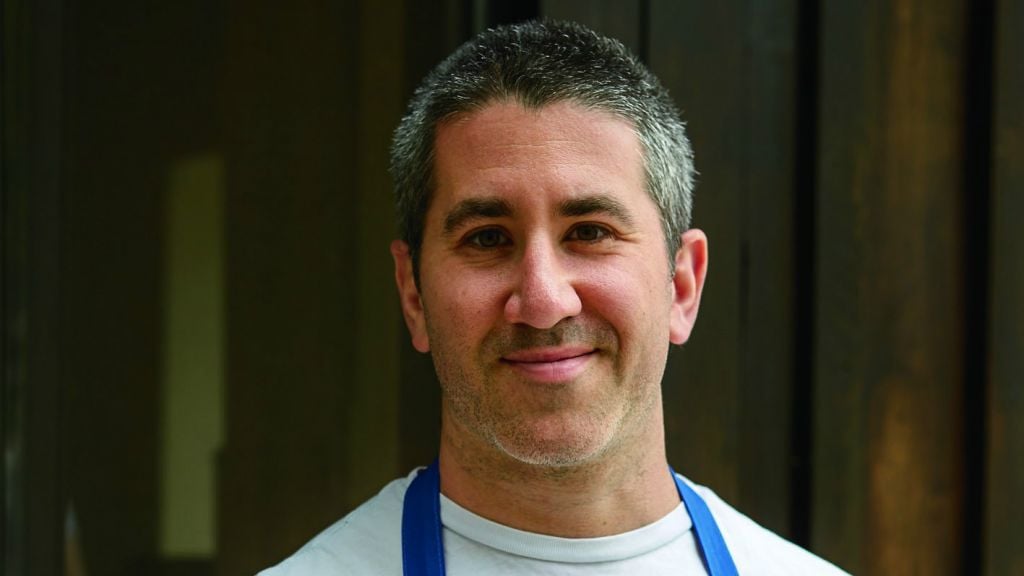
NEW YORK — Michael Solomonov doesn’t have typical days anymore. Although the Israeli-American chef behind Philadelphia’s popular Zahav restaurant usually begins his days by eating breakfast with his wife and two sons, dropping them off at work and daycare, then hitting the gym — that is where routine ends.
He might spend the next few hours at Zahav, discussing business matters with his partner, Steve Cook, or they might stop by one of the other restaurants he and Cook own. Most days, Solomonov is back at Zahav in the late afternoon, working the bread station and greeting his evening diners.
Both Philadelphia residents, Solomonov lives in the Old City and Cook in South Philly. The pair are growing their restaurant empire and recently opened a casual “hummusiya” (humus joint) called Dizengoff. They also own Abe Fisher, an Ashkenazi style restaurant, Federal Donuts, whose menu consists of fried chicken and donuts, and the Percy Street Barbecue.
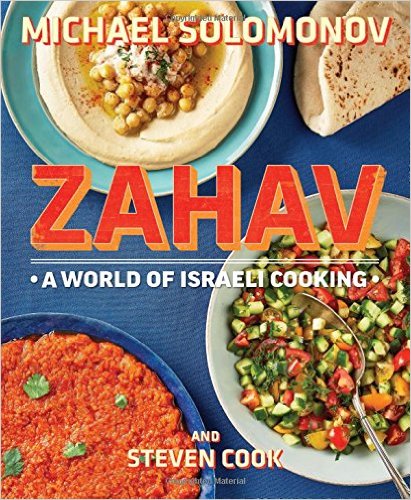
And now their schedule is getting even busier with a book tour upon release of a new cookbook, “Zahav: A World of Israeli Cooking.” They recently spent a couple of days in New York to do some interviews for the book release which culminated with an event at the 92nd Street Y on the Upper East Side of Manhattan with a discussion between Solomonov and The New York Times columnist Frank Bruni.
Partly a memoir, in “Zahav” Solomonov presents himself as an ambassador of sorts, introducing ingredients that may be unfamiliar such as amba (a mango-based curry sauce), hawaij (a cumin-ginger spice mix), and labneh (a sour white cheese), explaining what makes a basic like tehina (sesame seed paste) so important, and prefacing his recipes with personal anecdotes. Solomonov recounts his road to celebrity chef-dom with detours that included drug addiction and loss. In person, Solomonov is warm and soft-spoken, often cracking jokes. His energy comes through in his writing.
However, when The Times of Israel met the two hardworking chef-entrepreneurs in a small conference room at the 92nd Street Y before the book talk, the two men, both in their late 30s, were visibly exhausted, slumping in their chairs.
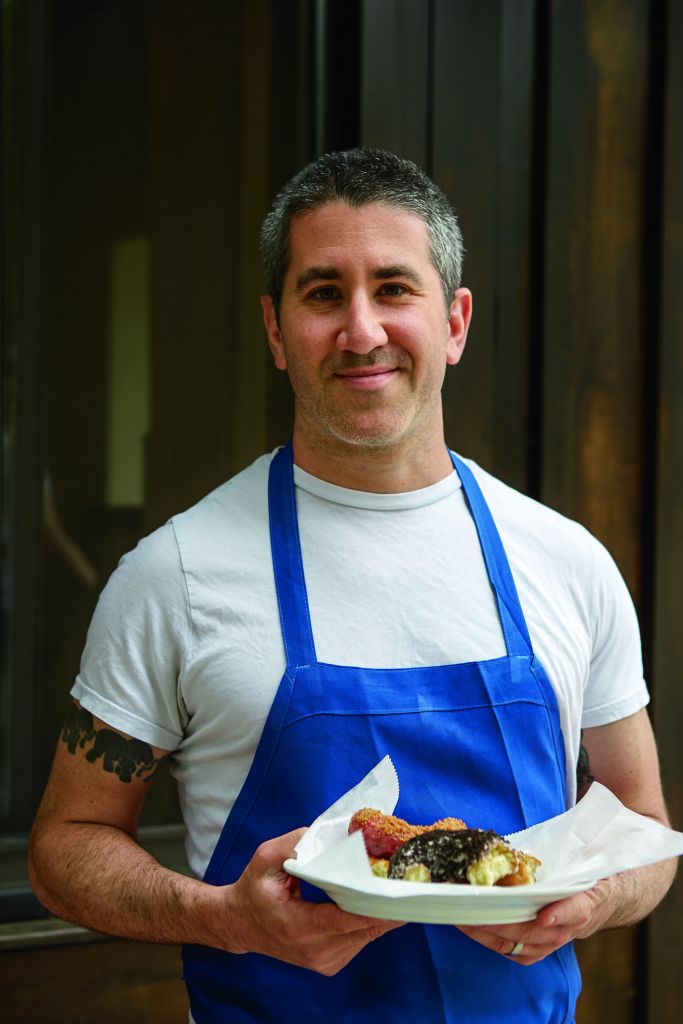
Cook, who is serious and quiet, and normally remains in the background, wore a T-shirt and khakis, while Solomonov, the more outspoken of the two and the public face of their restaurant company, CookNSolo, wore a fitted and tattoo-exposing T-shirt and jeans — the type of outfit he wears often in the pages of the Zahav cookbook. (He put on a collared plaid shirt for his event.)
The restaurant is kosher style, meaning milk and meat aren’t served together, and there are no shellfish or pork on the menu. Born in Ganei Yehuda, Solomonov said that kashrut, even when followed loosely, is what distinguishes Israeli cuisine from other types of Mediterranean food. (The new cookbook is an opportunity for those who are more strictly kosher to try the food at home.)
“A sense of kosher, a weekly dinner for Shabbat, even if they’re not followed strictly” those are things that most Israelis have in common, Solomonov told The Times of Israel.
Israeli-ness is used as a spice at Zahav. At a recent meal there, my sabra husband chuckled when the enthusiastic waitress encouraged us to open our meal not with appetizers, but with “salatim” (small dishes of various vegetable salads) and explained that the laffa bread we were about to enjoy with our buttery Turkish-style hummus was baked in a “taboon.” Our receipt thanked us for coming with both “thank you” and “todah rabah.”
Not only is Israeli culture reflected in the food, décor, and ambiance of the restaurant, but it is the essence that Solomonov and Cook are trying to convey at the restaurant and in the cookbook — a sense of hospitality.
“We want people to feel comfortable and the method of hospitality is of making people feel warm and wanted, special, and taken care of,” said Solomonov.
“The manner in which you eat is almost as important as the food you eat — it’s based on the experience of eating in Israel, and the progression of the meal,” added Cook.
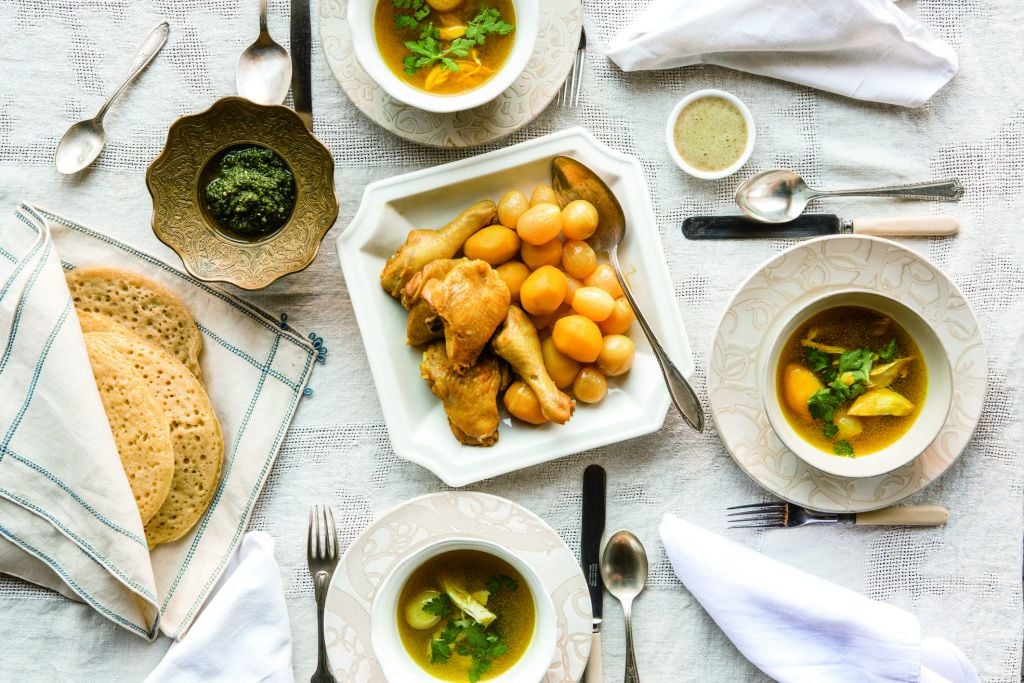
Solomonov said many of the foods in “Zahav” are traditional recipes, and that guests at the restaurant have complained that the foods sometimes don’t live up to their memories. Solomonov recalled a customer finding him at the bread station at Zahav, complaining that “the Moroccan carrots are wrong.”
It’s not uncommon for New York foodies to travel two hours to Philly to eat at a CookNSolo establishment. In a show of hands at the 92nd Street Y event, three quarters of the crowd said they had made the trip.
“There’s something very cool about having New Yorkers coming down to Philly for our food,” Solomonov told the crowd, a grin on his face. He and Cook confirmed that they are looking to expand, likely with another location of their humus joint Dizengoff, but would not say where or when.
Opening Zahav in 2008 was a risk. Not only was the country experiencing a recession, but fine Israeli cuisine hadn’t yet experienced the surge in popularity it has enjoyed in recent years. The gamble has paid off: the restaurant received critical acclaim and soon became popular with diners; Solomonov won the prestigious James Beard Award.
Besides teaching Americans about Israeli food in his restaurants and now in this cookbook, next spring PBS will air “The Search for Israeli Cuisine,” a documentary in which Solomonov explores Israel’s food scene on camera.
“There’s a sad but true saying that Israelis are always prepared for two things: war and barbecue,” writes Solomonov in “Zahav.”
“In the melting pot of Israel, everything goes, as long as it goes on the grill,” jokes Solomonov.
See below for a sneak peak of two recipes from ZAHAV by Michael Solomonov. Copyright © 2015 by Michael Solomonov, Steven Cook. Used by permission of Houghton Mifflin Harcourt Publishing Company. All rights reserved.
Hummus Tehina
By now, you will not be surprised to learn that the secret to great Israeli-style hummus is an obscene amount of tehina, as much as half of the recipe by weight, so it’s especially important to use the best quality you can find.
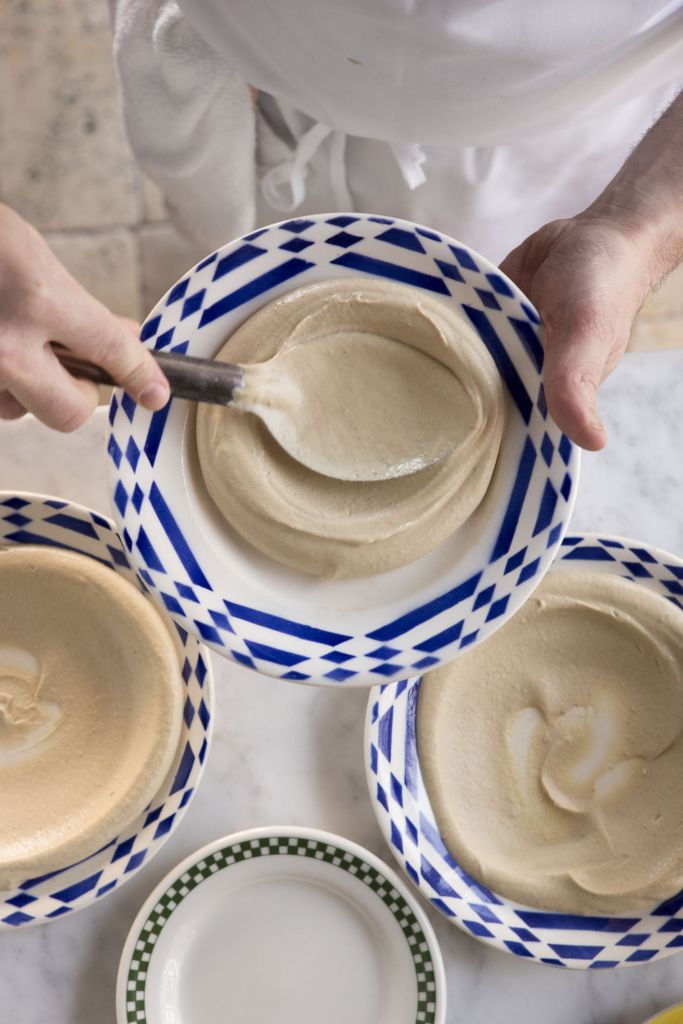
Unlike Greek-style hummus, which is heavy on garlic and lemon, Israeli hummus is about the marriage of chickpeas and tehina. In fact, with the exception of a dash of cumin, there are no other ingredients. The only lemon and garlic involved have been used in my Basic Tehina Sauce.
There are countless variations of hummus, but I’m not talking about black bean, white bean, or edamame hummus. Those might be perfectly nice dips, but since hummus is the Arabic word for chickpeas, that’s what we use. The variations are condiments spooned into the center of a bowl of pure hummus.
My favorite, and by far the most popular, is a plate of tehina-rich hummus garnished with — you guessed it — more tehina. Remember to leave time for dried chickpeas peas to soak overnight.
Makes 3½ cups
Ingredients:
1 cup dried chickpeas
2 teaspoons baking soda
1 ½ cups Basic Tehina Sauce (below), plus a bit more for the optional topping
1 teaspoon salt
¼ teaspoon ground cumin
Paprika, for garnish
Chopped fresh parsley, for garnish
Olive oil, for drizzling
Place the chickpeas in a large bowl with 1 teaspoon of the baking soda and cover with plenty of water. (The chickpeas will double in volume, so use more water than you think you need.) Soak the chickpeas overnight at room temperature. The next day, drain the chickpeas and rinse under cold water.
Place the chickpeas in a large pot with the remaining 1 teaspoon baking soda and add enough cold water to cover by at least 4 inches. Bring the chickpeas to a boil over high heat, skimming off any scum that rises to the surface.
Lower the heat to medium, cover the pot with a lid, and continue to simmer for about an hour, until the chickpeas are fully cooked and completely tender. Then simmer them a little more. (The secret to creamy hummus is overcooked chickpeas; don’t worry if they are mushy and falling apart a little.) Drain.
Combine the chickpeas, tehina sauce, salt, and cumin in a food processor. Puree the hummus for several minutes until it is smooth and uber-creamy. Then puree it some more! To serve, spread the hummus in a shallow bowl, dust with paprika, top with parsley, more tehina sauce if you like, and drizzle generously with olive oil.
Basic Tehina Sauce
Makes about 4 cups
This simple sauce is one of my basic building blocks and is so versatile that once you master it, there are a million things you can do with it. The important step here is to allow the garlic and lemon juice to hang out for ten minutes after blending but before adding the jarred tehina. This step helps stabilize the garlic and prevents it from fermenting and turning sour and aggressive, which is the problem with a lot of tehina sauces (and therefore the hummus made from them).
Because you’re making an emulsion (oil-based tehina incorporated into water and lemon juice), the tehina sauce can sometimes separate or seize up. Don’t panic! Keep a glass of ice water nearby and add it to the lemon juice — tehina mixture a few tablespoons at a time while you’re whisking, until your creamy emulsion returns.
Ingredients:
1 head garlic
¾ cup lemon juice (from 3–5 lemons)
Salt
2 generous cups tehina
½ teaspoon ground cumin
Break up the head of garlic with your hands, letting the unpeeled cloves fall into a blender. Add the lemon juice and ½ teaspoon of the salt. Blend on high for a few seconds until you have a coarse puree. Let the mixture stand for 10 minutes to let the garlic mellow. Pour the mixture through a fine-mesh strainer set over a large mixing bowl, pressing on the solids to extract as much liquid as possible. Discard the solids. Add the tehina to the strained lemon juice in the bowl, along with the remaining 1 teaspoon salt and the cumin.
Whisk the mixture together until smooth, adding ice water a few tablespoons at a time to thin it out. The sauce will lighten in color as you whisk. When the tehina seizes up or tightens, keep adding ice water, bit by bit (about 1½ cups in total), whisking energetically until you have a perfectly smooth, creamy, thick sauce. Taste and add more salt and cumin if you like. If you’re not using the sauce immediately, whisk in a few extra tablespoons of ice water to loosen it before refrigerating. The tehina sauce will keep for up to a week in your refrigerator and can be frozen.










The Times of Israel Community.