

Israeli movement language Gaga draws thousands with daily online classes
The body language style created by choreographer Ohad Naharin is finding new fans during the coronavirus crisis
 Add ToI as a Preferred Source on Google
Jessica Steinberg, The Times of Israel's culture and lifestyles editor, covers the Sabra scene from south to north and back to the center
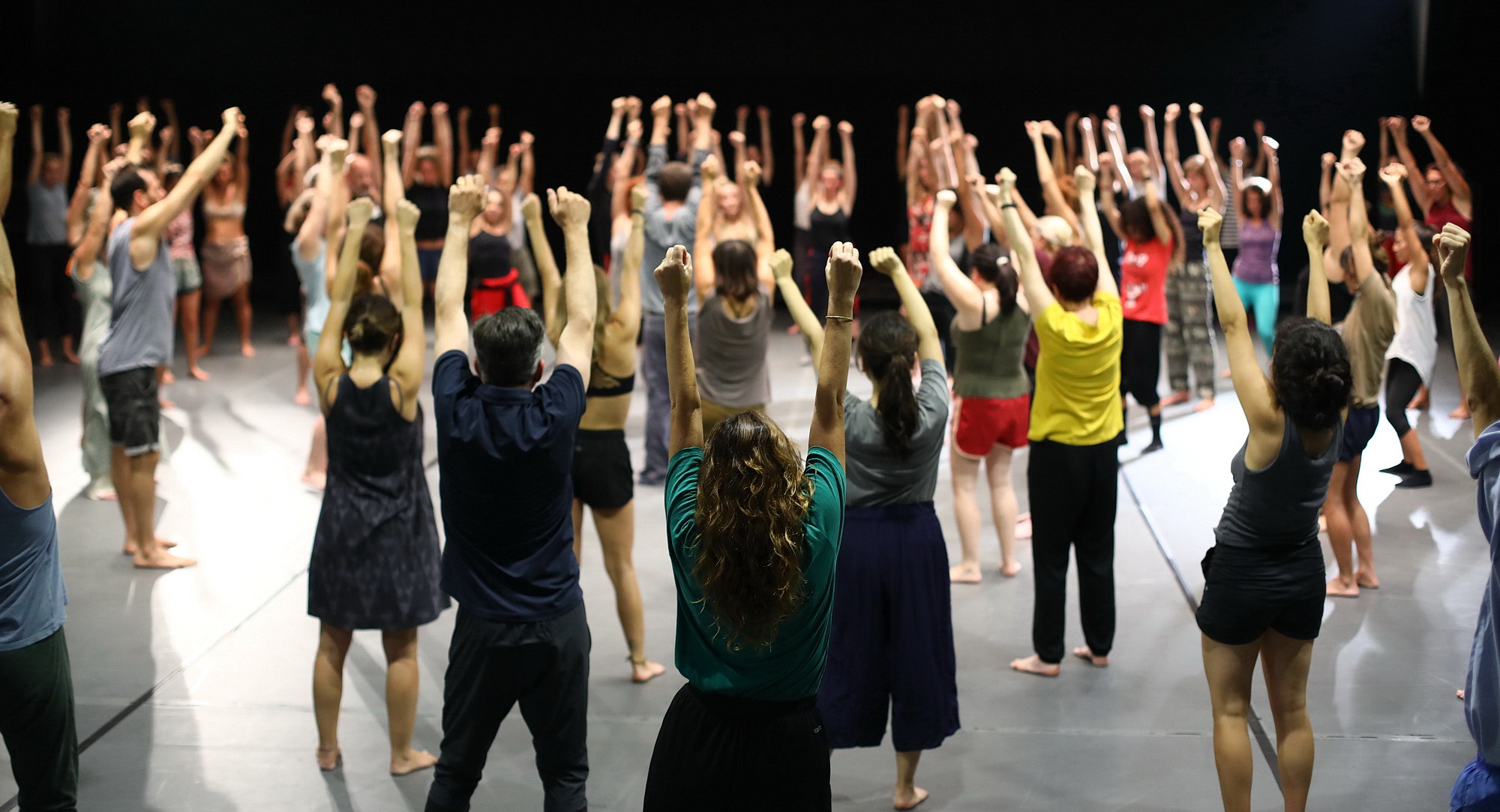
At 2 p.m. on Tuesday, at the very moment the Gaga class was opened on Zoom, 612 people tuned in from all around the globe.
“Hi, I’m from India,” wrote one. “Checking in from Brazil,” wrote another.
There were men and women, from Israel, Russia, France and the US. They were in their bedrooms and living rooms, in mirror-lined studios, and makeshift basement spaces.
Some were dancers, others were just regular people.
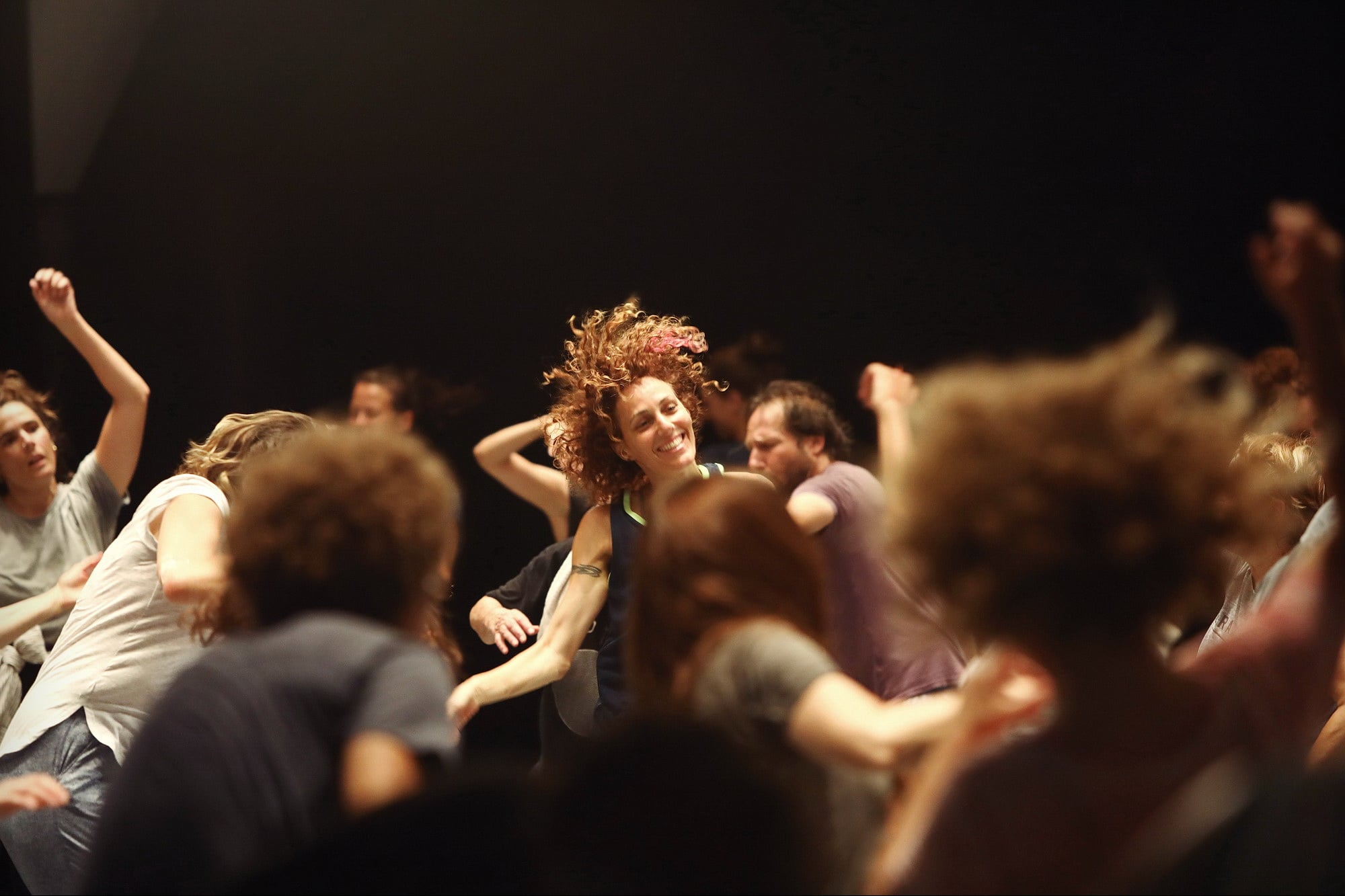
They were all there to move, to direct their bodies in the language known as Gaga, created by Batsheva Dance Company house choreographer and former artistic director Ohad Naharin.
Gaga has been around for more than 25 years, with a dedicated following of thousands around the globe, but always taught in studios, where a limited number of people could attend.
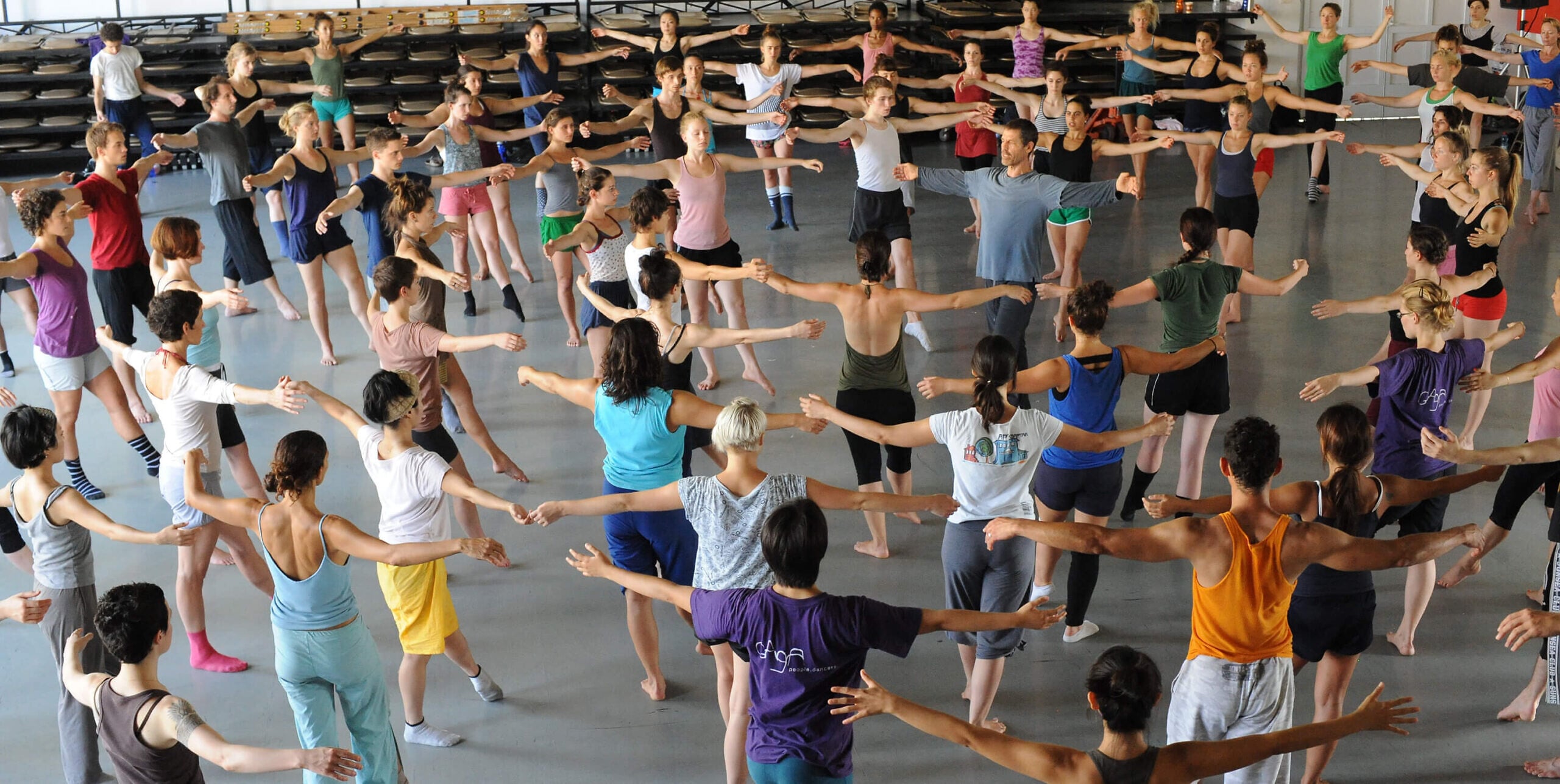
When the coronavirus hit, the people who run Gaga quickly decided to take the classes online, with eight daily classes given by teachers in New York City and Tel Aviv, every day of the week.
“We’re still kind of astonished about how many people are joining us,” said Ana Harmon, a retired dancer who is the Gaga program manager in Tel Aviv. “We feel like it’s really succeeding online because of the moment we’re in, the isolation, the need to feel pleasure in daily routine, and to really dance and entertain yourself.”
That was the crux of the experience during Tuesday’s 45-minute-long 2 p.m. class; most of the other online Gaga classes are a half hour. Students were told to start off slowly, isolating different parts of their bodies in movement, each person unto themselves.
“Don’t look at yourself, look at me,” said Yael the instructor, speaking from her Tel Aviv bedroom, the bed neatly made behind her. “Accept the muscle burn, keep your eyes open.”
The twists and turns got faster, with double curves, all while keeping jaws loose. It got harder, but more intuitive.
Gaga stemmed from Naharin’s lifelong curiosity and research about body movement. He first initiated weekly classes with the troupe’s dancers in the 1990s, and then widened the circle to the company’s staff, friends and family.
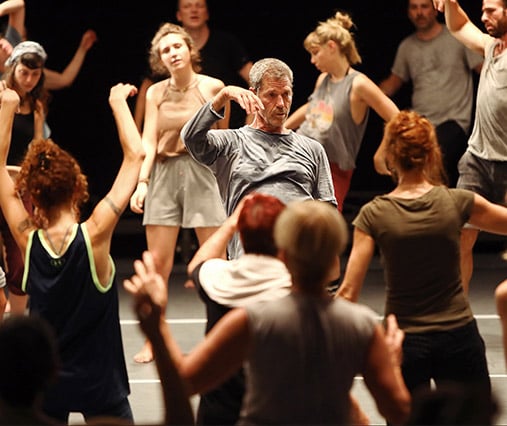
Classes were made available to the general public in 2001 and a year later, Batsheva dancers requested that Gaga become the main form of daily training.
The name Gaga came around in 2003 and the classes are usually divided into those geared for Gaga/people and those for Gaga/dancers. Tel Aviv and New York City are the big hubs for Gaga, said Harmon, but so are Berlin and Paris, as well as London and the west coast of the US.
There are currently 148 certified Gaga teachers around the world, and Harmon is one of them.

A classically trained ballet dancer from Boston, she ended up in Israel through the Kibbutz Contemporary Dance program, and then she danced with several other local companies, which is how she first experienced Gaga herself.
“Lots of companies do Gaga every day,” said Harmon. “The impact Ohad has made is hard to measure. He’s really had this trickle effect on the dance community in Israel, especially through Gaga.”
Harmon worked in the development department for Batsheva, and then went to work for Gaga, managing the teachers, workshops and classes that are held at universities, dance studios and community centers in some 40 countries.
The online experience, however, wasn’t quite in the cards yet, until early March and the advent of the coronavirus pandemic.
“The conversation wasn’t very long,” said Harmon. “It probably would have lasted years in any other circumstances, but this is a reactive moment where everything is transitioning to this new online platform. We knew it would bring people into the experience of their bodies and connecting from far away. Something about the circumstances was a moment that just made sense to do it.”
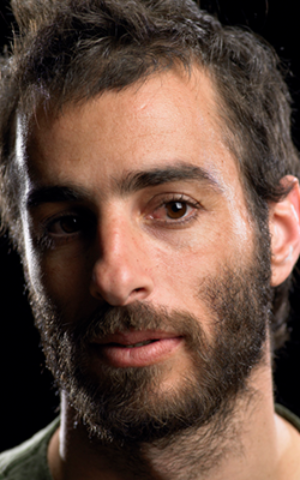
While unplanned, it’s definitely been the right time to bring Gaga online, agreed Sahar Harari, Gaga’s artistic director.
“Our mission was always to bring Gaga to the people and then the world changed, and we had to change to bring Gaga to the people,” said Harari.
The effect of having eight Gaga classes taught each day to some 5,000 people offers an unusual research opportunity as well, he said.
“Being in the room with the teacher was always the main part of it, so it’s all about how clear we have to be now,” he said. “It’s always been the mission to be as clear and precise in this as possible.
There are benefits to the online experience, said Harmon. It offers those who would otherwise be too shy to try Gaga publicly the chance to do so from the comfort of their own home.
There’s no age limit, although Gaga classes are usually only open to those 16 years and older. Gaga offers classes for families with kids, and seated Gaga classes for the elderly or those who have a hard time standing for any length of time, and they’re working on putting those options online as well.
Harmon gets online for part of almost every class, monitoring what’s going on and making sure that most participants are involved and not just watching.
Participants are asked to click the speaker view in the Zoom class in order to see the teacher in the enlarged portion of the screen, which limits how much one can watch themselves move. The idea is always to let the spoken movements guide the body, and not to pay attention to how you look during those movements.
“In corona, we all stay home,” said Harari. “But in Gaga, the real home is the body.”
Anyone can sign up to the online Gaga classes through the link.









The Times of Israel Community.