

Israel’s bereaved are holy, but they don’t all want to be sacred cows
Politicians crossed a line when they yelled at the parents of fallen soldiers in the Knesset, but as those who lost loved ones demand answers, they know their beyond-reproach status is changing
 Add ToI as a Preferred Source on Google
Judah Ari Gross is The Times of Israel's religions and Diaspora affairs correspondent.
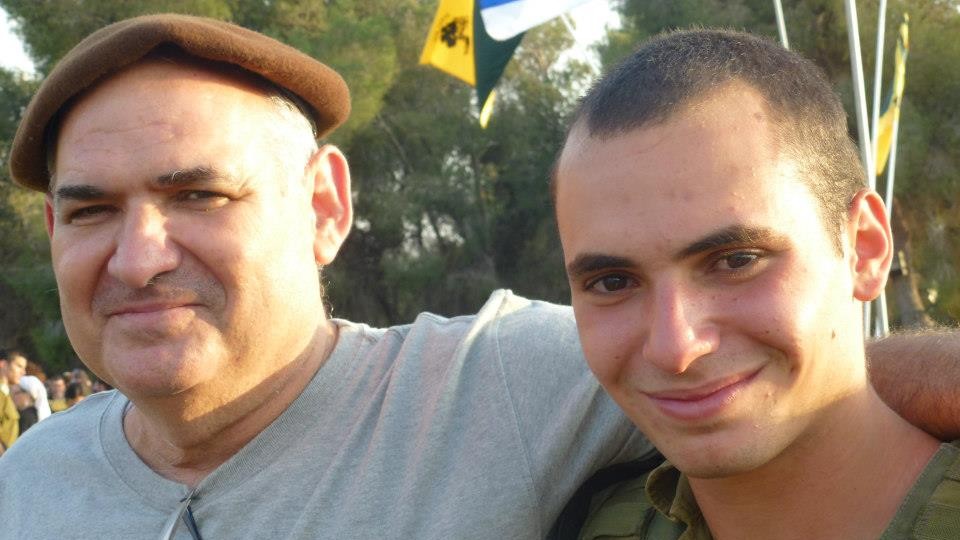
On July 20, 2014, Staff Sgt. Gilad Yacoby and his unit, the engineering platoon of the Golani Brigade’s reconnaissance battalion, entered a house in the neighborhood of Shejaiya, in the Gaza Strip.
Yacoby, who carried a Negev light machine gun, went into a house with his friend, Staff Sgt. Oz Mendelovitch, who carried the heavier MAG machine gun.
In the commotion of the fighting, they didn’t notice a Hamas fighter approach the house. “He opened fire, without even looking inside, killing Gilad Yacoby, my son, and Oz Mendelovitch, his friend,” Yacoby’s father, Avi, said.
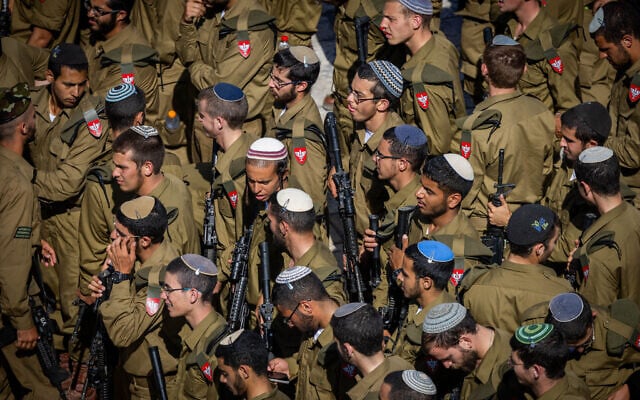
Shejaiya saw some of the fiercest fighting during the 50-day war, known in Israel as Operation Protective Edge. Israeli bombardments and ground troops faced off against Hamas mortar attacks, booby-trapped buildings and fighters. And the Golani Brigade bore the brunt of it, losing 13 soldiers in 24 hours.
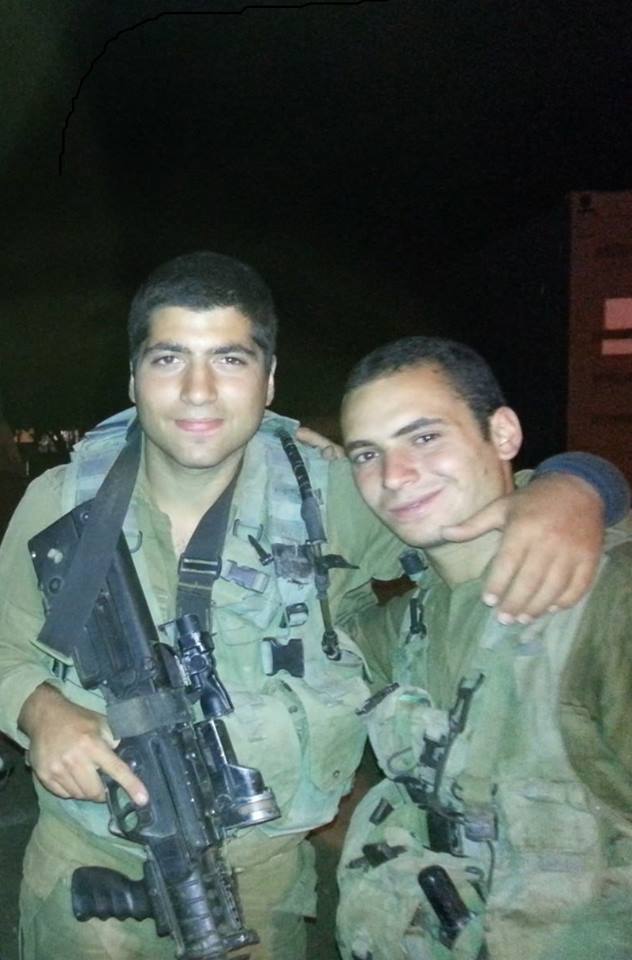
That day, the Yacobys and 12 other sets of parents, siblings, uncles, aunts and others became what are known in Hebrew as mishpahot shakulot, bereaved families.
These families, who have lost sons or daughters, are considered sacrosanct in Israel, having paid the dearest price possible for the country.
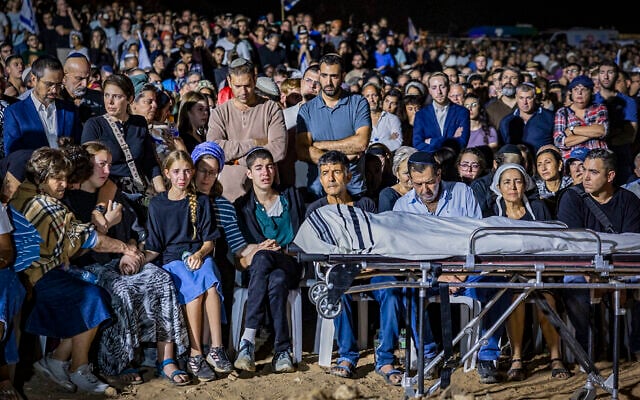
On Sunday night and Monday, Israel’s Memorial Day, those bereaved families are mourning their lost. They gather in cemeteries and at home, cry and remember their sons and daughters.
And as the day turns to night and Israel shifts to celebrating Independence Day, Avi Yacoby, his wife and two daughters will remain bereaved, a status that accompanies them wherever they go in Israeli society. They are part of a caste both pitied and revered to an extent considered unique around the world.
Yacoby was 21 years old when he was killed. At 5 foot 6 (1.68 meters), he was shorter than most machine-gunners, but what he lacked in height he made up for with brute strength. “He was a workhorse,” according to his friend and comrade-in-arms Harrison Grass.
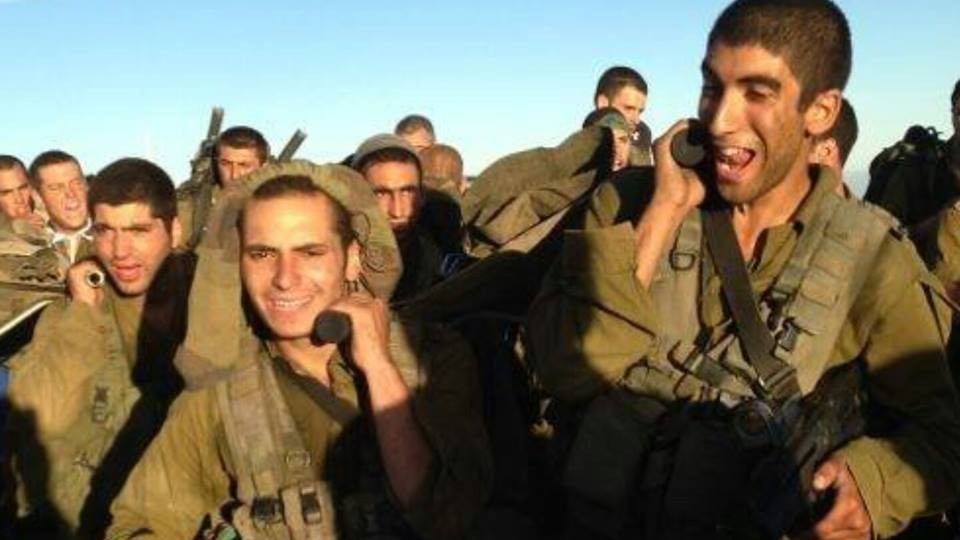
Avi remembers his son saying he pushed to become a “Negevist” so that he could go ahead of the other soldiers. “I want to take care of my friends,” Yacoby told his father.
Grass remembers Yacoby as “very sweet, but very strong,” immune to or simply unaware of physical discomfort and pain.
He was “very laid back, very liberal,” Grass said. “He was really into accepting everyone. He was going to fight in Gaza, but he believed in the two-state solution.”
Yacoby was from Kiryat Ono, a suburb of Tel Aviv, where he was active in the Scouts movement.
After he was killed, the Scouts troop decided to rename itself after him.
He loved music, carrying his guitar with him everywhere he went, including to the staging centers on the Gaza border.
# מצמרר.גלעד יעקובי ז"ל, אחד ההרוגים, בביצוע מרגש של השיר 'אלייך'.לוחם גולני סמל ראשון גלעד יעקבי, בן 21 מקריית אונו, שוחח לאחרונה עם בני משפחתו בסוף השבוע האחרון."ביום חמישי או שישי בבוקר הוא התקשר ואמר שהוא בסדר ושלא נדאג", סיפר אתמול אביו אבי, "הבוקר קיבלנו את הבשורה וחרב עליי עולמי".האב סיפר על בנו: "הוא היה ילד חכם, אהב מוזיקה, הוא ניגן ושר הרבה ורצה להשתלב בתחום. הוא גם אהב ספורט, אהד את קבוצת הפועל תל אביב". הוא הוסיף כי גלעד "מאוד רצה גולני, רצה את פלחה"ן (פלוגת חבלה והנדסה)". גלעד יעקובי-רוזנטל הותיר אחריו הורים: אבי ומיכל, ושתי אחיות.הלוויתו תיערך היום בשעה 10:00 בבית העלמין קרית שאול בתל-אביב.תנוח על משכבך בשלום גיבור.
Posted by גולנצ'יקון on Sunday, July 20, 2014
When the unit held a karaoke night, Yacoby drove his Mizrahi-music-loving fellow soldiers crazy with a rendition of Queen’s “Bohemian Rhapsody,” recalled Grass, speaking to The Times of Israel over the phone as he drove north to visit Oz Mendelovitch’s family.
“We were having a blast, and everyone else hated it,” he said with a laugh.
‘Everyone enlists their family’
The status of bereaved families in Israel is unlike that of Gold Star families in the United States or anywhere else in the world, according to Udi Lebel, a professor of sociology at Ariel University and researcher at the Begin-Sadat Center for Strategic Studies.
Yes, bereaved families are esteemed and cherished everywhere, but in Israel — one of the few Western countries with compulsory military service — they are also representative.
The understanding among Israelis is that when bereaved parents “talk about their son, they’re also talking about my son,” Lebel said.

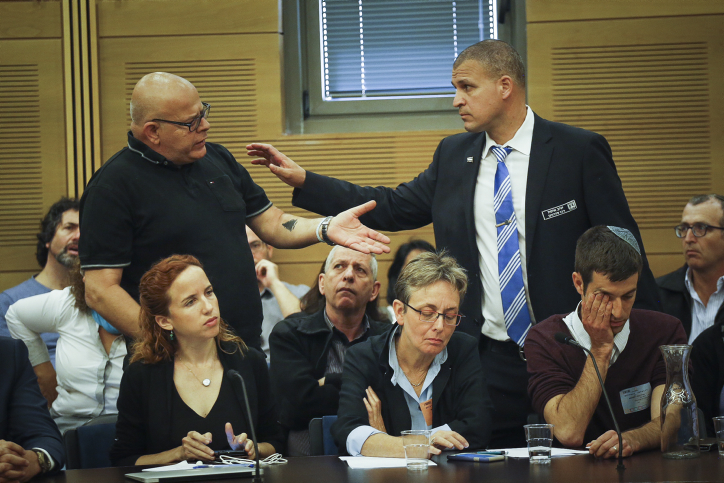
Leah Goldin, the mother of Lt. Hadar Goldin, whose remains are being held by Hamas in the Gaza Strip, made this point explicitly at a stormy Knesset session on April 19 when she spoke about the country’s apparent inaction in returning her son and Staff Sgt. Oron Shaul, whose body is also being held captive by the terrorist group.
“We have two soldiers in Gaza! You don’t have kids that are going to enlist?” she asked, in tears. “I don’t care if you’re liberals or conservatives! We have a people’s army! Everyone enlists their family!”
So when Likud MK Miki Zohar, slumped in his seat, interrupted Goldin to say that her comments were “exaggerated,” the country was aghast.
And it’s why coalition chair David Bitan, who shouted at the father of a fallen soldier, Ilan Sagi, and called him “a liar” in the same Knesset meeting, was hounded and harassed by members of his own Likud party during a visit to a market in Ramle on Friday, weeks after the incident.
A line was crossed.
Arguing with bereaved parents
In the Israeli consciousness, “once you lose your son, it gives you a stature that’s more ethical,” Lebel said.
Bereaved parents become public figures overnight in Israel. Citing a study he conducted, the sociologist noted: “People don’t remember the names of the soldier that fell, but they remember the name of the mother who was interviewed about it.”
‘I’m not a cow, I’m not sacred, I don’t want to be a symbol’
One commonly heard phrase when discussing the concept of bereaved families is “sacred cow” — they are holy and untouchable.
But Gilad Yacoby’s father, Avi, doesn’t want to be a “sacred cow.”
“Please, argue with me,” he said. “I’m not a cow, I’m not sacred, I don’t want to be a symbol.”
But he does want to be a part of the conversation. Bereaved parents might not have vast experience in diplomacy or storied military careers, but they have a right to speak about war, Yacoby said.
“If there was a woman who was sexually assaulted, and she was going to be interviewed on television about it, they wouldn’t question if she completed a degree in criminology,” he said.
“I’m a victim of the war. I want to get answers,” he said.
So he and dozens of other bereaved parents studied the state comptroller’s report on the 2014 war, which included scathing criticism of the government’s mismanagement of the war effort, and they wanted to be sure that the recommendations in the report get put into action, he said.
“There were serious defects” mentioned in the report, Yacoby said, but Prime Minister Benjamin Netanyahu “didn’t answer anything” in the Knesset session.
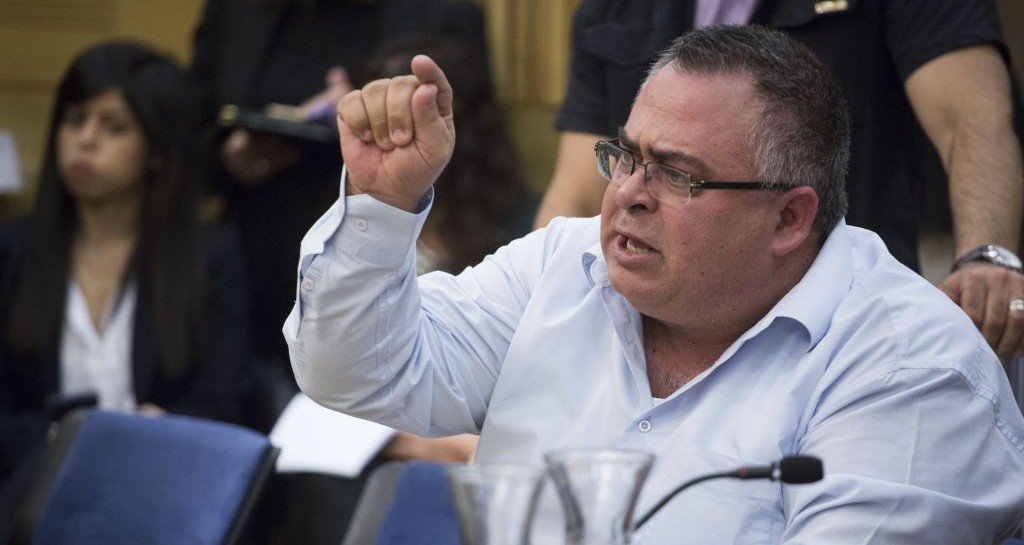
According to Yacoby, the issue of what unfolded in that Knesset committee session wasn’t that politicians were arguing with the bereaved parents, but rather how they were doing so — Zohar’s interrupting Goldin’s impassioned plea, Bitan screaming at Sagi.
“It’s possible to argue. It’s possible to talk,” Avi Yacoby said.
But according to Lebel, it really isn’t.
The families have “moral capital.” Arguing with them or “trivializing them” is simply “illegitimate,” Lebel said. And attempting to mollify them by saying “I understand what you’re going through” comes across as belittling, as though their criticism is just something they need to vent or they are speaking solely out of emotion, not reason.
Politicians “can’t get out of it looking good,” he said.
In India, when a “sacred cow” wants to cross the road, traffic stops. And in Israel, when a parent of a fallen soldier wants to rail against the government, politicians are supposed to shut up and take it.
The changing status of bereaved families
Bereaved families in Israel have been held sacred since the country’s founding, but their position and what is considered acceptable for them to do has changed over the years, Lebel said.
Until the 1973 Yom Kippur War, the parents of fallen soldiers were exalted, but they largely kept quiet. Throughout the next decade, leading up to the 1982 First Lebanon War, that changed, the sociologist said.
‘Cemeteries became a place to protest. Yad Labanim’ — an organization of bereaved families — ‘became a place to protest’
It’s hard to “put your finger on when exactly that change happened,” Lebel said. But the disastrous 1973 war cracked the public’s trust in the government, and during that time, news media became more independent and critical.
“Cemeteries became a place to protest. Yad Labanim” — an organization of bereaved families — “became a place to protest,” Lebel said.
The 1990s saw large-scale protests led by the “Four Mothers” movement, a group of soldiers’ mothers who fought to end Israel’s presence in southern Lebanon. In 15 years, 256 Israeli soldiers were killed defending the various hilltop bases that made up the so-called “South Lebanon Security Belt.”
The movement began in 1997, after 73 soldiers were killed in a helicopter crash as they made their up to Lebanon.
Journalist Matti Friedman, a former Times of Israel reporter whose book “Pumpkinflowers” is about his experiences in Israel’s “security belt” in Lebanon, told The Marker newspaper that the helicopter crash was the beginning of the end of the IDF’s presence in southern Lebanon.
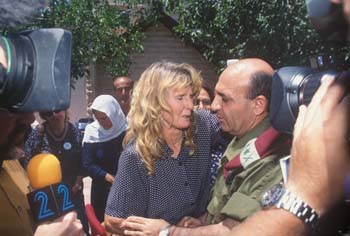
“They started asking questions: Why were they going to Lebanon in helicopters? Because there are mines on the road. Why do they need to travel on the roads? Because they serve in isolated outposts in Lebanon. Why are they in isolated outposts in Lebanon? Good question. They ‘Four Mothers’ were heroes of the period, just like the soldiers,” Friedman said.
The organizers of the movement may have been “heroes,” but they were not beloved by all, Lebel said.
The late 1990s saw fierce public debates between the Four Mothers and government officials, “battles that were far worse” than last month’s Knesset session. “There were incidents on television shows, in conversations with politicians, in public debates,” Lebel said.
Things changed again in the early 2000s, Lebel said. Bereaved parents were given a platform to speak, but there were limits on what was acceptable for them to say.
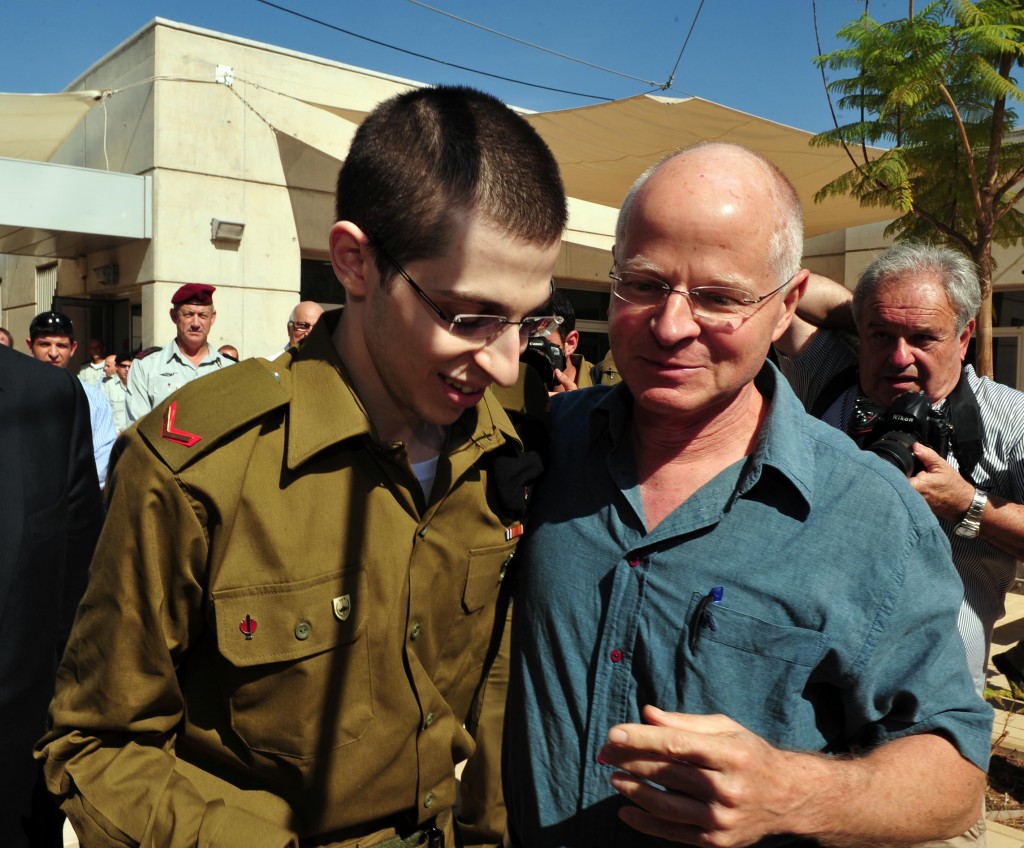
When IDF soldier Gilad Shalit was kidnapped by Hamas and held in Gaza, his father Noam led a campaign that eventually resulted in the government setting free over 1,000 Palestinian terrorists in exchange for his release.
Though the deal remains deeply contentious until today, Noam Shalit’s protest was seen as legitimate in Israeli society. But when he tried to parlay that into a political career a year after his son’s release, the response was a resounding “no,” Lebel said.
“That was a big no-no,” he said. “That’s not in the script.”
At the same time, he added, the army adopted a policy the US adopted decades earlier in the wake of the much-hated Vietnam War: “Don’t do things outside the consensus.”
According to Lebel, last month’s stormy Knesset meeting may represent yet another turning point for the position of bereaved parents in Israeli society. Avi Yacoby might get his wish of not being a sacred cow.
But he will remain a bereaved father.
On Monday, Gilad Yacoby’s family and friends were gathering in Tel Aviv’s Kiryat Shaul cemetery to remember him. As a guitar player. As a mountain climber, as a Golani fighter — a “Golanchik.” As utterly disorganized, with a “wide heart.” As one of the 23,544 soldiers killed in the defense of the State of Israel.




The Times of Israel Community.