

It’s an ecumenical celebration of winter festivals in Open Holidays
Jerusalemites mark Sigd, Mohammed’s birth, Christmas, Hanukkah and Novy God with event geared toward appreciating different traditions
 Add ToI as a Preferred Source on Google
Jessica Steinberg, The Times of Israel's culture and lifestyles editor, covers the Sabra scene from south to north and back to the center
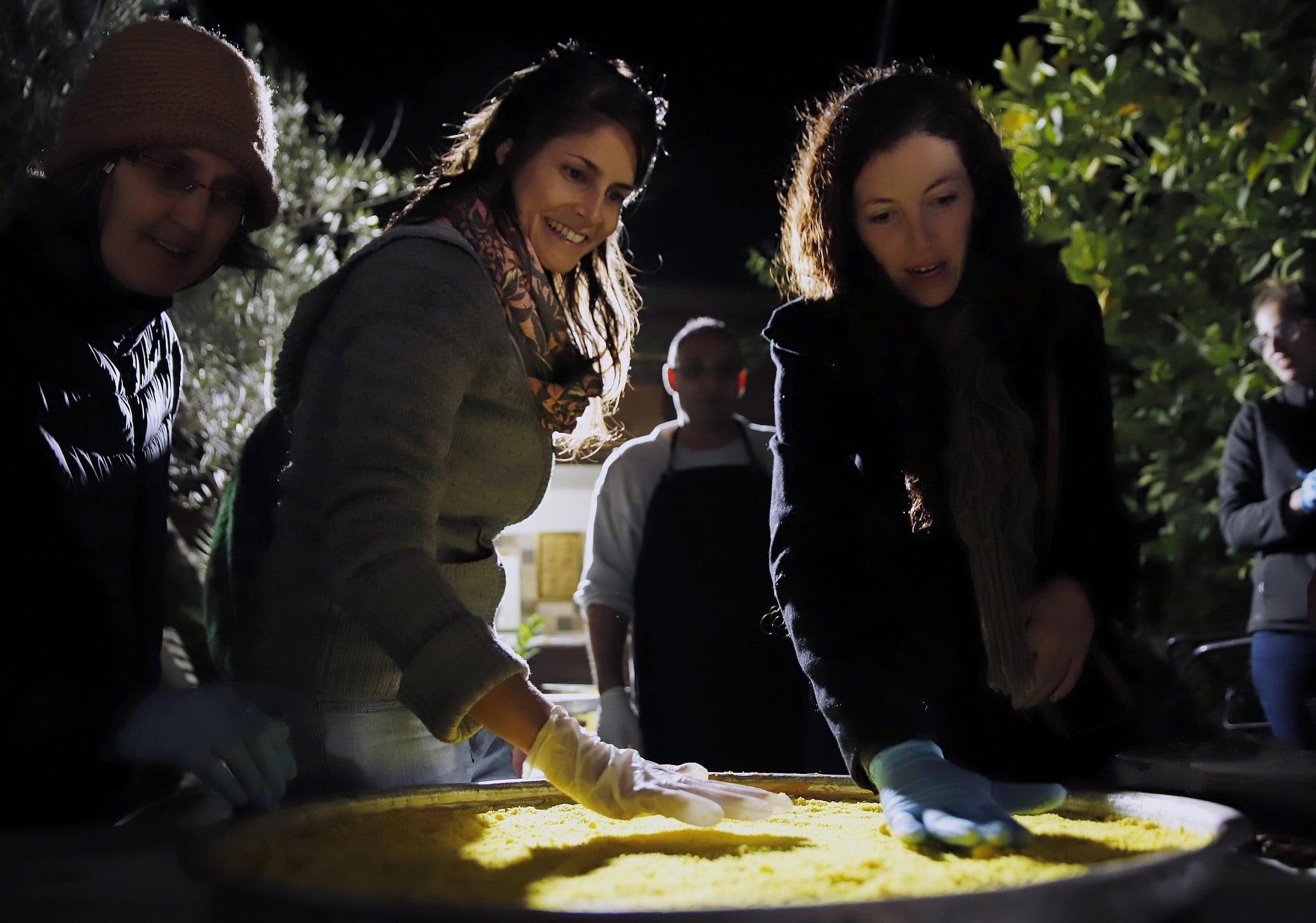
With a glut of December holidays on the Israeli calendar, a group of Jerusalemites is capitalizing on the surfeit of celebrations to introduce the variety of festivals to anyone interested.
They called it Chagim Mibifnim, or Open Holidays, a play on Batim Mibifnim, Houses Within, the popular house tour series that takes place in Tel Aviv and Jerusalem each year.
Open Holidays, however, lasts for more than five weeks, starting with the Ethiopian festival of Sigd at the end of November, then onto the Prophet Mohammed’s birthday, followed by Hanukkah, Christmas, the Holiday of Holidays and Novy God, the Russian celebration of the New Year.
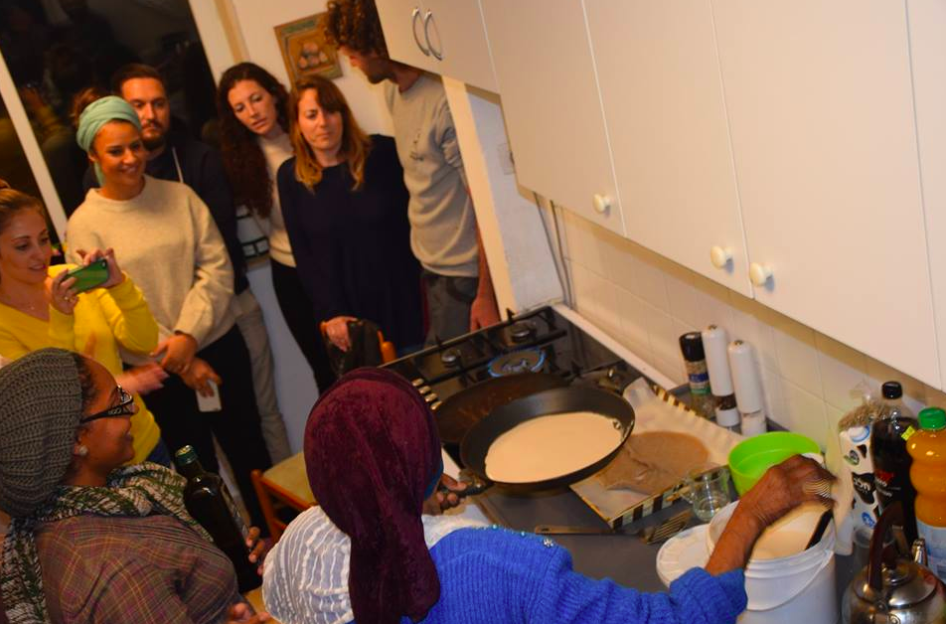
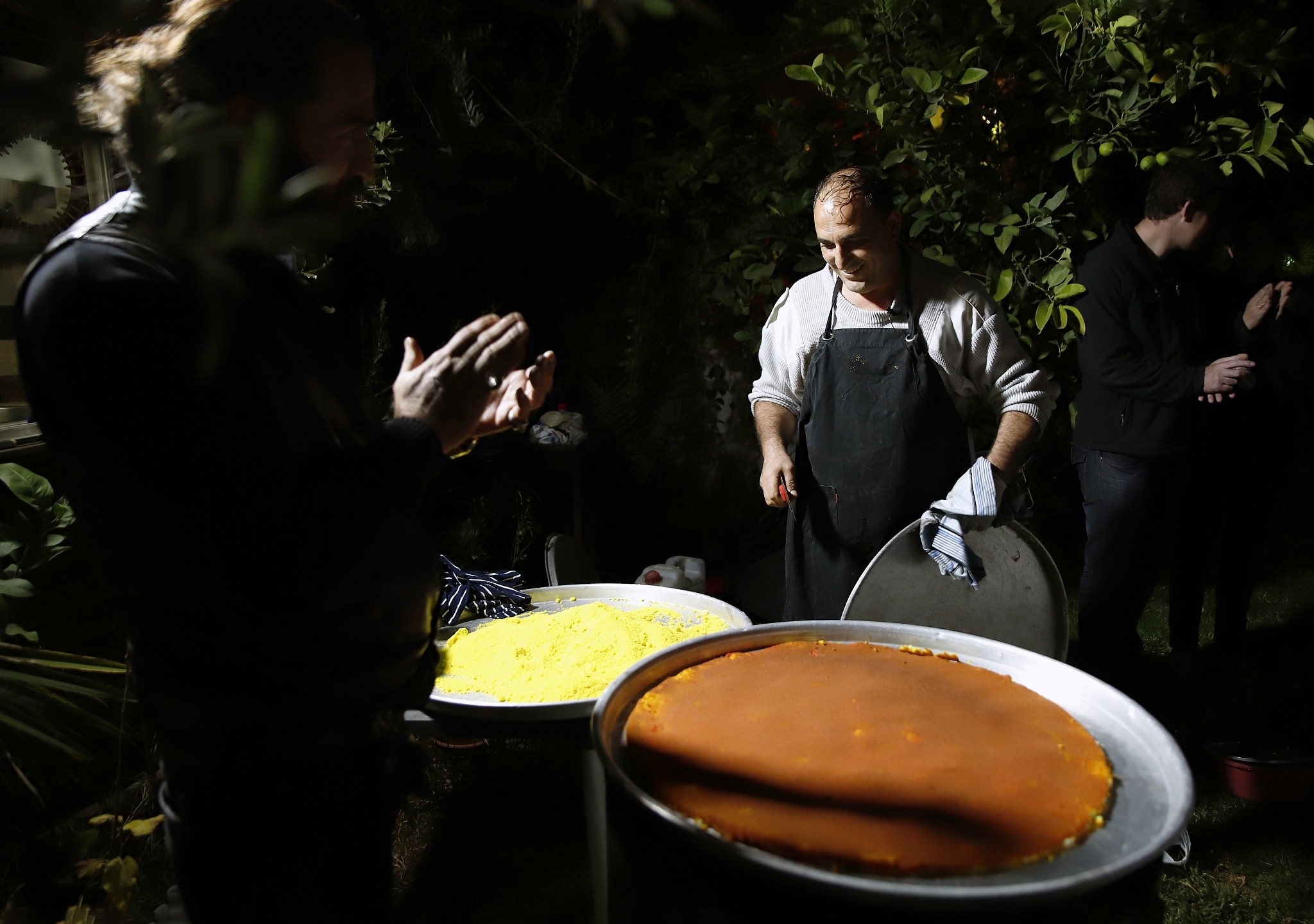
The events have ranged from home hospitality, cooking workshops and conversations about Ethiopian customs for Sigd, to a lecture about Mohammed, a conversation with a village sheikh, a tour in the Moslem Quarter and baking sweet, crunchy knafe in someone’s home, to next week’s dreidel scavenger hunts, family candle lightings, and tours and visits to the Messianic and Karaite communities in Jerusalem for Hanukkah.
Each event draws groups of about 25 people each time, said Nir Cohen, the founder and one of the organizers of Chagim Mibifnim, who can be found at each and every event this month.
The celebratory events draw groups of about 25 each time, and many come from outside the city, which surprised the organizers. Most of the participants are Hebrew speakers, but they’re also planning some specific events in Arabic, in order to attract Arabic speakers to the round robin of holiday celebrations.
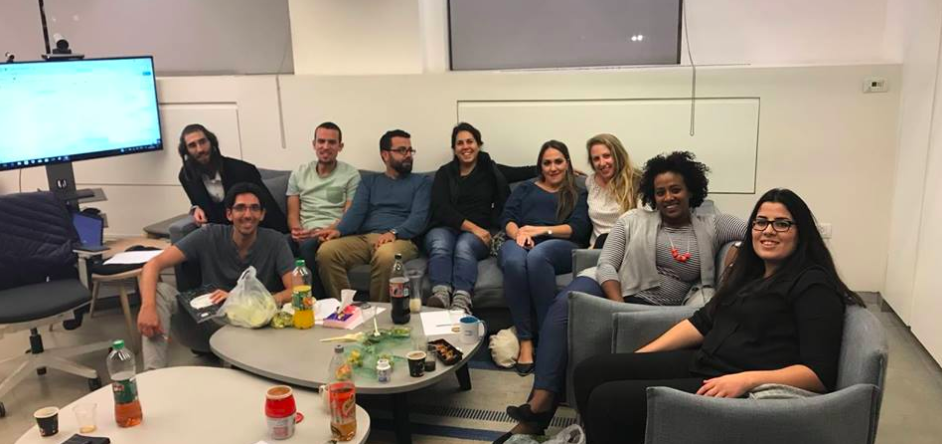
The reactions are what Cohen was hoping for when he first conceived of the event, looking for a way to bridge the gaps and tensions in his native city.
Having spent three years as a Jewish Agency emissary in London, and after experiencing that city’s urban celebration of different ethnicities’ winter holidays, he wanted to do something similar back home.
“The default here is that it’s all about tensions and differences,” he said. “But there are the good parts as well, the wealth of cultures and using that to open peoples’ eyes, and to strengthen one own’s identity through experiencing someone else’s culture.”
Once he was back in Israel, Cohen met Tali Ysia, an Israeli of Ethiopian descent, and they began brainstorming about different ideas.
Nothing much happened for about a year, until the two heard about Holiday of Holidays, Haifa’s annual celebration of Hanukkah, Christmas, and Ramadan for the city’s Jewish, Christian and Muslim residents. It was a celebration they’d never encountered before, proving their theory that there’s what to learn about others’ holidays.
By that point, it was 2016 and Cohen was at Presentense, the social entrepreneurship incubator that encourages societal projects of all kinds. It was also a year when Christmas and Hanukkah fell on the same week in December, a providential occurrence for the holiday planner.
Cohen and Ysia had been joined by a third partner, Inbal Halperin, and the three quickly put together a plan to host holiday celebrations in peoples’ homes, including Ethiopian, ultra-Orthodox and Arab families, with a Christmas tour in the Christian Quarter and an event at the YMCA.
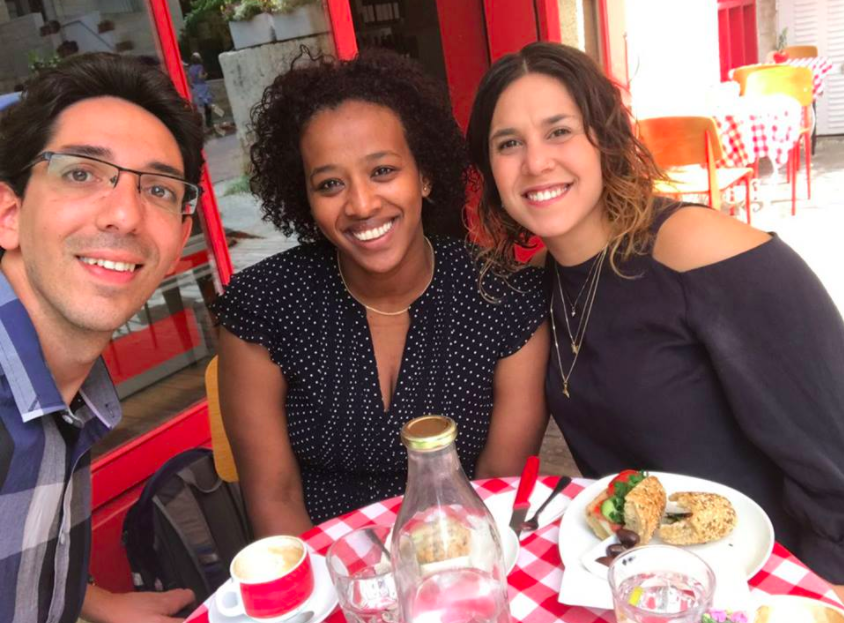
They successfully hosted 250 people over ten days and figured they had something to build on for this year.
“This year, we said, let’s organize this,” said Cohen, and the group corralled a steering committee with Arabic-speaking members from Beit Hanina and the Old City, two Christian Arabs from the north, an ultra-Orthodox Jerusalemite, a Russian speaker, all creating a “real range of people,” he said.
They set up a calendar that ranged from the Sigd in late November to Novy God and the Russian Orthodox Christmas in January, with about five weeks of holidays in all, now celebrated with workshops, lectures, events and conversations in a variety of locations and neighborhoods.
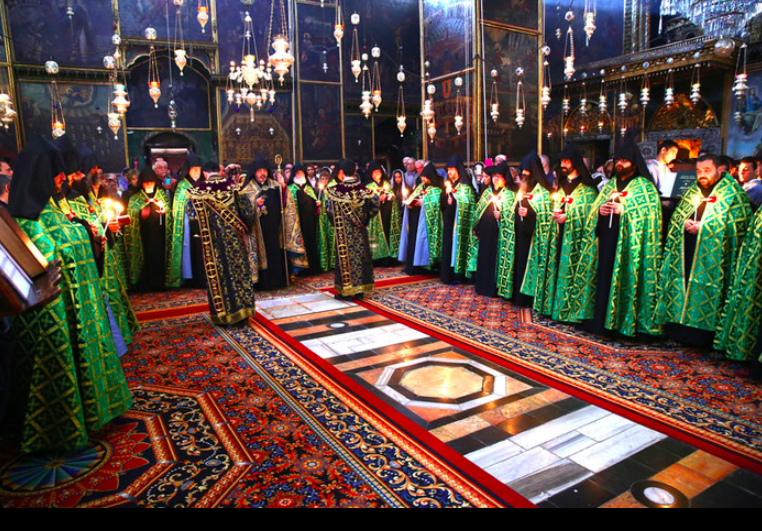
“We’ve talked about this a lot and what we understood is that there’s an importance in doing things in places where Hebrew speakers wouldn’t otherwise go,” said Cohen, pointing out a location like Beit Hanina, which is a Palestinian community outside of West Jerusalem.
With some funding from several foundations, they’re only operational during the winter holiday period, although they are thinking about the spring, when Passover and Easter, Shavuot and Ramadan fall into a similar stretch of time.
“Our goal is to create a kind of tradition, a holiday of holidays of Jerusalem,” said Cohen. “Even though it’s a complicated city, there’s a lot of potential here and a lot of cultures. It’s a big opportunity.”









The Times of Israel Community.