

Key Chinese bank to stop dealing with Iran ahead of US sanctions — report
State-owned Bank of Kunlun, the major conduit of Bejing-Tehran energy trade, tells clients it will stop processing payments from Islamic republic
 Add ToI as a Preferred Source on Google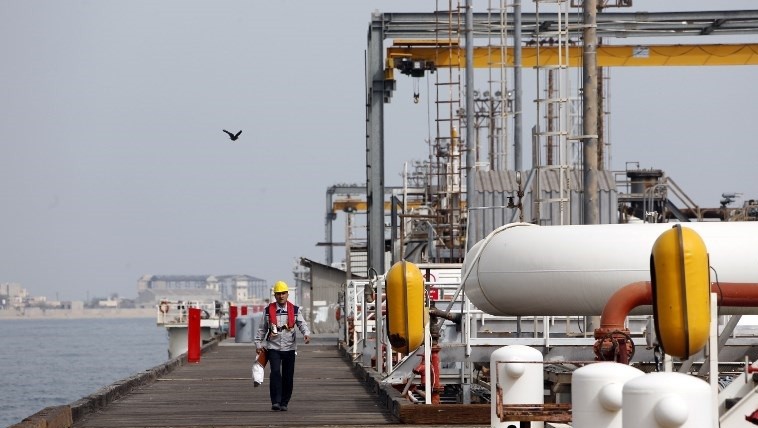
A key Chinese bank is set to stop accepting payments from Iran ahead of impending US sanctions set to be imposed against Tehran next month, Reuters reported Wednesday.
The state-owned Bank of Kunlun, the primary conduit for Chinese companies doing business with the Islamic Republic, told clients it “would no longer receive payments from Iran,” starting November 1, the report said.
China is Iran’s biggest oil customer and accounts for a third of its overall trade. Kunlun, which is controlled by the financial arm of Chinese state energy group CNPC, facilitates the majority of the billions of dollars in oil transactions between the two countries.
The bank will end its financial services with Iran days before new US sanctions targeting Iran’s energy and financial sectors kick in on November 4.
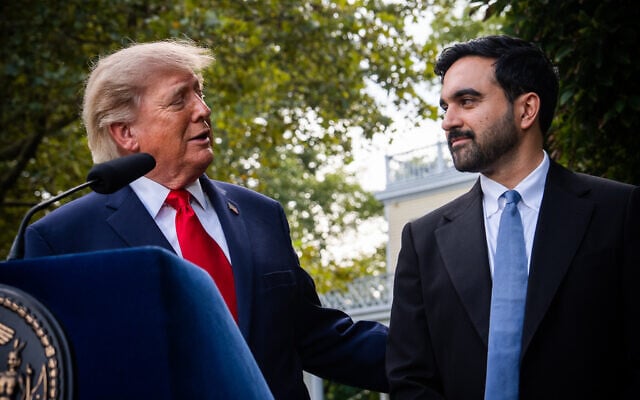
US President Donald Trump slapped a first round of sanctions on Iran in August after pulling out in May of the international deal aimed at curbing Tehran’s nuclear ambitions, to the dismay of his European allies.
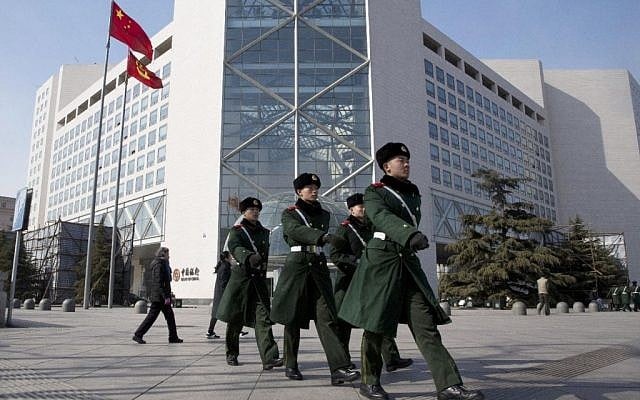
China was a signatory to the 2015 deal, and has expressed opposition to any unilateral sanctions against Iran. But state-owned Chinese oil companies are facing mounting pressure from Washington to comply with the new energy sanctions, or face sanctions themselves, Reuters reported.
A senior official at a Beijing oil company said that US State Department officials, including Assistant Secretary for the Bureau of Energy Resources Francis Fannon, made a number of trips to China in recent months and strongly urged Chinese buyers to cut Iranian oil imports to zero by November.
Last month, the International Energy Agency said oil output from Iran had hit its lowest level since July 2016, noting that top buyers China and India had been distancing themselves from Tehran due to the impending US sanctions.
An employee of Kunlun said it was not clear when the bank would resume business with Tehran.
“Whether and when to resume the services depends on the international situation after the sanctions start on Nov. 5,” she told Reuters.
Meanwhile, the European signatories to the nuclear deal have pledged to keep the agreement alive, with plans for a mechanism to let firms skirt the US sanctions as they do business with Iran.
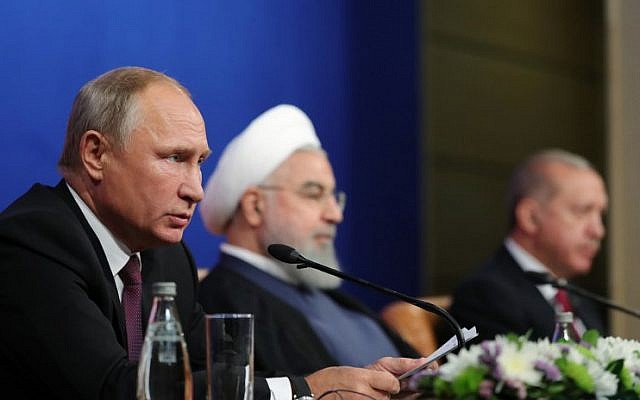
Last week, Israel’s Hadashot news reported that Russia and Iran have agreed on a mechanism to spare Tehran the crippling impact of the US energy sanctions.
The TV news report cited a”secret” Israeli Foreign Ministry document that outlined the mechanism that would allow Iran to export crude oil to Russia across the Caspian Sea, where it would be refined, and then exported worldwide.
The document reportedly said the deal was reached last month in Tehran, where Russian President Vladimir Putin, Iranian President Hassan Rouhani, and Turkish President Recep Tayyip Erdogan held summit talks.







The Times of Israel Community.