

Liberman said to drop demand for death penalty for terrorists
Bill would have allowed capital punishment for those convicted of ideologically motivated murder
 Add ToI as a Preferred Source on Google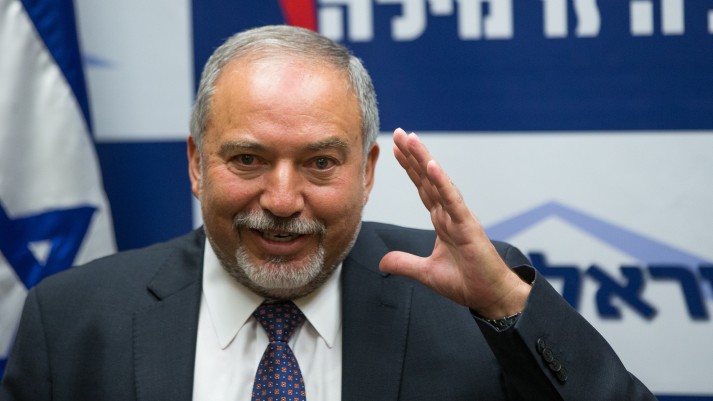
Yisrael Beytenu leader Avigdor Liberman on Saturday reportedly dropped his demand for the revival of a draft bill allowing the sentencing of convicted terrorists to death, a request he had previously raised with Prime Minister Benjamin Netanyahu as part of a deal for having his five-seat right-wing party join the governing coalition.
Under the coalition agreement, expected to be finalized Sunday, Liberman will become defense minister.
The original bill proposed that convicted terrorists could be sentenced to death with a simple majority of judges, rather than the unanimous decision required under current law.
Last year, the Knesset overwhelmingly voted down a bill, proposed by Yisrael Beytenu, that would have enabled judges to sentence a terrorist to death, with Netanyahu ordering lawmakers from his Likud party to oppose the bill, saying it needed further examination from a legal perspective.
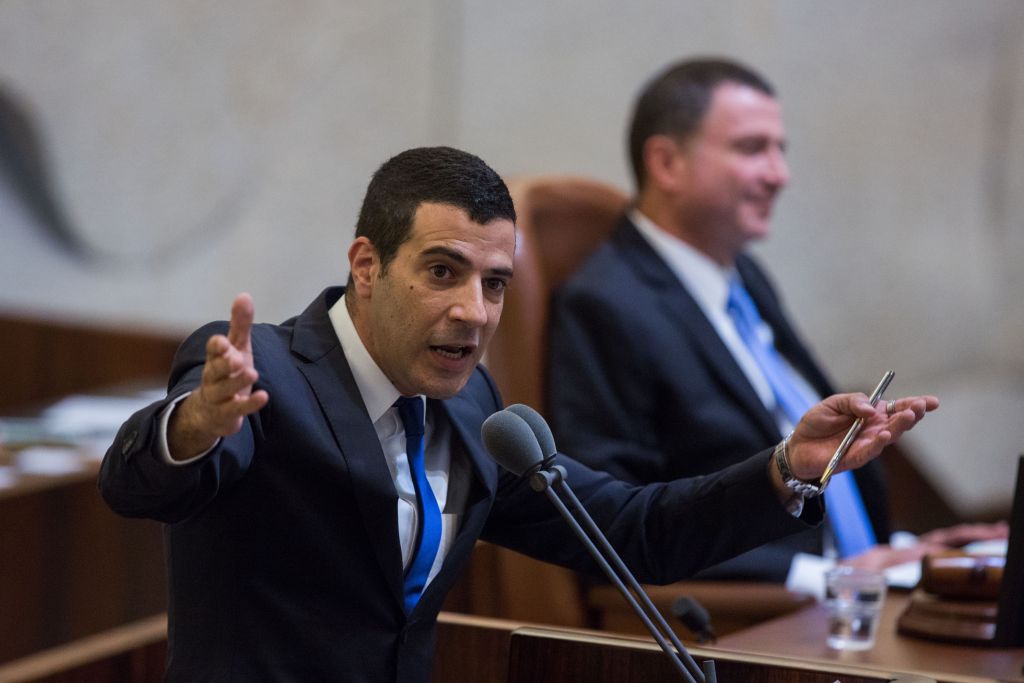
The measure was proposed by then-Yisrael Beytenu MK Sharon Gal. It failed in its first reading by a vote of 94 to 6.
Then-attorney general Yehudah Weinstein suggested it was likely not constitutional, and said he would oppose the bill, which would have faced a certain challenge in court had it passed into law.
Israel currently allows judges to hand down capital punishments only in relation to the Holocaust. The death penalty has only been handed down once, in the 1962 trial of high-ranking Nazi SS officer Adolf Eichmann.
The death penalty bill was a key election promise from Liberman ahead of the March 2015 elections, after which he chose not to enter the Likud-led coalition.
JTA contributed to this report








The Times of Israel Community.