

Livni, Herzog defend timing of Syria strike
Kulanu’s Yoav Galant hints attack that killed senior Hezbollah members was tied to upcoming elections
 Add ToI as a Preferred Source on Google
Lazar Berman is The Times of Israel's diplomatic reporter
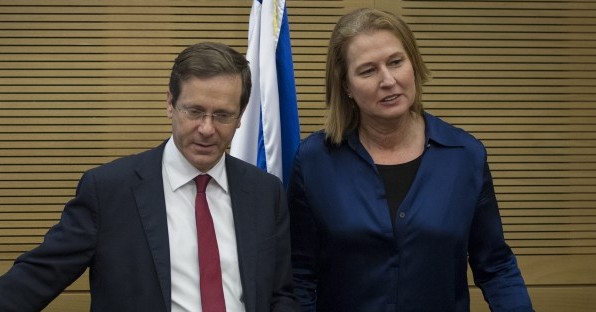
The leaders of the Zionist Camp faction expressed confidence that orders to carry out Sunday’s strike in Syria were given for purely operational reasons, and were not an attempt to influence the upcoming elections.
“Israel’s security isn’t a matter of election tricks,” said Labor leader Isaac Herzog and Hatnua head Tzipi Livni in a statement Sunday evening.
The strike killed at least six Hezbollah members, including senior commanders.
But the Kulanu party’s candidate Yoav Galant, a former frontrunner to become the IDF’s chief of staff, hinted that the timing of the attack might be tied to the elections. “From incidents in the past, you can understand that sometimes the timing is not unconnected to the issue of elections,” Galant said on Channel 2 Sunday evening.
Galant referred to the November 2012 killing of Hamas military leader Ahmad Jabari, little more than two months before the January 2013 elections. “The timing of the assassination was not something that could only have been done on that date,” said Galant, who had previously served as the head of the IDF Southern Command.
Jewish Home party leader Naftali Bennett denounced Galant’s insinuation, calling it “unnecessary and disappointing.”
Likud Deputy Minister Ofir Akunis blasted Galant for his comments, saying, “It’s better for new candidates without political experience to be careful with their words, when their entire aim is to try to scratch out another mandate for their stagnant parties. [Kulanu leader] Moshe Kahlon would do well to calm Mr. Galant down.”
Likud MK Miri Regev also decried Galant’s statements, saying they were beneath him.
Israelis will head to the polls March 17, and the campaign heated up over the past week as leading parties announced their Knesset slates.
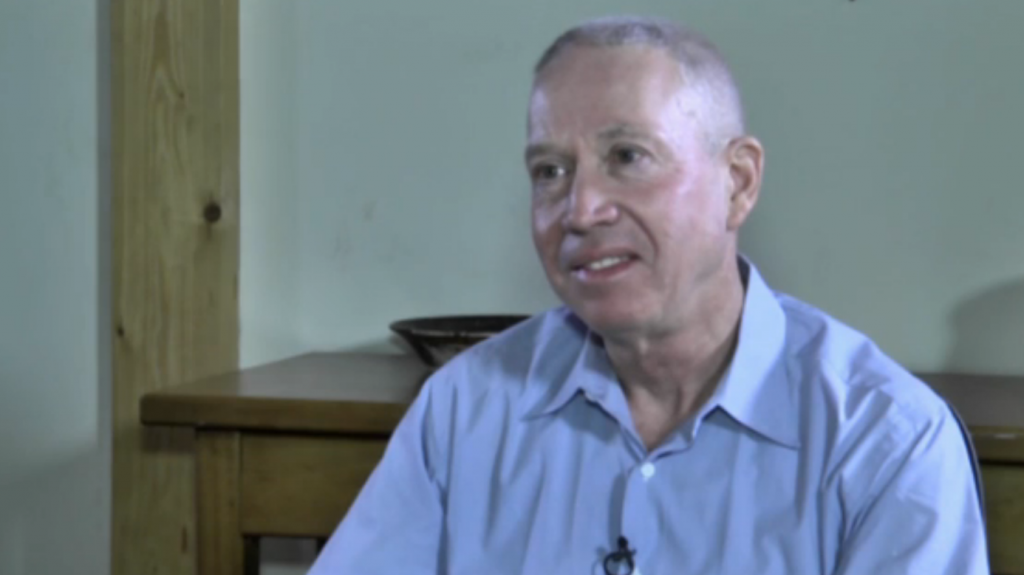
Among the dead in the Israeli strike in Mazrat Amal near Quneitra were Jihad Mughniyeh, the son of Imad Mughniyeh, Hezbollah’s slain commander of military operations; Mohammed Issa, a Hezbollah commander responsible for the organization’s operations in Syria and Iraq; Abu Ali Tabatabai, a senior Hezbollah commander; and an Iranian adviser to Hezbollah, according to reports.
Jihad Mughniyeh had been serving as the Shi’ite terrorist group’s Golan District commander, Syrian National Council spokesman Mouayyed Ghizlan told CNN in November.
The strike raised fears that a larger conflagration could be in the offing, with both Israel and Hezbollah bracing for possible continued fighting amid an increase in tensions.
Hezbollah confirmed that several fighters were killed. A Hezbollah official identified one of the dead as Mughniyeh, and another as Issa. He said at least one Iranian national with the group was also killed.
“A group of Hezbollah mujahedeen were martyred in a Zionist rocket attack in Quneitra, and their names will be revealed later,” said a message flashed on Hezbollah’s Al-Manar news channel.
They were killed during a field reconnaissance mission in the Mazrat Amal village of Quneitra province, it said.
The Israeli army took “a long series of steps” to brace for a possible Hezbollah response, Channel 2 reported. Residents of northern Israel were said to be concerned about Hezbollah retaliation. Israel did not order the opening of bomb shelters on the Israeli side of the Golan, however, Channel 2 said.
جهاد مغنية هو نجل عماد مغنية القائد العسكري لحزب الله الذي اغتالته اسرائيل عام 2008 في دمشق pic.twitter.com/tdCKwTL2ye
— Ali Hashem علي هاشم (@alihashem_tv) January 18, 2015
Jihad Mughniyeh was estimated to be around 25 years old, said a friend.
Officials close to Hezbollah said he was active in the group from a young age. He was a Hezbollah student activist at the Lebanese American University, and took on a more prominent role after the death of his father. His photograph has been taken with the group’s leader Nasrallah, highlighting their closeness.
AP and AFP contributed to this report.




The Times of Israel Community.