

Memorial at Buchenwald concentration camp site vandalized twice in a week
Nine beeches toppled or damaged in ‘cowardly act’; premier of German state of Thuringia vows to replant two trees for every one damaged
 Add ToI as a Preferred Source on Google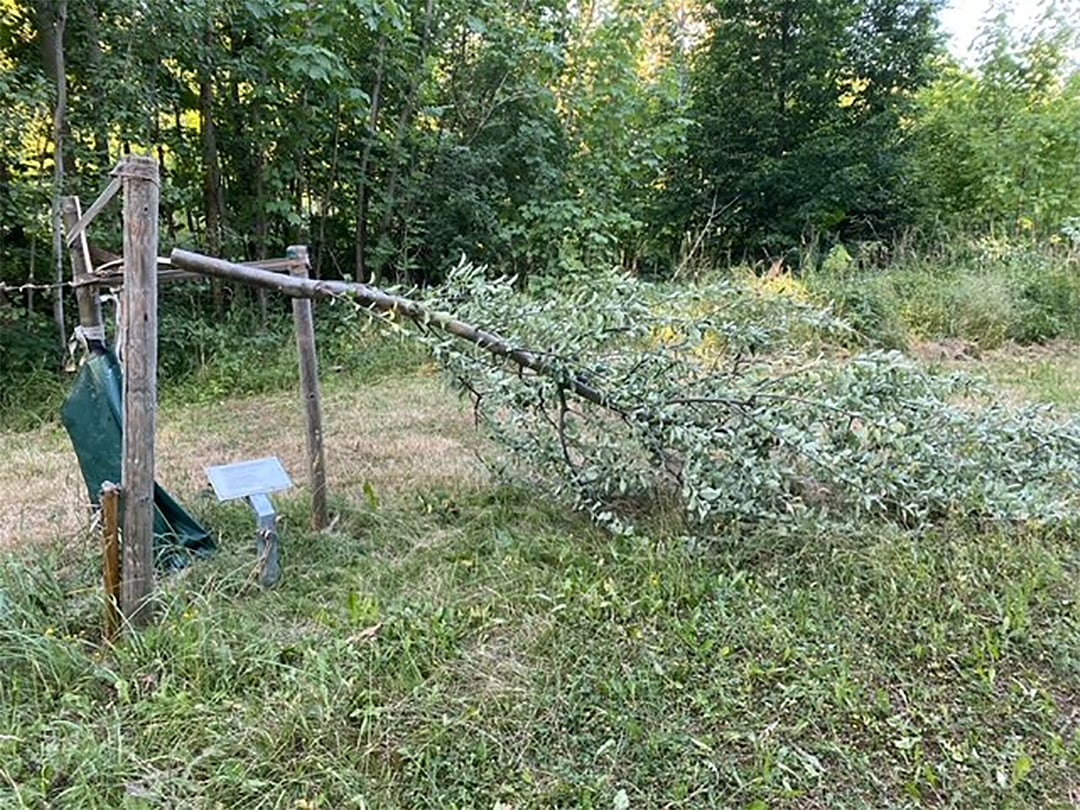
BERLIN — Vandals damaged trees planted in honor of the victims of the former Nazi concentration camp Buchenwald twice in the last week, prompting state premier Bodo Ramelow on Monday to pledge a “decisive response.”
Seven trees planted near the camp memorial in the German state of Thuringia were felled or badly damaged last week while another two were destroyed over the weekend, according to the charity that planted them.
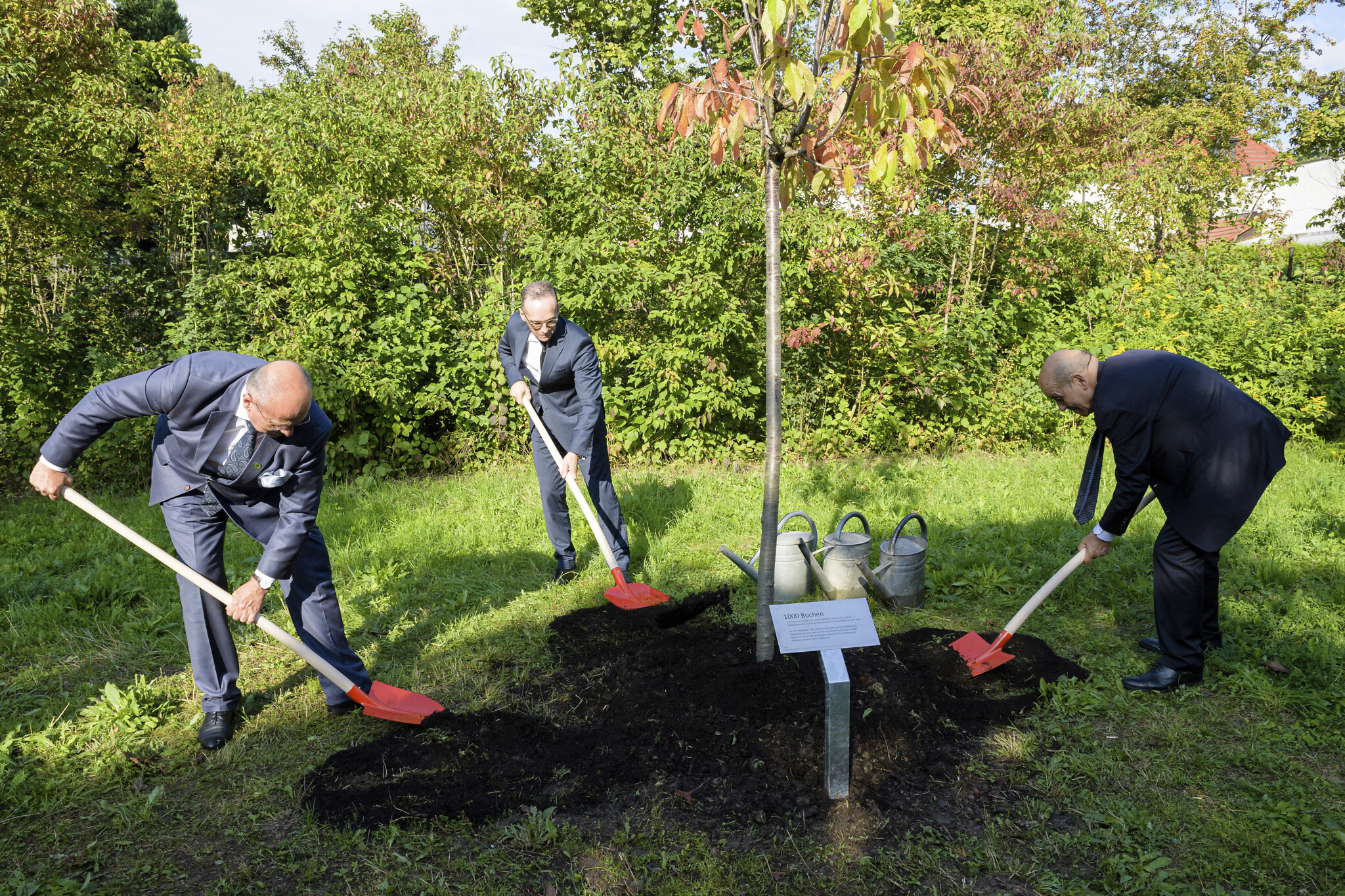
The trees were part of the project “1,000 beeches” by the Lebenshilfewerk organization which has since 1999 planted saplings along the “death march” route from the former camp.
Buchenwald means beech forest in German.
Thuringia premier Ramelow said he was interrupting his summer holiday in response, telling the daily Tageszeitung he would attend a memorial march for deported Jewish youth in the city of Weimar on Sunday.
“The only thing that will help is a decisive response. Two new trees for every destroyed one. Redoubled focus on every cowardly act,” he said.
“Those who commit such cowardly attacks share a mentality with the murderers in the concentration camps,” Ramelow of the far-left Linke party said of the vandals.
He vowed to take part in the planting of replacement trees.
More than 56,000 men, women and children died at Buchenwald during World War II. They were either killed by the Nazis or perished through illness, cold or starvation.
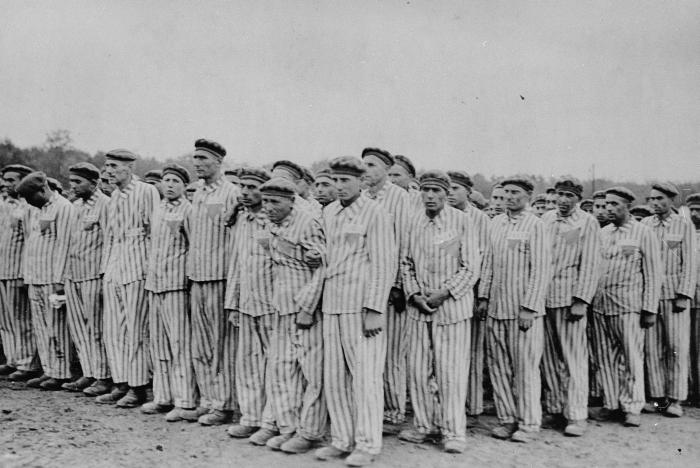
Thousands of Jews were among the dead, which also included Roma and Sinti, political opponents of the Nazis, LGBT people and Soviet prisoners of war.
US forces liberated the camp in 1945.
The foundation running the memorial site has repeatedly warned that unwanted visits from neo-Nazis were becoming a growing problem.









The Times of Israel Community.