

Netanyahu, Deri said to clash over lockdown of ultra-Orthodox areas
Interior minister says health officials ‘quick on the trigger’ when it comes to imposing restrictions on Haredi communities; PM responds that his only guide is health concerns
 Add ToI as a Preferred Source on Google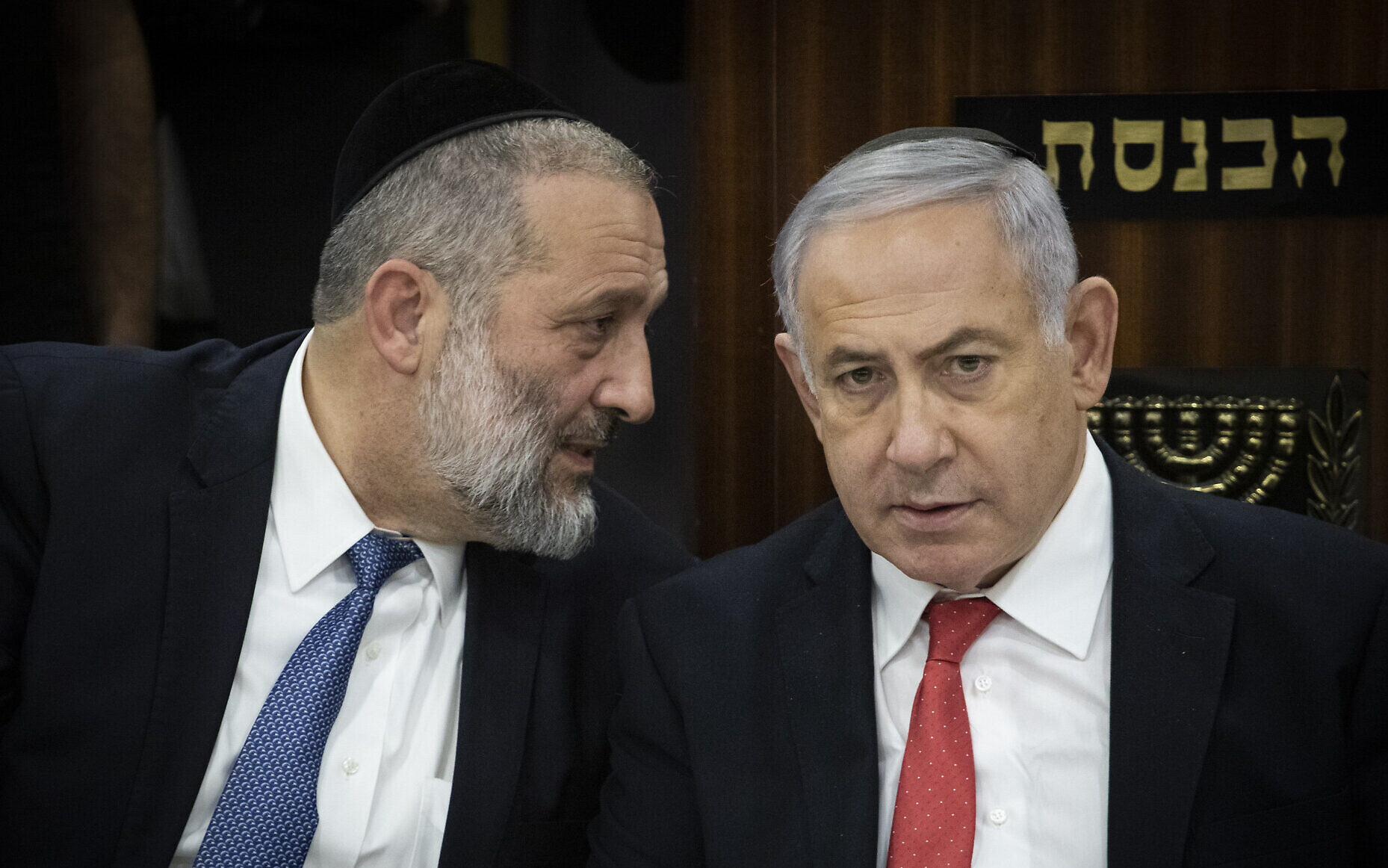
Prime Minister Benjamin Netanyahu and Interior Minister Aryeh Deri reportedly got into a heated argument during a cabinet discussion on imposing further lockdowns on predominantly ultra-Orthodox neighborhoods in Jerusalem, and Bnei Brak, Channel 12 reported Friday.
In the cabinet meeting that ran to the early hours of Friday morning, Deri reportedly lost his temper and raised his voice, saying he had the impression that Health Ministry recommendations were not serious, lacked data and were unfairly targeting ultra-Orthodox neighborhoods.
Deri, of the ultra-Orthodox Shas party, reportedly said he felt that the Health Ministry was “quick on the trigger” when it came to imposing restrictions on Haredi communities.
Netanyahu was surprised and angered by the outburst from his long-time ally, and angrily retorted that he was outraged by the accusations and “only acted from relevant, health-related considerations,” Channel 12 quoted him as saying.
In the end Deri’s demands were accepted and the Health Ministry was instructed to compile an objective measure of infection rates that could be used to decide when to apply a lockdown on a specific area or town.
Jerusalem Mayor Moshe Lion apparently also objected to the recommendations for his city, which called for keeping residents confined to one of seven delineated zones dividing the city.
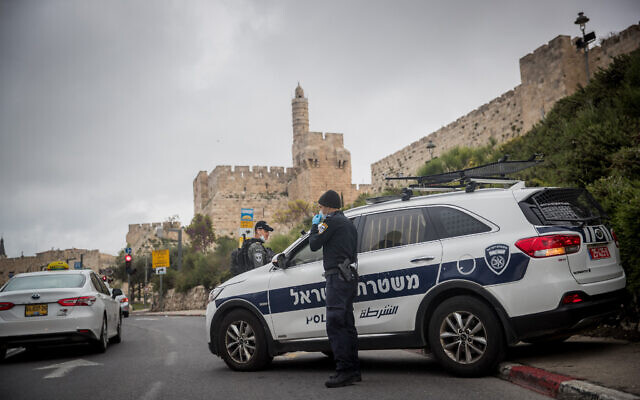
In the end, the cabinet issued a statement Friday saying that the final decision for Jerusalem would be made on Saturday night.
During the meeting, Health Minister Yaacov Litzman also reportedly abstained from voting on restrictions on Bnei Brak, Channel 12 reported, saying that he apparently wanted to avoid confrontation with his constituents.
Channel 13 also reported that Litzman distanced himself from media reports that his own ministry was recommending keeping a harsh closure put into place until the end of the Passover holiday on April 15.
“I just want to clarify that what was said at the end of the holiday in the media was not my opinion and I rebuked my ministry. This is completely unacceptable to me,” the report quoted him as saying.
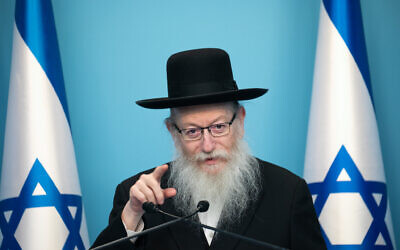
“I don’t understand. If this didn’t come from you than who did it come from?” Netanyahu asked him.
“I don’t know. I just know that this isn’t my view and I clarified this to the senior Health Ministry officials,” Litzman said.
Ultimately, the four-day lockdown that kept Israelis confined to their hometowns expired at 6 a.m. Friday, as officials urged the country to not let up social distancing efforts in a bid to keep the deadly coronavirus from spreading.
In Bnei Brak, residents saw an even stricter lockdown on their town ease slightly, with residents allowed to travel outside the town for work and some other essential needs for the first time in a week.
From Tuesday evening to Friday morning, Israelis nationwide had been banned from moving between cities, amid fears that people traveling for the Passover holiday could lead to a fresh surge of virus cases just as it seemed numbers were beginning to level off.
Nationwide, 10,095 people have been confirmed to have the virus and 94 people have died, according to Health Ministry figures released Friday. In recent days, officials have begun to discuss possibly rolling back some restrictions later this month if the rate of infection continued to slow.
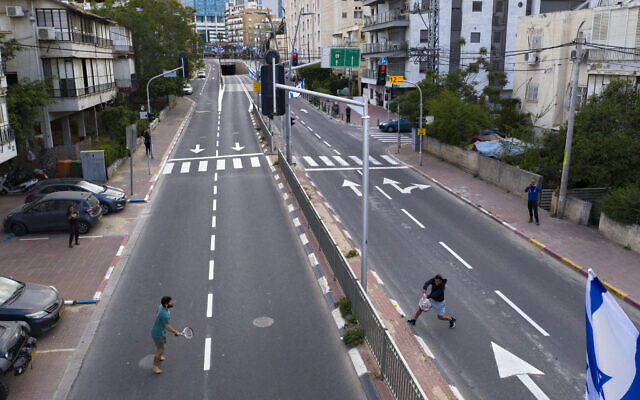
In a statement announcing the coming lifting of the lockdown and the government’s decision to ease Bnei Brak’s quarantine, the Health Ministry urged Israelis to continue maintaining social distancing regulations and not to become complacent.
“The danger of the coronavirus has not passed. We all saw what happened in other countries around the world,” Litzman said in the statement, likely referring to countries in East Asia that have seen a resurgence of the virus after rolling back restrictions. “A gradual opening of the economy will only be possible if we all make sure to keep the rules, despite the hardships.”

Under the rules remaining in effect Friday, Israelis may travel for work or other essential needs, such as shopping for food or medicine, but are generally barred from being more than 100 meters from their home. Gatherings of more than two people are forbidden. People are also supposed to wear face masks when out of the home, but enforcement on that measure is not set to go into effect until Sunday.
In Bnei Brak, residents will only be allowed to leave the city limits for work, medical treatments, transferring children between separated parents, funerals of immediate relatives and “other necessary matters approved ahead of time,” the Health Ministry said in a statement sent out early Friday.
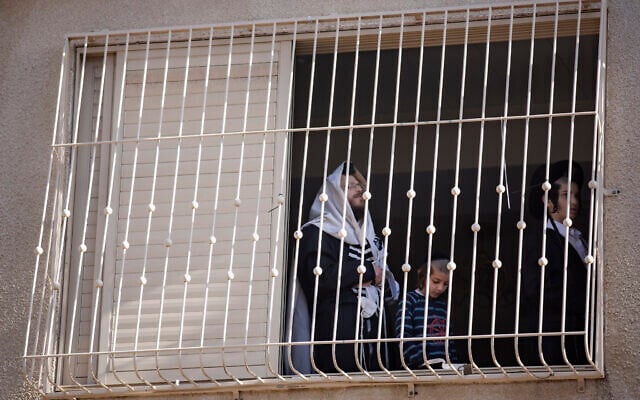
The ultra-Orthodox city of 200,000, the first in Israel completely locked down, has seen higher rates of infection than anywhere else. Despite having one-fifth of the population of Jerusalem, it has almost as many infections as the capital, which leads the country with 1,630 confirmed cases, according to figures released Thursday.
Netanyahu has said the government could begin rolling back some restrictions late next week, but they were expected to be minor steps.








The Times of Israel Community.