

Now’s the time to save the Dead Sea
A natural wonder is being destroyed on Israel’s watch. But falling desalination costs, technical advances, and new avenues of regional cooperation offer a chance to change that

 Add ToI as a Preferred Source on Google
David Horovitz is the founding editor of The Times of Israel. He is the author of "Still Life with Bombers" (2004) and "A Little Too Close to God" (2000), and co-author of "Shalom Friend: The Life and Legacy of Yitzhak Rabin" (1996). He previously edited The Jerusalem Post (2004-2011) and The Jerusalem Report (1998-2004).
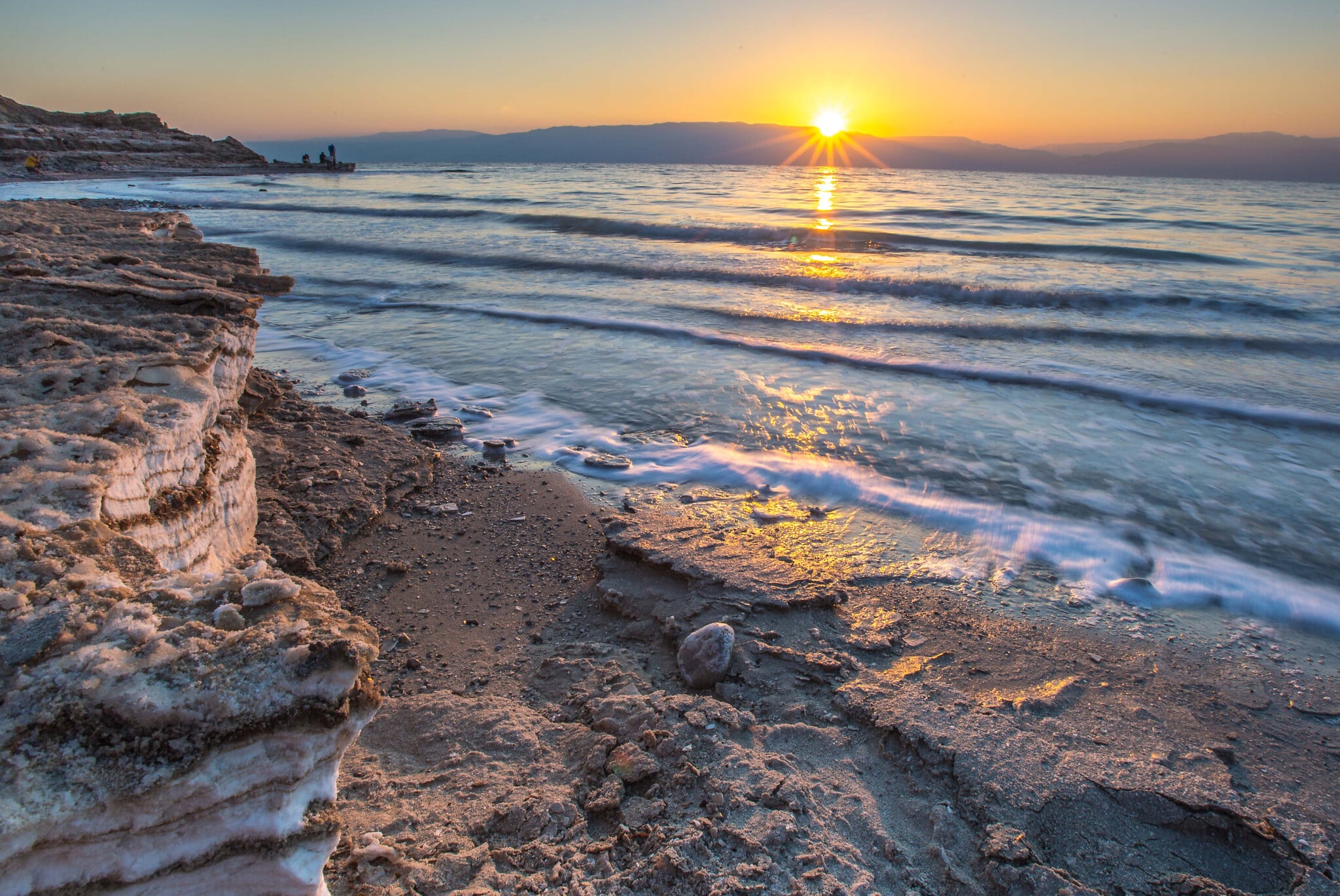
Israel in the past few days has decided to forgo a debt of some NIS 65 million ($20 million) owed by the Dead Sea Works for water it pumped from our shrinking natural wonder for its potash factory there.
Reports on this hard-to-comprehend decision note that the state has not specified why a massively profitable commercial company, which has long made a fortune by utilizing a finite, disappearing, blessed national resource, should not be required to make this particular payment.
But the unconfirmed suggestion is that the Justice Ministry feared it would lose a court battle if the Dead Sea Works — owned by ICL Group (Israel Chemicals), in turn part of the billionaire Ofer Brothers-controlled Israel Corporation — chose to contest the Water Authority’s bill.
Why so? Because the payments Dead Sea Works is meant to make to the state were only properly codified by a 2017 law on the utilization of Israel’s natural saltwater, and the debt in question predates that legislation.
The issue of forgoing a trifling (for the Dead Sea Works) matter of $20 million is only a minor insult when compared to the major, devastating injury that is the gradual disappearance of the wonder of the world that is the Dead Sea — the lowest place on the planet, one of earth’s saltiest bodies of water, a major medicinal and general tourist attraction, and a natural gift that we are gradually destroying.
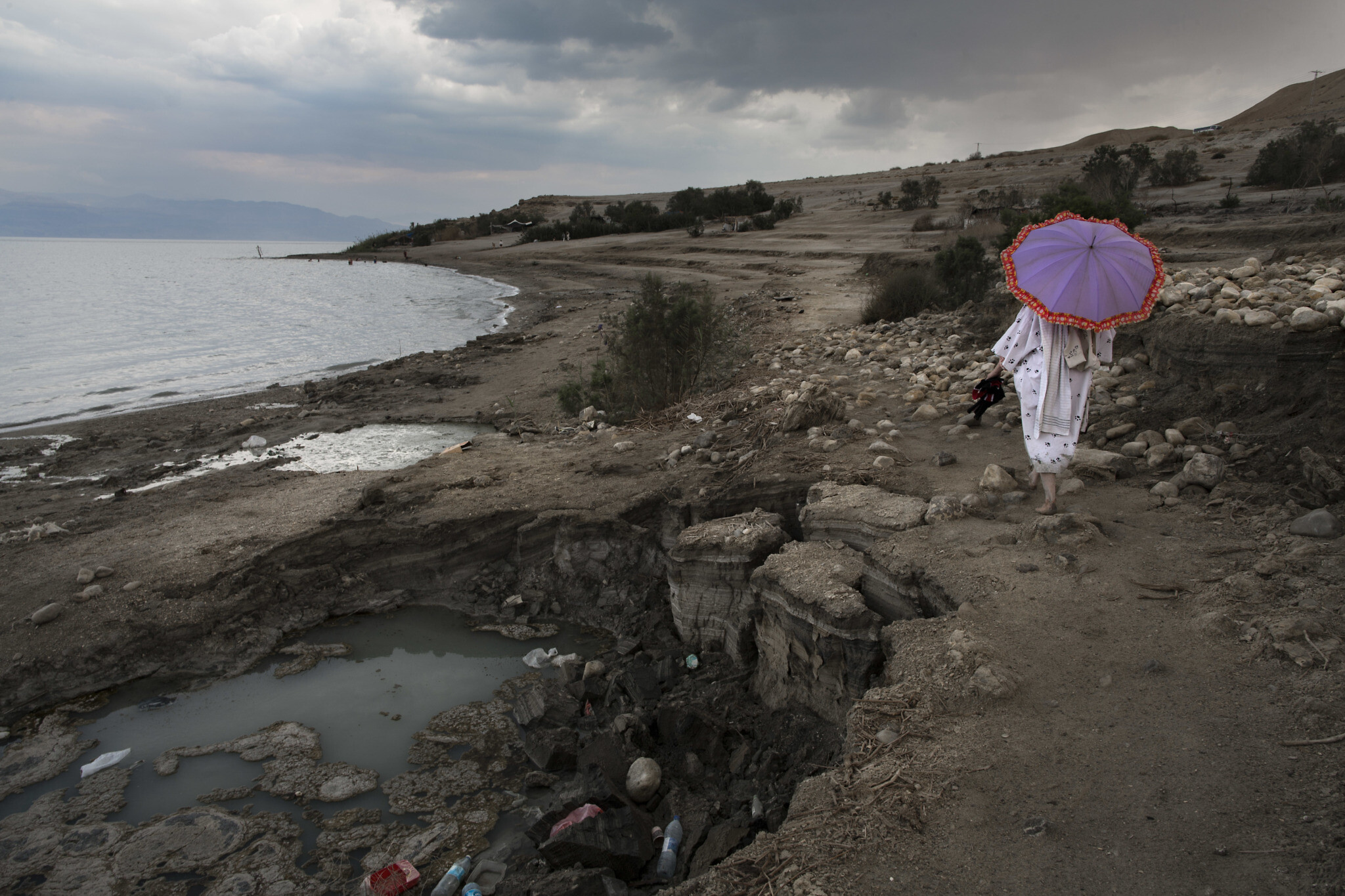
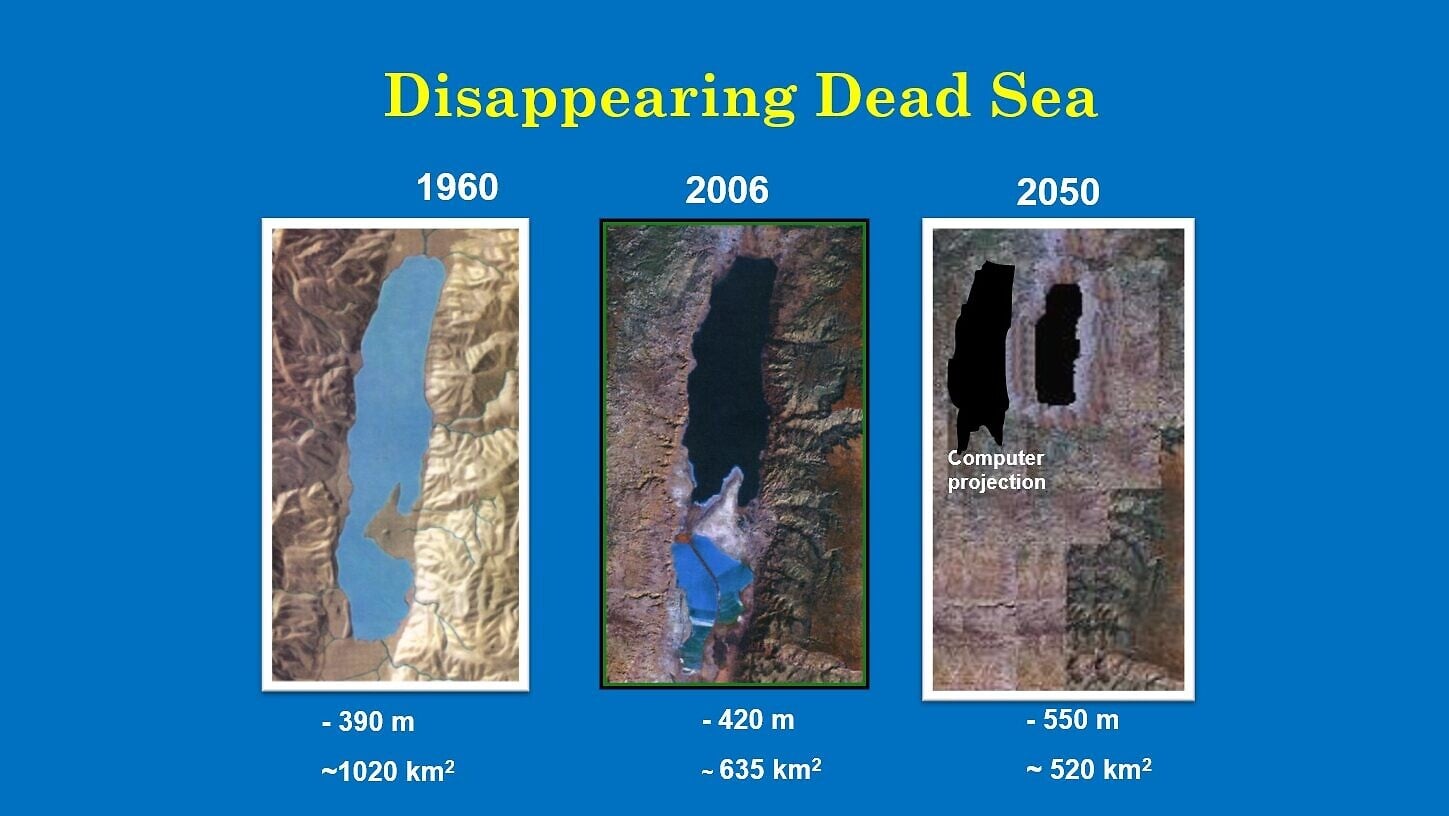
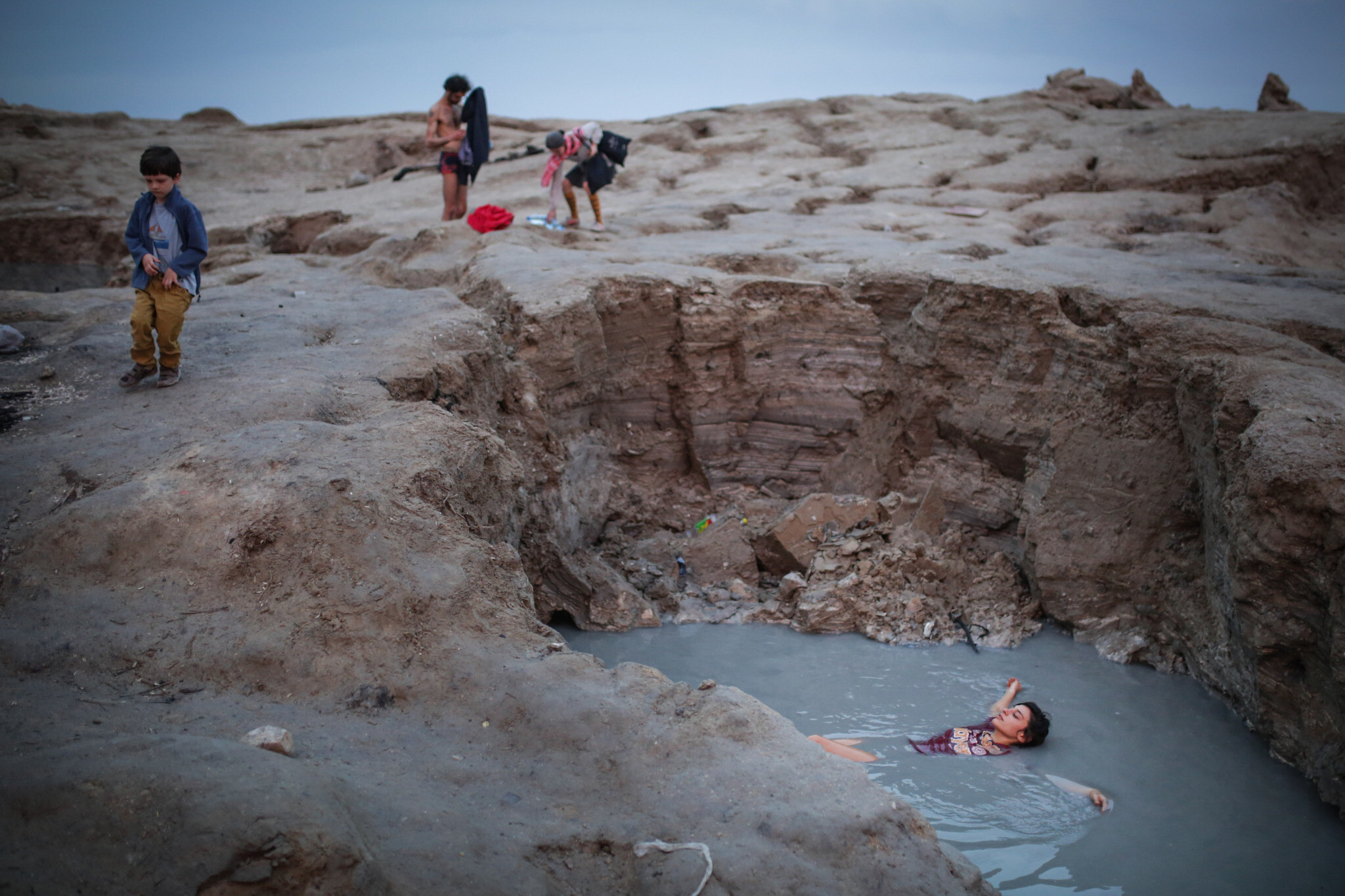
The shores of the Dead Sea are relentlessly receding; it is blighted by sinkholes. Its surface area today is some 600 square kilometers (234 square miles); in 1930, it was over 1,000 square kilometers (410 square miles).
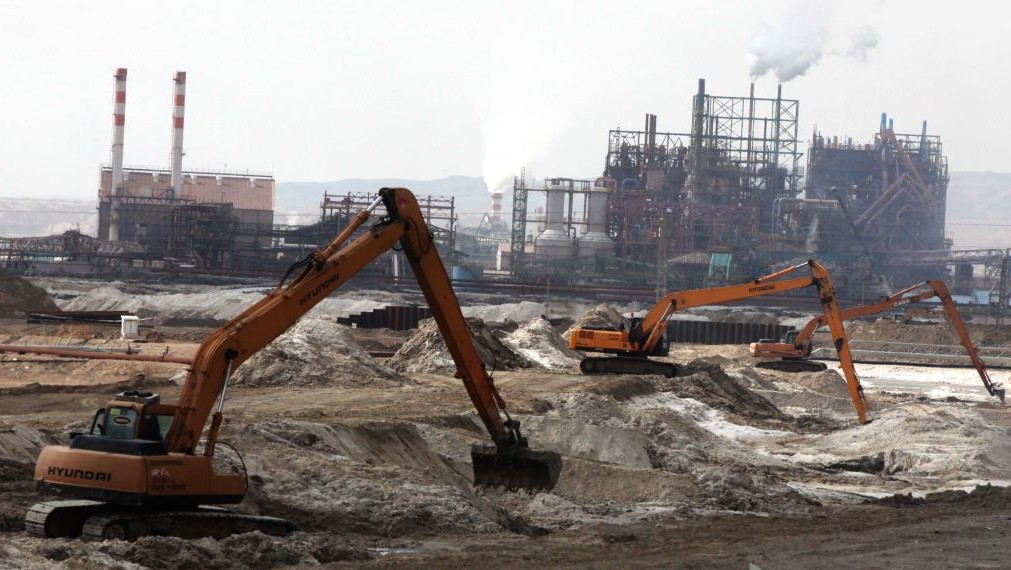
The Dead Sea Works, which earlier this year was granted generous new state licenses to continue pumping water out of the receding sea, is not the only — indeed not even the principal — offender. (The firm has been reported acknowledging that its activities are responsible for less than 10 percent of the Dead Sea’s shrinkage; environmental groups put the figure far higher.)
The fertilizer produced from the minerals it mines is crucial to food production, but if the area is to continue to be mined, the sea must be fully replenished, and the entire framework for its commercial exploitation must be radically remade to the national benefit — for current and future generations.
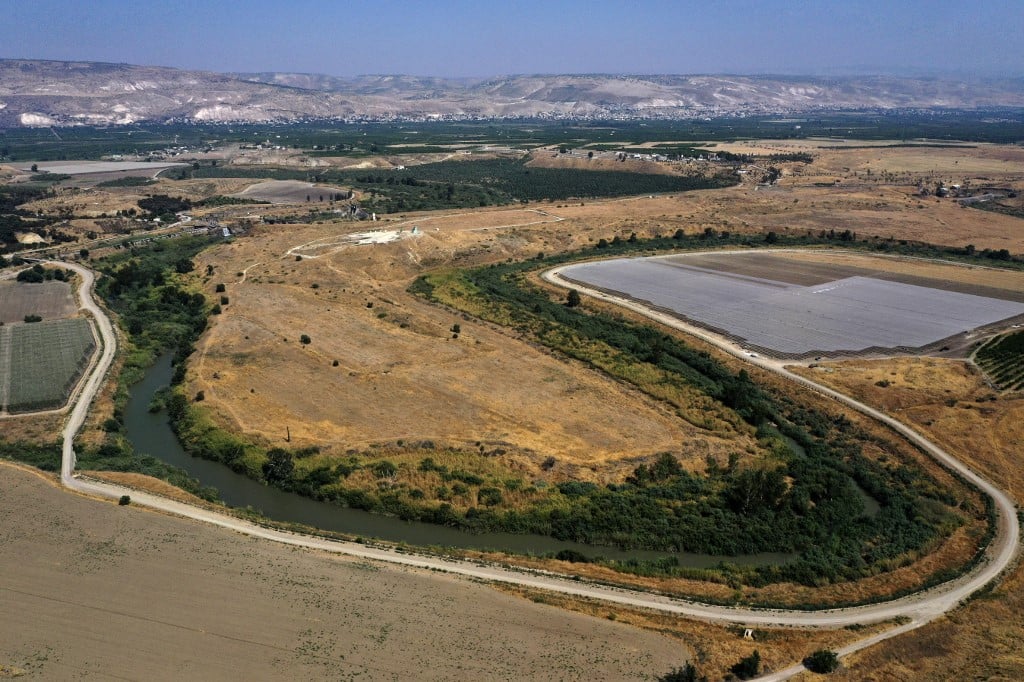
Yet as The Times of Israel’s environment reporter Sue Surkes documented in a major investigative article two years ago, the main factor in the disappearance of the Dead Sea is the near-complete cessation of what 80 years ago was an annual flow of some 1.2 billion cubic meters (975,000 acre-feet) of freshwater into the Dead Sea, mainly via the Jordan River, from the Sea of Galilee further north, which was in turn fed by the Hatzbani and Banias rivers.
Almost all of that flow has long since been diverted, notably by neighboring Arab states — in actions that played a major contributory part in the 1967 Six Day War — and by Israel, for drinking water, farming, hydroelectric power and industry.
These growing needs have only been exacerbated by falling precipitation levels.
So what is to be done?
The grandiose Red Sea-Dead Sea project, involving Israel, Jordan and the Palestinian Authority, appears to have fallen terminally out of favor. Israel is rewarming its relations with Jordan — this month agreeing to double the amount of water it supplies to the drought-blighted kingdom — and aiming to improve conditions for the Palestinians, under the watchful eye of a Biden administration seeking to minimize Middle East frictions. But the multi-billion dollar pipeline project is widely deemed to be prohibitively expensive, to be impractical, and to carry its own major potential environmental dangers.
More encouragingly, though still years away, Israel’s seventh desalination plant, ordered by former energy minister Yuval Steinitz for the Western Galilee, could come to constitute part of a solution.
Steinitz was motivated in good part by the imperative to restore the Sea of Galilee, the Kinneret, as Israel’s prime, dependable natural water resource, with a flow from the northern desalination plant ensuring the Sea of Galilee remains full. But it could potentially do more than that — sending sufficient water into the Sea of Galilee to enable the opening of the Degania Dam and the reliable restoration of water flow into the Jordan River and on to the Dead Sea, bolstering agriculture and tourism en route.
There are no quick, simple, inexpensive solutions to the crisis at the Dead Sea — much less to the region’s escalating water crisis, which continues to harbor potential for further conflict.
But falling desalination costs, technical advances, and new avenues of regional cooperation — as underlined by the Abraham Accords and the return of high-level interaction between Israel and its veteran Jordanian and Egyptian peace partners — could combine to produce new opportunities, or to realize proposals that might previously have been dismissed as unworkable.
The idea of a water flow sufficient to first halt the shrinking of the Dead Sea and then gradually replenish it via a route from the Western Galilee desalination plant, for instance, I was told, would likely cost Israel some $350 million a year. Perhaps the owners of the Dead Sea Works could find a first few million to help get the process rolling.
—
** This Editor’s Note was sent out Wednesday in ToI’s weekly update email to members of the Times of Israel Community. To receive these Editor’s Notes as they’re released, join the ToI Community here.









The Times of Israel Community.