

‘Oppenheimer’ offers a timely warning on the dangers of the climate crisis
Scientists thought the chances of an A-bomb destroying Earth were ‘near zero.’ We know now that climate change could obliterate humanity, but we continue along our destructive path

 Add ToI as a Preferred Source on Google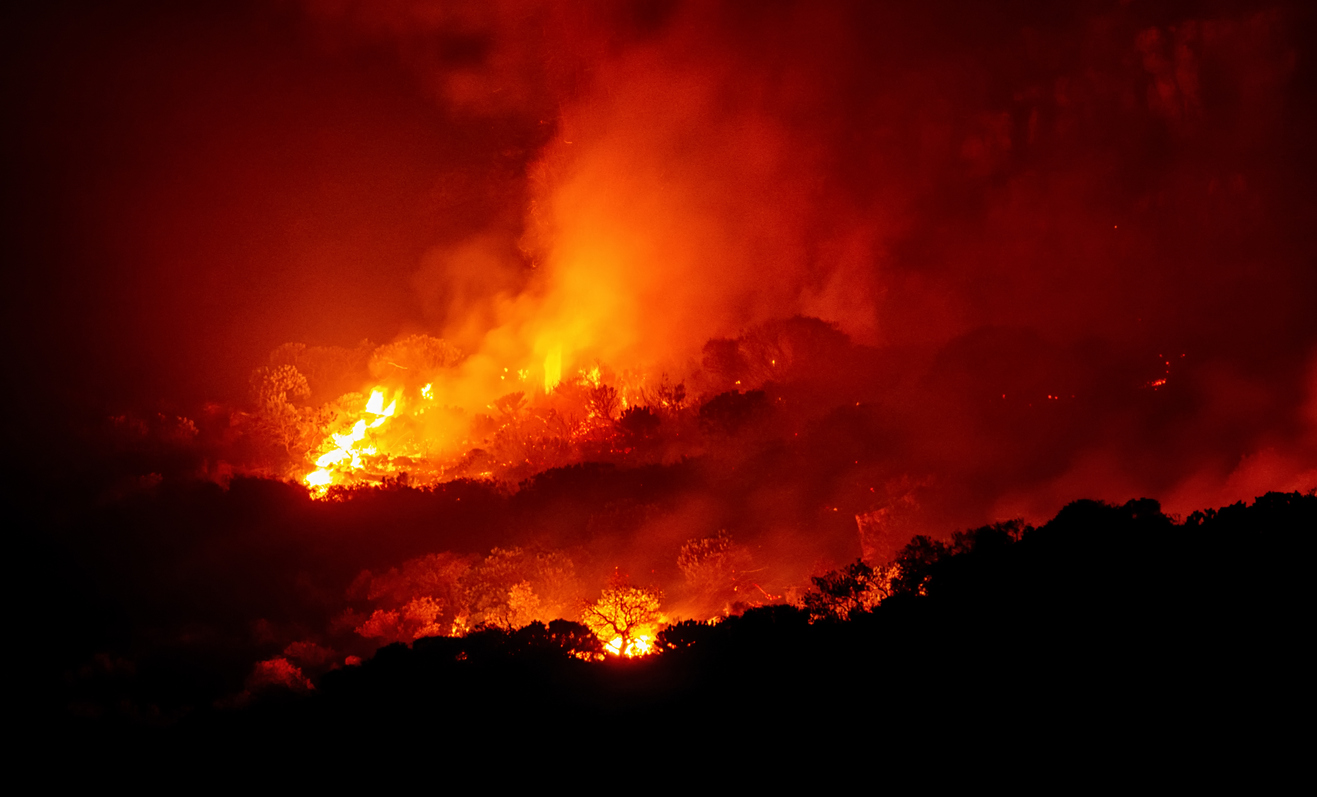
There’s a scene in “Oppenheimer,” Christopher Nolan’s new and devastating movie about the making of the first US atomic bomb, that shows fire slithering like glowing lava over planet Earth, as seen from space.
It was a short leap for me to imagine that I was seeing parts of the world on fire — it’s Canada and California’s turn at the moment — as climate change unleashes nature’s fury.
That wasn’t the only parallel (big spoiler alert) between aspects of the film and the destruction humanity continues to wreak on the Earth today.
Whether dropping the A-bomb on Japan was necessary or moral is not at issue here, nor is the historical accuracy of the events or characters depicted in the film.
But destroying the wondrous world on which we and all life depend is a theme that binds then and now.
In the movie, the scientists involved in the secret Manhattan Project understand that there’s a “near zero” chance that the bomb to be dropped on Hiroshima and Nagasaki will ignite the atmosphere and destroy the world. Close to, but not zero.
By contrast, today, we know with certainty that by continuing to burn fossil fuels that release gases into the atmosphere, we are causing chaos to Earth’s systems on a level that, at the very least, could one day obliterate the human race.
And we continue to do so as if we have all the time in the world, while our political leaders and company bosses turn up for glittering climate conferences to sign declarations that many of them will never keep.
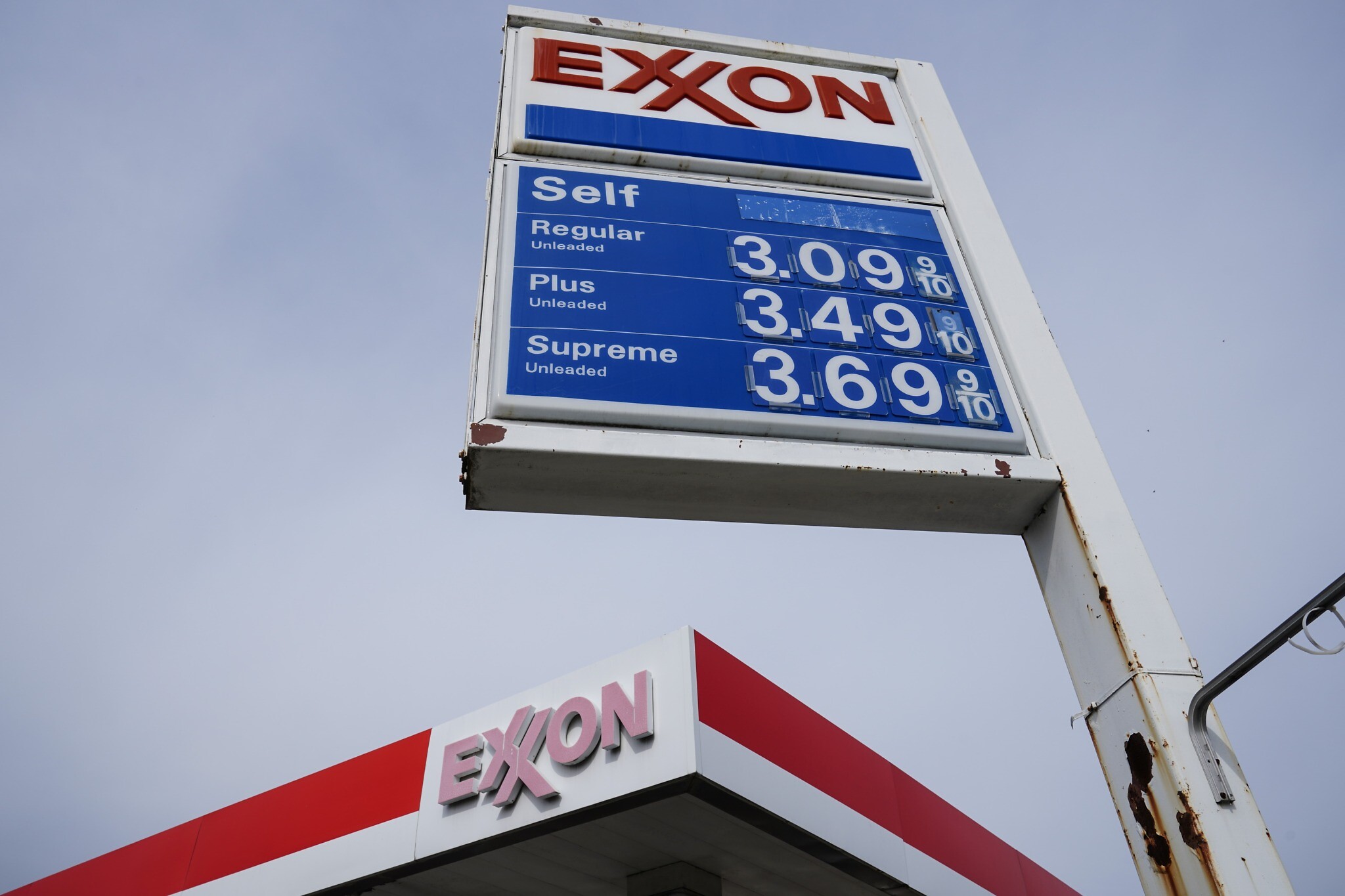
In the real world, we now know that the oil industry has known about the risks of global warming since the 1950s and that scientists at the Exxon company predicted what is happening today with astonishing accuracy during the 1970s. Despite that, and to maintain its profits, the industry has invested unimaginable amounts of money to pour cold water on the findings of thousands of scientists showing that the record-breaking heatwaves, droughts, storms, flooding, and more that we now see daily on our TV screens are human-caused.
According to the United Nations, coal, oil and gas account for more than 75 percent of the global greenhouse gas emissions that create a massive blanket around Earth, creating conditions like those in a real greenhouse. Scientists say the emissions have driven changes that are now taking humanity into “uncharted waters.”
Despite the science, climate denial is still alive and kicking, as I and colleagues in the media and academia see in responses to our articles and posts.
“Oppenheimer” is so staggering because of its ever-resonant portrayal of human nature: of mainly mediocre “leaders” who are driven to discredit those who are brighter or more successful than they are, with whom they disagree, or by whom they feel slighted. We see arrogance, self-importance, a lust for power and prestige, narrow interests, cynicism, cowardice, and what is at best a failure to comprehend — and at worst a total disregard for — the consequences of their actions. There’s an incredible lightness with which decisions of mind-blowing significance are taken.
Now look at how a coalition of countries, led by the Saudis, blocked a deal just last month by G20 countries to lower fossil fuel emissions. Those who profit from oil, coal, and gas — and who enjoy the luxury of airconditioned condos while people in developing nations suffer the brunt of the consequences — want to shift the focus from reducing emissions to somehow fishing them out of the atmosphere retroactively.
We can expect to hear a lot about the carbon removal technology of the future at the upcoming United Nations COP28 climate conference in Dubai, from November 30 to December 12.

That’s being chaired by the man who runs the Abu Dhabi National Oil Company — a fact not lost on environmental groups, many of which will boycott the confab.
Among the many examples of climate disregard in the US (presented as a fiduciary duty to put profit above all) is the massive investment by the leading banks of average citizens’ pensions and savings accounts in fossil fuels.
In the UK, on the advice of ruling Conservative Party bigwigs, Prime Minister Rishi Sunak and his government have started to water down climate commitments and turn them into a partisan issue.
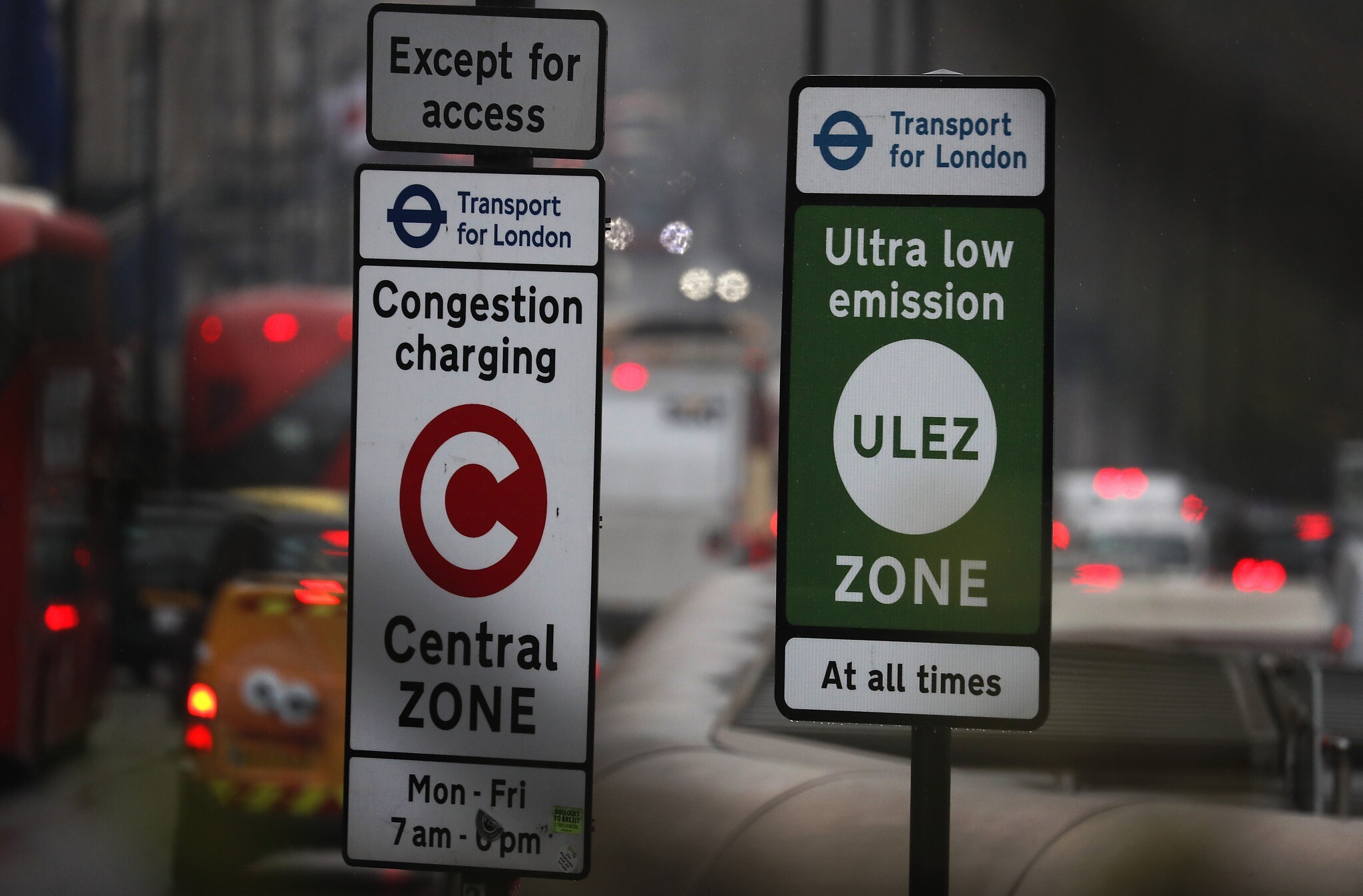
That’s following a surprise byelection win for the Tories in a parliamentary seat near London last month, a victory served up by suburban voters angry about the Labour London mayor’s plan to clean up the air by extending the capital’s Ultra Low Emission Zone and charging more drivers who use polluting cars.
In Israel, the climate isn’t even on the agenda under the current government, obsessed as it is with the judicial overhaul. It can’t even pass a Climate Law because the finance and energy ministries refuse to be tied to any emissions reduction goals.
“Now I Am Become Death, the Destroyer of Worlds,” says Cillian Murphy’s Oppenheimer at the end of the movie.
Leaders, take note.










The Times of Israel Community.