

PA plan seeks Palestinian state, IDF pullout within 3 years
Present a map of future Palestine or face international condemnation and an end to West Bank security cooperation, Abbas to tell Israel

 Add ToI as a Preferred Source on Google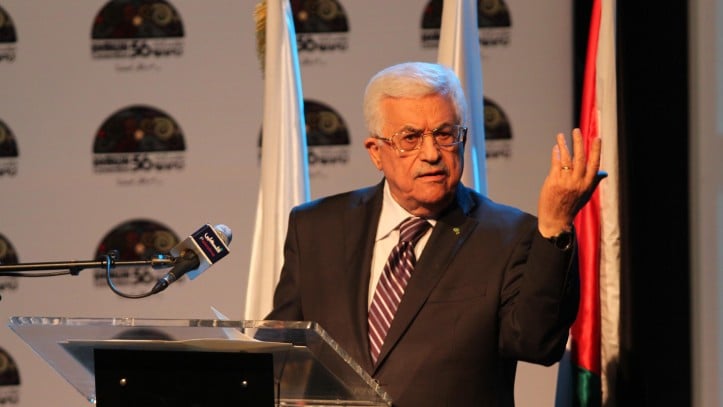
Palestinian Authority President Mahmoud Abbas plans to present a framework for renewed peace talks with Israel, according to a Palestinian ex-minister close to Abbas.
In an effort to jumpstart stalled peace talks and expedite the establishment of a Palestinian state, Abbas is preparing to present Israel with a specific timetable for talks and a detailed set of demands.
According to former PA minister of religious affairs Mahmoud al-Habash, the plan calls for new talks over a maximum of nine months, which would secure an Israeli withdrawal from the agreed-upon territory slated for the future Palestinian state in no more than three years.
Abbas is reportedly demanding that the chief issue of contention between the sides, the location of the borders between the two states, be determined at the start of talks. The first three months would be devoted to establishing the borders, and the following six months for the remaining issues, including refugees, Jerusalem, settlements, security arrangements and water, Habash said, according to the Ynet news site.
During the talks, Abbas will demand the freezing of settlement construction and the implementation of the fourth phase of the prisoner release that was called off as the previous talks broke down earlier this year.
Abbas is slated to present his plan to the upcoming gathering of Arab League foreign ministers in Cairo on September 7. PA chief negotiator Saeb Erekat and intelligence chief Majed Faraj have met with European leaders and are slated to travel to Washington to present the plan to senior American officials.
As The Times of Israel reported Monday, Abbas envisions filing a request with the Americans to pressure Israel to present a map of a future Palestinian state as the basis for substantive negotiations. After Israel presents the map, Abbas’s plan calls for the Israeli withdrawal according to the three-year timetable, and the establishment of a Palestinian state with Jerusalem as its capital.
If Israel rejects or delays resuming talks under Abbas’s proposed framework, the PLO, headed by Abbas, would turn to unilateral moves, including appeals to the International Criminal Court against Israeli policies and officials.
In such a scenario, Abbas intends to apply all the diplomatic means at his disposal to pressure Israel, including, within three months, to seek a UN Security Council resolution that recognizes the establishment of a Palestinian state on the 1967 lines.
Since the Palestinians expect the US to veto any Security Council resolution, they intend to then approach the General Assembly with the same request. After that, the PLO will seek to join international bodies and organizations, and then to campaign to have Palestine recognized as a nation under occupation according to the Geneva Conventions.
If none of those moves achieves Abbas’s goal of the declaration of a Palestinian state, he threatens to halt joint security operations with Israel, so central to the recent relative calm in the West Bank, and hand over all responsibility for rule in Palestinian cities to the IDF.
Were that to happen, the PA would effectively, if not formally, cease to function.
Ending joint security operations is still a long way off and, at this stage, there could yet be changes, developments, and restructuring of the Abbas plan. But, for Abbas and his close confidants, matters are clear: Israel has until the end of the calendar year to decide whether or not it intends to present a map of the future Palestine. If the answer is negative, a diplomatic confrontation between the PA and Israel will be unavoidable, and will also lead to the cessation of the joint security apparatus.







The Times of Israel Community.