

Record-breaking equestrian stars in new doc weaving her history with Israel’s
‘UnReined’ follows highs and lows of Nancy Zeitlin, a US-born Israeli who went from horse riding with the Tel Aviv elite to working as head trainer at the Jericho Equestrian Club
 Add ToI as a Preferred Source on Google
Jessica Steinberg, The Times of Israel's culture and lifestyles editor, covers the Sabra scene from south to north and back to the center
Horses gallop, canter and jump throughout “UnReined,” a new documentary about Israeli equestrian Nancy Zeitlin, a record-breaking rider whose life story, starting with her immigration from California as a child, scrapes all sides of the country’s lively melting pot.
The female-centered film — co-produced and directed by duo Marcia Rock and Naomi Guttman-Bass — examines the story of one American-Israeli immigrant whose equestrian life has been vastly influenced by Israeli history, starting with the 1967 Six Day War and leading all the way through to the Second Intifada.
Rock, director of news and documentary at New York University’s Arther L. Carter Journalism Institute, said that there are two threads to the story depicted in the documentary.
“There’s the bigger picture of how her life was affected by political and military decisions and pressures on Israel,” said Rock. “But the other part is the personal, which gives life to it. She has lived intimately with Christians, Jews and Palestinians. That seemed very delicious to explore and to engage people in the reality of human life of the country.”
Zeitlin’s story begins in the late 1960s, when her parents brought their five kids from comfortable, suburban San Diego to Israel, fulfilling the Zionist dreams of her mother.
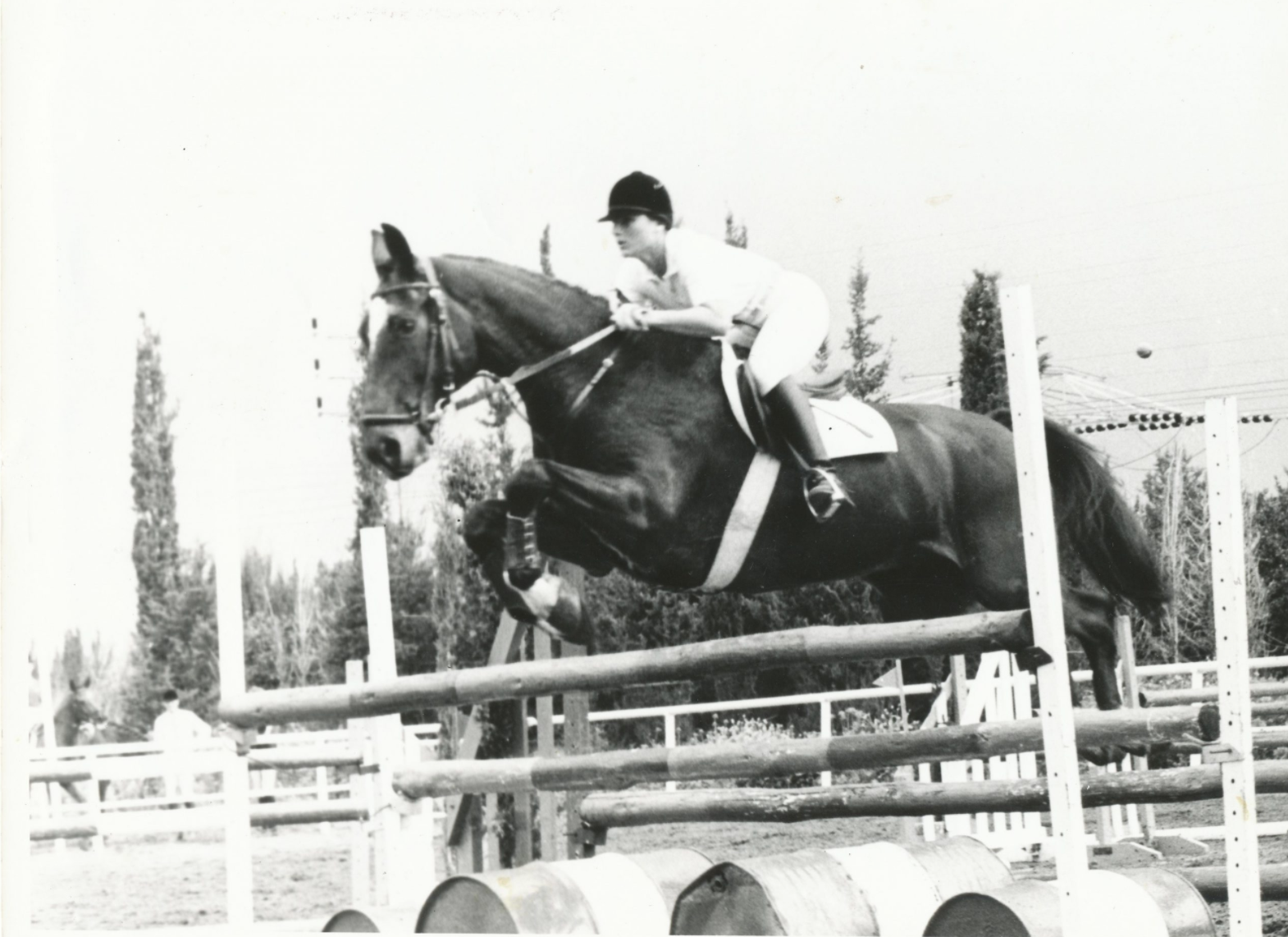
Then 10 years old, Zeitlin told her parents she wouldn’t come “to this godforsaken place” unless her parents bought her a horse.
“[Riding] horses is a bug that either you get or you don’t,” Zeitlin said. “Horses were always my oasis.”
The steeds were her saviors, a constant in a life full of personal ups and downs.
“I loved that Nancy had to overcome so many barriers and obstacles and just pushed ahead,” said Guttman-Bass. “I found it fascinating that she could do that and keep moving and keep being positive.”
In the late 1960s the Zeitlins settled in the north Tel Aviv neighborhood of Ramat Aviv, with Shimon Peres and his family as neighbors (Chemi Peres, Shimon’s son, is one of the film’s narrators). And while Nancy didn’t own her own horse until she was 15, she rode at Tel Aviv’s Gordon Stables alongside members of Tel Aviv’s high society.
“It was my social outlet,” said Zeitlin. “I refused to speak Hebrew for the first two years.”
At those stables Zeitlin became Israel’s premier female rider — and made the friends and connections that have sustained her until the present. She served in the army, and holding Israel’s equestrian high jump record, launched an Olympic bid that was curtailed because there wasn’t enough money in Israel to pay for the right kind of horse and coaching.
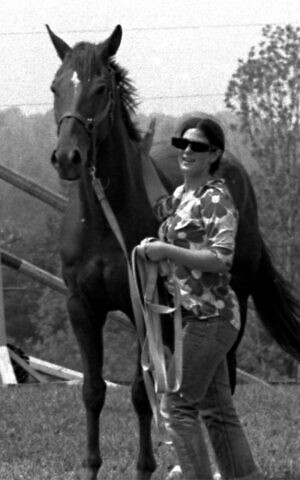
Back home, now with a Dutch boyfriend who later became her husband for a decade, Zeitlin was thrust into a seismic change that created deep rifts in her family when her father, brother and sister became ultra-Orthodox.
Still, said Zeitlin, “I was always ‘back at the ranch’ with the horses.”
After her first marriage ended, Zeitlin had one son as a single mother. Her ultra-Orthodox brother then introduced her to a Haredi man whom she married, disastrously, and divorced six months later, pregnant.
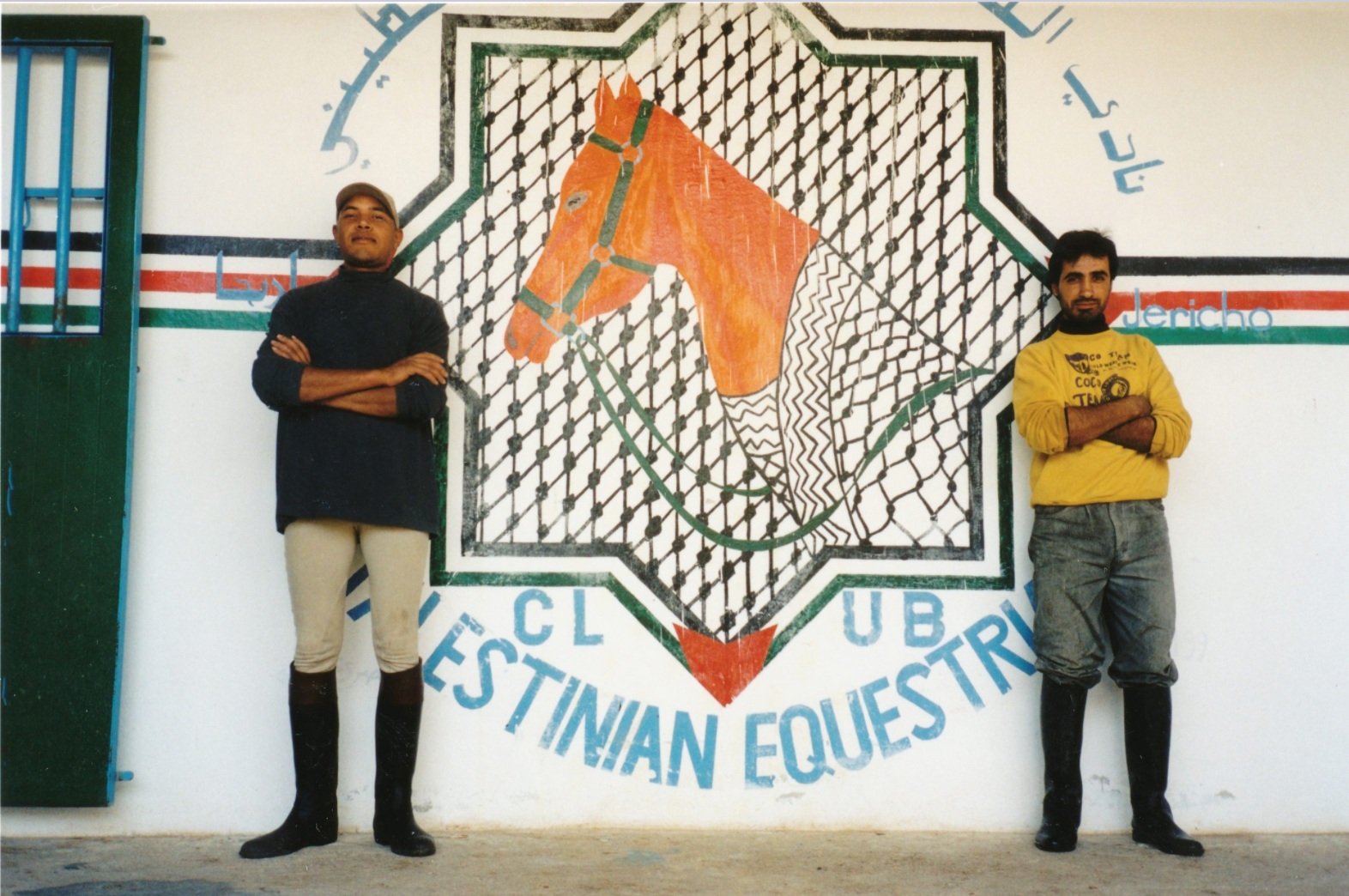
The next stage of Zeitlin’s rocky love life took place in the 1990s, when she became head trainer at the Jericho Equestrian Club, a massive sports complex built in 1997. She commuted from Jerusalem for a decade, even during the terror attacks of the early 2000s.
Zeitlin and her children were deeply involved with the club, where her younger son became a champion rider. She became romantically involved with one of the Palestinians from the club, another relationship that ended badly.
“She’s a much better judge of horses than men,” said Rock.
Zeitlin was open to working with the Palestinian community and wanted to normalize Israeli relations with them, despite her seemingly right-wing views, she said.
“What I love is that she voices the attitude of right-wing Jews, which she was, and when she met Arabs, smoke didn’t come out of her nose,” said Rock.
There were more challenges still to come, as Zeitlin’s younger son also became ultra-Orthodox, dashing her heady dreams for him as a rider and engineer. He is now married with two children of his own, and is still on good terms with his mother — as is her older son, who is secular.
Zeitlin now works as a senior riding instructor, often with disadvantaged youth, and judges local competitions.
It’s happy work, said Zeitlin. “Horses are my anchor.”
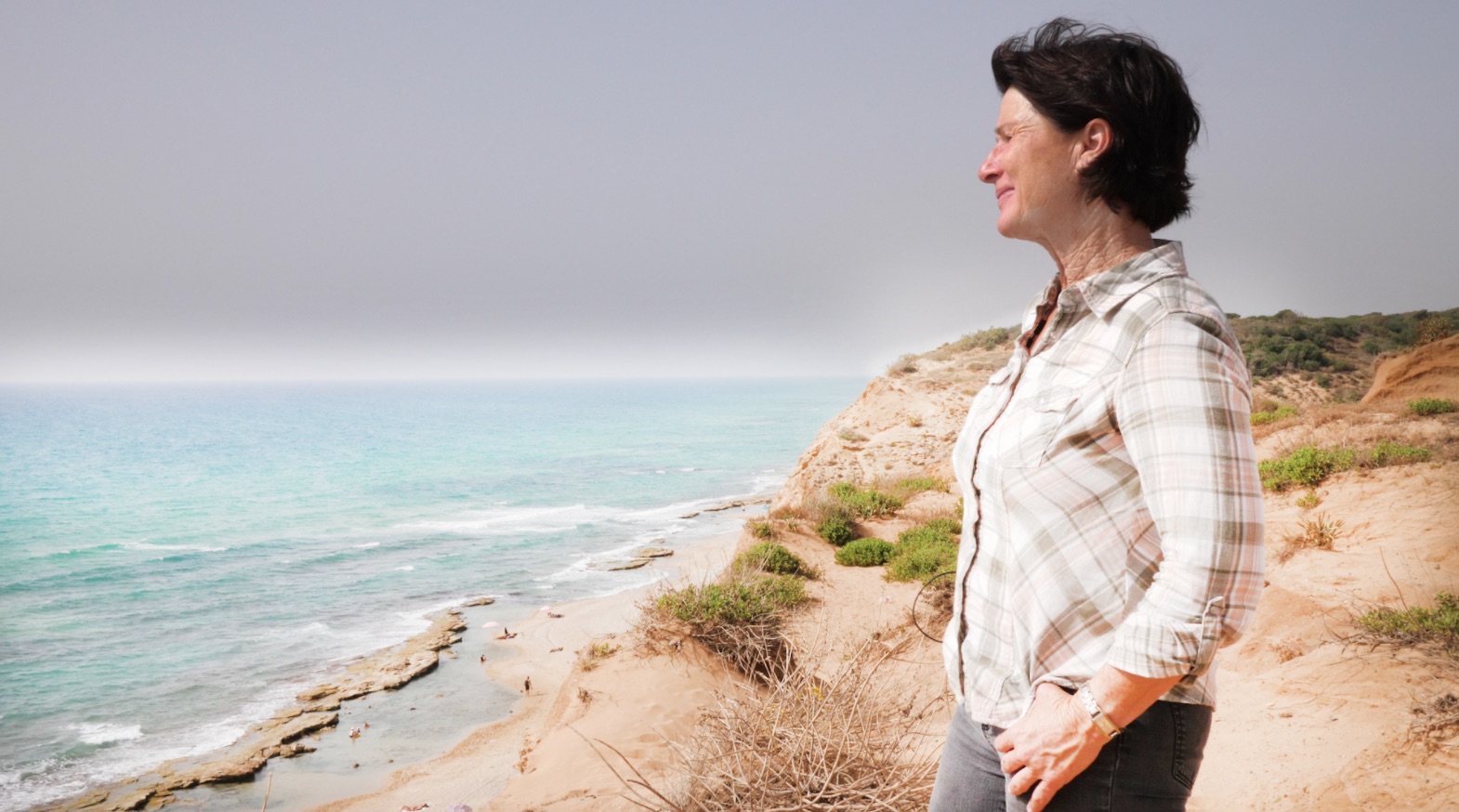
In the last few years Guttman-Bass, also an American immigrant who arrived in Israel during the 1970s, met Zeitlin when the latter became her riding instructor.
Zeitlin was a wonderful teacher, encouraging and caring, and with a fascinating story, said Guttman-Bass.
She roped old friend and fellow filmmaker Rock into the project, knowing she would appreciate the historical and political elements of Zeitlin’s story.
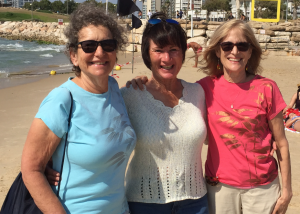
“The connection with horses gave us a lot of visual interest, the story of Israel gave us something to pull together,” said Guttman-Bass. “And Nancy let us into her life.”
After four years of filming and edits, the documentary is heading to the festival circuit, although it’s a complicated year for festivals given the pandemic.
So far, “UnReined” is being screened at the Equus Festival in Lexington, Kentucky, in November, and is scheduled to be screened at a festival in Montana in 2021.
As for Zeitlin, she went on to earn a law degree — something she has always wanted to do — but horses remain her main passion.
“Horse people, we want to be a little more with horses and a little bit less with people,” she said. “Riding took me down different paths and it’s the same thing with the film. The message of the film is ‘follow your heart, and the heart has a mind of its own.'”







The Times of Israel Community.