

Shin Bet chief said to warn cabinet that expulsion bill could harm security
Nadav Argaman reportedly tells ministers legislation allowing eviction of terrorists’ families may damage agency’s information-gathering, will raise tensions
 Add ToI as a Preferred Source on Google
The head of the Shin Bet security service advised ministers that a bill that would allow Israel to forcibly relocate the families of Palestinian terrorists from their homes to other areas of the West Bank could harm Israel’s security rather than improve it, the Haaretz daily reported Monday.
Nadav Argaman warned the top level security cabinet at a meeting Sunday that rather than acting as a deterrent, the proposed legislation could further raise tensions, would be difficult to implement and would even damage the service’s ability to gather information.
Despite Argaman’s warning the Ministerial Committee for Legislation later approved the bill, which is backed by the national religious Jewish Home party under the leadership of Education Minister Naftali Bennett.
Bennett had demanded the government give its approval to the bill in the wake of a spate of terror attacks since last Sunday which have killed two IDF soldiers, caused the death of a baby — delivered prematurely after his mother was shot — and injured nine other Israelis.
According to the legislation proposed by Jewish Home MK Moti Yogev, within a week of an attack or an attempted attack, the IDF’s Central Command will be permitted to expel the relatives of the Palestinian assailants from their hometowns to other parts of the West Bank. Current laws only enable relocation if there is a suspicion that the relatives were involved in the attack.
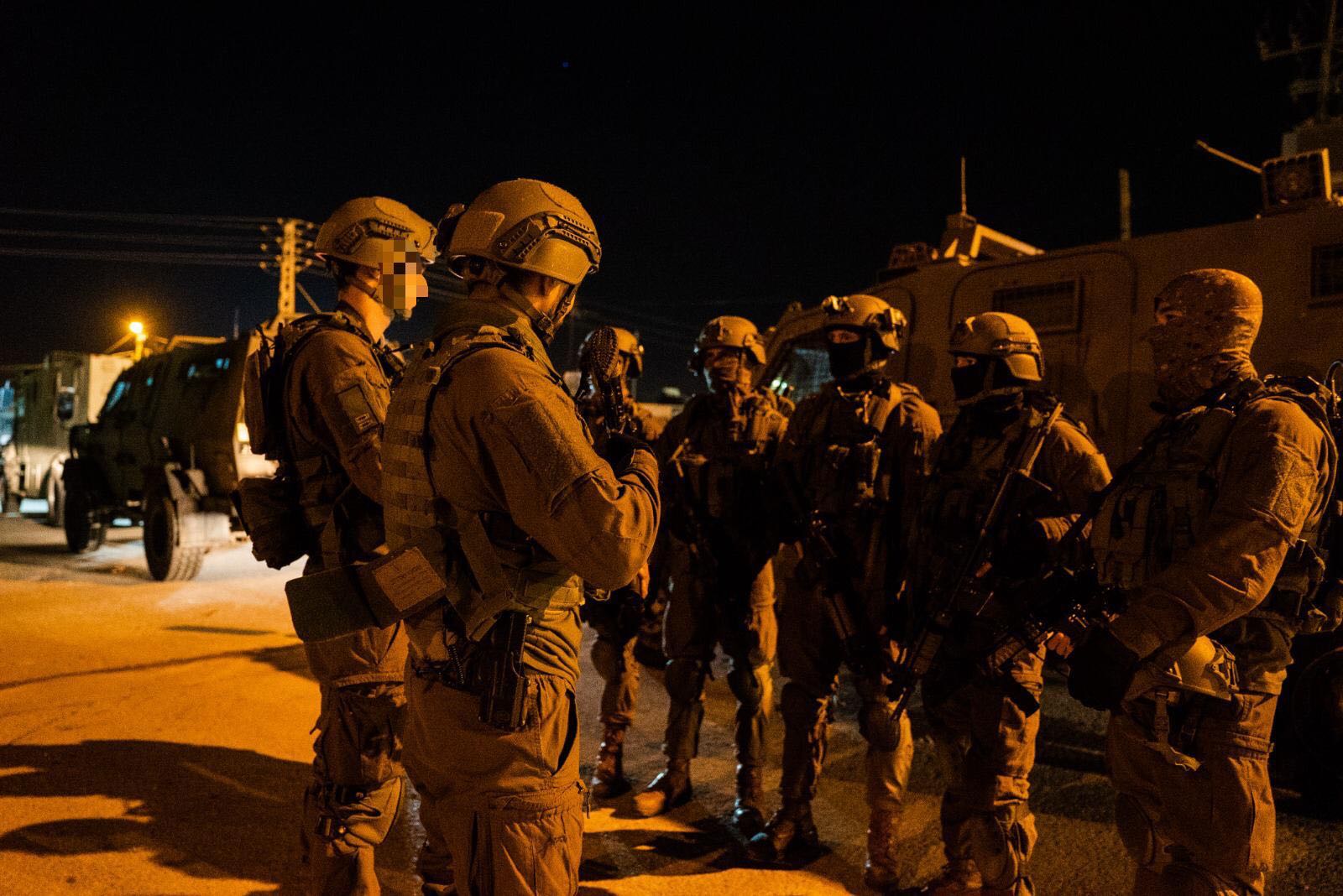
Along with Argaman, IDF Chief of Staff Gadi Eisenkot and Attorney General Avichai Mandelblit also advocated against the legislation during the security cabinet meeting that sources described as stormy, Haaretz reported.

The Shin Bet said in response to the report: “We don’t comment on closed door meetings.”
Sources who were given details of the meeting told Haaretz that Argaman, who at times exchanged strong words with ministers, warned of wide consequences of applying the proposed legislation.
“We will not be able to do a tour of addresses, to go daily into the [Old City], to Hebron, to Nablus, and see who is living where and if the family has returned to its home. This law will bring about the opposite result from deterrence, since implementing it will bring tensions which may affect the situation on the ground in a negative way.”
Argaman also told the ministers that the bill could have an detrimental effect on investigations of terror attacks.
He explained that a key tool for the Shin Bet in preventing terror attacks and gathering information is the use of administrative detention in which suspects can be held for extended periods without charges, the sources said. Expelling them would scatter potential sources of information. A similar problem, Argaman noted, exists in investigations of Jewish terror activities or extremist settlers who are often ordered by the courts to stay out of the West Bank, hampering Shin Bet efforts to glean information.
The army backed up the Shin Bet, with one Israel Defense Forces official positing the law was being advanced due to public pressure rather than an operational need. The IDF official, who was not identified in the report, pointed out to the ministers the practical limitations of expelling families.
“How exactly will we do it?” he asked, according to Haaretz. “We shove the families into the Hebron hills? And then what, will we monitor that they don’t move, or chase after them each time they return to their villages?”
Mandelblit told the meeting it will be hard to defend the law in the High Court, and that even it if is allowed it is likely to harm Israel’s legal standing in the international arena. He said there is a concern that the law could result in claims of war crimes against the expelled families being brought to the International Criminal Court in The Hagaue.
Coalition sources told The Times of Israel Mandelblit argued that the bill was “unconstitutional” in that the family of a terrorist could not be punished without proving they intentionally helped the attacker.
Bennett has recently said the army has become too concerned with the legalities of war to fight effectively. At a Sunday morning rally calling for a tougher response to recent terror attacks in the West Bank, Bennett claimed that a consequence of that concern was Israel’s failure to destroy the homes of terrorists immediately after attacks are committed.
Home demolitions is a controversial punitive measure which enables the IDF to destroy the place where a terrorist was living, usually the family home. Its effectiveness is unclear and has been doubted by some analysts.
The legislation committee eventually voted to grant coalition support for the bill, meaning that coalition members would be obliged to support it in all further readings in the Knesset, but there was no decision about when a preliminary vote would take place. Since the proposal was a private member’s bill and not official government legislation, it will require a preliminary vote in the Knesset plenary before three additional readings.









The Times of Israel Community.