

Sky gazers around the world marvel at ‘supermoon’
Earth’s satellite appears bigger and brighter Monday night than at any time since 1948
 Add ToI as a Preferred Source on Google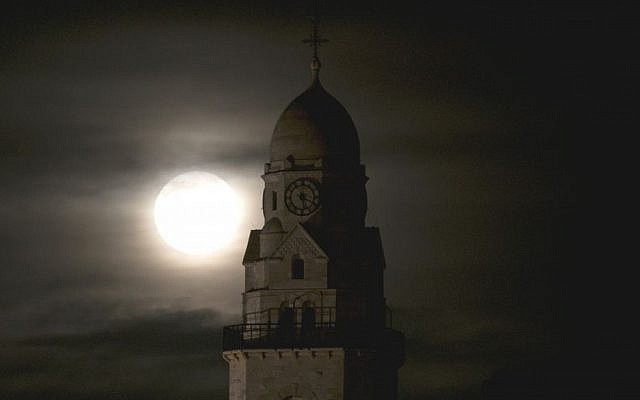
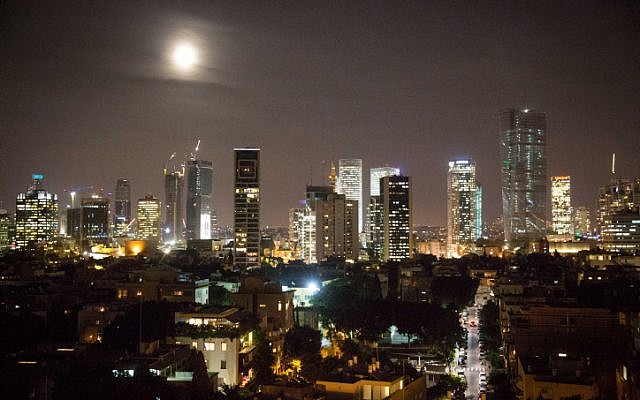
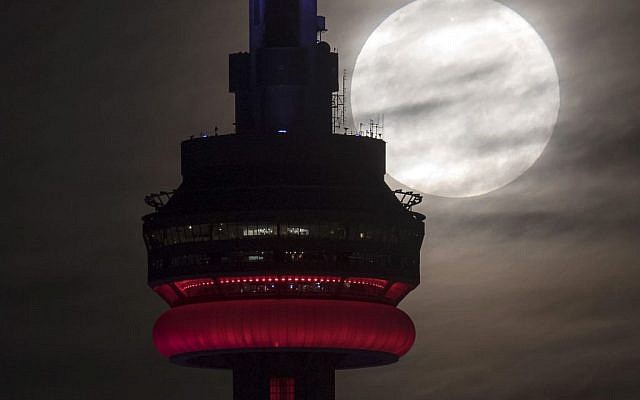
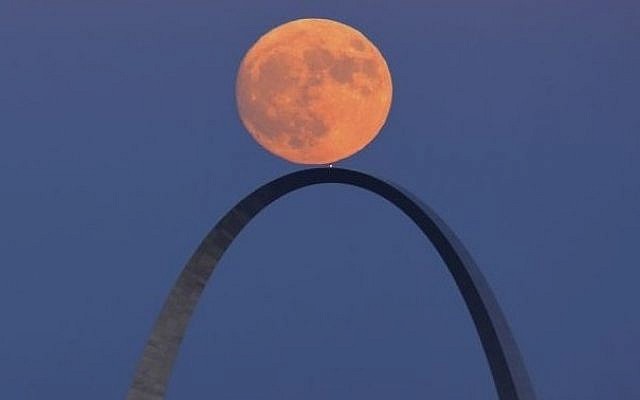
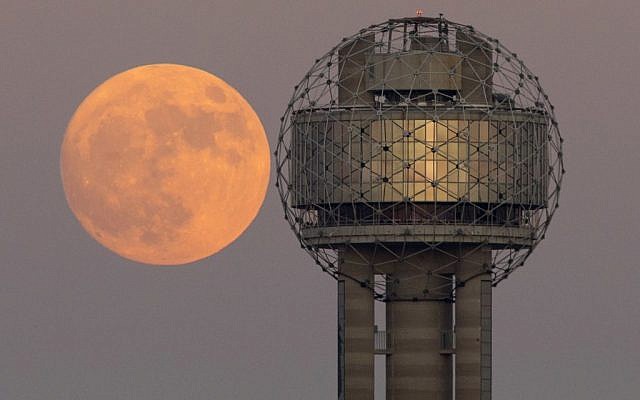
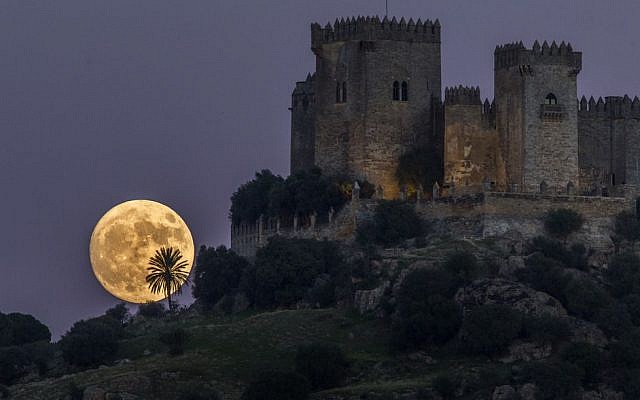
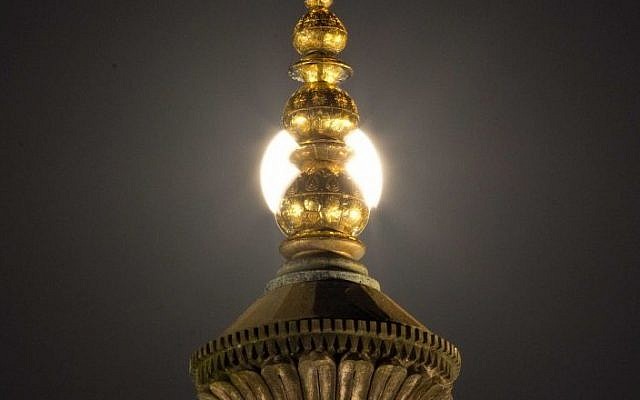

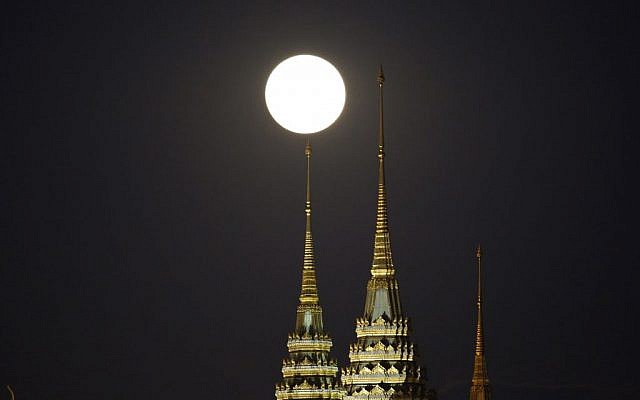
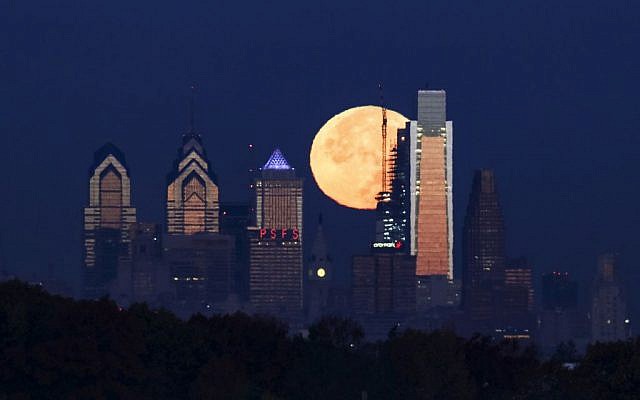
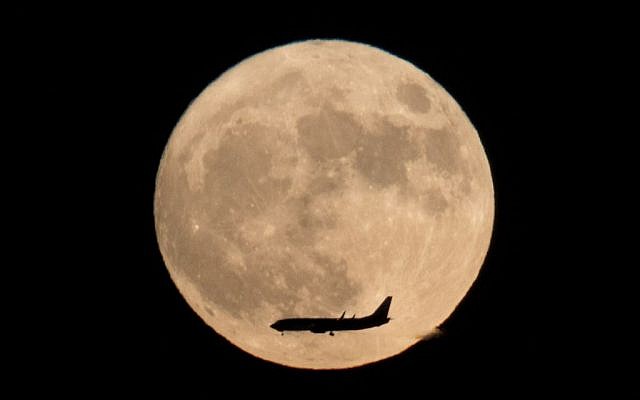
Israelis joined skywatchers around the world on Monday in marveling at the unique “supermoon” phenomenon, with Earth’s satellite said to loom bigger and brighter in the sky than at any time since 1948.
In Jerusalem, dozens of Israelis gathered on the Haas Promenade to take photographs of the event. Some expressed disappointment that the moon was mostly covered by clouds.
The phenomenon known as the supermoon reached its peak luminescence in North America before dawn on Monday. Its zenith in Asia and the South Pacific was Monday night. Across the international dateline in New Zealand, it was to reach its brightest after midnight Tuesday local time.
The moon orbits the Earth in an oval shape. The moon will be at its brightest this week because it is coming closer to the Earth along its elliptical orbit than at any time since January 1948. The supermoon will also bring stronger than usual high tides, followed by plunging low tides the next morning.
Viewers can expect to see a moon about 14 percent larger in diameter and about 30% brighter than when it’s at its furthest distance from the Earth. It won’t be as big and bright again for another 18 years.
NASA says its closest approach will occur at 6:21 a.m. EST (1121 GMT) Monday when the moon comes within 356,508 kilometers (221,523 miles). That’s from the center of the Earth to the center of the moon. Full moon will occur at 8:52 a.m. EST (1352 GMT).
According to the astronomy website earthsky.org, the term “supermoon” entered usage five years ago, when the closest full moon fell on March 19, 2011. The scientific term is “perigee full moon.”
In 2034, the moon will come even closer, within 356,456 kilometers (221,485 miles). That, too, will be a supermoon.










The Times of Israel Community.