

Solar device promotes another kind of energy independence
Israeli householders may be able cut their ties to the Israel Electric Corporation altogether
 Add ToI as a Preferred Source on Google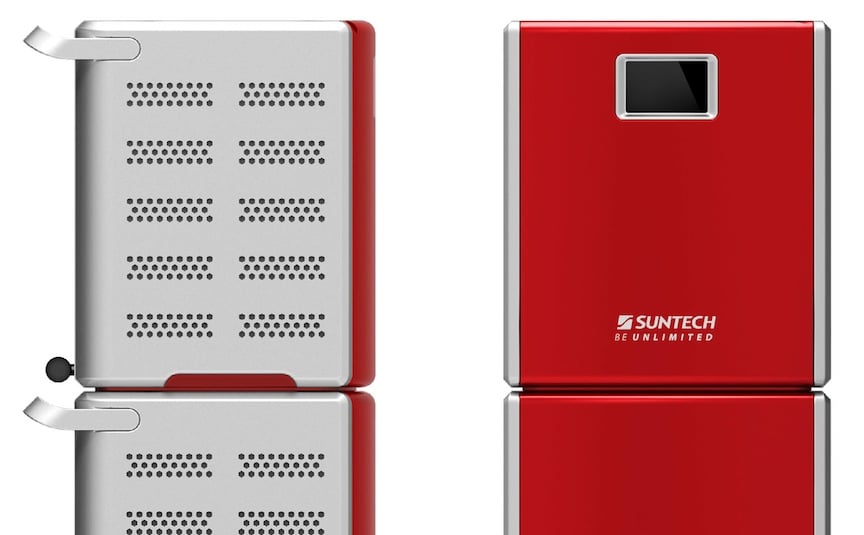
The Israel Electric Corporation has a new competitor — the sun. For the first time, Israelis will have the option not only of generating their own electricity from solar power, but of storing and using that power even when the sun isn’t shining. But given the IEC’s track record on solar energy production, some fear that the company will try to ensure that it doesn’t lose too many customers by keeping a new Chinese-made storage system out of the hands of Israelis.
Despite Israel’s recent gas finds, the price of electricity keeps increasing. By 2015, it will have increased by a whopping 40 percent over 2011 price levels. At some point after 2015, say economists, a “gas discount” will kick in, as the Israel Electric Corporation begins to use natural gas from the Tamar and Leviathan gas fields and cuts its imports of more expensive fuel.
For some people, though, the notion of a monopoly like the IEC cutting prices just because it’s paying less for raw materials sounds like an impossible dream. More likely, they believe, the savings will go into capital expenditure, rebuilding or retooling electrical substations and the like, or, more likely, paying off the company’s enormous NIS 70 billion (nearly $20 billion) debt.
To get off the price hike treadmill, some Israelis have been installing PV (photovoltaic) electricity systems on their rooftops. PV systems consist of an array of solar-collection panels and a device to convert collected solar energy to electricity. The system is usually connected to the local electrical service provider. Households with PV systems get a special meter that measures the amount of electricity produced by the system, for which they get a credit with the electric company which is deducted from the amount they spend on their energy usage. At the end of the billing period, the electric company either collects the amount owed (very rare for PV system owners), or sends the PV system owner a check for the electricity produced in excess of what was used (a much more common scenario).
Installing a PV system can cost several hundred thousand shekels, which most PV system owners borrow. The length of time needed to pay for the system and begin making money from the electric company is 8-15 years, depending on the size and quality of the system.
PV systems are a good way to save money in the long term, but it still leaves users very dependent on the whims of the electric company. In Israel, owners generally draw their electricity not from the solar power they collect but from the general “electricity pool,” with all the power generated by the PV system sold to the IEC.
Unfortunately for them, IEC has changed the terms and conditions of the deal with PV owners several times, reducing by nearly two thirds, for example, the amount of money paid per kilowatt hour generated by PV systems (the IEC, in its defense, says that the decrease was due to the canceling of government subsidies for the PV program).
In the past, there was really no way to store solar energy, which is one reason a PV system needed to be connected to the electricity grid. But what if you could store the PV power you produced, drawing on it when the sun wasn’t shining? With a system like that, a PV household could basically have all the free electricity it wanted, anytime, and cut its lines to the IEC (with maybe a private oil-based home generator for backup).
It’s a different kind of Israeli “energy independence” dream, and it’s now within reach, thanks to the Residential Energy Storage System, developed by Chinese solar giant Suntech and set to be imported by Enerpoint Israel, a local solar tech company that was bought several years ago by the Italian Enerpoint energy conglomerate. A high-ranking official in Enerpoint Israel who asked not to be named said that the RESS — essentially a big battery that can store PV-generated electricity (the first in the world to be able to do so), “will allow IEC customers to declare independence for the first time. The price for a PV system is much lower than it used to be, and with RESS, homeowners can use their own PV-generated power as they wish, paying off the loans for the PV installation much more quickly than they could with the IEC with the money they save.”
Why not just stick with the tried and true energy credit PV program approved by the IEC? Because the electric company is ripping people off, the executive said. “It’s become an absurd situation. It costs the electric company far less to produce a kilowatt of electricity than they are paying participants in the program. Instead of sharing the wealth, they are keeping the extra for themselves, making it less cost-effective for householders to bother with PV, and further discouraging solar energy use in Israel.
“With this system, users can get off the treadmill and live the real dream of solar power, drawing from the free power supplied by the sun as needed,” the executive said, adding that “roughing” it without the IEC can work if the system is big enough (he recommends a 100-150 square meter PV panel setup) and by wisely using the sun’s power (such as running heavy-use electrical appliances like washing machines during the daylight hours), and relying on the RESS for lighter electrical uses. “In a sunny country like Israel, it should be easy to get into this kind of usage rhythm,” he said.
There’s just one problem with this scenario; Enerpoint hasn’t actually begun importing the RESS systems yet, and is still negotiating with the Customs Authority for an import permit. Could the IEC take this opportunity to kibosh the deal? The company’s previous record on private solar energy production has not been stellar. Besides changing the terms of its deal with PV system owners, the IEC dragged its feet last spring on setting up a new metering system to enable PV householders to take advantage of a technology that would enable them to actually use their own solar-produced electricity. While the credit system would remain in place, the new technology enables householders to draw power directly from their PV systems, instead of the electrical grid, with the excess sent to the IEC, and non-solar power drawn from the grid when necessary.
The IEC was asked at least three times by customers and government officials (the Electricity Authority, the main government utility regulatory authority) to open up an application system for PV owners who wanted to change their IEC connection in order to enable them to use their own solar-generated power. It took the IEC months to open up the application system; as of this writing, the applications are still being “considered,” leading the Electricity Authority to sharply criticize the IEC’s behavior. The IEC stated that changing the metering system for these customers was “very complicated,” and would take “at least seven months.”
The Enerpoint executive said that the company was ready to do battle with the IEC, and was confident that the Suntech RESS would receive import approval. “As far as I know, there is no law that says you have to get power from the Israel Electric Corporation. Maybe they will get that law changed, but until then there are no grounds whatsoever for the RESS to be banned,” the executive said, adding, “don’t quote me, but as far as I am concerned the IEC can go to where the sun don’t shine.”







The Times of Israel Community.