

State Department to discuss combating anti-Semitism in Europe
Meetings will be part of conference on religion, feature external experts including from WJC and US Holocaust museum
 Add ToI as a Preferred Source on Google
WASHINGTON — The State Department is including two sessions at a conference on religion on how best to combat anti-Semitism throughout Europe.
The sessions, led by Ira Forman, the department’s envoy to combat anti-Semitism, will take place next week in Washington, DC, during the department’s inaugural conference on religion and diplomacy. Outside experts, including from the World Jewish Congress and the US Holocaust Memorial Museum, will be among the panelists.
The conference will bring together “government leaders, academics, scholars, religious practitioners and community activists,” a statement said, as well as State Department staff.
Shaun Casey, the US special representative for religion and global affairs, said the sessions on anti-Semitism are necessary because expressions of anti-Semitism change from country to country and are in flux.
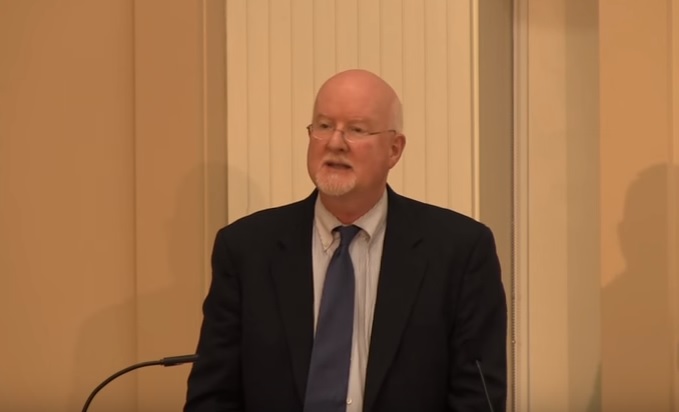
“One of the things Ira has been looking at carefully is the texture of anti-Semitism varies from country to country,” Casey told JTA. “We try to test the different configurations of dynamics and forces that lead to anti-Semitic acts. Anti-Semitism is evolving and mutates as demographics change and politics change.”
Casey said the US government reacts differently in each country depending, for instance, on how invested the government is in combating anti-Semitism. In some cases, when there is government inaction, US diplomats may try to persuade civil society leaders to speak out.
“Sometimes we engage governments to say, ‘You need to dial it back,’” he said. “Sometimes what we try to do is find society voices in various countries and nudge them.”



The Times of Israel Community.