

UK says South Sudan civil war amounts to ‘genocide’
UN also warns of ‘a strong risk of violence escalating along ethnic lines’ in world’s youngest country
 Add ToI as a Preferred Source on Google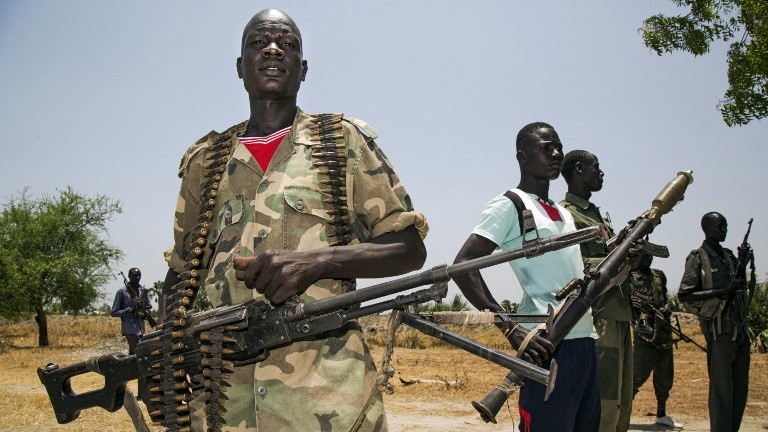
ENTEBBE, Uganda — Targeted killings of specific ethnic groups in South Sudan’s civil war amount to “genocide,” according to Britain’s International Development Secretary Priti Patel.
“It’s tribal, it’s absolutely tribal, so on that basis it’s genocide,” Patel told reporters in Uganda on Wednesday, according to a ministry press officer travelling with her.
Patel was returning from a visit to South Sudan where people have “experienced trauma and horror none of us can comprehend,” she told AFP in a separate interview.
Civil war erupted in South Sudan in 2013 after a power struggle between President Salva Kiir — who is ethnic Dinka — and his former deputy Riek Machar from the Nuer community.
The Dinka and Nuer are the two largest ethnic groups in South Sudan and with their history of bloody rivalry, fighting quickly pitted the two against each other.
However the conflict has also drawn in the country’s myriad smaller groups, either taking sides with the government or the rebels or fighting each other for the upper hand in local conflicts over land or other issues.
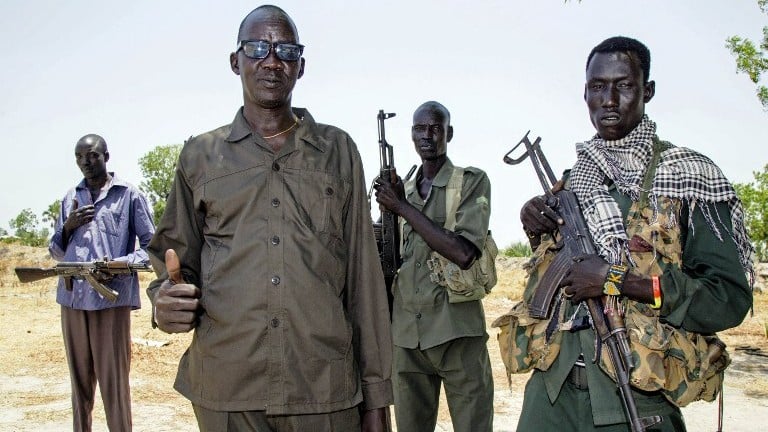
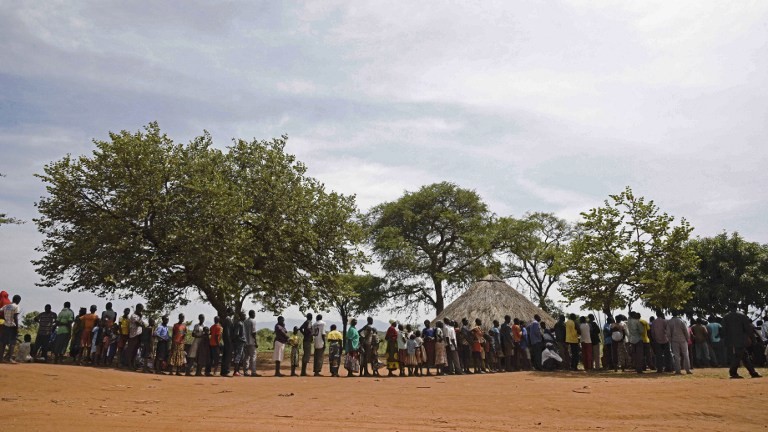
Refugees fleeing fighting in South Sudan have told AFP of targeted killings by government troops, who identify people according to language or tribal scarring before slaughtering them.
In the southern town of Pajok, seen as sympathetic to the rebels, government troops went on a rampage last week killing at least 85 people, numerous witnesses told AFP after fleeing to Uganda.
As fighting broke out in the second largest city of Wau this week, priest Moses Peter told AFP that government troops were “targeting certain groups of people.”
United Nations experts in early December reported “ethnic cleansing” in several parts of South Sudan.
The UN Special Adviser on the Prevention of Genocide, Adama Dieng, has warned of “a strong risk of violence escalating along ethnic lines, with the potential for genocide.”
South Sudan’s Information Minister Michael Makuei slammed Patel’s comments as “unfortunate and misleading.”
“That is a very unfortunate statement given by an irresponsible person. There is no genocide. These are all things that are orchestrated by people who are made to make these reports,” he said.






The Times of Israel Community.