

US lawmakers look to expand definition of anti-Semitism for schools
House legislation, mirroring Senate bill passed last week, would outline when Israel criticism crosses into anti-Semitism
 Add ToI as a Preferred Source on Google
WASHINGTON — A bipartisan slate of leading members of the US House of Representatives introduced a bill that would expand how the Department of Education defines anti-Semitism in advising learning institutions on how to identify discrimination.
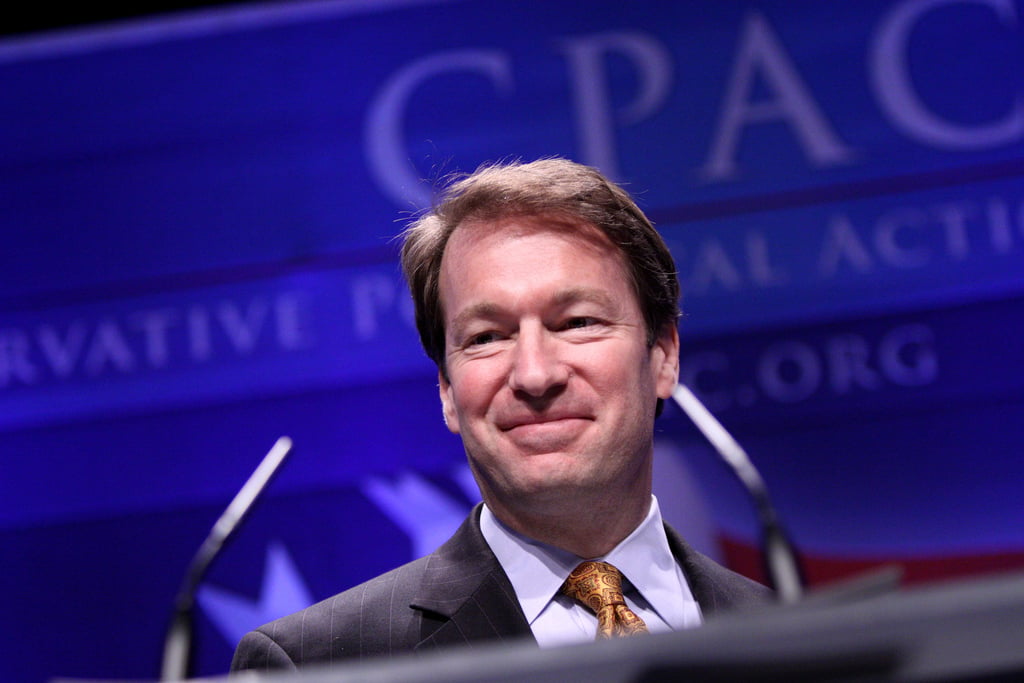
The bill introduced December 2 by Reps. Peter Roskam, R-Ill, and Ted Deutch, D-Fla, replicates a similar bill passed last week by the Senate, which was sponsored by Sens. Tim Scott, R-SC, and Bob Casey, D-Pa.
The bill has the backing of senior House members, including Reps. Eliot Engel, D-NY, Nita Lowey, D-NY and Ileana Ros-Lehtinen, R-Fla.
The bill expands previous guidelines sent periodically to educational institutions receiving federal funding to define anti-Semitism according to a definition first published by the State Department in 2010.
That bill adopts the European Parliament Working Group on Anti-Semitism’s definition: “Anti-Semitism is a certain perception of Jews, which may be expressed as hatred toward Jews. Rhetorical and physical manifestations of anti-Semitism are directed toward Jewish or non-Jewish individuals and/or their property, toward Jewish community institutions and religious facilities.”
Both definitions also outline when criticism of Israel crosses into anti-Semitism, citing the “three Ds” first advanced by Natan Sharansky, the Israeli politician and former prisoner of the Soviet Gulag: demonization, double standard and delegitimization.
The Anti-Defamation League, which has led lobbying for the legislation, said the bill, should it become law, “addresses a core concern of Jewish and pro-Israel students and parents: When does the expression of anti-Semitism, anti-Israel sentiment and anti-Zionist beliefs cross the line from First Amendment protected free expression to unlawful discriminatory conduct?”
A number of left-wing and pro-Palestinian groups have criticized the legislation, saying the Israel-related language is too vague and would inhibit debate on campus about Israel’s treatment of the Palestinians.
“It mis-classifies criticism of Israel as anti-Semitism and aims to ensure that the Department of Education will investigate and suppress criticism of Israel on campus,” said a statement by Open Hillel, a loose network of campus groups that reject restrictions on engagement with other students that exist under the aegis of the more established Jewish student umbrella, Hillel.










The Times of Israel Community.