

US students touring Israel: Campus antisemitism is palpable, violent — and inescapable
Jews from top-tier American universities describe their experiences with hatred unleashed by the war with Hamas and its galvanizing effect on their communities
 Add ToI as a Preferred Source on Google
Canaan Lidor is a former Jewish World reporter at The Times of Israel
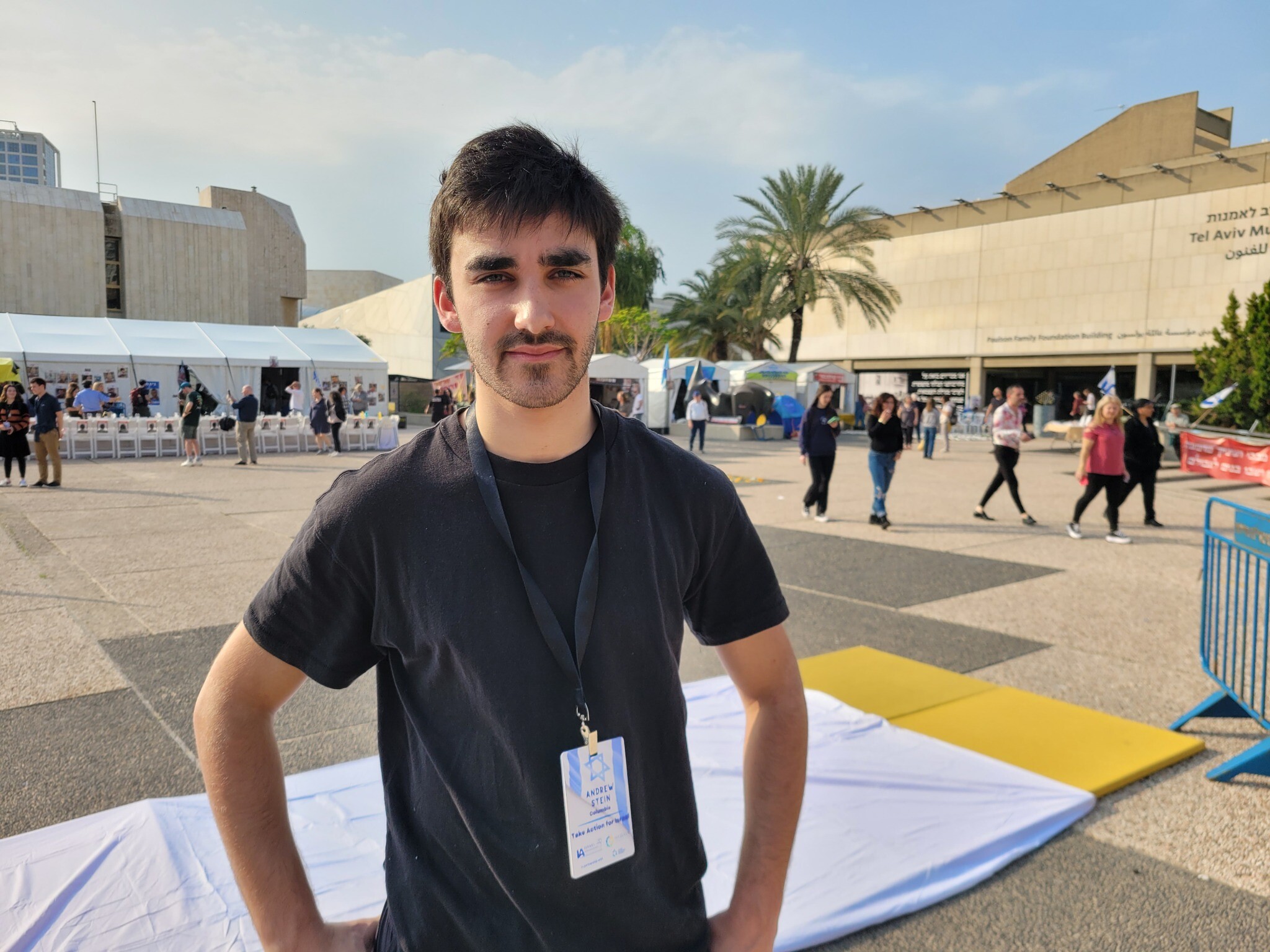
Columbia University student Andrew Stein tried to block out the sounds of hundreds of fellow students’ chanting while completing his final exam on religion earlier this month. At the anti-Israel rally that was taking place outside the exam hall, students were calling for an “intifada” to “free Palestine.”
The chants — which many interpret as euphemisms for violence against Jews — were not directed at Stein, an Orthodox Jew. But Stein’s professor saw they were distracting him.
“He came over and said some comforting words: ‘Don’t worry. Just focus on your test,’” Stein said.
To Stein, the anecdote underlines how such virulent anti-Zionism and antisemitism have become an inescapable menace on his campus and across North America following the proliferation of Jew-hatred unleashed by the outbreak of war between Hamas and Israel on October 7.
Before the war, Stein said, recognizably Jewish students could avoid the “Israel issue” altogether if they wanted. But now, “The best you can hope for is to not be on the forefront. You can’t avoid it: You feel the death stares; you see people noticing you’re Jewish.”
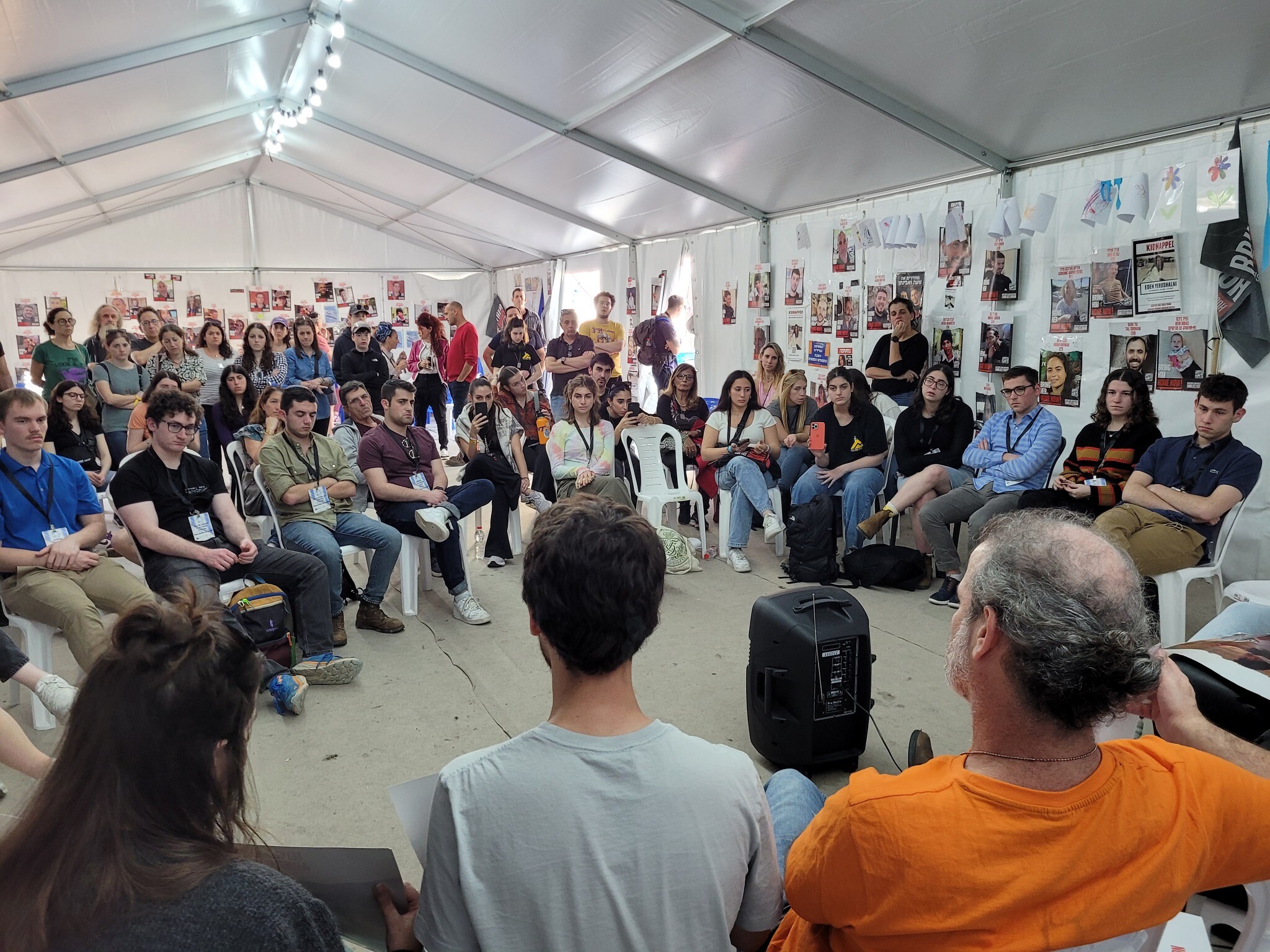
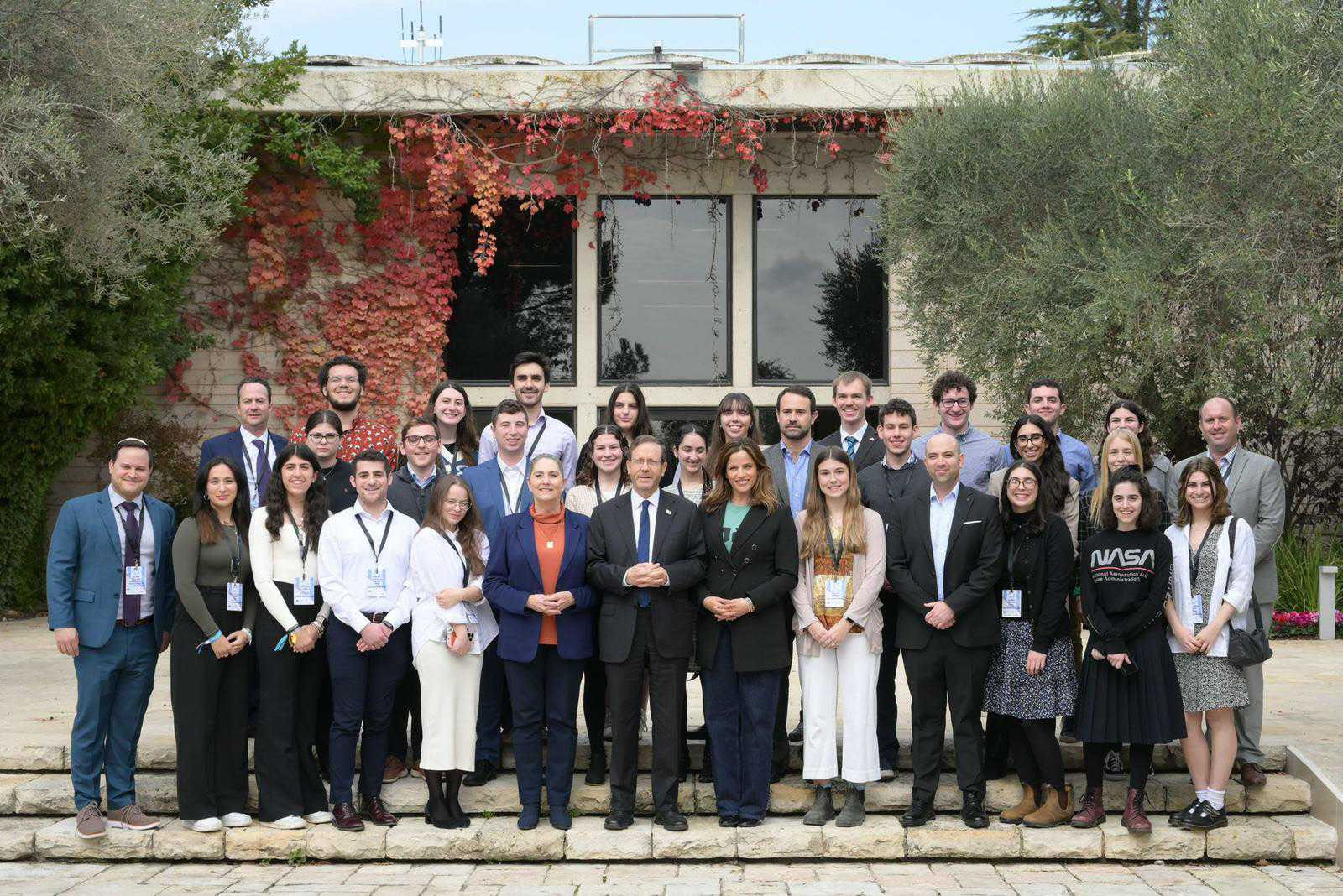
Stein, 22, is one of about 20 students from top-tier universities in North America who are visiting Israel this week as part of a delegation with a two-pronged mission: expressing solidarity with Israel and studying Hamas’s atrocities. They spoke with The Times of Israel at Tel Aviv’s so-called Hostage Square, where the Hasbara Fellowships group on Wednesday met with relatives of some of the over 100 hostages still held by Hamas in Gaza.
The students on the mission, which the Fellowships co-organized with the IsraelAmbassadors.com pro-Israel initiative, aim to use the knowledge they gain to argue Israel’s case on their campuses and abroad.
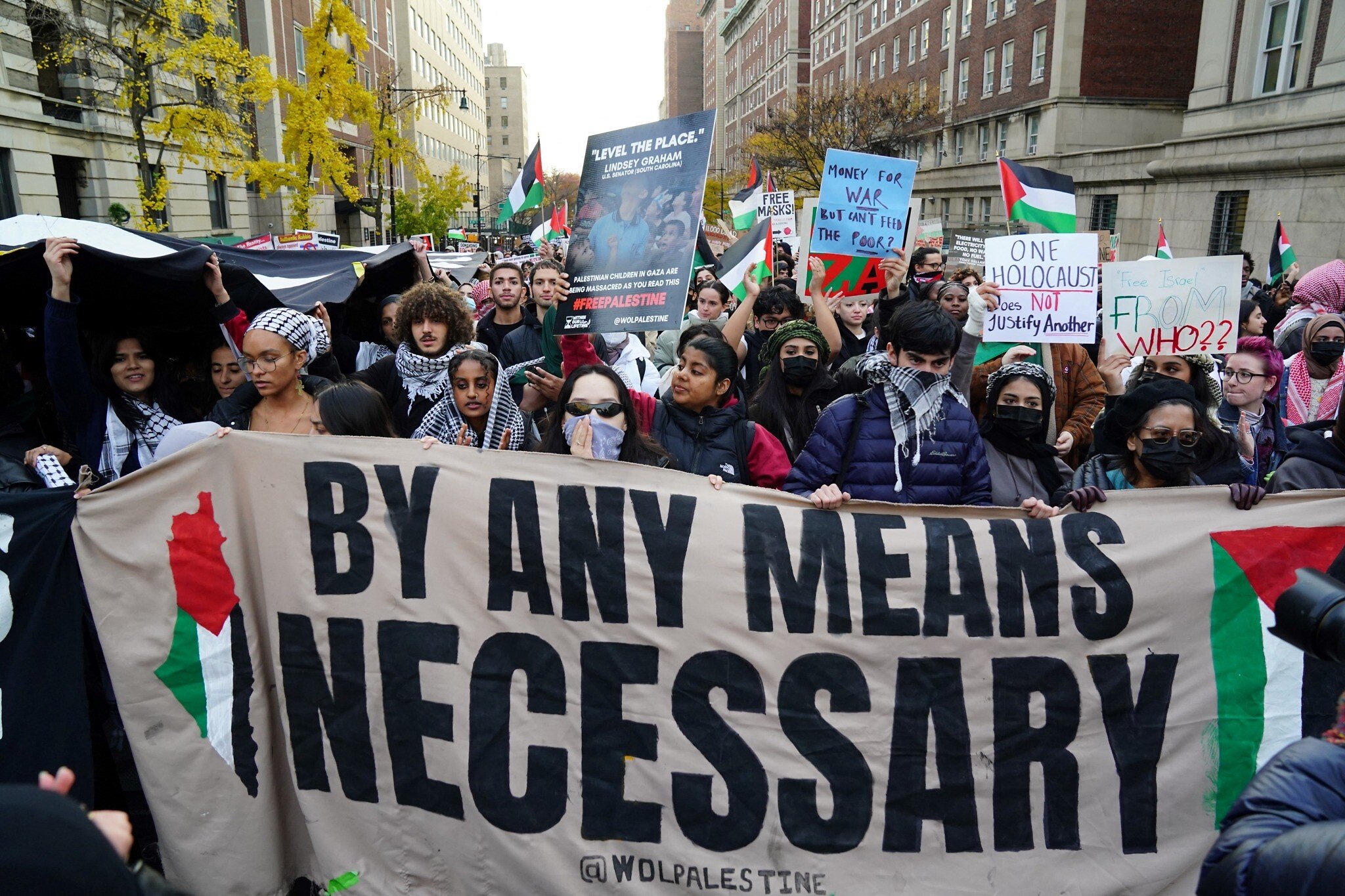
Doing so can be dangerous. Several violent incidents in connection with Israel have been recorded on or just outside US campuses in recent weeks. In Louisiana’s Tulane University, a man holding a Palestinian flag used the pole to beat a pro-Israel protester after that protester tried to snatch away an Israeli flag that pro-Palestinian activists were about to set on fire.
At the University of California, Berkley, Jewish groups say that two protesters struck the head of a Jewish undergraduate draped in an Israeli flag with a metal water bottle. The university is facing a lawsuit by the Jewish groups, which accuse the institution’s leadership of ignoring and inciting antisemitism. UC Berkley’s administration denies these claims.
“I wear a kippa. There’s this feeling that when you walk around people, there’s just tension,” said Stein, who is studying philosophy and computer science at Columbia after transferring there from the University of Pennsylvania.
All about the ‘context’
UPenn has been at the center of an international scandal involving antisemitism, along with Harvard University and the Massachusetts Institute of Technology. This month, the presidents of those universities said during a congressional hearing that “context” was needed to determine whether calling for genocide against Jews violated their own codes of conduct.
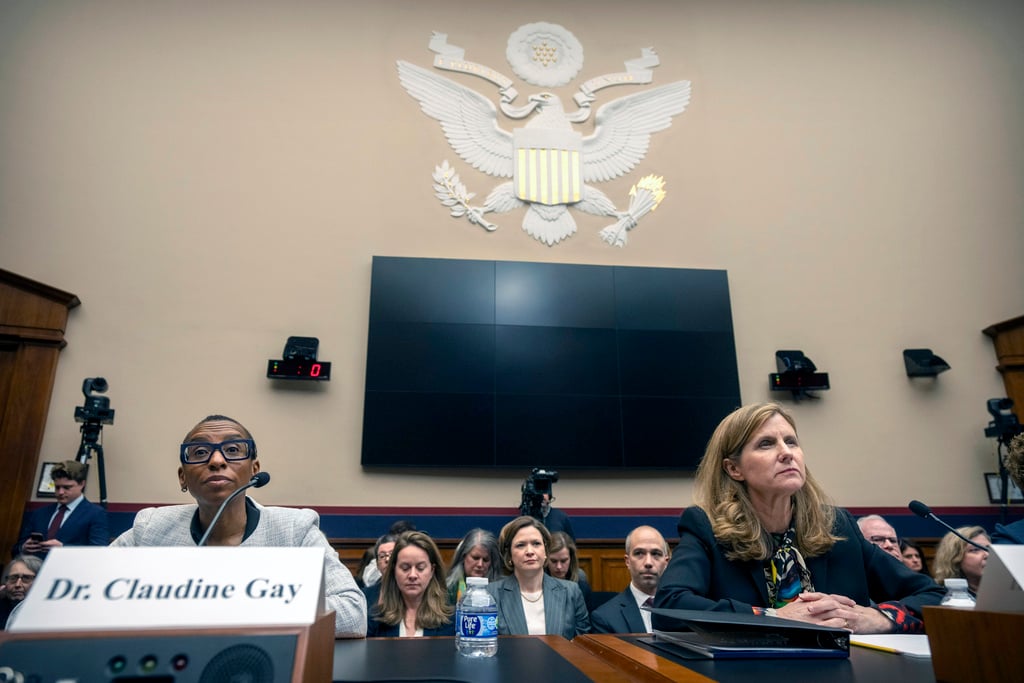
An uproar prompted Liz Magill to step down as UPenn’s president after she apologized for her failure to condemn such calls. Harvard’s president, Claudine Gay, also apologized and in a statement said that calls for genocide against Jews are “vile,” “have no place at Harvard” and “those who threaten our Jewish students will be held to account.”
Gay, who is facing criticism also over alleged plagiarism, has resisted calls to resign, as has MIT President Sally Kornbluth, who is Jewish. Kornbluth has not apologized. An MIT spokesperson in a statement said that the institution “rejects antisemitism in all its forms.“
Several students on the delegation to Israel attributed the university presidents’ December 5 assertions to bad political performance rather than any affinity for antisemitism.
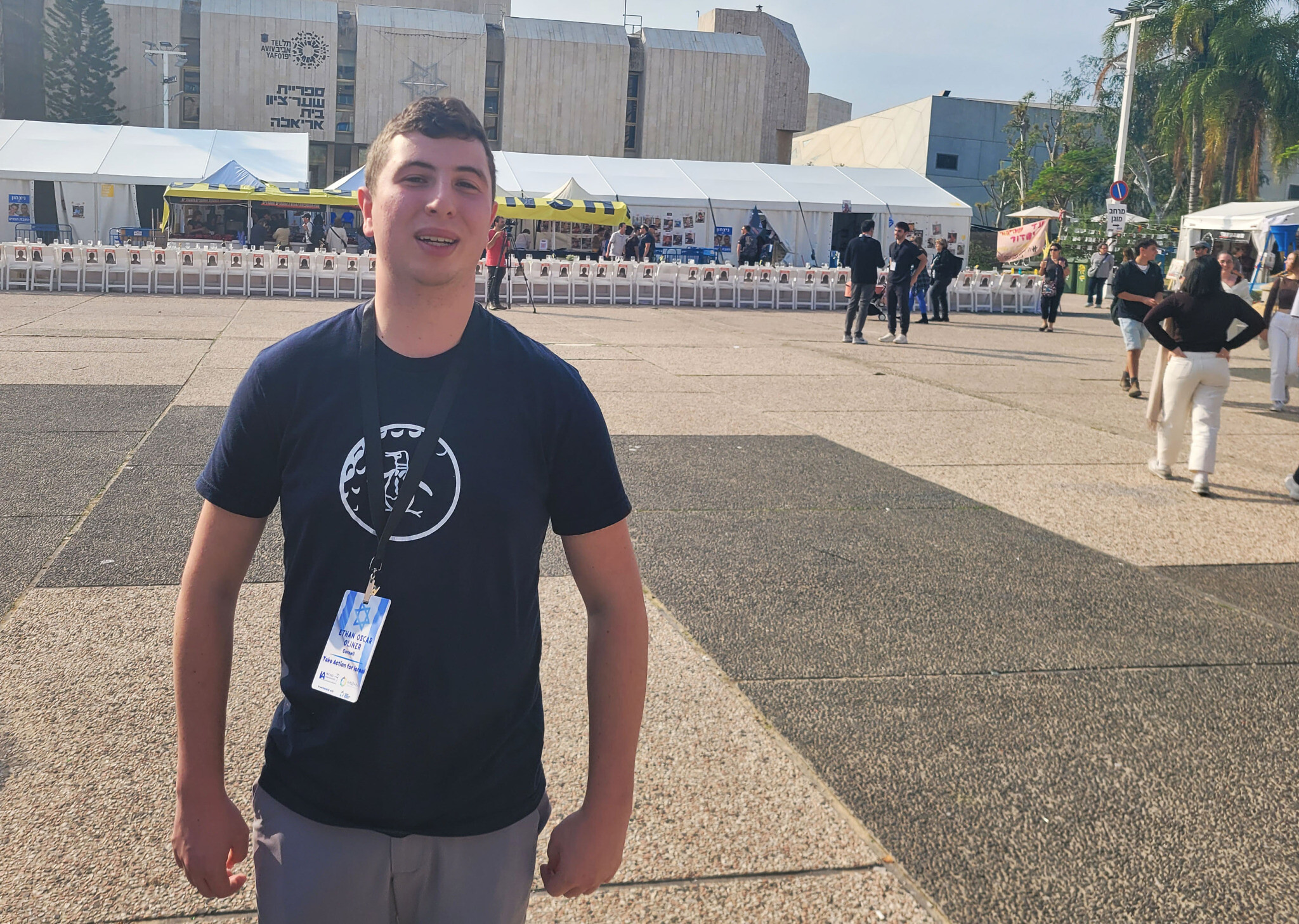
“I think the presidents are trying to play both sides, trying to appease all the parties at hand, amid intense pressure from pro-Palestinian activists and some Jewish donors and students,” said Ethan Oscar Oliner, 19, a student at Cornell University. The problem, he said, is not outright animosity on the part of the top administrations of universities, but their inaction on hostility by students and some faculty.
Part of this perceived problem has to do with how quickly the mood changed on campus, according to Stein, the Columbia student. Before October 7, when some 3,000 Hamas terrorists murdered about 1,200 Israelis and prompted Israel to invade Gaza, “The whole Israel issue was in the back of everyone’s mind, there was nothing,” he said, with the possible exception of Israel Apartheid Week, a series of anti-Israel actions that take place across campuses at the start of each year.

But after October 7, Stein said, antisemitism is making “Jewish people avoid campus because it’s so uncomfortable. Lots of Jews just stay in their apartment.”
From a trickle to a waterfall of antisemitism
Anti-Israel agitation had spiked before on North American campuses at times of conflict involving Israel, noted Alan Levine, the executive director of the Hasbara Fellowships, the group that brought the delegation to Israel during the students’ winter break. A New York-based organization established in 2001, it coordinates multiple trips a year to help North American students argue Israel’s case back home.
“It’s a much larger volume of anti-Israel protests, the antisemitism is more blatant, and we are now seeing violence,” Levine said.
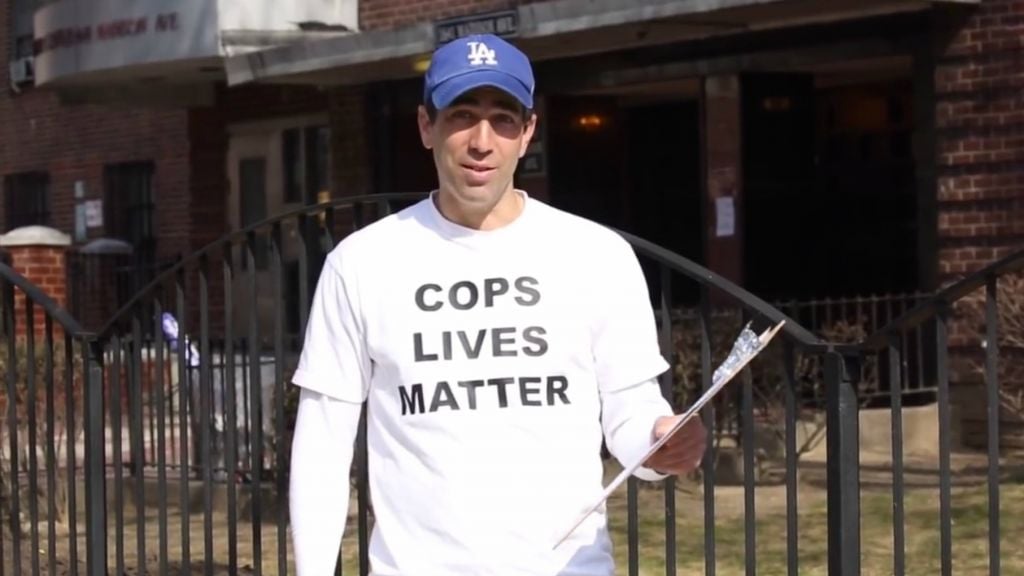
Filmmaker Ami Horowitz recently attempted to gauge tolerance to antisemitic violence at San Francisco State University, where he asked 35 random people to donate money for “weapons to fight back against the Jews,” as he told one interlocutor.
All but seven agreed and none pushed back against the pitch, according to Horowitz, who told several people that their money would “fund operations against soft targets: schools, Jewish cafés.”
The antisemitic cause yielded about $500 collectively in pledges for donations that Horowitz, who specializes in exposing double standards through unscripted interviews, never actually followed up on.
But his would-be donors’ willingness to give shocked many of the thousands of people who saw the clip. Rabbi Lawrence Hajioff of New York wrote about it X: “I can’t believe what I just watched.”
Just a part of campus life
For some Jewish students on North American campuses, the phenomenon on display in the film came as no surprise because it’s just part of life on campus after — and in some cases also before — October 7.
“Calls for violence against Jews are widespread on campus so why wouldn’t they give money for it?” said Stein. Part of the reason for this, Stein said, is the popularization of the so-called decolonization theory, a worldview that favors undoing Jewish statehood in the Land of Israel as part of a push to extract whites from perceived positions of power.
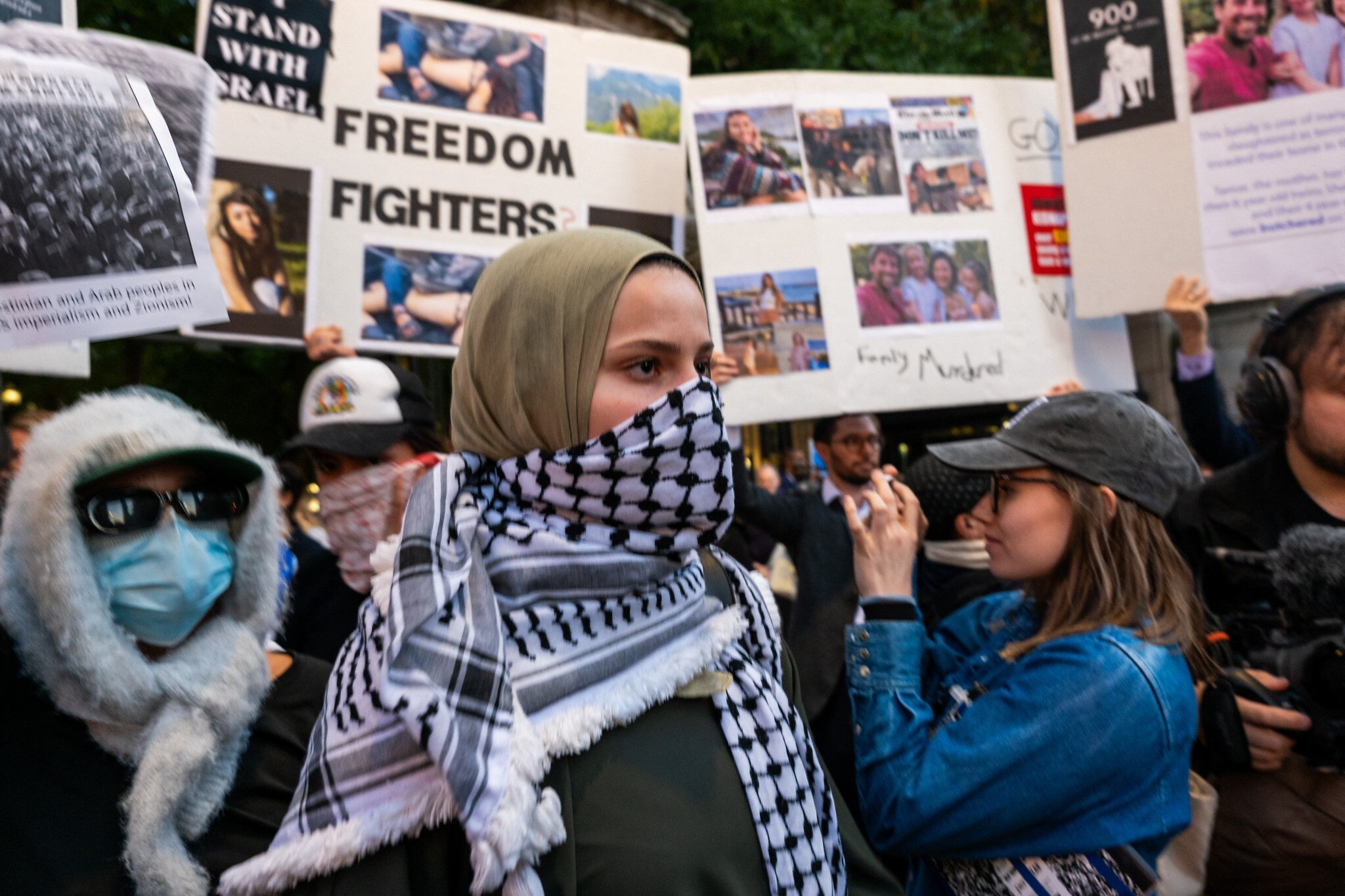
Another reason, students said, is the unique intensity of emotion that the Israeli-Palestinian conflict elicits and the death of thousands of Palestinians in the ongoing war (unverified Hamas health ministry estimates speak of more than 21,000 Palestinian fatalities).
This reality is making some Jews hide their Judaism. But it’s also having the opposite effect on many others, noted Oliner, the Cornell student.
“I’m actually seeing a lot more people start putting on a kippa that didn’t put one on before, out of solidarity and out of Jewish pride,” Oliner said.
Stein and Oliner both said they belong to a thriving Jewish campus community.
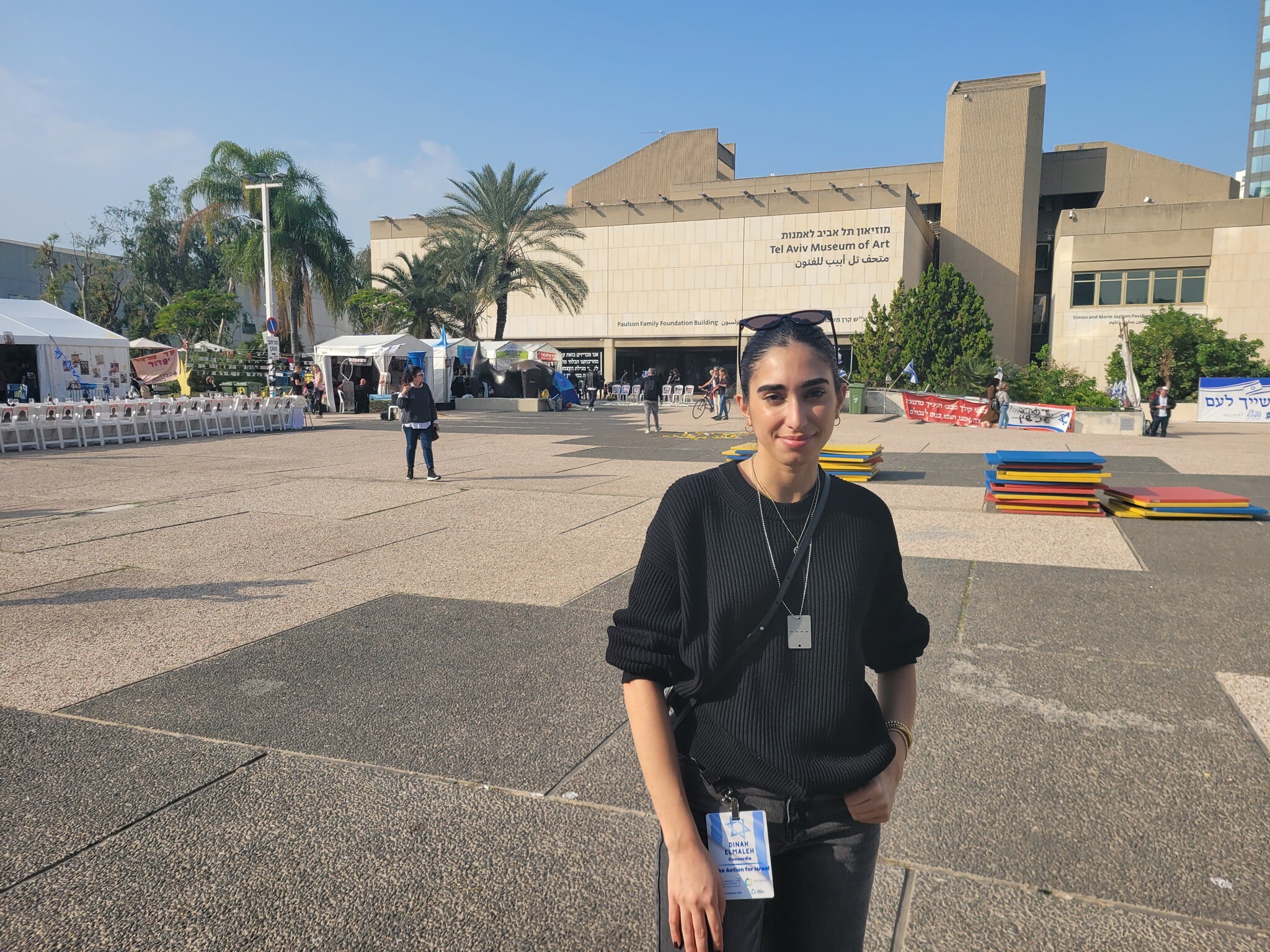
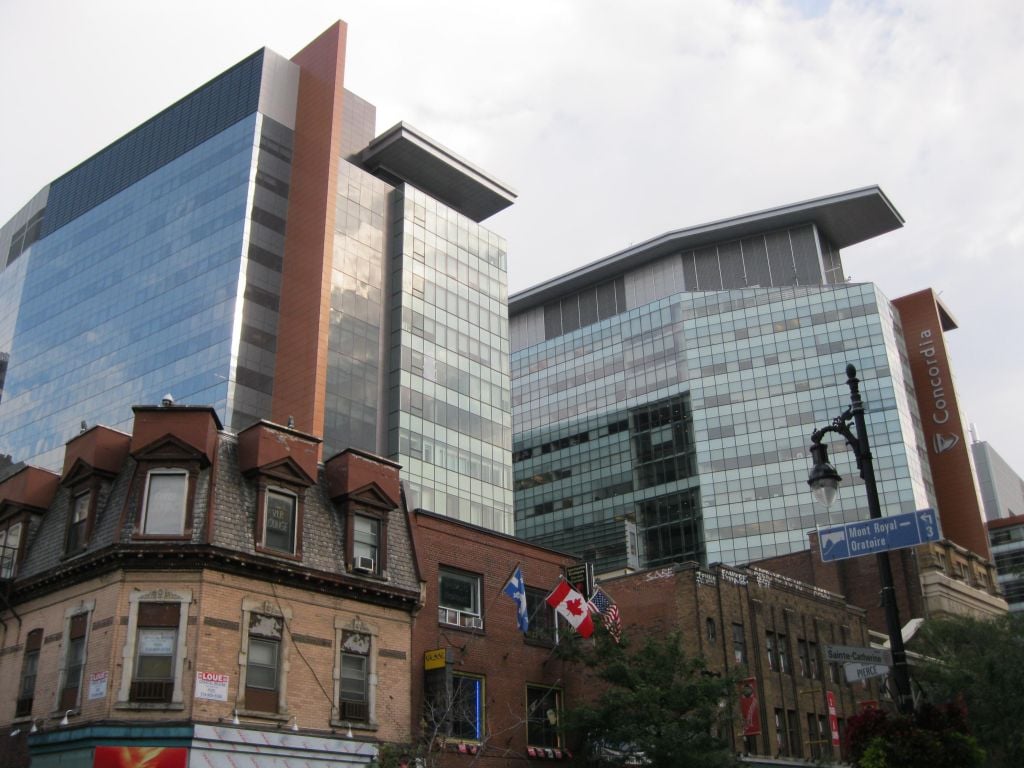
Similar trends are happening on Canadian campuses, noted Dinah Elmaleh, a student at Concordia University in Montreal, Quebec, where three people were injured and one was arrested last month following an alleged assault against pro-Israel students.
In another incident, a professor from the nearby University of Montreal, Yanise Arab, was suspended for allegedly shouting at a female pro-Israel demonstrator from Concordia: “Go back to Poland, whore.”
Elmaleh, a paralegal student, used to hide that she is Jewish while on campus, she told The Times of Israel.
“I would avoid the subject. Stayed silent even when people said totally antisemitic things,” she said.
October 7 solidified a gradual process within Elmaleh.
“I’ve realized that, you know what? I should be talking. I should be using my voice. I should be telling these people that I’m also human, too,” Elmaleh said.
“Now I wear my Star of David [pendant] proudly wherever I go. I’m not afraid anymore. The world needs to understand: Jews are not going anywhere,” she said.








The Times of Israel Community.