

Activist, journalists petition High Court to block broadcaster deal
Two bids mounted to sink agreement that would see news division delayed, staffed by former IBA employees
 Add ToI as a Preferred Source on Google
Two petitions were submitted to the High Court of Justice on Monday in separate bids to derail a political agreement which will strip a new public broadcasting authority of its news division.
Eldad Yaniv, a lawyer for the Labor Party and a frequent critic of Prime Minister Benjamin Netanyahu, called on the court to freeze the deal, claiming that only Communications Minister Tzachi Hanegbi had the authority to assent to such an arrangement over the makeup of the broadcaster.
A separate petition brought by the Association of Israeli Journalists demanded that politicians be prevented from intervening in hiring decisions for the new broadcaster.
Under the deal announced Thursday — which ended a coalition standoff that threatened new elections — the new corporation, formally called Kan, will lose its centerpiece news division, for which staff had been hired ahead of the intended launch on April 30. Staffers from the existing Israel Broadcasting Authority, which is being replaced, will instead provide the station’s news in the coming months until a new, separate broadcast entity is established to deal with all current affairs offerings, which will be made up primarily of former Israel Broadcasting Authority employees.
The agreement was the fruit of negotiations between Netanyahu, who has sought to torpedo the new broadcaster and Finance Minister Moshe Kahlon, who has pushed for it to be brought online to replace the IBA, which had been beset by low ratings and accusations of political cronyism.

In a statement, the journalists accused Kahlon of fearing elections and agreeing to a “corrupt deal whose sole purpose was for political control over the workers and to waste additional public funds.”
Kahlon said that he acted responsibility to avoid elections but paid a price for it.
“If there were elections, none of you would be sitting here,” he told an audience of young couples at a ceremony marking a new housing project in Beit Shemesh. “You would have had to wait a year for a campaign and an election and then the government to be formed. And in elections, you know how you go in but you don’t know how you come out. No one knows.”
“The responsibility that we showed was required and needed, and you know what, I paid a price for it,” Kahlon added.
Yaniv’s petition comes a day after Attorney General Avichai Mandelblit rejected a request by him to reject the deal on the grounds that Netanyahu was no longer communications minister, a position he relinquished in February.
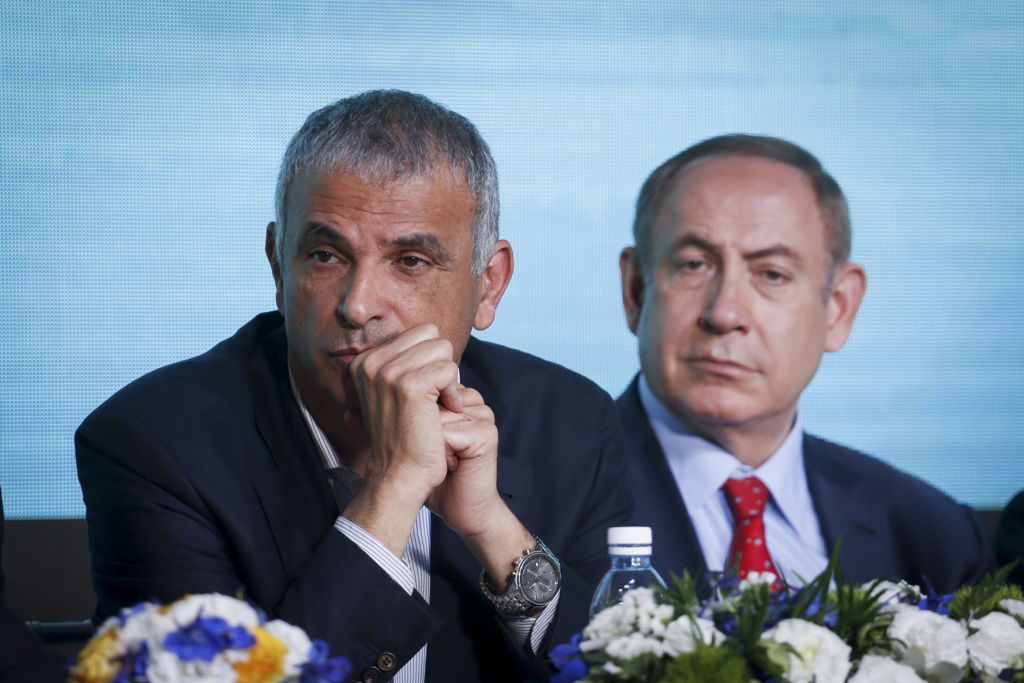
Mandelblit said Netanyahu can still legally deal with some matters relating to the field, including the coalition-straining dispute over a new public broadcaster.
Mandelblit, who was Netanyahu’s cabinet secretary before being appointed to the attorney general’s office, clarified that “due to his position, the prime minister is permitted to deal with various matters concerning government offices, and the fact that he is no longer the communications minister doesn’t negate his involvement in communications matters wearing the prime minister’s hat.”
Netanyahu resigned from the communications post in February amid a High Court petition and a criminal investigation into his alleged collusion with a major newspaper.
While Netanyahu was warned to not deal with any matters that influence people with whom he has personal ties, it was also made clear that “in the current circumstances, his dealing with the Israeli public broadcast law doesn’t raise suspicions of conflict of interest.”
One of the corruption probes into the prime minister is examining allegations he negotiated for better personal coverage with the publisher of the mass circulation daily newspaper Yedioth Ahronoth in an alleged quid pro quo deal.







The Times of Israel Community.