

Airport meltdown gives rise to worries that Ben Gurion overcrowding may be terminal
After years of political inertia, Israel’s main gateway may soon be regularly brought to its knees by inability to cope with growing passenger numbers; experts say a second airport is needed to avert crisis

 Add ToI as a Preferred Source on Google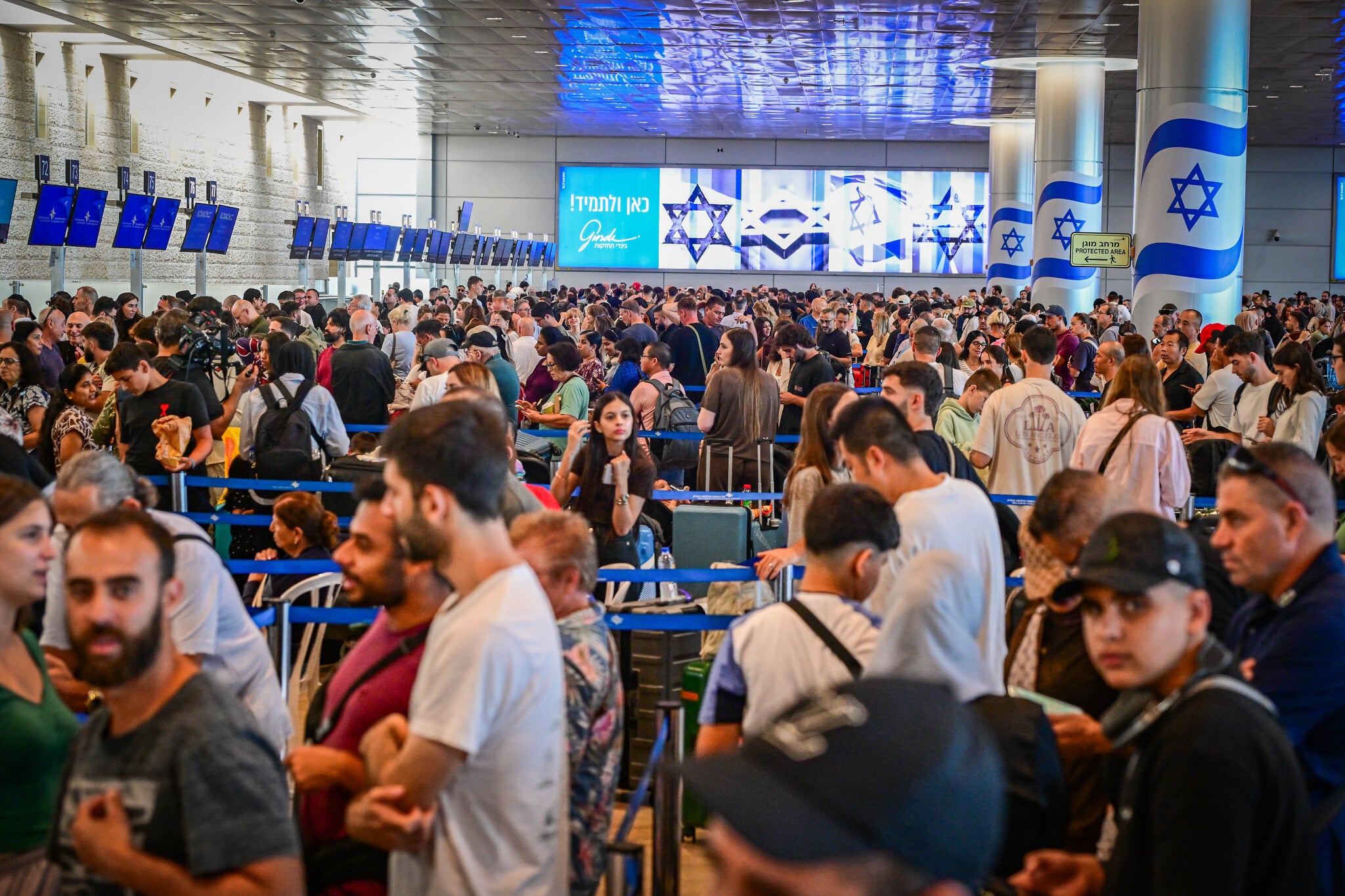
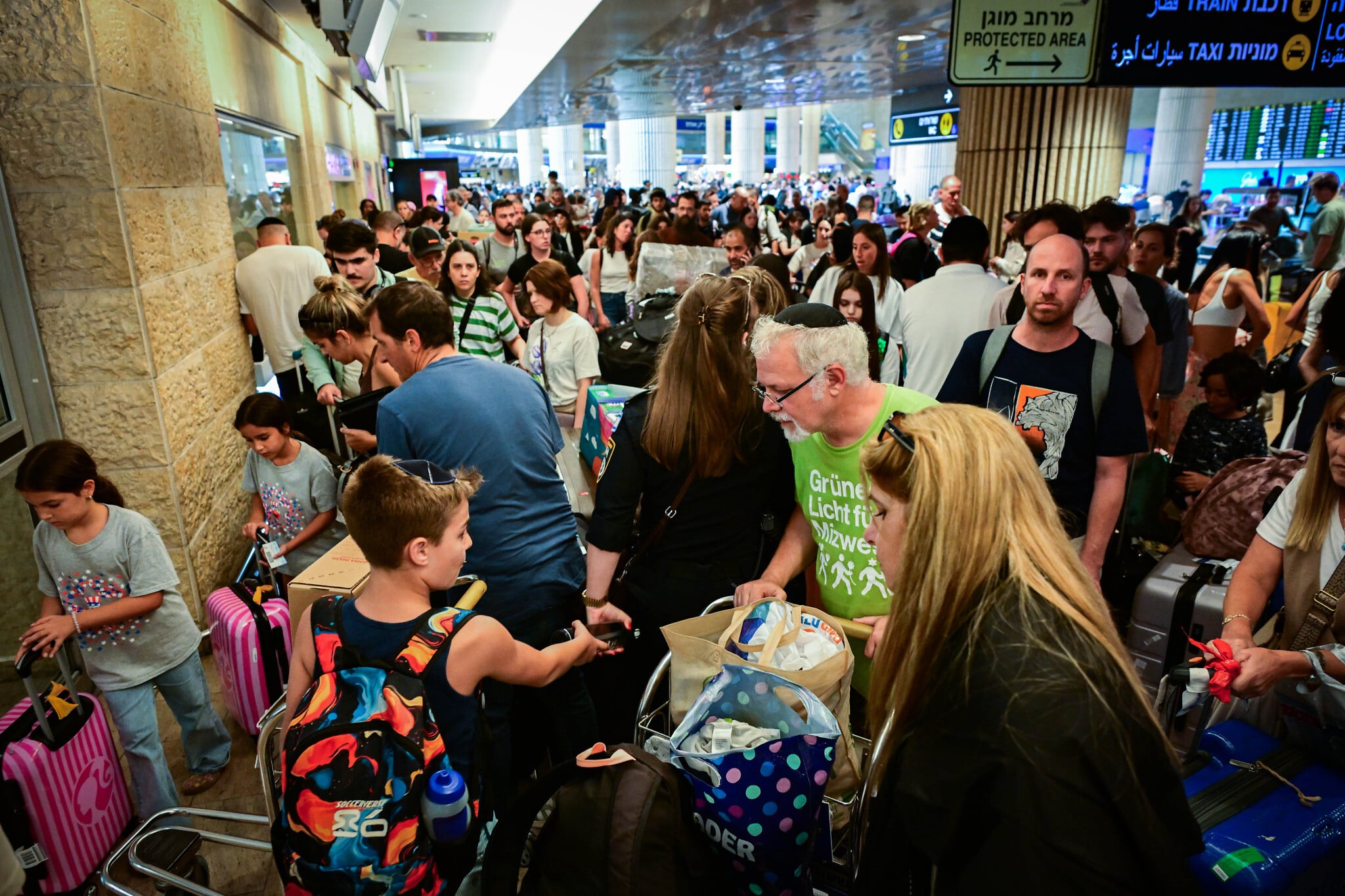
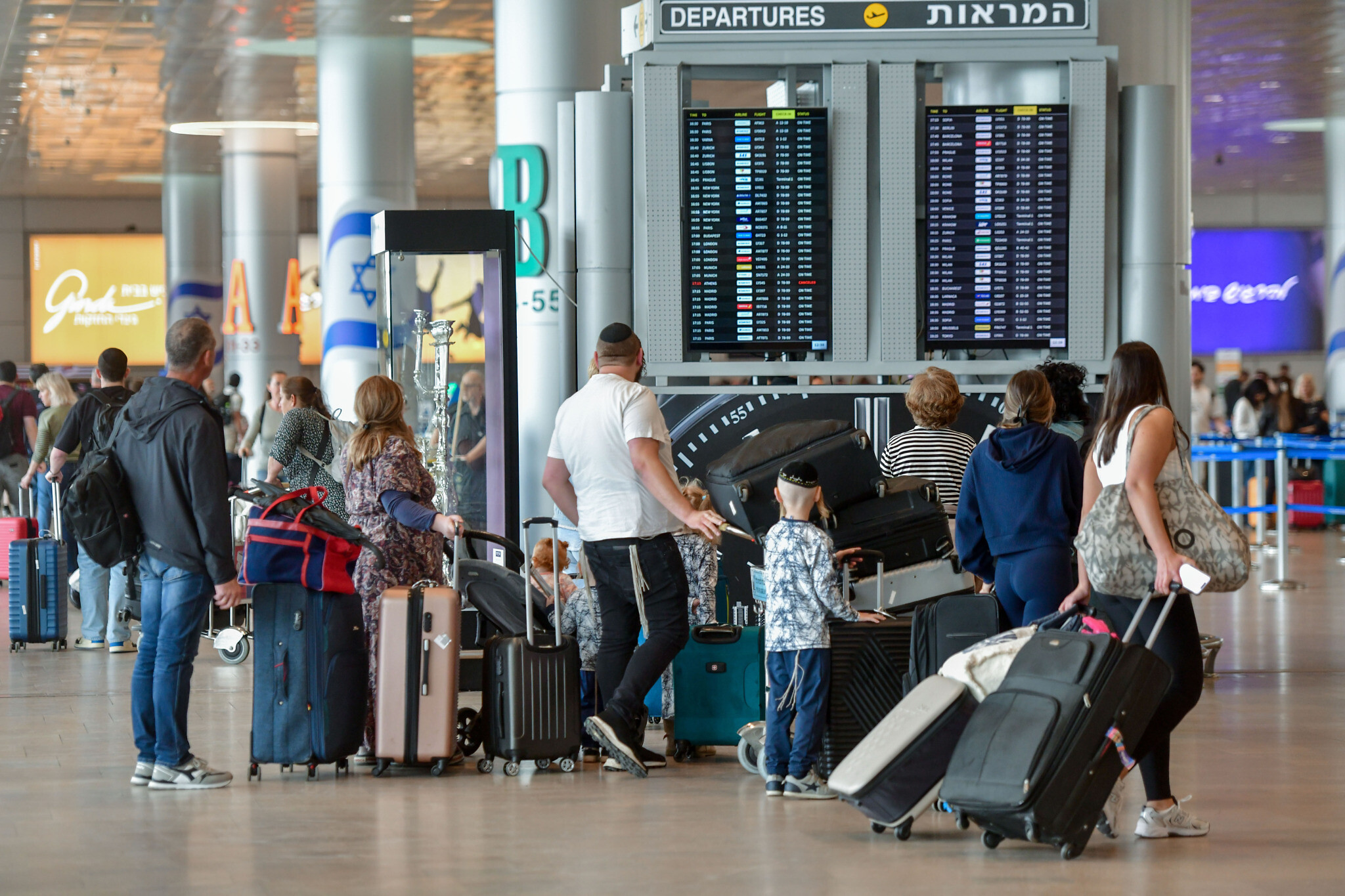
It wasn’t a pandemic, and it wasn’t a missile strike. What ground Ben Gurion Airport to a halt this month — stranding tens of thousands of Israelis who’d paid exorbitant prices in hopes of taking their first summer vacation not under the shadow of war in years — was a two-hour period in which check-in and ground staff refused to work overtime on one of peak season’s busiest days.
Or in the words of the workers, who are accused of calling a wildcat strike and blamed for days of cascading delays, the issue was not their walkout but rather rampant mismanagement that left too few staff members to deal with too many passengers, triggering the near-collapse of airport services.
Ben Gurion Airport, Israel’s sole major portal to the outside world, has long been nearing the breaking point, its woes driven by a deep-seated and persistent leadership and infrastructure crisis. But many Israelis were still caught off guard by how quickly the airport fell into paralysis despite the absence of any external threat to operations.
“Israelis already experienced airport closures due to the war, but because this time it suddenly happened not because of the war, it shook many people as the gateway is a symbol of some kind of normality in an abnormal situation,” Ehud Uziel, a transportation policy expert who served as an adviser to former transportation minister MK Merav Michaeli, told The Times of Israel.
“This time a complex of political interests and professional shortcomings came to a peak during a busy summer season after three and a half years of neglect syndrome by the current government,” he added.
The surprise labor action on August 20 was staged a day after Prime Minister Benjamin Netanyahu and Transportation Minister Miri Regev filmed clips at the airport with workers, praising them for the hard work they do. The visit was widely seen as campaigning ahead of the October 27 election.

“Workers are very frustrated over more than two and a half years of war when this government didn’t give them the proper support, and there was no backing or leadership to prepare solutions for the lack of human capital to meet capacity during the current high season,” said Uziel. “The action was also a signal for Netanyahu and Regev that they can’t drag [the workers] into their political campaign ahead of the upcoming October 27 national election, when they are not being supportive.”
Airport union chief Pinchas Idan blamed the shutdown of services on a chronic shortage of a few hundred workers, which forces employees to put in overtime hours to handle the large influx of passengers during the summer vacation rush.
The Israel Airports Authority denied that the staffing shortage was that large, contending it had been working intensively in recent months to recruit new employees across all units.
It alleged Idan had exploited the airport’s peak summer days to put pressure on management, aiming public anger at the labor boss. Netanyahu, seeking to distance himself from the fiasco, ordered Idan booted from the Likud party, ending the political recruiter’s long tenure as a member of the party’s central committee.

Notably, Netanyahu made no such move in 2023 when Idan shut down the airport as part of a nationwide strike to protest the government’s judicial overhaul agenda, a reflection of how publicly toxic this year’s labor action had become.
Yet despite the IAA pointing blame at the workers, officials have for decades recognized that the country’s air traffic is sorely congested, declaring the construction of a second international airport near a large population center a pressing national need.

“There is a shortage of airport infrastructure in Israel, so Ben Gurion becomes busier every year, which creates a need for more workers,” said Uziel, managing partner at the JLM policy-design team. “When you don’t have enough workers, current staff don’t have the capacity to meet growing traffic.”
While numbers for August 2026 had not been released as of this writing, the IAA said previously that some 2.6 million passengers were expected to travel via Ben Gurion over the course of the month. According to the IAA, July 2026 saw nearly 2.3 million passengers pass through Ben Gurion, nearly reaching July 2019’s record of 2.5 million flyers. In 2019, over 24 million passengers flew in or out of Ben Gurion, an all-time high that is expected to be broken in the coming years.
Unlike 2019, when the top five airlines operating out of Ben Gurion handled around 42% of traffic, in 2026, El Al alone has been responsible for 42% of all passengers and the top five airlines account for nearly 75% of all traffic, possibly concentrating some of the congestion.
High seasonality
Yet despite the airport struggling to keep up with growing passenger numbers since before the COVID-19 pandemic, successive governments, mostly led by Netanyahu, have failed to implement structural reforms at Ben Gurion.
According to Nicole Adler, a professor of operations research at the Hebrew University of Jerusalem, standing in the way of many needed reforms is the airport’s powerful and politically connected union.
“The workers’ union can be completely unreasonable as there is a lot of nepotism there, meaning that when a job opens, you bring your friends, your family,” said Adler. “That doesn’t make for a particularly well-managed airport.”
Uziel argued that the core issue that led to the labor action stemmed from a lack of leadership by the Transportation Ministry, led by Regev, and the IAA to prepare, recruit workers, and negotiate an agreement with the union, to manage peak traffic during the summer season without disruptions.
“With Regev focused on short-term politics and a Transportation Ministry that has lost most of its professional human capital, capabilities fell short to lead and advance long-term policies to deal with transportation problems that are within their responsibilities,” asserted Uziel, whose boss Michaeli hailed from the other side of the political spectrum.
According to Adler, the airport’s struggles with staffing stem from the IAA’s unwillingness to employ excess staff during the slower travel periods, when they aren’t needed.

“We have very high seasonality in Israel, especially in July and August, and the IAA does not want to employ staff for two months [for the sake of] the entire year around, but here they went too far,” said Adler. “There are methods to solve a seasonality problem by employing people in May, train them so that by July, August, and September they can do seasonal work, or have automated baggage handling that minimizes the amount of hard overtime work on people.”
“Israel has an airport authority that has to be responsible for making these decisions,” Adler pointed out.
The airport’s woes are not expected to end once August gives way to September, however, with the upcoming Jewish holidays bringing another spike in travel.
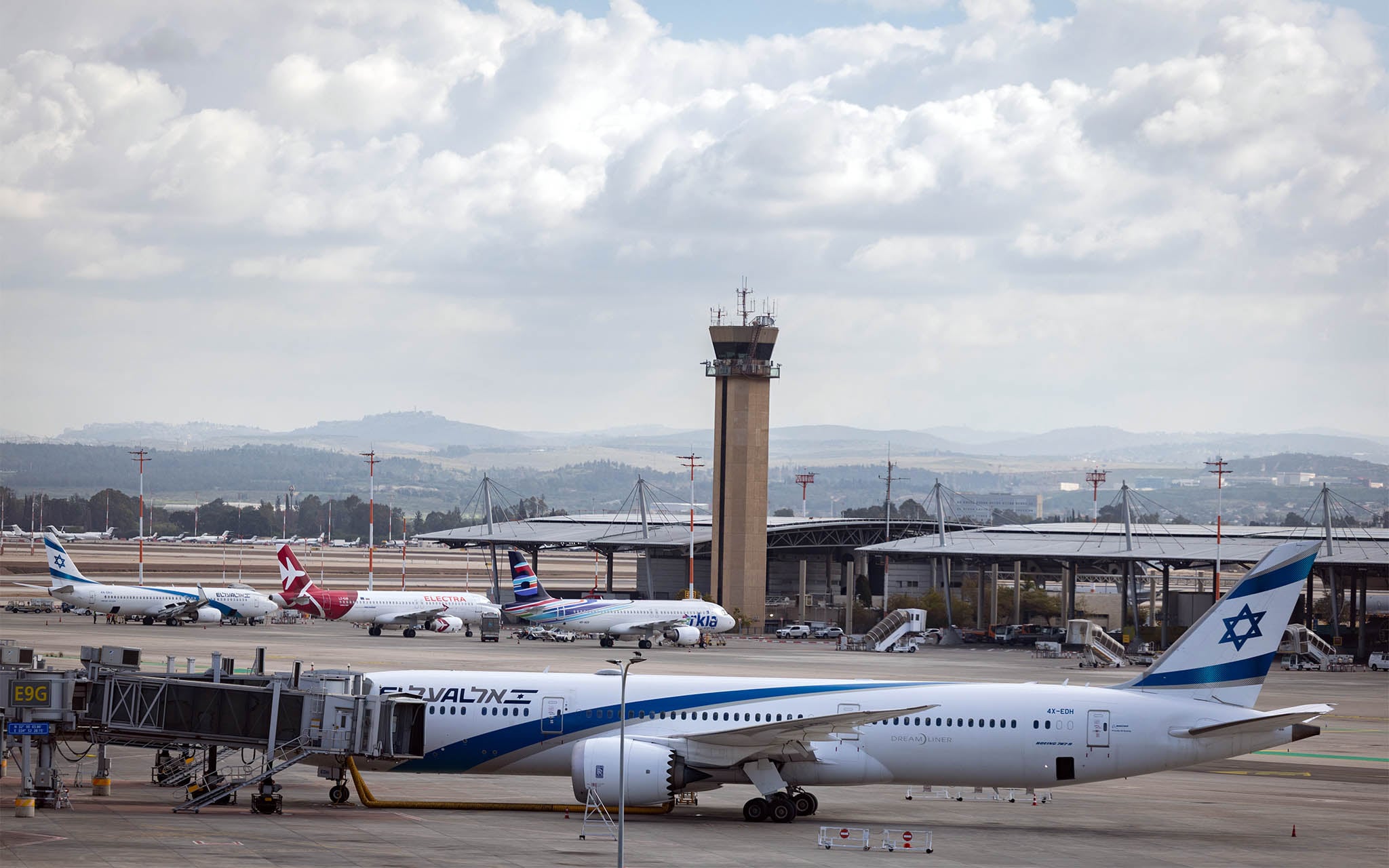
Yet despite continued warnings by the airport’s union of acute staff shortages hindering the ability to meet operational demand during the upcoming holiday period, neither Regev nor senior officials at the IAA appear to be in any rush to avert the next looming crisis. Or the one after that.
“This summer we had mostly masses of Israelis keen to go on vacation for the first time in a few years due to the war,” said Uziel. “But once there are agreements in Gaza and Lebanon and the regional hostilities resolve, we can expect a big incoming travel rebound.”
‘Just a preview’
Ben Gurion Airport is a linchpin of Israel’s economy and international standing, acting as a critical artery for travel, tourism, business, diplomacy, freight and more.
The importance of air travel was driven home first in June 2025 and then February this year when the government shut down the country’s airspace amid fighting with Iran. Each time, Israelis stranded abroad or visitors stuck in Israel struggled to find their way home via land crossings or hastily planned journeys by sea.
Disruptions to shipping due to attacks on vessels by Iran-backed Houthi rebels have also amplified reliance on air cargo.
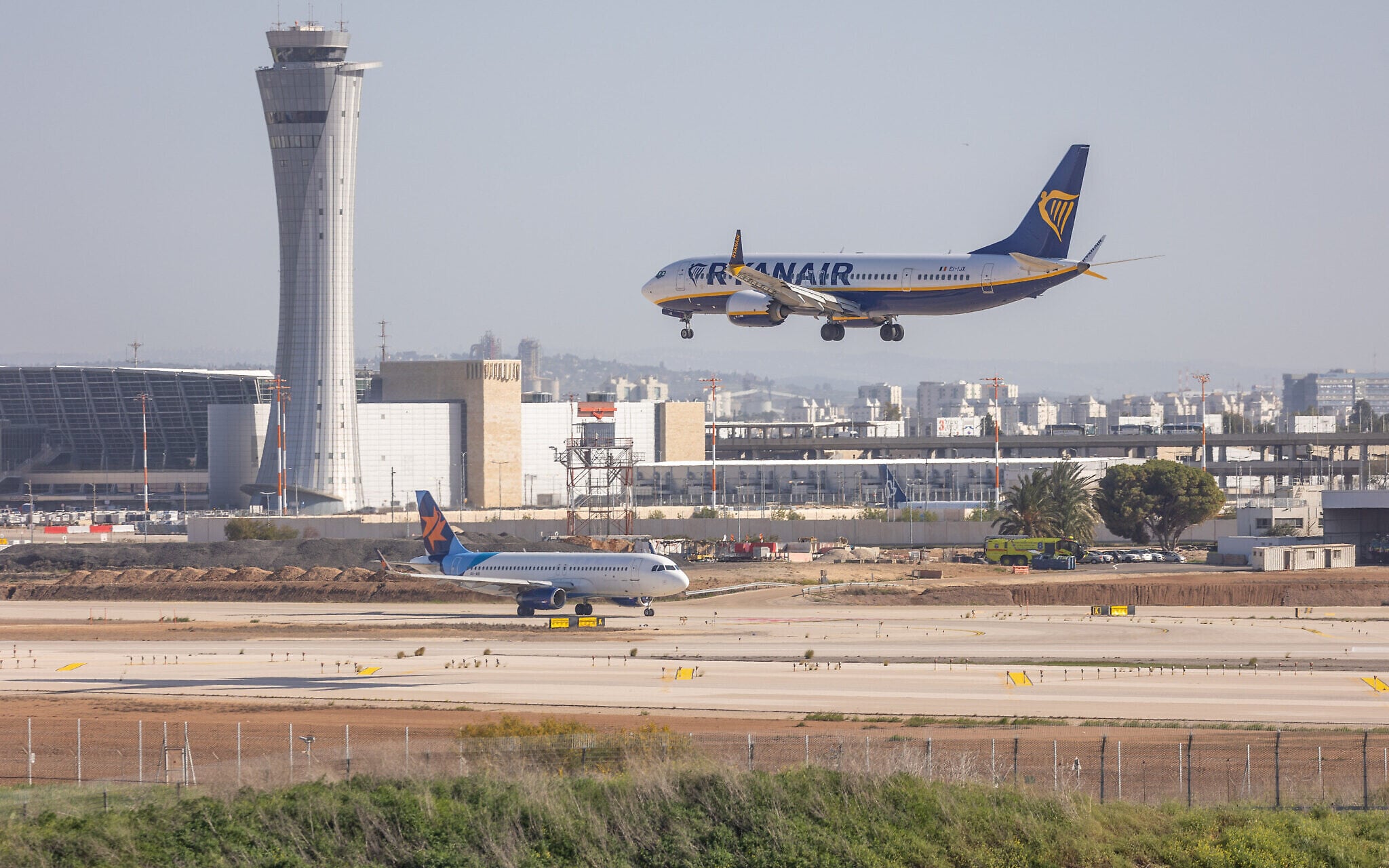
But last week’s breakdown of airport services signals how prone to disorder the vital asset is, adding labor issues and mismanagement to the list of threats that may keep the foreign airlines that fled Israel when fighting broke out from resuming service to and from Tel Aviv, as many are poised to do.
Those who haven’t yet resumed flight services will now be weighing airport reliability risks in addition to geopolitical security threats.
What has been little disputed for more than two decades is that the Israeli aviation ecosystem must be freed from its complete dependence on Ben-Gurion as a gateway to the world.
Alongside Ben Gurion, Israel operates Ramon Airport, which is located in the sparsely populated Negev desert near the Red Sea resort city of Eilat and does not currently serve international flights. There is also a small airport in Haifa with limited capacity. Air Haifa is the only carrier operating there, with flights solely to and from Cyprus and Greece.
Yet the government is continuing to put its eggs in the Ben Gurion basket, recently announcing plans for a terminal expansion that will increase capacity to 40 million annual passengers.
It has been 12 years since a second international airport was approved by the nation’s political leaders. But subsequent Netanyahu-led governments have failed to turn declarations into deeds, bogged down by political interests and tussles over whether to build it in the north or the south.
“The most important part is to get the economics and management right so that we have competing airports that are not run by one airport authority,” said Adler.
Even if finally budgeted and financed, building another airport will take at least 10 years, according to Uziel.
“What happened this summer is only a preview,” he cautioned. “We hope that in the next decade, the extension of Ben Gurion will be implemented and plans to build a second international airport will not be stalled any further. Otherwise, every August and peak travel period, we will continue to see more and more pictures of people waiting in long queues, and the economic damage will be immense.”










The Times of Israel Community.