

Amid swarm of stakeholders, planners begin brainstorming how to rebuild south
Officials, architects, environmentalists, academics and others start looking at ways to bring back devastated region, with some asking whether array of groups can work together

 Add ToI as a Preferred Source on Google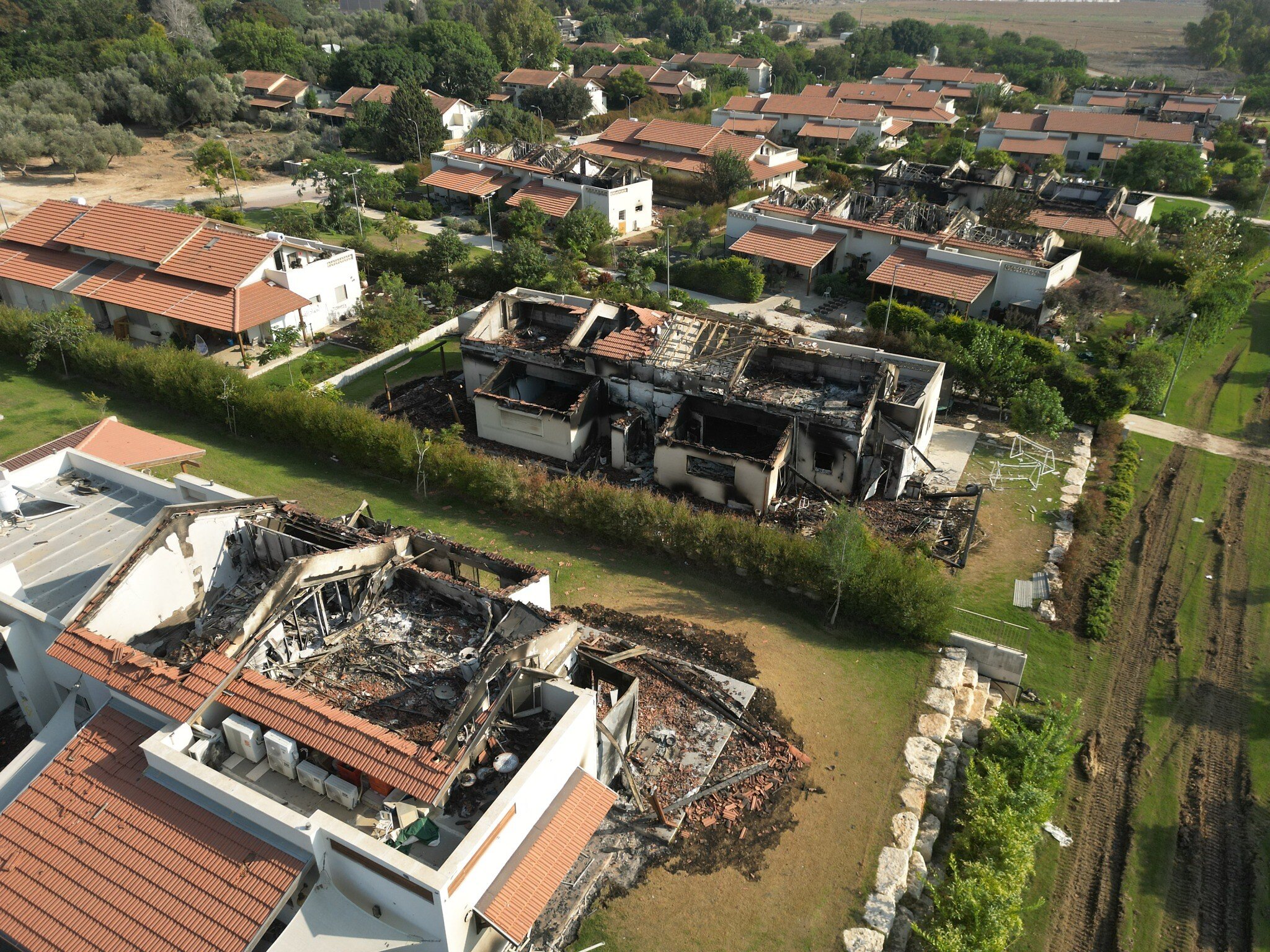
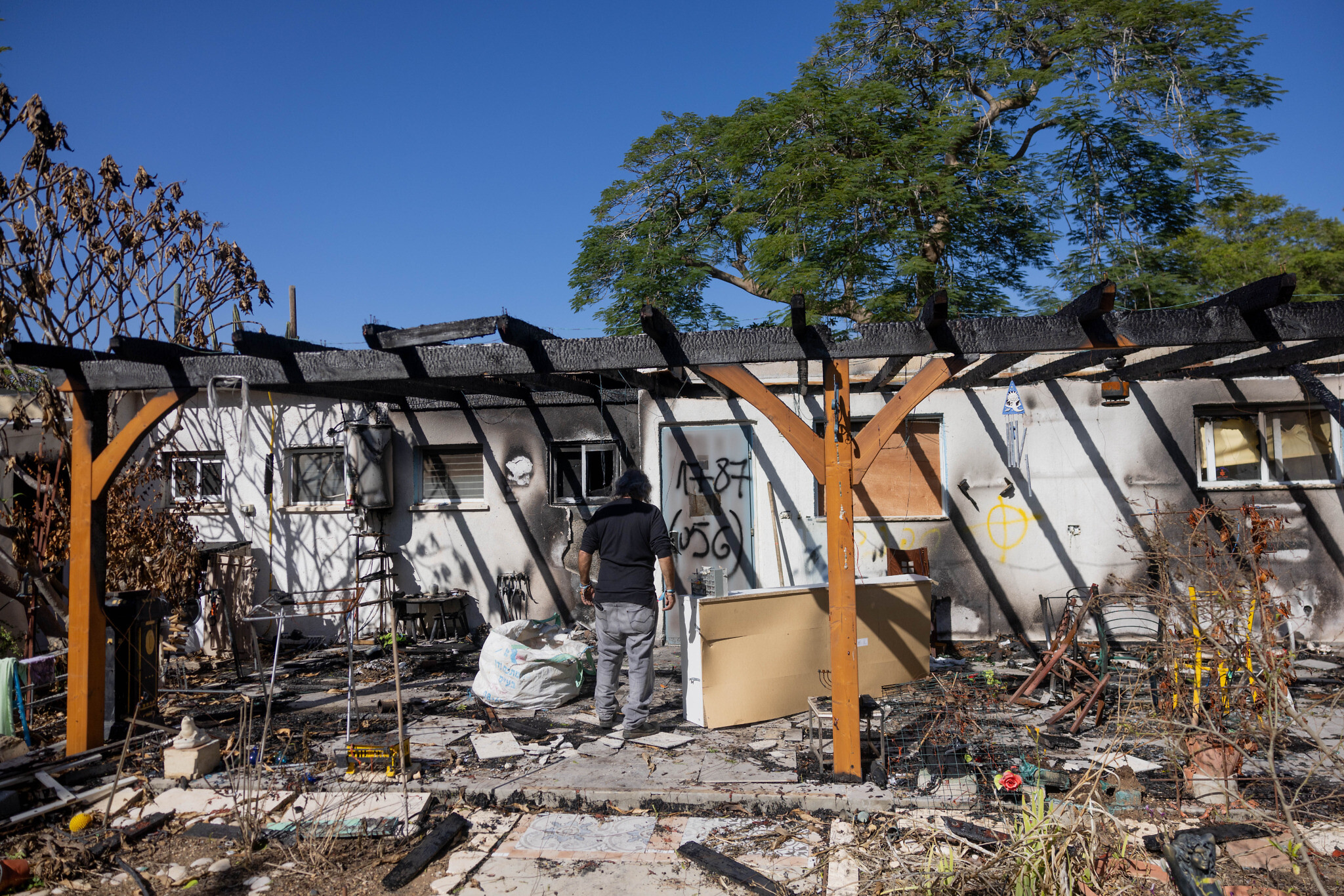
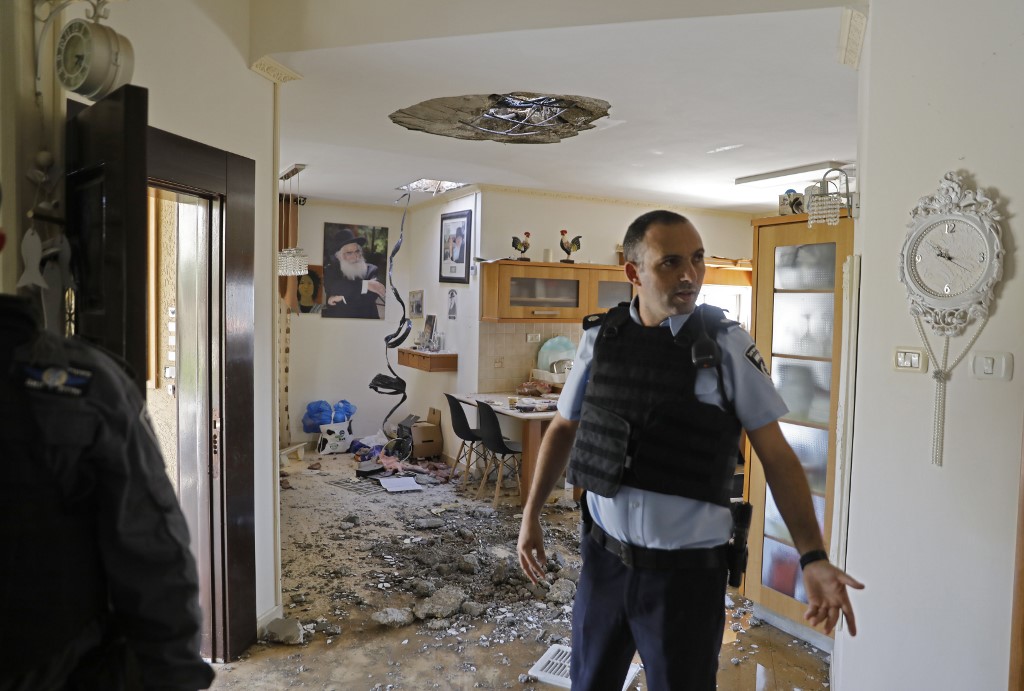
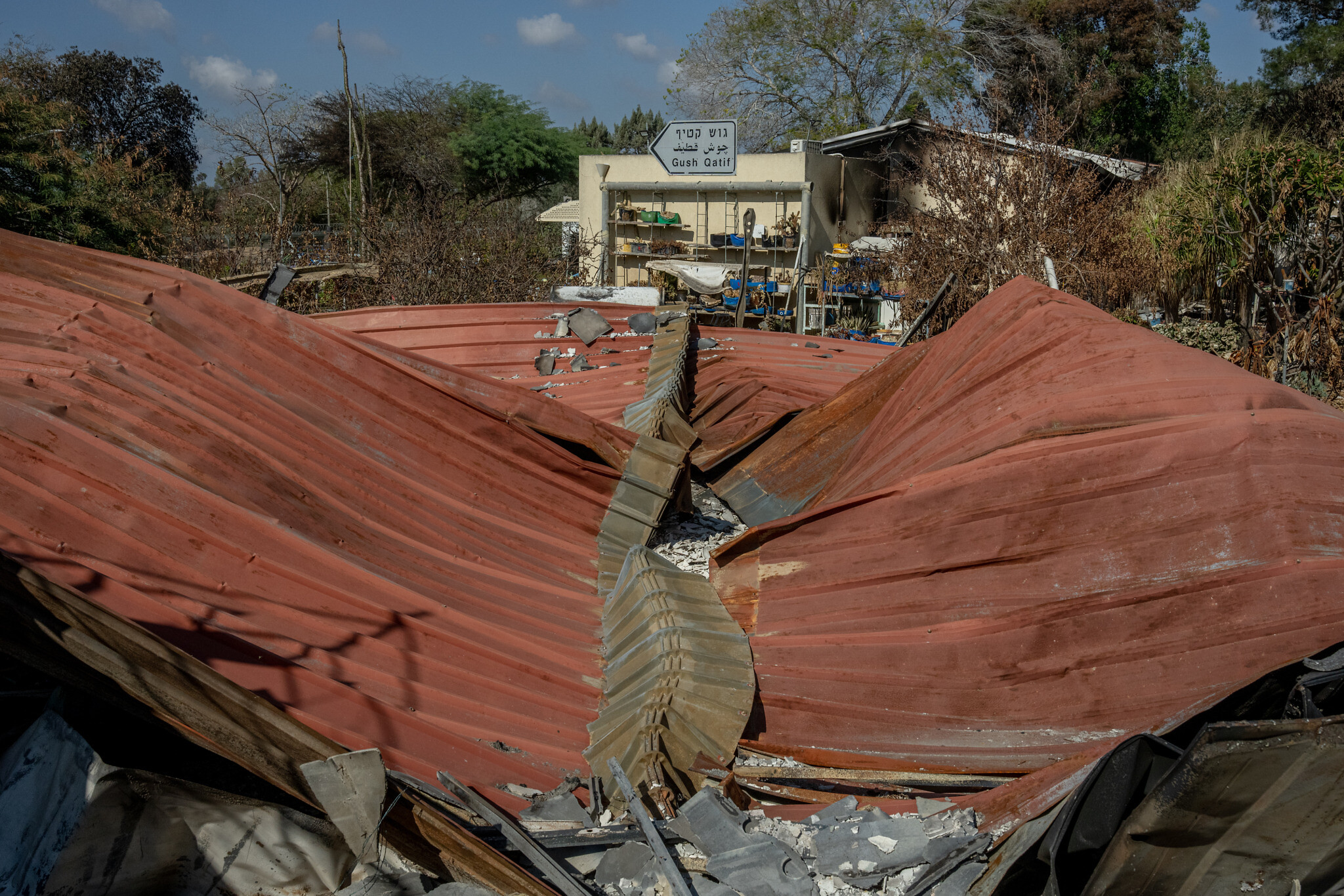
How does one rehabilitate a region that saw pastoral, tight-knit communities decimated by a terrorist invasion in which homes and buildings were reduced to rubble, their populations scattered to the corners of the country and swaths of the nation’s breadbasket left fallow?
How does one not only rebuild but thrive — recreating and building upon the assets that made the region one of the fastest-growing parts of the country despite decades of rocket attacks from the nearby Gaza Strip?
And how does one organize and coordinate among innumerable organizations and hierarchies, with innumerable priorities and ideas, many of them conflicting?
The graves of the 1,200 victims of the October 7 massacre are still fresh, more than half of the approximately 250 hostages taken that day remain captive in Gaza, and the sounds of fighting inside the Palestinian enclave still echo across the landscape, but planners have begun brainstorming how best to move ahead.
Last week, Shahar Solar, the deputy director general for Strategic Planning of the Interior Ministry’s Planning Administration, hosted the first of what is slated to become a series of sessions meant to envision ways to rebuild the Gaza border region after it was largely left in ruins by the October 7 Hamas terror onslaught.
The event, held in the small town of Mabuim just outside the most affected area, was aimed at figuring out who would be involved and discussing ideas, Solar said.
The dozens of participants included planners, architects, academics, local authority officials, environmental experts, and an Israel Defense Forces lieutenant colonel. No elected officials were invited.
The post-October 7 rehabilitation effort is being led by the Israel Land Authority, the Planning Administration and the Tekuma (Revival) Administration, a special body announced by the government days after the massacre and given an initial budget of around NIS 1 billion ($248 million), with NIS 18 billion ($4.8 billion) pledged over five years.
But a dizzying 43 bodies, mainly government ministries and state authorities and companies, could be involved in the rehabilitation of what is often called the Gaza envelope, said Einav Ringler, a senior official at the Israel Land Authority. The list of bodies she presented also included the moshav and kibbutz movements and the nonprofit Society for the Protection of Nature in Israel.
“Gaza envelope,” furthermore, also means different things to different bodies.
Coordination complexities
The Planning Administration has teamed up with the Israel Land Authority to develop a strategic plan for the whole of the Western Negev, which encompasses both the areas closest to Gaza that were most affected on October 7, including Sderot and Ofakim, and those that largely avoided direct attacks, like Mabuim and the nearby city of Netivot, said Liat Peled, spatial planning director at the Planning Administration.
Some 86 rural communities are included in the region, which was carved out as part of a decision made before October 7 though its exact borders had yet to be determined, with the administration still gathering data, Peled said.
The Tekuma Administration, by contrast, is focused solely on the area within seven kilometers (4.3 miles) of the Gaza border. This comprises 46 rural communities (25 kibbutzim and 21 moshavim), and one urban center — Sderot.
Aviel Phansapurker, head of construction and housing at Tekuma, said his organization would present a strategic plan soon.
Tekuma was examining how regions elsewhere in the world had been rehabilitated after disasters and was consulting widely because “the government can’t do this alone,” he went on.
However, Tekuma would solely coordinate the rehabilitation for residents and local authorities, he insisted.
During his concluding remarks, Solar questioned whether it was right to invest so much money in the small, relatively sparsely populated Tekuma belt, rather than spreading it out over the whole Western Negev.
Not spreading it, one participant warned, could cause resentment in Netivot and Ofakim, former development towns where working-class residents have long claimed discrimination in favor of the well-heeled populations of the kibbutzim.
Input from non-expert locals, which was largely lacking, is planned to be integrated into the process as part of a separate track.
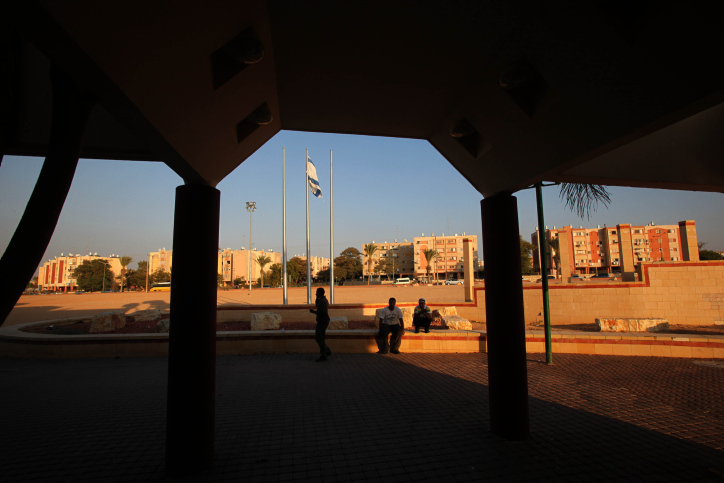
While the goodwill was palpable, many people in the room wondered how so many bodies would manage to work together. Lack of coordination is a flaw that is pointed out regularly in State Comptroller reports.
Several participants called on the bureaucrats to use existing plans rather than create new ones.
Interim housing
The tens of thousands of people evacuated from the region after October 7 have been living in temporary housing ever since, often in hotels or utilizing other ad hoc solutions that allow many communities to remain together.
With the rebuilding process expected to take years, the state has settled on various interim solutions for evacuees from the Gaza border communities.
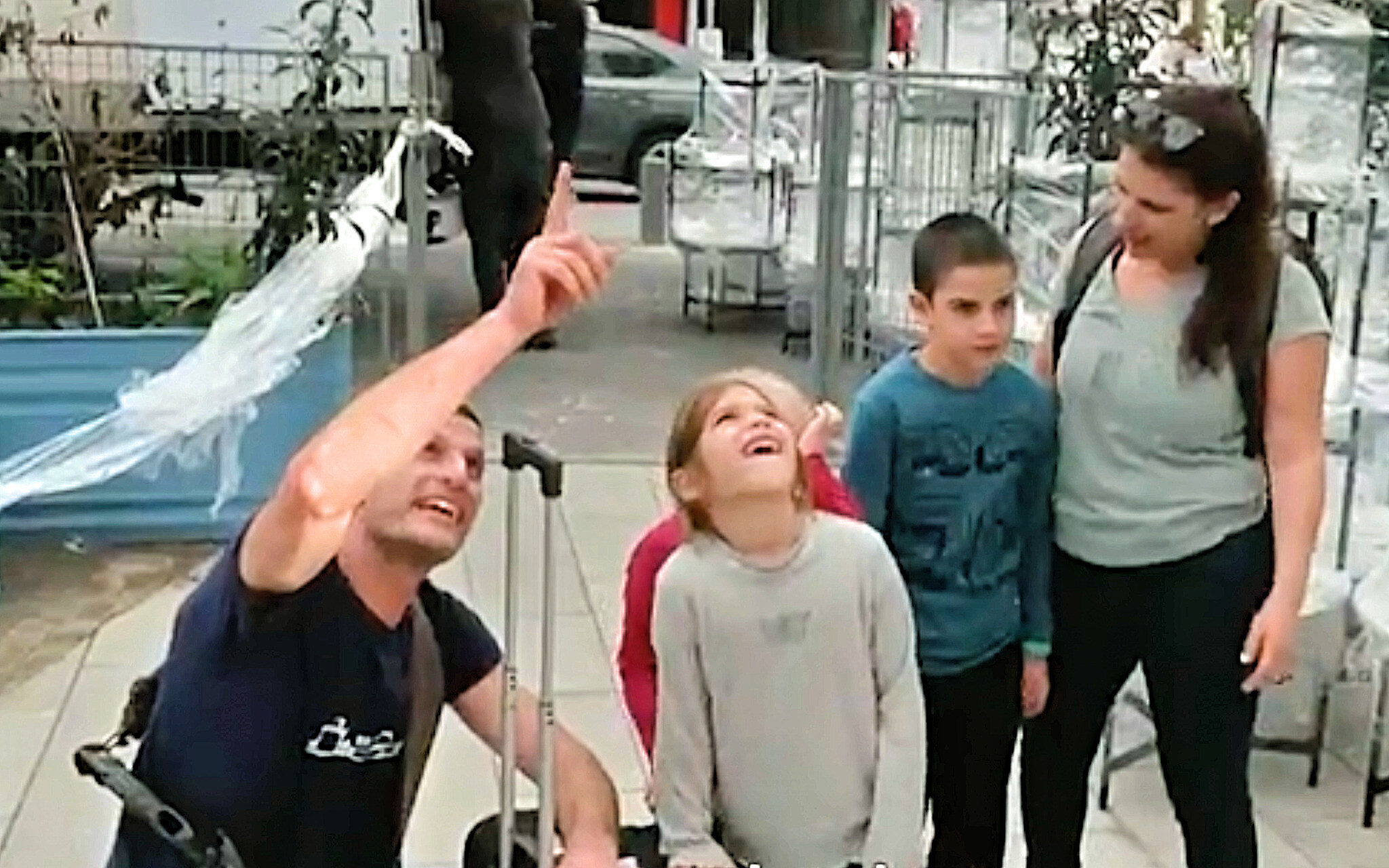
Residents of Kibbutz Re’im have temporarily moved to two new high-rise apartment buildings in south Tel Aviv, while those of Nir Oz have transferred to Kiryat Gat, some 50 kilometers (30 miles) northeast of Nir Oz, and evacuees from Nahal Oz are staying at Kibbutz Mishmar HaEmek in northern Israel.
According to Phansapurker, the coming days will see residents of Kibbutz Kerem Shalom moving to Ashalim, and those of Kibbutz Sufa moving to Ramat Gan, near Tel Aviv, as well as to Ofakim.
In the coming weeks, Kibbutz Nirim’s residents will move to Beersheba.
Within the next six months, people from Kibbutz Be’eri will move to Kibbutz Hatzerim, west of Beersheba, and those from Kibbutz Holit will transfer to Kibbutz Revivim, northwest of the Negev town of Yeruham.
Members of Kibbutz Kissufim will head to the upscale community of Omer, near Beersheba, while those from Moshav Netiv Ha’asara will move to the southern city of Ashkelon, and those from Kibbutz Erez will move to the desert city of Mitzpe Ramon.
The conference heard that temporary options were also being discussed for Kibbutz Ein Hashlosha (moving to Netivot), Karmia, and the village of Ibim. The latter might move to Zichron Yaakov and the Carmel region south of Haifa, in northern Israel.
Several conference participants spoke out against the use of prefabricated houses, known in Hebrew as caravillas, which have become permanent eyesores elsewhere in the country. Many are envisioning better, greener ways to rebuild homes and other infrastructure.
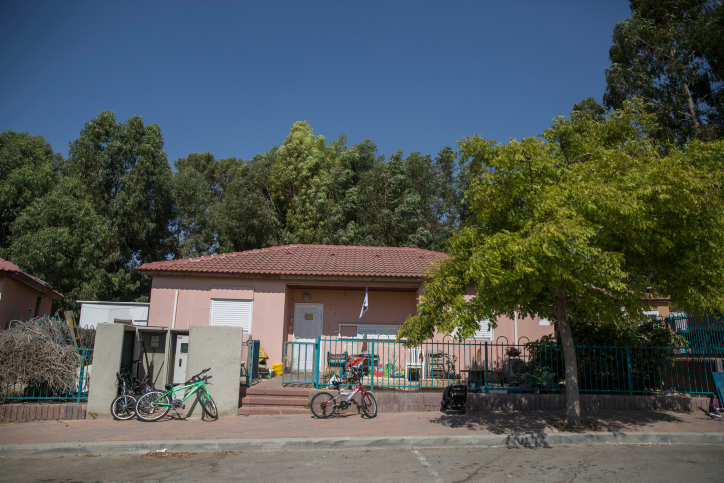
The Bezalel Academy of Art and Design is running several initiatives post-October 7. One is examining better, more sustainable alternatives to caravillas. In another project, an architecture student has designed and built a prototype for a shelter to protect Bedouin residents from rocket shrapnel. Shelters are notoriously lacking in the Negev Bedouin community.
The Israel Green Building Council presented ideas that included a house with a reinforced underground floor that could serve as a combined shelter and living space, and a home that was energy self-sufficient.
Lecturers and students at the Technion — Israel Institute of Technology in Haifa, northern Israel, are set to design a reinforced bus stop and to work on a pilot with the Home Command and the Transportation Ministry.
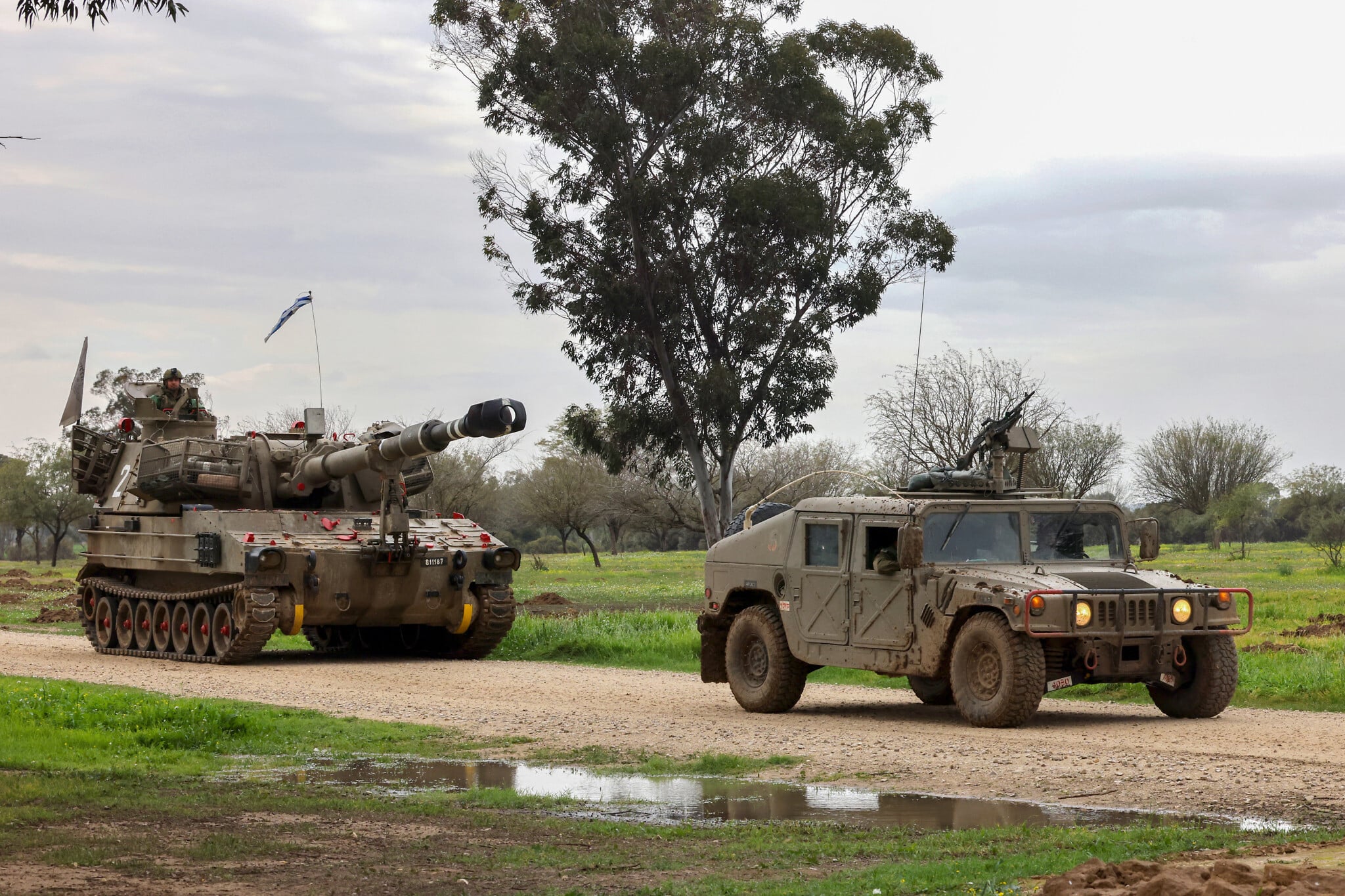
But there was little talk otherwise about how to give returning residents a feeling of security.
The army lieutenant colonel told one of several round table talks that the Israel Defense Forces was discussing increasing its presence in the border communities by a factor of two and a half, a deployment which would require planners to account for access roads and other infrastructure.
It was unclear whether Tekuma or the Planning Administration were aware of the military’s plans.





The Times of Israel Community.