

Ancient mosaic found under Nazareth’s Church of Annunciation
Two meters below courtyard of revered site, US and Israeli archaeologists uncover floor decoration dating to 4th century
 Add ToI as a Preferred Source on Google
Ilan Ben Zion is an AFP reporter and a former news editor at The Times of Israel.
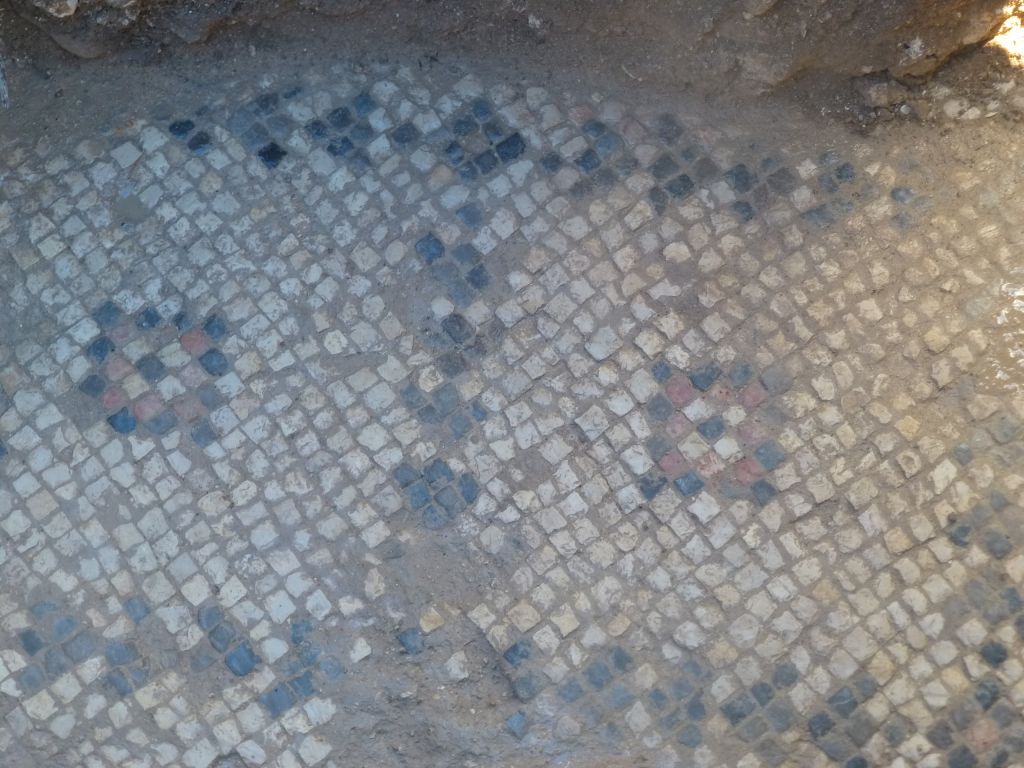
Remains of an ancient church at one of the most revered sites in Christendom were discovered by archaeologists excavating in Nazareth.
A group of scientists from universities in the US and Israel announced the discovery of a Christian mosaic believed to be 1,700 years old buried some two meters beneath the courtyard of Nazareth’s Greek Orthodox Church of the Annunciation.
The modern building was constructed in the 18th atop the site of earlier churches.
The Byzantine church was believed to have been constructed in the fourth century CE.
The church marks the spot where Roman Catholics believe the Angel Gabriel appeared to the Virgin Mary and announced the imminent birth of Jesus.
“The mosaic floor is beautifully decorated with multiple stylized crosses and iconography,” Hartford Professor Richard Freund, who headed the project, said in a statement.
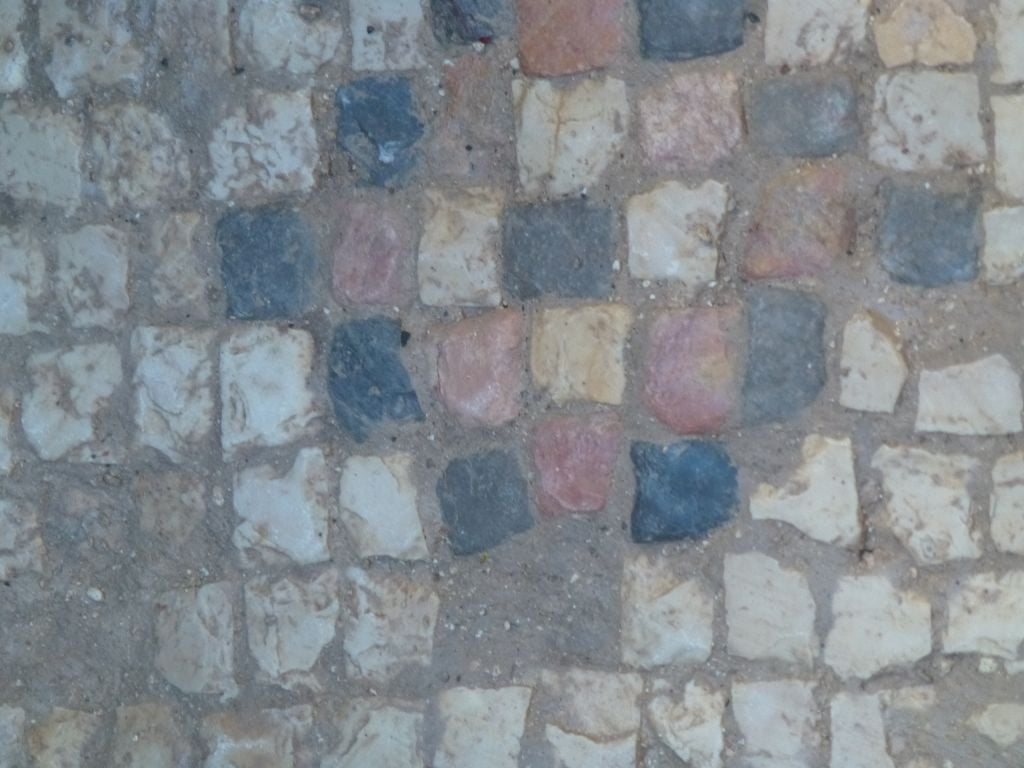
Using ground-penetrating radar, the team discerned during previous visits that there might be an ancient floor below the modern church’s courtyard.
“Based on the data we collected in December 2012 and January 2015 using the geophysical techniques ground-penetrating radar and electro-resistivity tomography, we determined that ‘something’ was buried beneath the courtyard behind the current incarnation of the church,” said Duquesne University’s Philip Reeder.
In the coming month, once data from the excavation has been digested and interpreted, the scientists will make additional announcements about the finds.
The church plans to install glass panes to allow visitors to see the mosaics below.









The Times of Israel Community.