

Archaeologist Gabriel Barkay, pioneer of Temple Mount research, dies at 81
Discoverer of the Ketef Hinnom scrolls and founder of Temple Mount Sifting Project was a larger-than-life figure who stirred controversy, loved Jerusalem and made the city his mission
 Add ToI as a Preferred Source on Google
Rossella Tercatin is The Times of Israel's archaeology and religions reporter.
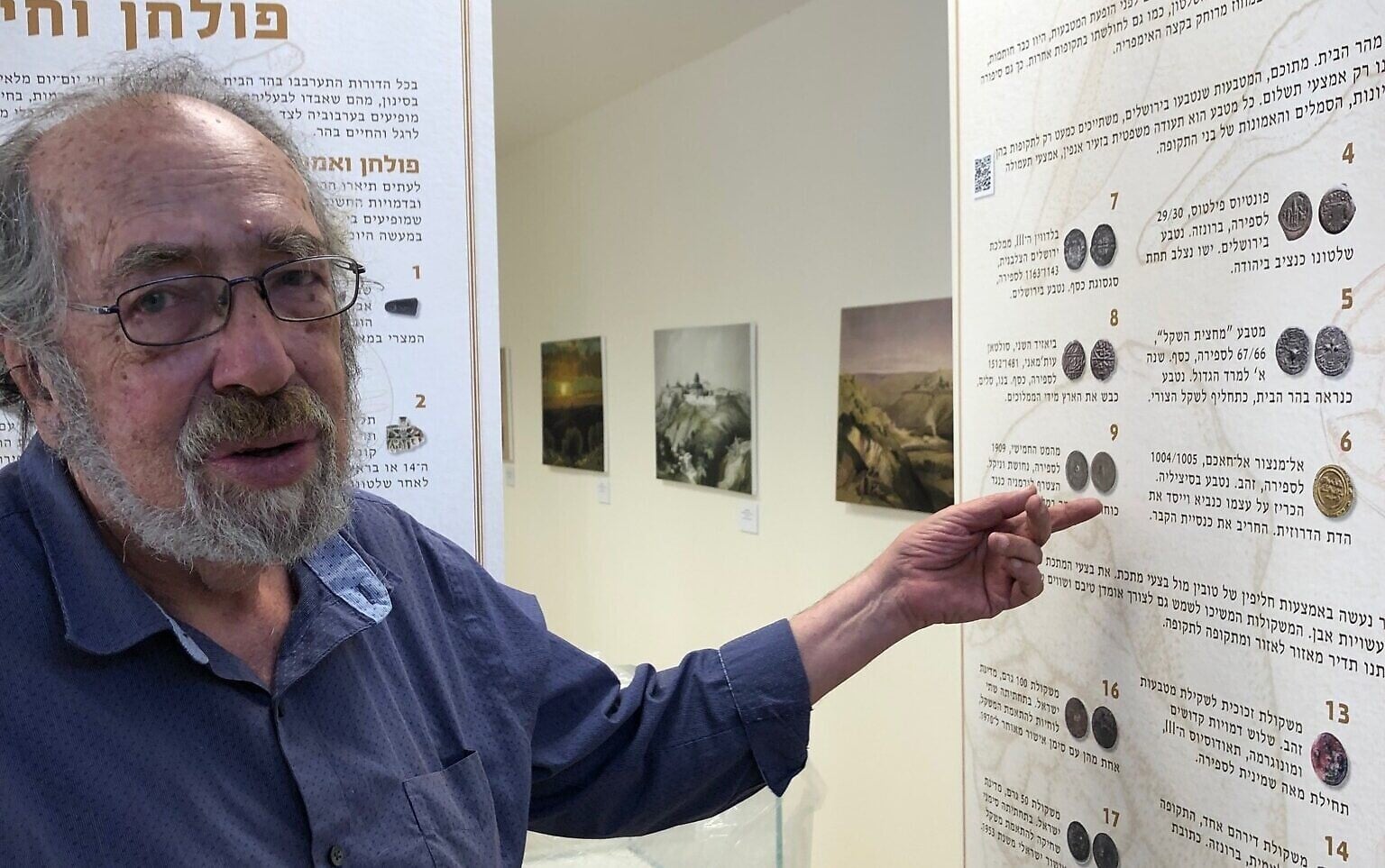
Iconic Israeli archaeologist Gabriel “Gabi” Barkay died on Sunday at age 81 after a long illness. He was well known for his pioneering work on soil from the Temple Mount and for his discovery of one of the oldest fragments of the biblical text ever found.
Considered by many to be among the giants of his generation, Barkay’s willingness to employ nontraditional research methods and his maximalist approach to some issues in following the Bible as a historical source also drew criticism from some scholars.
“It’s a great loss. He really left a very big void in the archaeology world,” said archaeologist Zachi Dvira, who worked side by side with Barkay for two decades in co-directing the Temple Mount Sifting Project. “His approach is something that I don’t think we will find in the next generation of archaeologists.”
Barkai was born in Hungary in 1944, where his family was hunted down by the Nazis. He moved to Jerusalem with his parents at the age of 6, and the city became his lifelong mission.
“He was like the top expert of the archaeology of Jerusalem, but also in all aspects of the city’s history,” Dvira told The Times of Israel in a phone interview. “If you were with him in Jerusalem, he would tell you the story of every street and corner.”
Barkay pursued his degrees at Tel Aviv University and worked under the greatest founders of Israeli archaeology, including Yigael Yadin, Benjamin Mazar and Yohanan Aharoni.
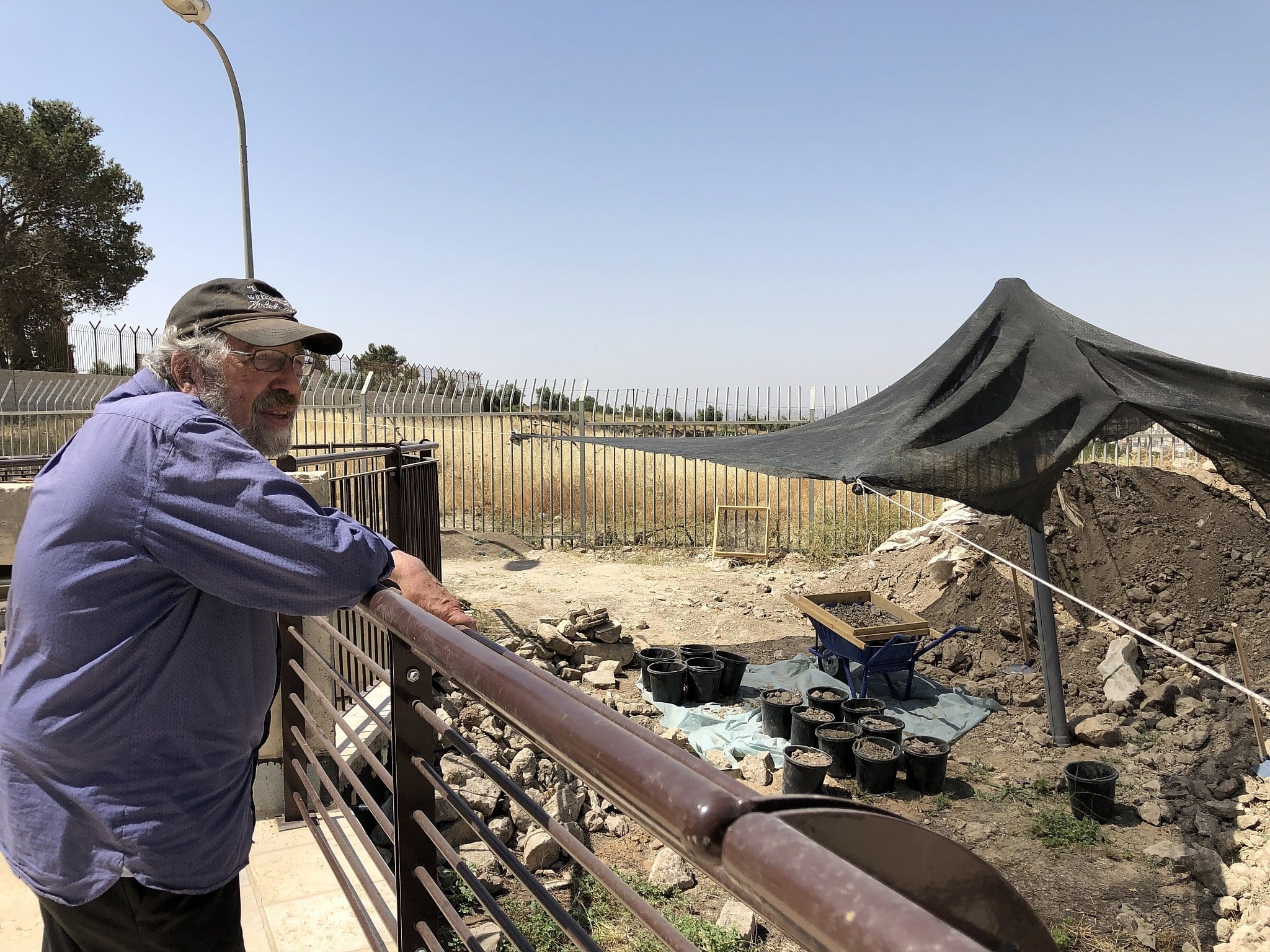
According to Dvira, Barkay had a prodigious memory and could provide information on an endless number of artifacts, periods, events, and typologies on the spot.
“He was like a biblical archaeology and Jerusalem archaeology Google,” he noted. “Anyone who wanted to find information on a certain topic or item and could not find it would come and consult with him.”
Ultimately, it was this encyclopedic knowledge that brought the two together.
Dvira had first met Barkay in 1998 while he was studying at Bar-Ilan University and was impressed with the passion the late researcher revealed, not only for archaeological excavations and scientific results, but also for those behind them, their stories and their personalities.
“He loved people,” Dvira said.
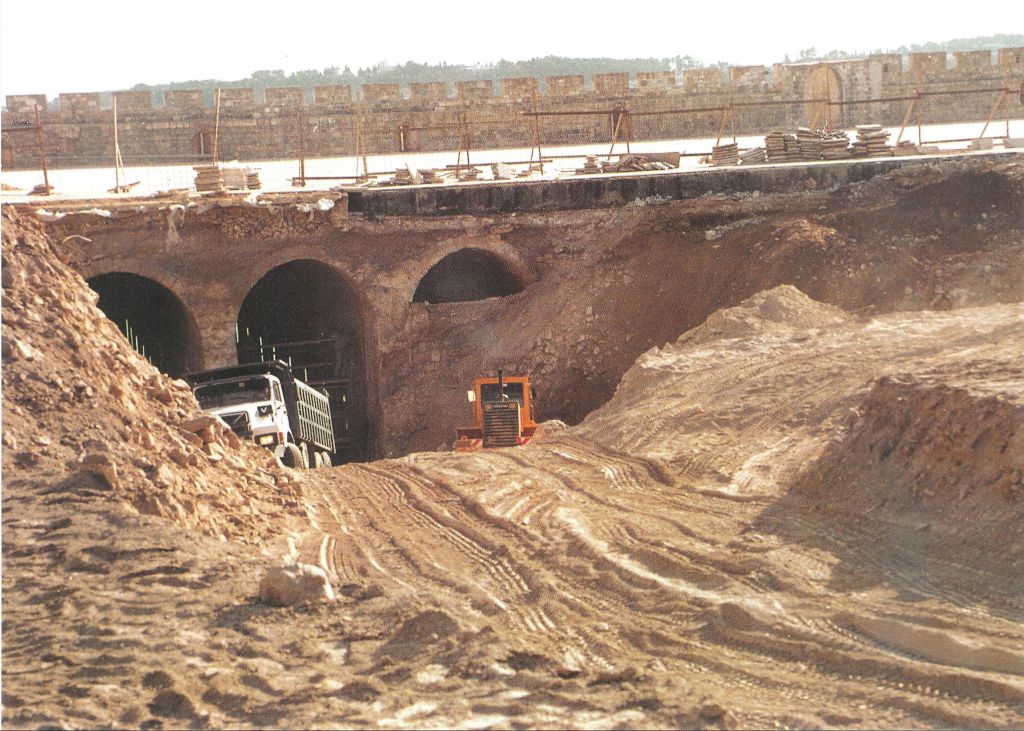
In his third year of studies, Dvira and a fellow student decided to conduct a small survey on a portion of the some 9,000 tons of soil that had been illegally removed from the Temple Mount (for Muslims, the Noble Sanctuary or Haram al-Sharif) and dumped in the Kidron Valley as a result of an unauthorized large-scale construction project to build a subterranean mosque carried out by the Northern Branch of the Islamic Movement.
“We needed help from professors to identify and date the finds,” he said. “At first, we did not approach Barkay; he was another generation, and it felt like we could not just go to him; we were intimidated.”
However, the young archaeologists soon understood that only someone with Barkay’s extensive expertise could provide insights into the nature of the objects they found.
“It’s very difficult to date when you don’t have the stratigraphy, and you deal with small fragments,” Dvira said. “We wanted more expertise. We gave Barkay a call, and he invited us to his house. We spread the finds on his dining room table, and he was so excited.”
In the following years, Barkay worked to ensure that no construction work could be carried out on the Temple Mount without proper archaeological supervision, raising public awareness on the issue and bringing it before the authorities.
He also wanted to make sure that the soil already removed would not go to waste. By 2004, Barkay and Dvira obtained Bar-Ilan’s recognition and limited funding to start sifting through the dirt.
“We had funding just for a few months, but after we started, we realized the great potential of what we were doing,” Dvira recalled.
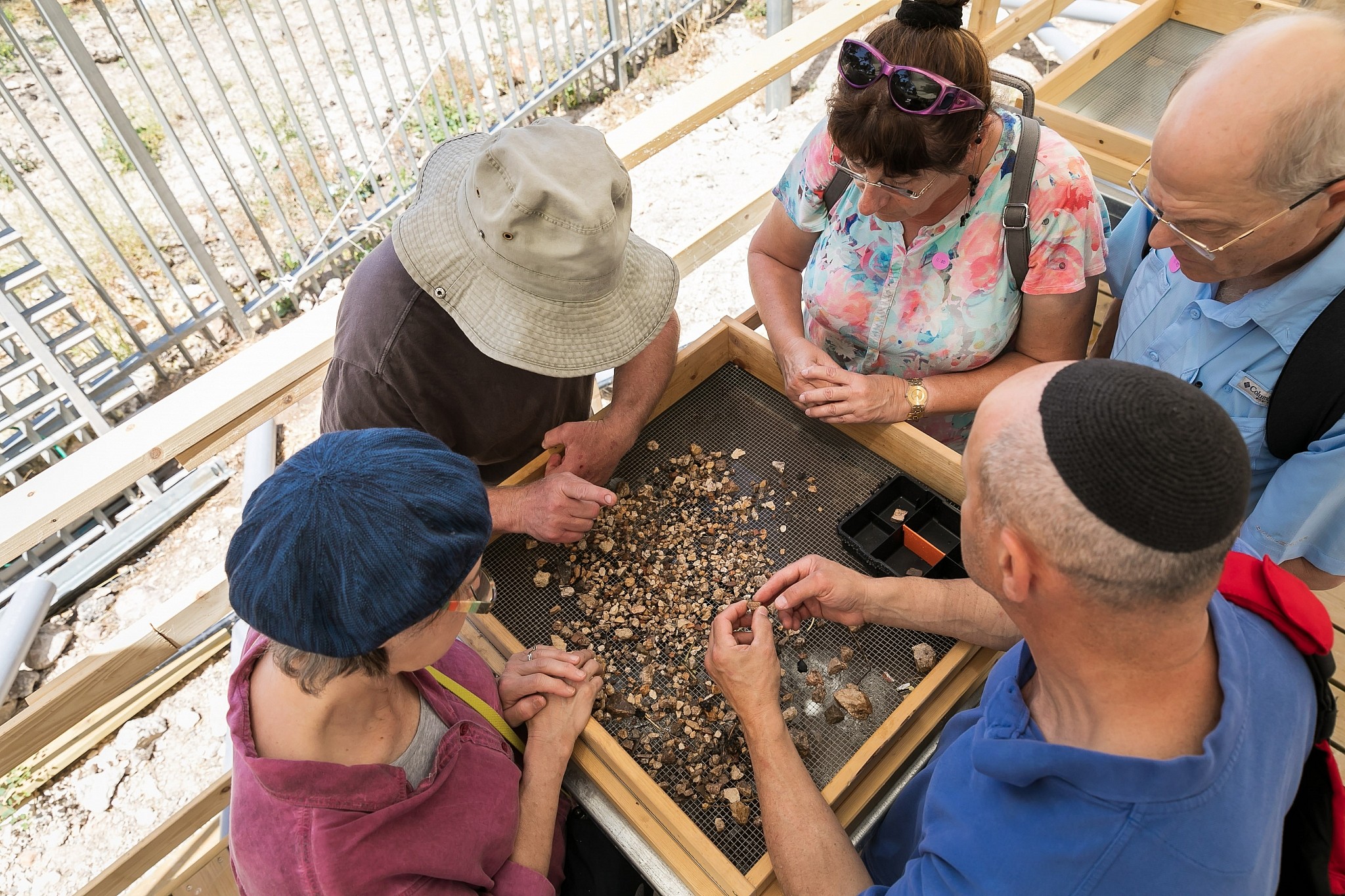
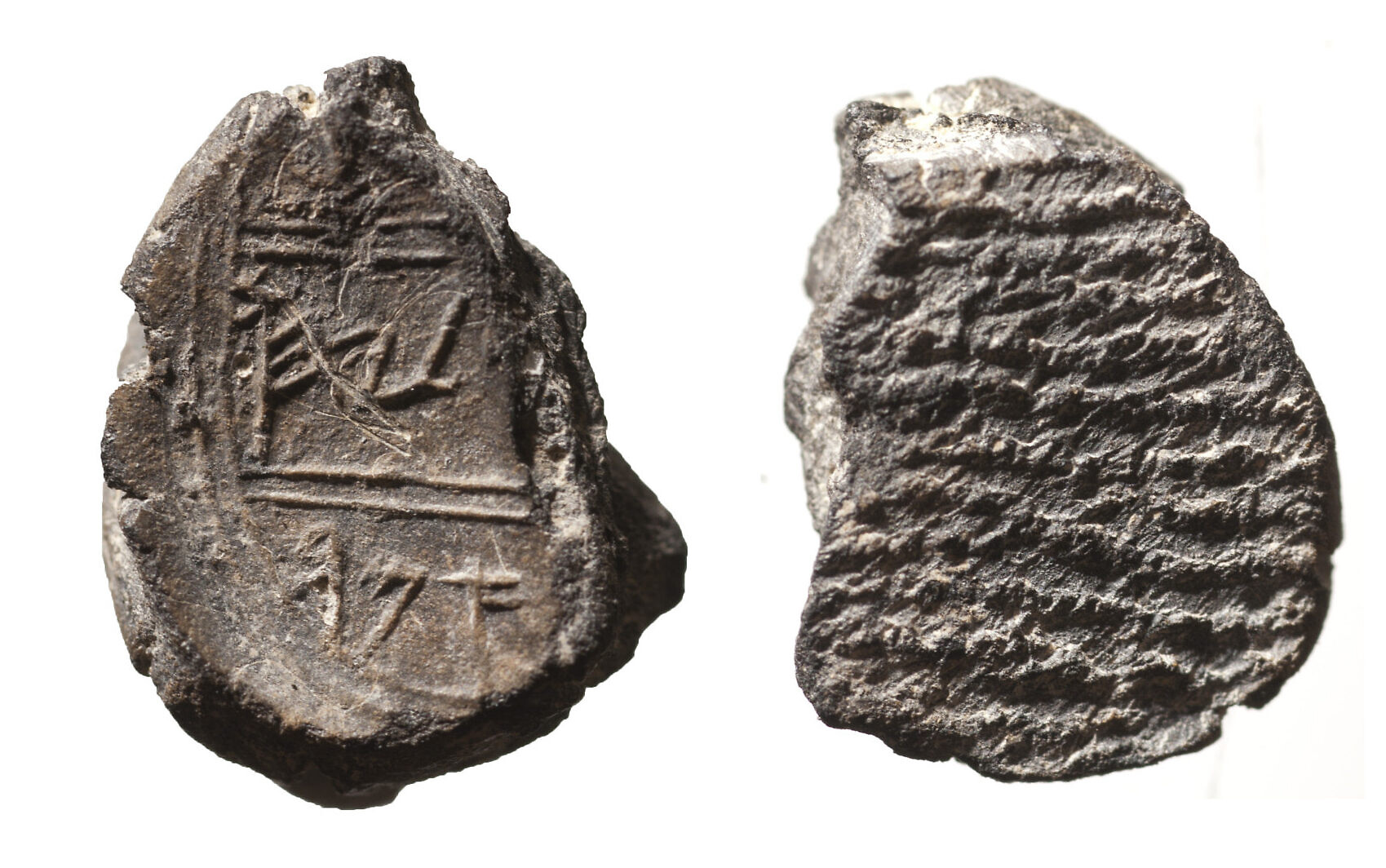
The archaeologists began identifying hundreds of artifacts, including coins, bones, pottery fragments, seal impressions, and more, in what soon became the Temple Mount Sifting Project.
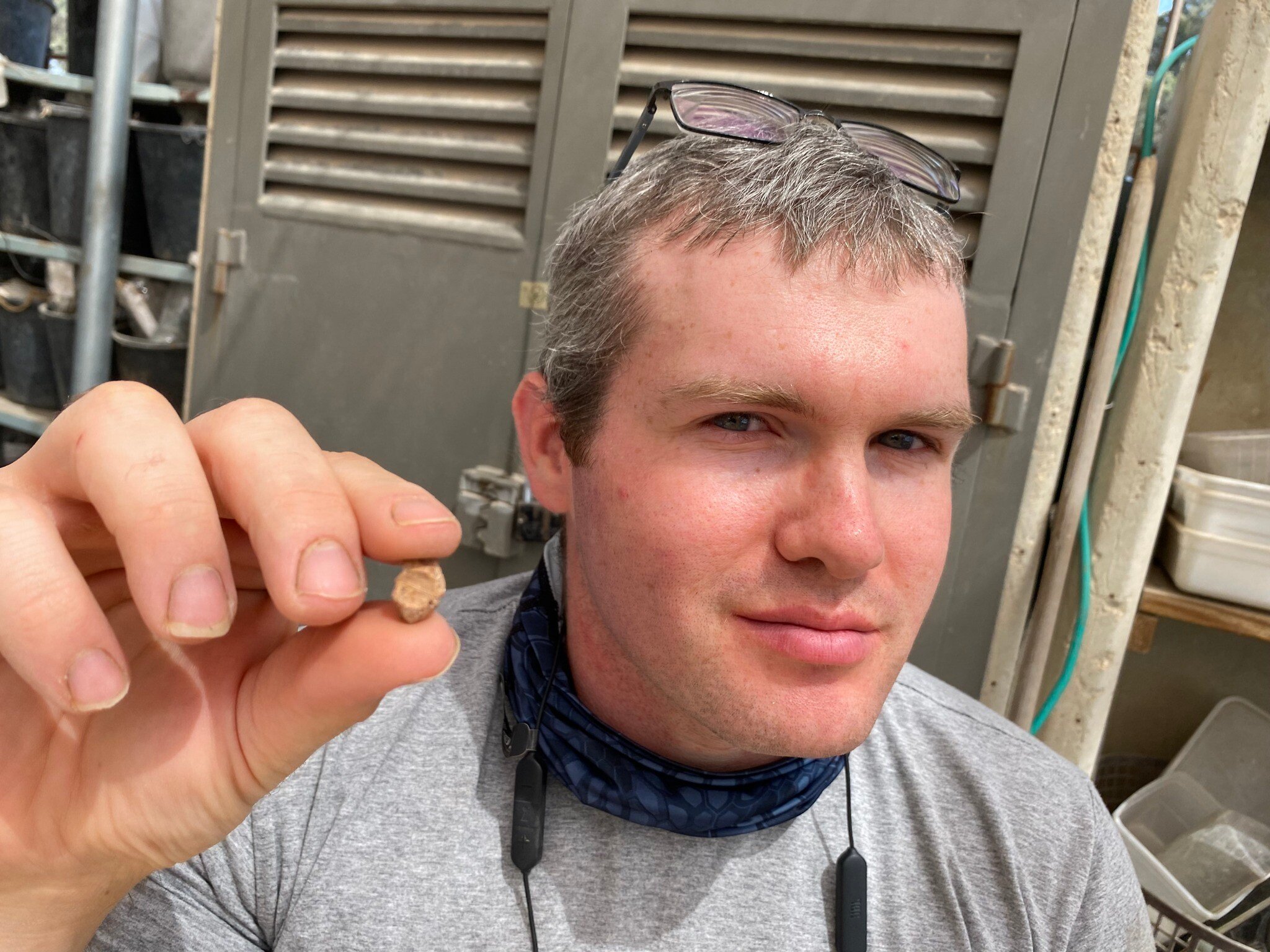
“There is so much you can learn, data and information you can extract,” said Dvira.
To this day, the Temple Mount Sifting Project has yielded about half a million finds, with the help of over 260,000 volunteers from Israel and across the world.
At the same time, the work has also been criticized by other archaeologists, skeptical of the possibility of conducting rigorous research on findings outside their archaeological context.
“Though it is reasonable to assume that the fills come from the Temple Mount, the debris could have also been brought from other locations,” Prof. Israel Finkelstein of Tel Aviv University told The Times of Israel in an email in 2014.
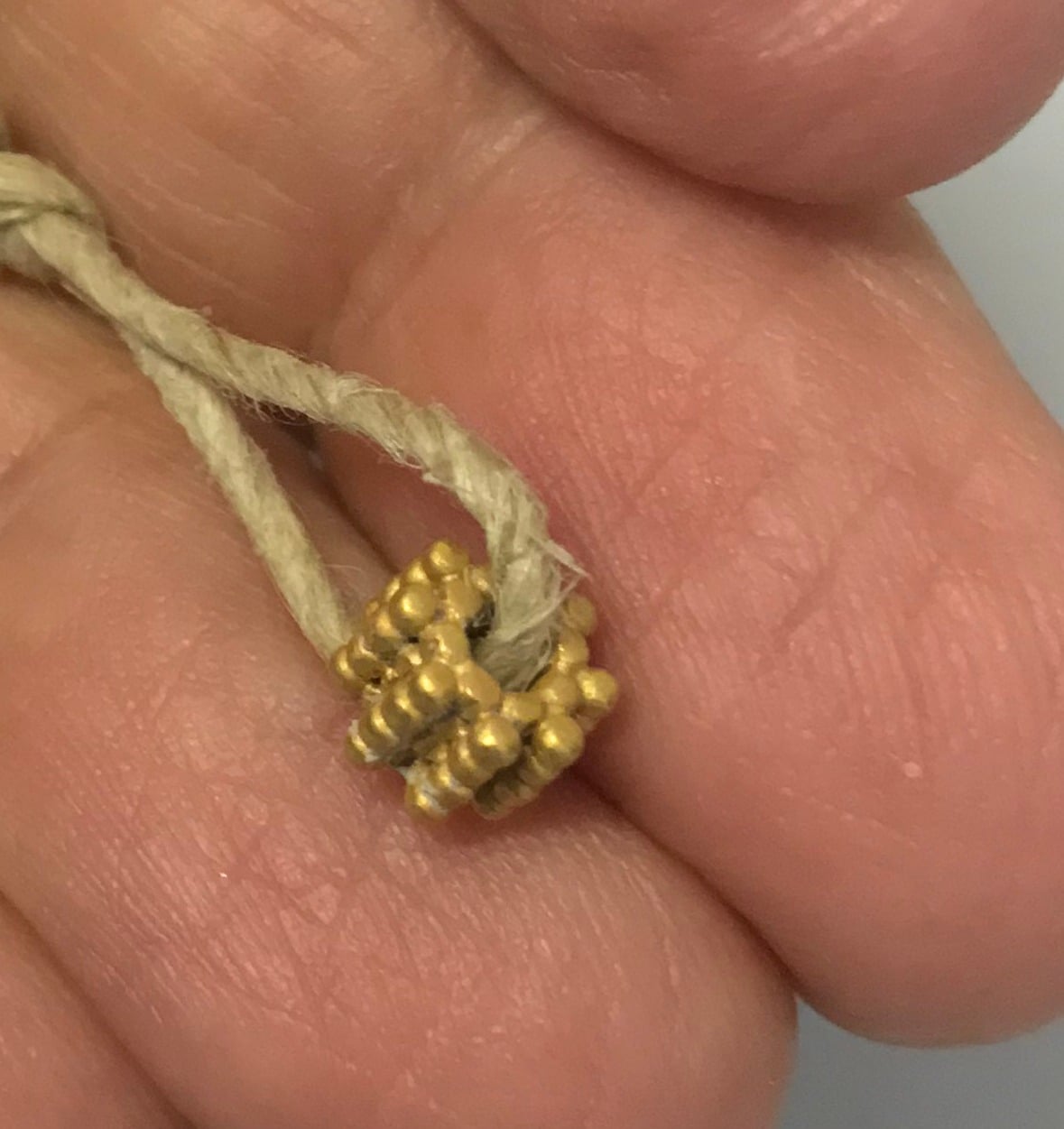
Others suggested that the endeavor has been motivated by far-right politics rather than a scholarly desire to scientifically plumb the depths of Temple Mount history.
From 2005 to 2017, the Temple Mount Sifting Project operated in a facility owned by the City of David, whose supporting foundation, known in Hebrew as Elad, has also pursued an agenda of enhancing the Jewish presence in Palestinian neighborhoods of Jerusalem. After a two-year hiatus, in 2019, the sifting operations moved to the Mitspe Hamasuot (Hamasuot Lookout) site on Mount Scopus under the auspices of the Mount of Olives Ridge Jewish Communal Development Fund and supported by the New York-based American Friends of Beit Orot, which also advances similar goals.
Barkay always rejected the accusations, also calling them politically motivated.
“Sneezing in Jerusalem is an intensive political activity. You could turn your head to the right, or the left,” he told The Times of Israel in 2019.
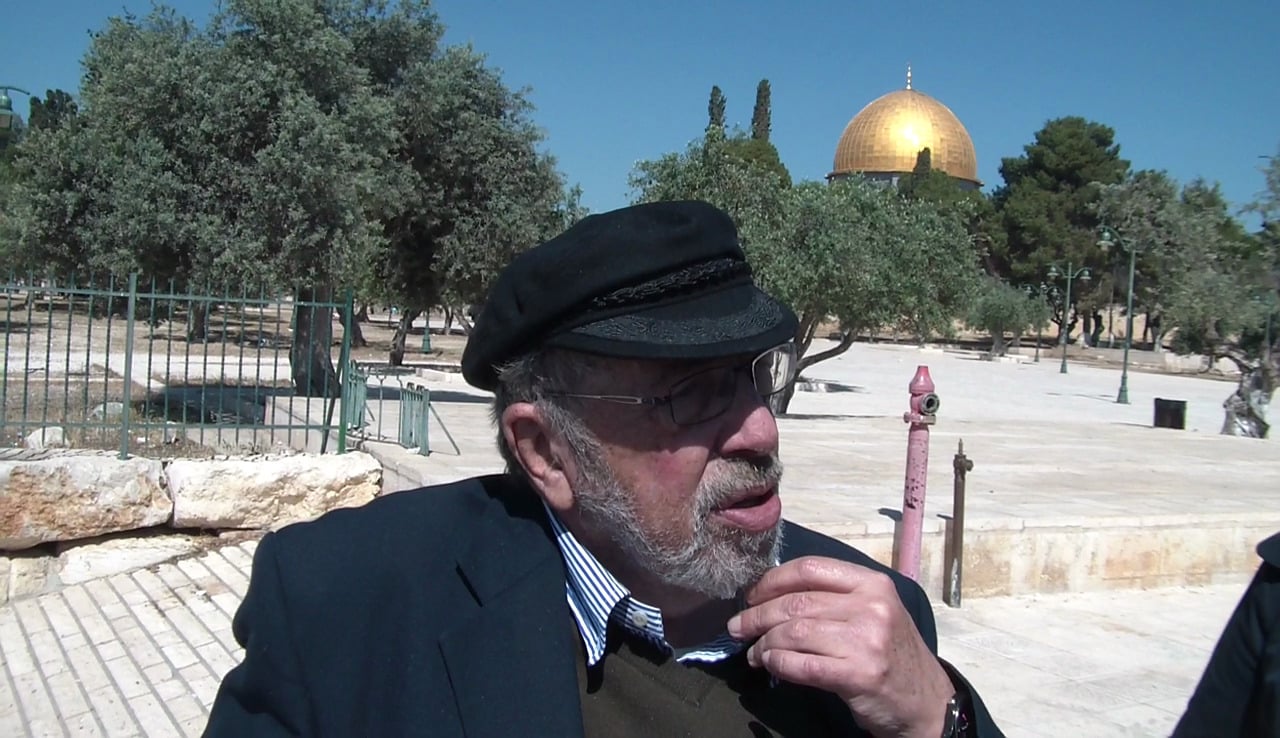
“The Temple Mount is the heart and spirit of the Jewish people — including those who are not religious — everybody,” said Barkay.
“Unfortunately, we are identified by some people as extremists. But I am interested in all civilizations and have no preference for this or that period or people,” he added.
Barkay was used to being confronted by colleagues who did not share his views. In 1997, he was dismissed by Tel Aviv University after 27 years of work and teaching there due to conflicts with the new leadership of the Institute of Archaeology.
In the following years, he joined Bar-Ilan and also taught at the Rothberg International School at the Hebrew University of Jerusalem.
In 1975, he started teaching at the Christian Jerusalem University College and never stopped.
Dvira recalled how Barkay loved the academic work and research, but he also cherished educating the public about archaeology and history.
“When he saw a child getting excited about finding his first pottery sherd, it filled his heart,” he said, noting that the late archaeologist also wrote hundreds of non-academic books on the Land of Israel.
Before the Temple Mount Sifting Project, Barkai had also made waves for other discoveries.
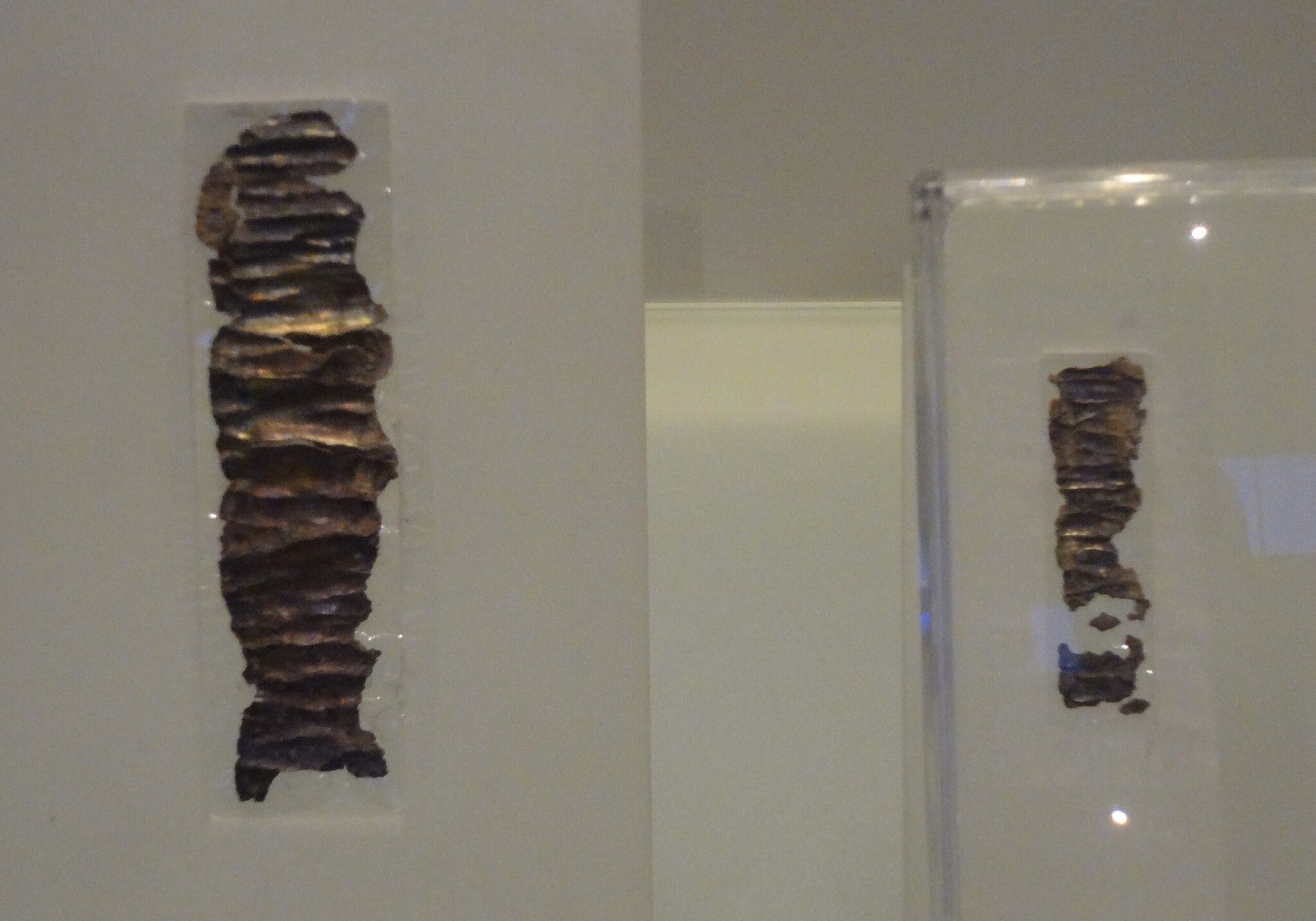
Perhaps the most extraordinary are the “Ketef Hinnom scrolls,” two small silver amulets featuring verses from the Hebrew Bible, and, more specifically, the priestly blessing (Numbers 6:24-27), which is still recited in synagogues and Jewish homes to this day. (The scrolls were deciphered by epigrapher Ada Yardeni.)
Barkay discovered them during excavations of Iron Age burials on the grounds adjacent to St. Andrew’s Church in Jerusalem in 1979.
The findings, dating to the later part of Iron Age II (1000-586 BCE), still constitute the earliest known example of biblical text.
One of Dvira’s regrets is that they did not manage to publish the first book of a six-volume series documenting all the findings from the Temple Mount Sifting Project before Barkay’s passing.
“I was really hoping that we would manage to publish at least one volume as he was still with us,” he said. “I don’t know where he is now, but I hope he will enjoy it when it happens.”




The Times of Israel Community.