

Bars on terrorized TA drag lift spirits with happy hour
As passersby light memorial candles in memory of the victims of Friday’s shooting attack, the city tries to shift its mood
 Add ToI as a Preferred Source on Google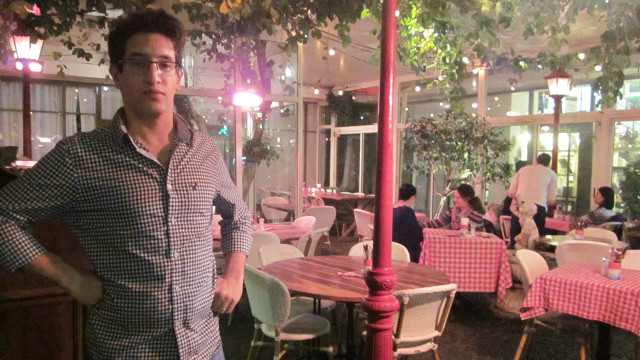
At the Piazza restaurant on Dizengoff in Tel Aviv, waiters peered outside the open door, ready to begin Monday night’s dining services. Two cherry red street lamps illuminated the restaurant’s checkered tablecloths and dangling ivy.
But despite the four-year proven appeal of this Florentine-style bistro in the heart of Tel Aviv, all the tables at 99 Dizengoff were empty at 6 p.m.
“We were open Saturday night but 70% of our reservations were canceled,” said Itai Shapira, the owner and manager of Piazza. “There were fewer people walking around. You can feel it in the air everywhere.”
Since Friday, when suspected gunman Nashat Milhem killed Simta Bar manager Alon Bakal, 26, and patron Shimon Ruimi, 30, Dizengoff Street has been hit by a wave of mourning and fear. That translates into bad business for the local bars and eateries that line the wide boulevard.
To revive the spooked neighborhood and draw customers back to their favorite hangout spaces, the Tel Aviv-Jaffa municipality asked bars along Dizengoff, one of the city’s major thoroughfares, to offer a free drink on Monday night to every paying customer. It was the first time the municipality initiated an event specifically aimed at encouraging patrons following a terror attack, said the city’s International Press Director Mira Marcus.
“It’s something that the municipality initiated and organized, but not something that we sponsored,” Marcus said. “It’s something that the bars offered.”
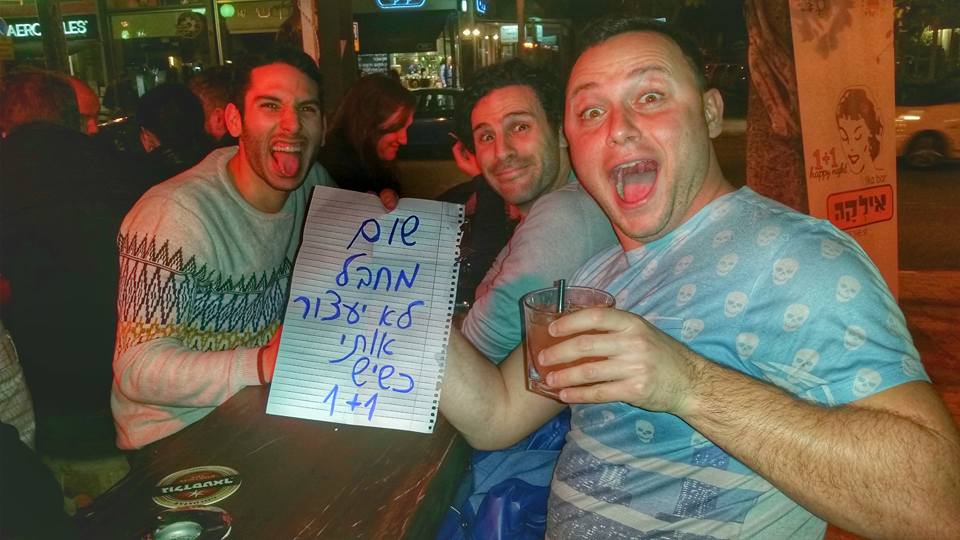
More than 25 businesses agreed to offer a Buy One Get One Free deal. According to Josh Manson, who owns Ilka, another Dizengoff bar, proprietors along the avenue all joined a WhatsApp group for the event.
Manson’s bar sits at the nexus of Jean Jaures Street and Dizengoff, a block away from the memorial candles set up outside the Simta Bar.
“The safest place to be is on Dizengoff Street,” said Manson. “How often does lightning strike the same place, right?”
Omri Rosengart, the manager at Concierge next to Piazza, has had a similar experience to his fellow bar owners. He said that Saturday night was “pretty empty” and on Sunday night they filled “five or six tables in a space that holds almost 200.”
“When you see your place like this you know it’s not your fault,” Rosengart said. “You understand why.”
According to Rosengart, everyone in Tel Aviv nightlife knows one another. Many of the owners and managers frequent each other’s bars to chat, smoke and laugh.
“You take [the attack] a little bit personally because it’s your city and your street and your business,” Rosengart said. “I knew the owners and it hurts like it happened to you.”
Daniela Driks, a local walking past the bars, said she doesn’t feel completely safe yet. On Friday, she left Simta ten minutes before the attack, planning to meet up with friends at a nearby café. Minutes after arriving, the café owner ordered everyone out, including Driks, because of the attack and the attacker who was still at large.
“We are going to recite gomel (the blessing traditionally recited after a near death experience) in the synagogue,” she said. “We stayed at home four hours because [the police] closed all the streets.”
Driks pointed to a pub called Bar and Pizza which faces the attack scene. It’s her favorite spot and she frequents it every Sunday because of the all-you-can-drink wine deal. She didn’t go there this Sunday.
“It’s so empty because people are scared to come here,” Driks said. “You see all the (memorial) candles. It’s complicated and you don’t feel okay to do it.”
Despite the sadness, bars and restaurants are trying to help the community emerge from the shock. Jenny Marilyn, a waitress at Segafredo, said she had a 7 p.m. shift on Friday, and after hearing the news of the attack, she began hyperventilating.
“I actually got a panic attack,” she said. “I couldn’t breathe.”
But Marilyn said she realized she couldn’t avoid work forever and donned her apron again by Saturday.
“The next day I came in because I realized that life continues and I still have to work and eat,” she said.
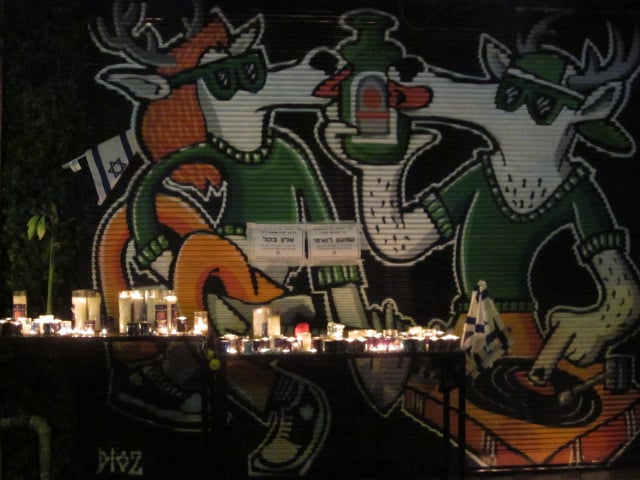
On the sidewalk outside Simta, travelers took a moment to pay their respects in front of tables full of lit memorial candles reminding passersby what happened here.
Still, there was a palpable sense that Dizengoff is gradually coming to terms with the reality.
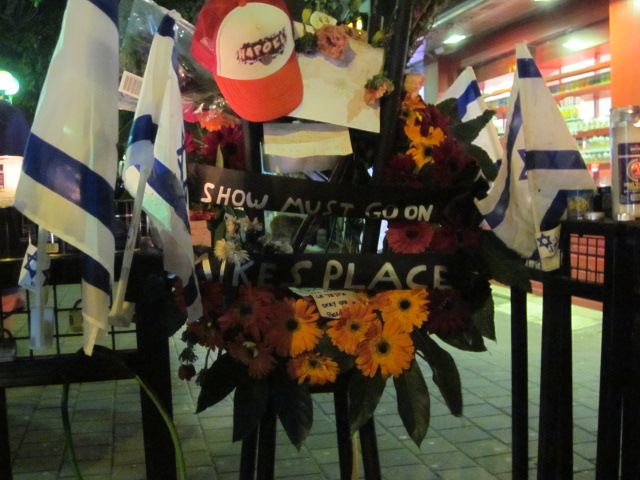
A wreath donated by Mike’s Place — another local watering hole that was the site of 2003 suicide attack killed three and wounding 50 — read, “Show must go on.”




The Times of Israel Community.