

Clearing out helter-skelter, group makes room for people in junk-jammed shelters
In rocket-struck cities, neighborhood non-profit Osim Shchuna is enlisting an army of helpers to fix up communal shelters made unusable by people’s old stuff stored there
 Add ToI as a Preferred Source on Google
Jessica Steinberg, The Times of Israel's culture and lifestyles editor, covers the Sabra scene from south to north and back to the center
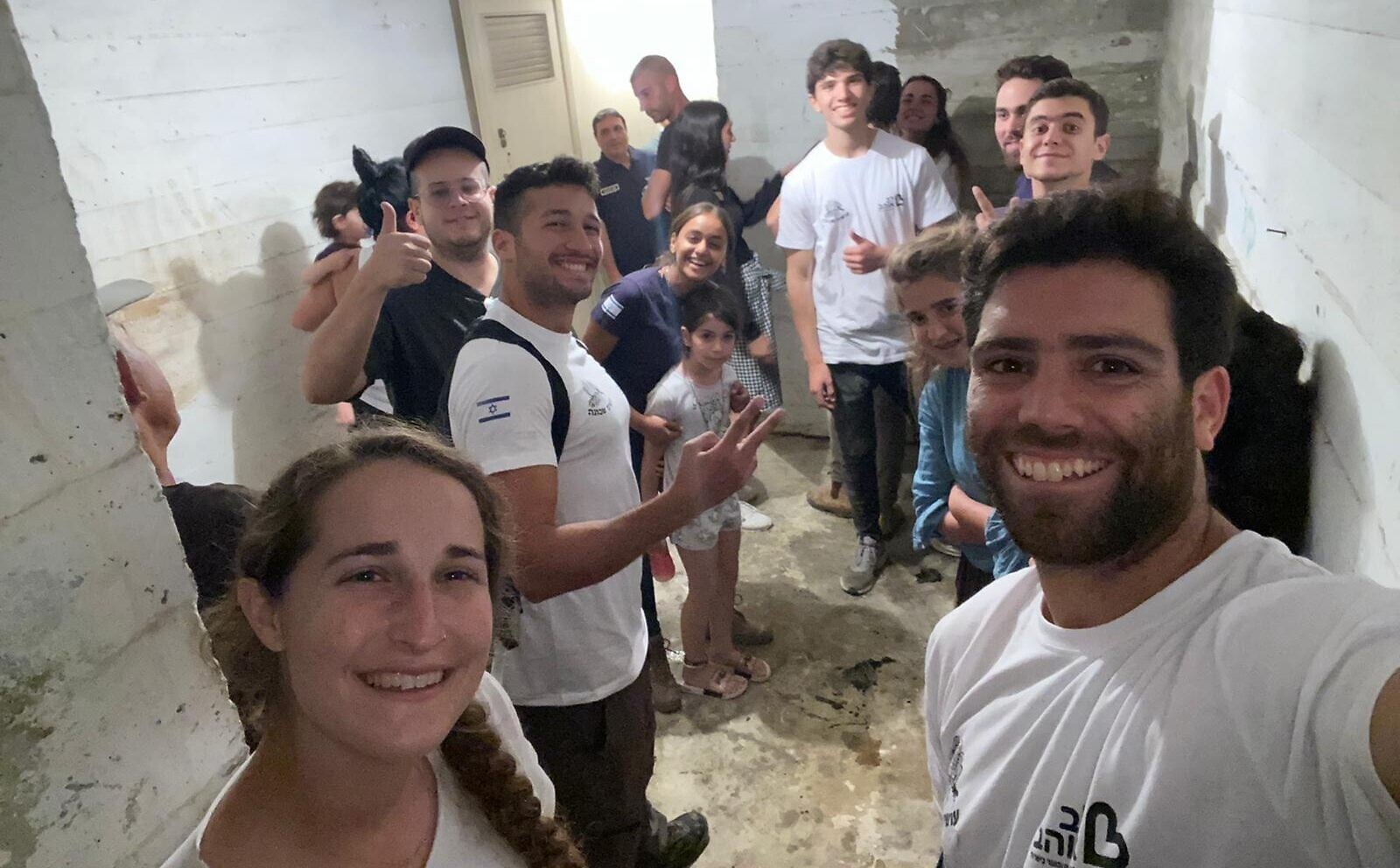
On Tuesday, Shlomo Lampert and his team of 30 fellow volunteers cleared out an apartment building bomb shelter in Ashdod.
Twenty minutes after the last piece of old equipment was hauled out, the familiar siren of a rocket alert blared loudly, sending the volunteers and apartment residents back into the formerly packed shelter. The group crowded into the room as missiles flew overhead, grateful to finally have a place in which to shelter during one of the dozens of recent rocket attacks.
“It’s saving lives, but it’s something deeper than that,” said Lampert, 32. “A kid who doesn’t have a shelter to run to will suffer from trauma, and so will his mom. We want them to get through this war without that kind of trauma.”
While newer apartments come with individual bomb shelter rooms, shared shelters are a common feature of many older apartment buildings and during the periods between wars residents often use the communal space for storage.
So when flareups with Gazan terrorists break out, oftentimes with little warning, the shelters are usually still filled with the detritus of peoples’ lives, meaning an array of old lounge chairs, shelving units and bikes will be protected from the rockets while actual people will be stuck outside with no room to jam in are left exposed.
It’s not uncommon for the owners of the stored things to be elderly or otherwise need help clearing their stuff out to make room for the rocket-plagued residents. Sometimes the room or parts of it are locked up, or the owners live elsewhere.
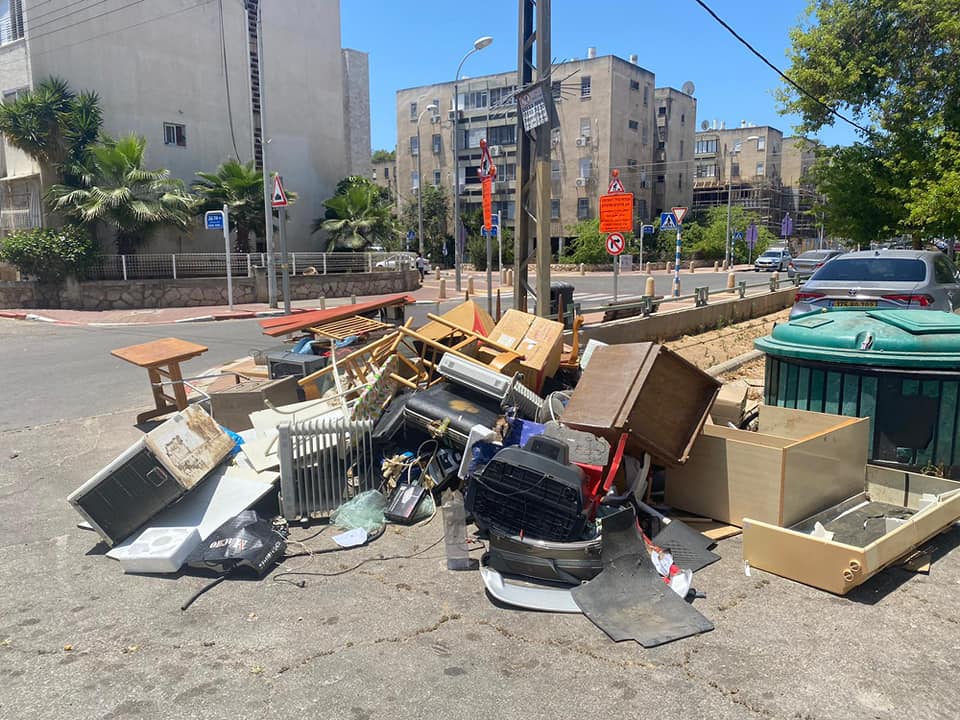
That’s when Lampert and his team step in. The founder and CEO of non-profit Osim Shchuna (Making a Neighborhood), which engages in refurbishing poor neighborhoods with teams of residents and volunteers, he realized at the onset of the latest crisis with Gaza that many apartment building shelters in low-income neighborhoods were not available for use by tenants.
“You call the city and the city tells you all shelters are ready for war, but they’re referring to the municipal shelters, not the shelters in apartment buildings,” said Lampert, who noted that municipalities or national authorities do not view apartment shelters as their responsibility. “One person in the building takes over the shelter for his stuff, and he locks it. It’s full of pieces of wood and closets and junk.”
On Wednesday, Lampert and his volunteers were headed to Bat Yam, Petah Tikva and Beersheba, after having cleared out several hundred apartment bomb shelters there and in other rocket-struck cities: 120 in Ashkelon, 100 in Ashdod, 60 in Rishon Lezion, 60 in Petah Tikva, 50 in Beersheba and 30 in Bat Yam — over the last 10 days.
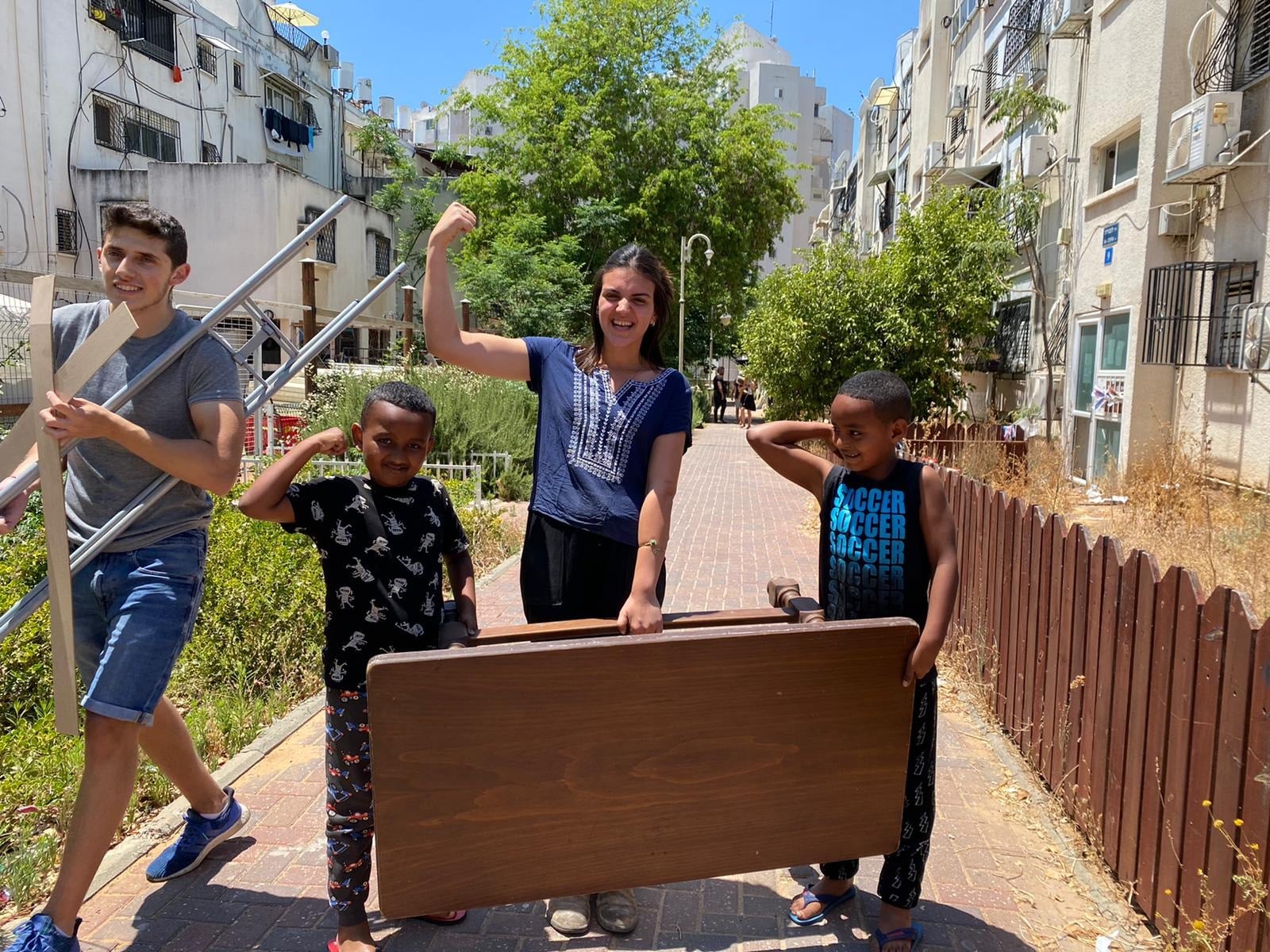
The group is calling the mission Mivtza Ir Miklat, or Operation City of Refuge, borrowing a familiar term from the Bible which uses the modern Hebrew word for shelter — miklat — or from a popular Ehud Banai song.
When Lampert and his volunteers opened the Ashdod shelter on Tuesday, they discovered a marijuana greenhouse, with bags of soil and graffiti on the walls. The cleanup was relatively quick with 30 volunteers, and when they were done, one resident, a single mother with four kids, told Lampert they’ve lived through a succession of recent wars without a working bomb shelter within easy reach.
According to the Israel Defense Forces, the current round of hostilities with Gaza has seen the highest rate of rocket fire ever — as of Wednesday over 4,000 projectiles had been fired at Israel in 10 days of fighting. Many in the hardest hit areas have opted to move their families into the shelters full time rather than sprint back and forth multiple times a day.
“When we clean a shelter, the older people and kids just go to sleep there,” said Lampert. “It’s much easier for them with sirens going off all night.”
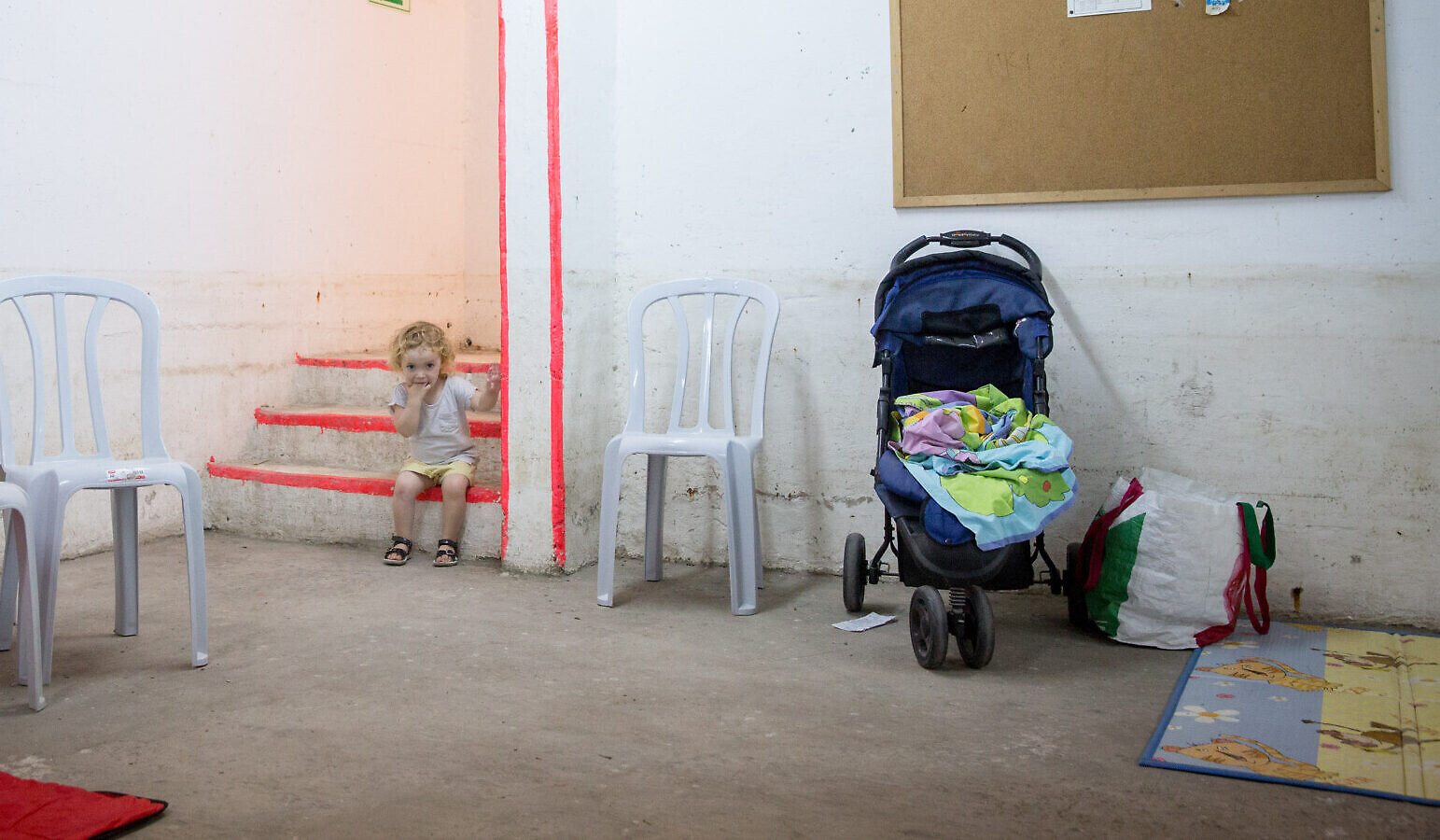
In Ashkelon, another single mother with three kids told Lampert she was renting her apartment in a building with an unusable bomb shelter and without working electricity. When she called the landlord to complain, he hung up on her.
Lampert and his volunteers cleared out that shelter and got the mayor to send an electrician, all completed minutes before another round of sirens.
Mivtza Ir Miklat began in Rishon Lezion’s Ramat Eliyahu neighborhood last week, when Lampert gathered 150 volunteers in two hours, working through the night with local residents to clear 60 shelters. The working class city is just south of Tel Aviv but has been increasingly targeted by rockets in recent rounds of violence. On May 11, just hours into the war with Gaza, a woman in the city was killed when a Gazan rocket slammed into her home.
Lampert thought the Ashdod shelters would be in better shape because of the city’s proximity to Gaza and the rockets but the situation was worse than he’d expected.
“Then I understood that we were in trouble and had to get to work,” he said.

Lampert, who served in the elite Air Force commando unit Shaldag and has a wide network of army friends and acquaintances, sent a slew of WhatsApp messages and quickly created an army of volunteers. But it’s only a temporary fix, he said.
“The second the war is finished, the volunteers won’t come,” he said. “We’re united as the people of Israel only during wartime.”
He, his friends and family have funded and donated to the recent effort, and hope to raise NIS 200,000 (around $61,000) with an ongoing crowdfunding campaign.
As of Wednesday, the group had raised over NIS 120,000 ($36,000).
It may be harder to find volunteers once the conflict with Gaza ebbs, but Lampert plans to keep going with Osim Shchuna, which he founded during the coronavirus crisis. He spent the previous seven years with Hashomer Hachadash, another non-profit that aims to reconnect Israelis with the land by having them volunteer with farmers.
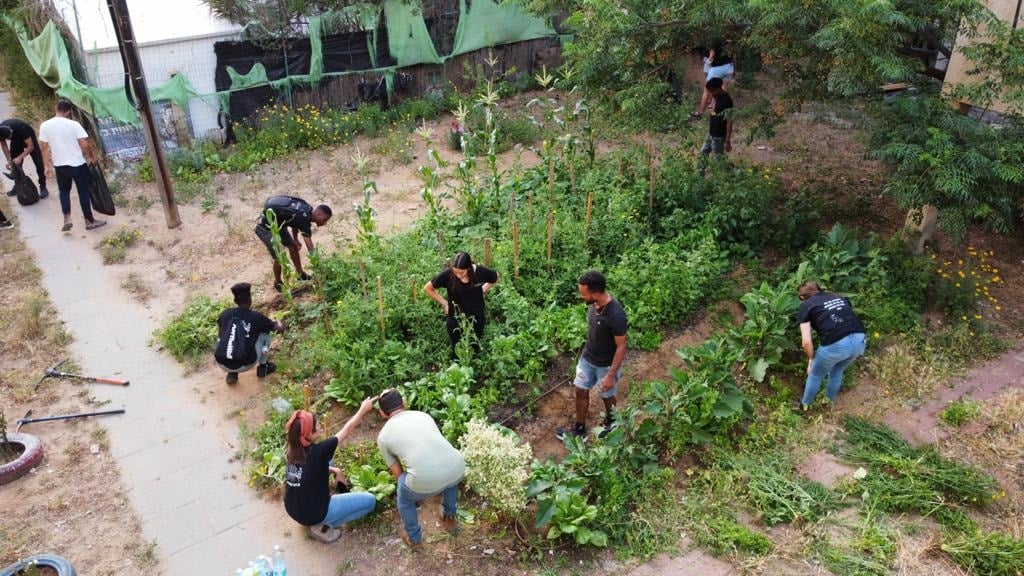
Osim Shchuna identifies neighborhoods in need and works to refurbish them, planting gardens and painting walls, while creating teams of locals and volunteers. Funding comes from individuals and major companies who adopt and underwrite neighborhoods, while matching funds come from local municipalities.
Lampert aims to have neighborhood teams made up primarily of local residents working with volunteers, as he wants to build young leadership in some of Israel’s poorest areas.
“You start taking your future and your neighborhood into your own hands,” he said.
As for the shelters, he wants residents to take responsibility for their own buildings and ensure the shelters stay open.
“People sit in the house and they want to do something and we want to turn that energy into good deeds,” said Lampert. “Then you don’t sit listening to the news, you just work from morning to night and you make the country better.”









The Times of Israel Community.