

Coalition’s controversial media regulation bill set for first reading in Knesset
After recruiting Haredi parties to vote in favor despite their boycott of coalition bills, Communications Minister Karhi’s proposed law to control broadcast media likely to advance
 Add ToI as a Preferred Source on Google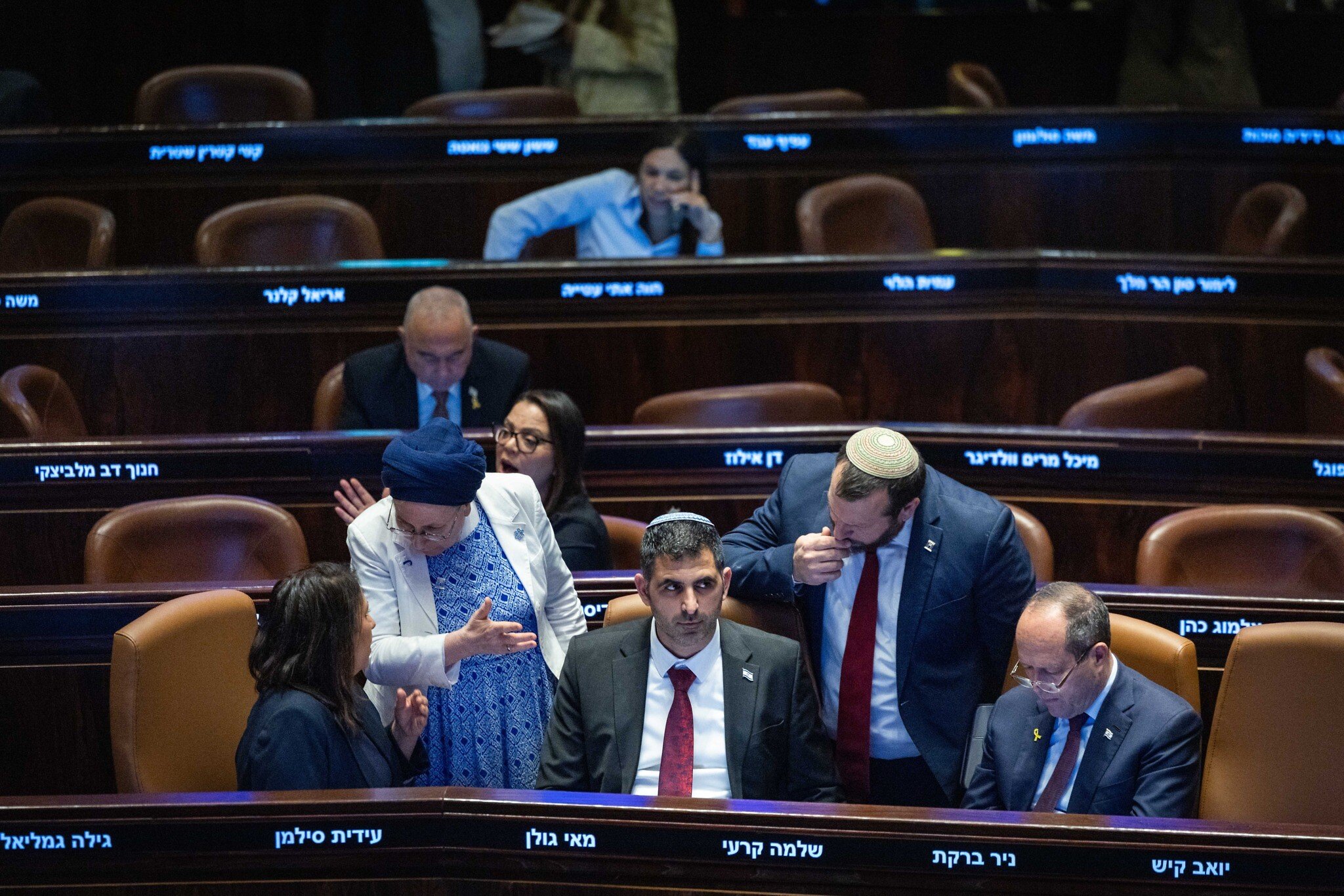
Communications Minister Shlomo Karhi’s proposed bill to dramatically alter the state of Israel’s broadcast media was set for its first reading in Knesset Monday, days after the Likud minister secured support for the controversial measure from the coalition’s Haredi parties.
The legislation, should it pass, would give the government significant control over broadcast media by establishing a new regulatory council, with a majority of members chosen by the communications minister, which would have an array of authorities over broadcast media, including the ability to issue hefty fines.
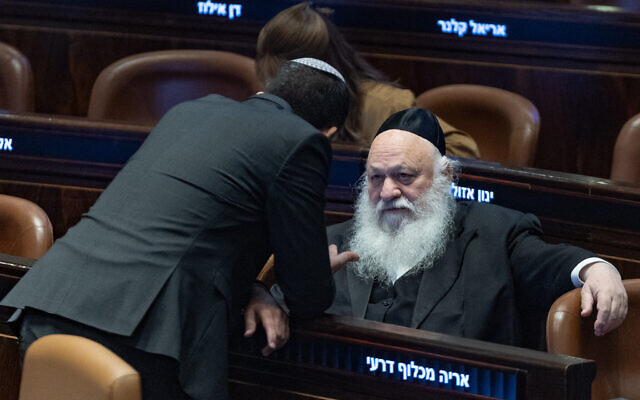
Last week, Channel 12 reported that Karhi informed lawmakers from the ultra-Orthodox Shas and United Torah Judaism parties that if they back his desired media reforms, he will support increasing the power of rabbinical courts, a long-standing demand of the two Haredi parties.
The coalition has been forced to pull all private member bills sponsored by coalition lawmakers from the Knesset agenda due to the ongoing boycott from the two main Haredi parties over the stalled military draft exemption law for yeshiva students, leaving the government without a majority and legislative activity effectively frozen.
Channel 13 reported on Sunday that Shas and United Torah Judaism will support the law in exchange for expanding the authority of rabbinical courts, including allowing them to arbitrate civil disputes, such as child custody, with the consent of both parties.
According to Hebrew media reports, this is part of a wider deal reached between the coalition and the ultra-Orthodox parties to end or at least reduce their boycott of coalition legislation, including Karhi’s legislation and Religious Zionism MK Simcha Rothman’s law to split the role of the attorney general, in exchange for support for their own initiatives.
Karhi also broke coalition ranks to support the massive ultra-Orthodox protest against the draft on Thursday, which saw about 200,000 ultra-Orthodox men block the entrance to Jerusalem.
“My heart is with them,” he said in a radio interview at the time.
Now that Karhi has enlisted the support of the two key Haredi parties, his controversial legislation was set to come up for its first reading Monday.
If approved, the bill will then move on to the committee process for further approval.
“The monopolies and advocates of centralization did everything they could to stop this process. They wanted to preserve the existing situation, where the public pays more, receives less, and is controlled by powerful media outlets with regulatory immunity,” said Karhi in May of this year, following the approval of his bill by the ministerial committee.
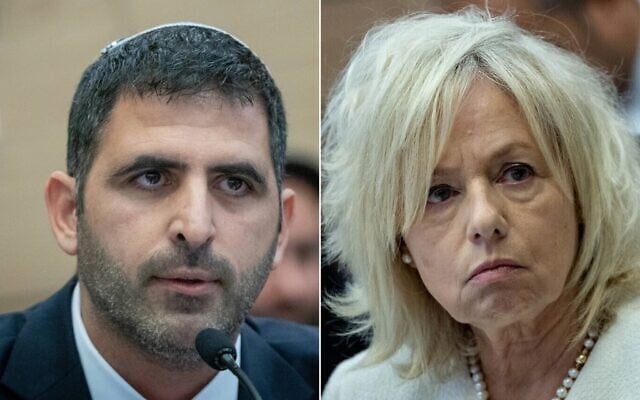
Attorney General Gali Baharav-Miara has sharply criticized the bill, saying it would enable “political interference in the work of broadcast bodies and endanger the free press in Israel.”
In her legal position paper on the matter, the attorney general said in May that the law gave rise to “real concern of severe harm to freedom of expression and freedom of the press, which are inseparable parts of the democratic character of the State of Israel,” and should therefore not be advanced in the Knesset in its current form.
Baharav-Miara criticized, in particular, the abolition under the new legislation of the current arrangements for broadcast news content providers, whereby the news outlet must be an independent company and news corporation, separate from the commercial television station on which it is broadcast.
This system, she wrote, was designed to ensure that broadcast news content remains unaffected by the commercial interests of the owners and directors of the commercial television channel, and to insulate it from political interference as well.
But Karhi’s new bill removes these barriers, and merely expresses the importance for news media to refrain from using their platform as a mouthpiece for the owners of the commercial channels, but without providing any structural guarantees that this requirement will be upheld.
The bill requires news stations to adopt a code of ethical standards, but the news stations themselves are responsible for drafting it, and it is not enforceable, the attorney general wrote at the time.
“The current proposal will not establish any minimal guarantees to ensure the reliability and professionalism of the news, the independence of these bodies, and their detachment from commercial or political considerations,” she wrote.
Karhi, in response, accused Baharav-Miara of “operating as a full political actor,” and said that the current regulatory framework was causing higher costs for content providers that they pass on to consumers.
“When you speak about ‘freedom of expression,’ you are in practice backing organizations that are stifling other voices, blocking competition and preventing true diversity,” Karhi said.
The Movement for Quality Government in Israel, a liberal watchdog group, has called the legislation another component of the government’s “regime coup” — its name for the controversial judicial overhaul legislation — and an attempt to take control of the press in Israel similar to the manner in which the current Hungarian government has hobbled independent media in that country.
“This is an exact copy of the Hungarian model for taking control of the media: establishing a political regulator under the control of the minister, abolishing the structural separation between news organizations and channel owners, and granting powers to impose heavy fines on media organizations,” the movement said.



The Times of Israel Community.