

Egypt’s scholars reject government-written sermons
Religious body says move would ‘superficialize’ clerics’ thinking and prevent imams from responding to extremism
 Add ToI as a Preferred Source on Google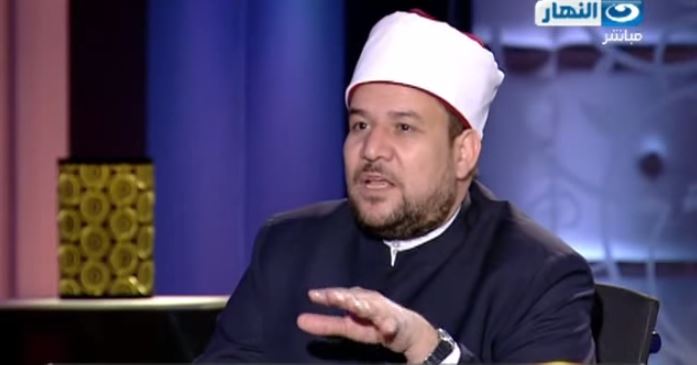
CAIRO — In a rebuke to the Egyptian government, the top religious scholars of Egypt’s Al-Azhar have rejected new government measures to standardize Friday sermons, saying such a step would “freeze” the development of religious discourse.
The Council of Senior Scholars of Al-Azhar, the Muslim world’s most prominent institution, said in a statement that giving clerics pre-written Friday sermons would eventually “superficialize” religious clerics’ thinking.
The statement claims that “the imam will find himself unable to discuss, debate, and respond to (extremist) ideas and warn people of them.”
The standardized sermon initiative was launched by Egypt’s Ministry of Religious Endowments — the government body regulating mosques and houses of worship — and has been criticized as the latest government move to tighten state control over religious discourse.
Earlier this month, Minister of Religious Endowments Mokhtar Gomaa gave the first-such scripted sermon from a batch of notecards in an attempt to present a model to the country’s clerics. He defended the move as aimed at filtering out extremism and promoting religious reform.
According to the plan, a committee of state-hired scholars will write each week’s sermon for clerics to read word-for-word. Gomaa said the government will prepare 54 sermons covering 52 weeks in addition to religious holidays, and that there was a long-term plan to write for 270 sermons covering five years.
A ministerial committee that inspects and monitors the mosques would report on the performance of clerics around the country.
In response to Al-Azhar’s rejection, ministry spokesman Gaber Tayaa said the ministry was going ahead with “generalizing” the written sermons and would continue to hold meetings to explain the mechanism of implementation, “without forcing them.”
He added that the written sermons are aimed at ending the “chaos” of the current religious discourse.







The Times of Israel Community.