

For Jerusalem’s pyromaniacs, time is right for sparks to fly
Closing the Temple Mount may have been the swiftest way to prevent further escalation after the attempted assassination of Yehudah Glick and the shooting of his attacker, but it could well presage more violence

 Add ToI as a Preferred Source on Google
Avi Issacharoff, The Times of Israel's Middle East analyst, fills the same role for Walla, the leading portal in Israel. He is also a guest commentator on many different radio shows and current affairs programs on television. Until 2012, he was a reporter and commentator on Arab affairs for the Haaretz newspaper. He also lectures on modern Palestinian history at Tel Aviv University, and is currently writing a script for an action-drama series for the Israeli satellite Television "YES." Born in Jerusalem, he graduated cum laude from Ben Gurion University with a B.A. in Middle Eastern studies and then earned his M.A. from Tel Aviv University on the same subject, also cum laude. A fluent Arabic speaker, Avi was the Middle East Affairs correspondent for Israeli Public Radio covering the Israeli-Palestinian conflict, the war in Iraq and the Arab countries between the years 2003-2006. Avi directed and edited short documentary films on Israeli television programs dealing with the Middle East. In 2002 he won the "best reporter" award for the "Israel Radio” for his coverage of the second intifada. In 2004, together with Amos Harel, he wrote "The Seventh War - How we won and why we lost the war with the Palestinians." A year later the book won an award from the Institute for Strategic Studies for containing the best research on security affairs in Israel. In 2008, Issacharoff and Harel published their second book, entitled "34 Days - The Story of the Second Lebanon War," which won the same prize.
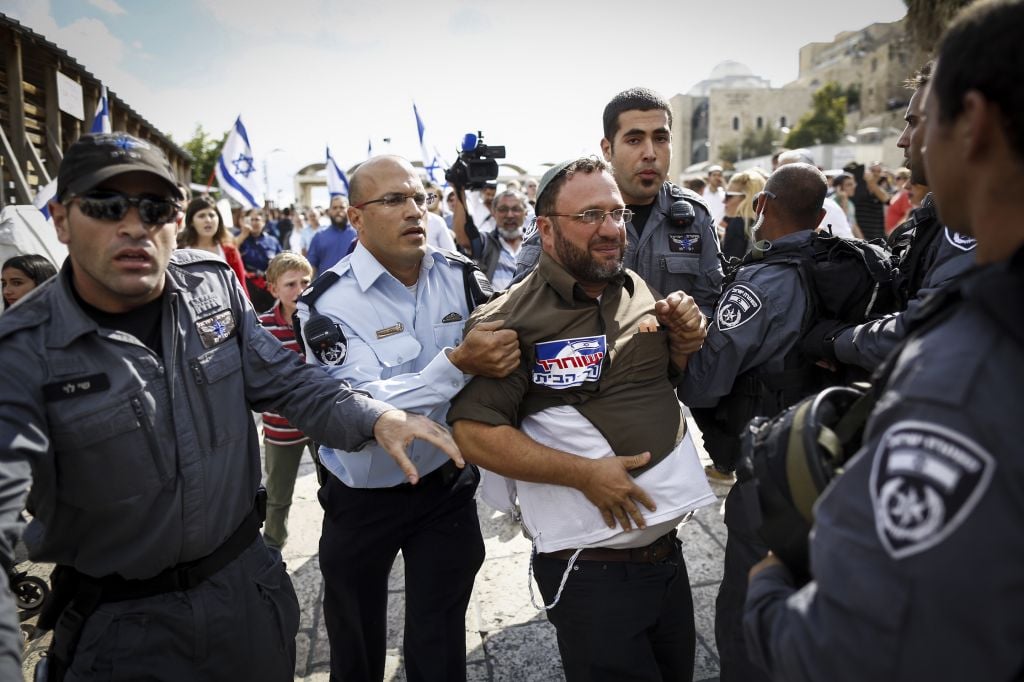
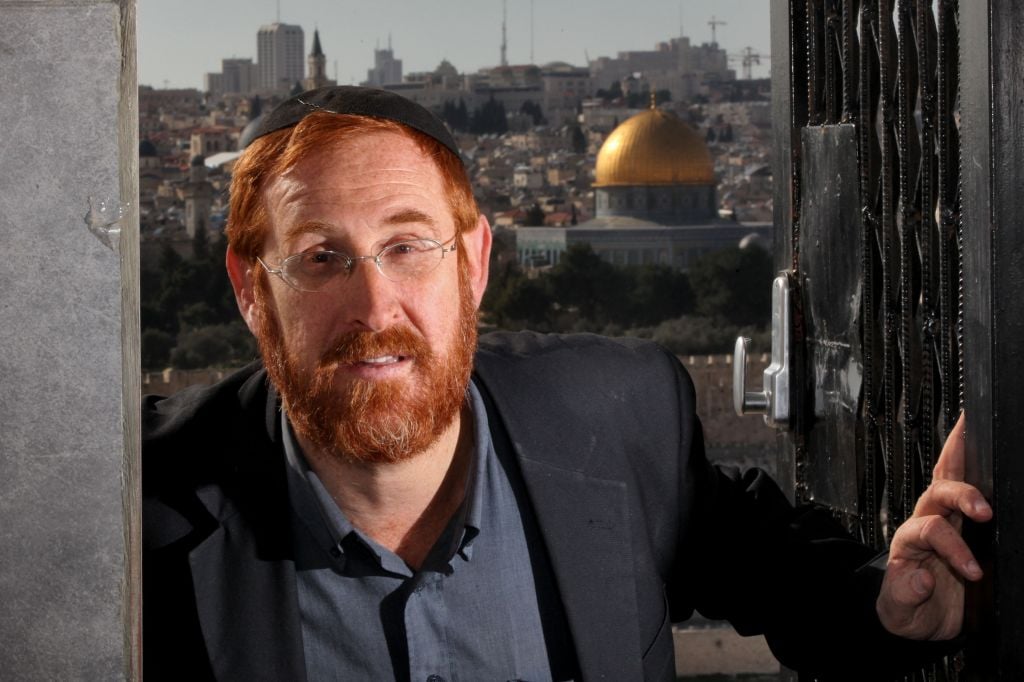
The escalation of hostility in Jerusalem that saw the attempted assassination of Temple Mount activist Yehudah Glick on Wednesday night, and the killing of his suspected would-be assassin, named in an unconfirmed report as Mu’taz Hijazi, intensified still further with the decision by Jerusalem’s new police chief to completely close Al-Aqsa Mosque and the Temple Mount compound on Thursday.
Even though he only took over his job last week, Commander Moshe Edri swiftly recognized that this is an acutely sensitive juncture, a perfect time for those — let’s call them professional pyromaniacs — who will try to use the Temple Mount and Al-Aqsa Mosque to foment widespread conflict.
Edri’s decision was apparently unprecedented, marking the first time since Israel captured the area in 1967 that the Temple Mount had been closed to Muslim worshipers.
It may well be that closing the Mount was the swiftest and safest way of preventing an eruption of violence. Right-wing politicians had intended to go to the Mount as a response to the attempted assassination of Glick. Hundreds of Palestinians intended to block them. But the move brings with it ramifications that could prove no less dangerous.
Since early Thursday morning, a slew of Palestinian politicians have been castigating the police decision to close the Mount. Sheikh Raid Salah, the head of the (Israeli) Islamic Movement’s Northern Branch, one of the well-known pyromaniacs, issued a call in an al-Jazeera interview to all Arab peoples and states to come out and save the mosque from the Zionist criminals. He condemned the closure of the Mount by the “criminal occupiers.”
Immediately after his interview, Hamas representative Mushir al-Masri popped up to praise Salah and used the opportunity to castigate Palestinian Authority President Mahmoud Abbas, who had noted in a Channel 10 interview on Wednesday that not a single shot was fired in the West Bank during the entire Israel-Hamas summer war. For his part, Abbas, recognizing that he finds himself again in a highly delicate position, on Thursday morning published a strongly worded denunciation of the closure of the “Haram al-Sharif,” the Arabic term for
All this rhetoric is bound to increase the unrest in East Jerusalem, after several days in which there had been a relative decline in the number of violent incidents. Now we appear to be entering another difficult period for Jerusalem’s Arab and Jewish residents, especially focused on Friday prayers at the mosques. Jordan is currently pushing to have al-Aqsa reopened for Muslim prayer on Friday. But if the site is reopened to Muslim worshipers, that too could prompt disturbances.
A word is necessary here about the current avoidable deterioration in US-Israel ties. Prime Minister Benjamin Netanyahu, adamantly defending Israel’s interests, could do so a little more quietly. If pushing ahead construction in East Jerusalem and West Bank settlements is so crucial, why has he been making such a public fuss about it? Additionally, lunching in a New York restaurant with the principal financial supporter of the Republican candidate for president in the last elections was something of a slap in the face to US President Barack Obama. Thus the “chickenshit” comment from one of the president’s men could not have come as that much of a surprise. Indeed, Jeffrey Goldberg’s Atlantic article did not surprise many on the Israeli side, so open and well-known is the hostility between the two leaders.
On the Israeli side, there is no doubt as to who is behind these leaks. Decision-makers here don’t suspect the Pentagon or Secretary of State John Kerry and his people, but rather the White House itself. As senior Israeli officials see it, it is the president and his National Security Advisor, Susan Rice, who are at the forefront of the anti-Israeli trend that has been so clearly indicated from Washington in recent days.


The Times of Israel Community.