

Hanegbi: IDF censor must justify broadcast of Barak tapes on Iran
Head of Defense Committee wants explanation of why recordings detailing aborted Iran strikes were cleared for air
 Add ToI as a Preferred Source on Google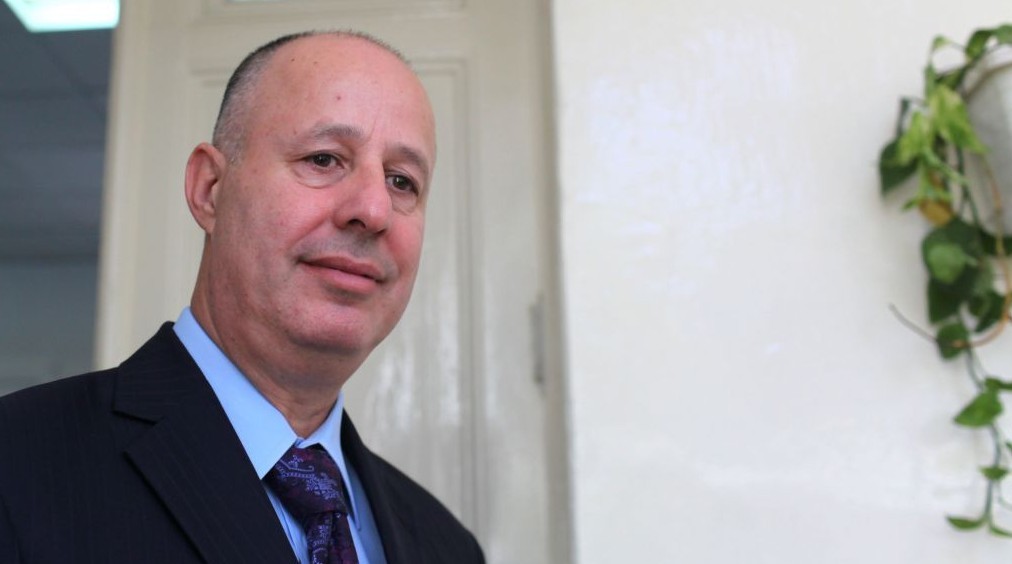
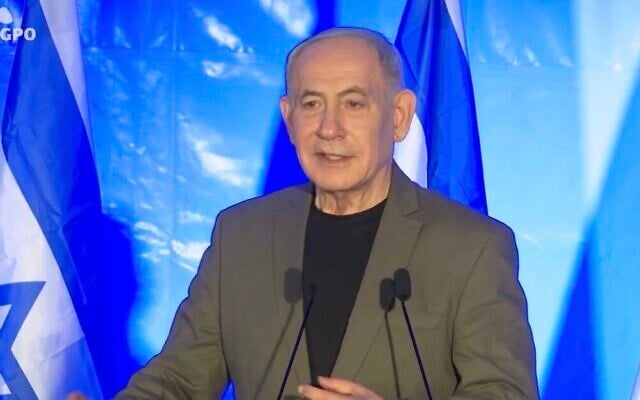
The head of the Knesset’s Foreign Affairs and Defense Committee, Tzachi Hanegbi, said Sunday he would summon the military censor to explain why Channel 2 television received a go-ahead to broadcast recordings in which ex-defense minister Ehud Barak details how Israel was ostensibly poised to strike Iran’s nuclear facilities.
“I asked myself how this could happen, and in all of my inquiries I’ve made since, I have yet to receive a real answer,” the Likud MK told Army Radio.
“I am going to summon IDF censor officials to speak to us and to the Foreign Affairs and Defense Committee,” he added. “For years, we’ve been following the censor’s activities.”
Channel 2, which broadcast the bombshell recordings made by Barak on Friday night, said Saturday that “anger” at the former defense minister was widespread in the Israeli leadership, and that numerous senior political and security officials were also privately intimating that Barak’s version of events was not entirely accurate. The Prime Minister’s Office has not issued an official response to the broadcast.
In the tapes, whose broadcast Barak was said to have tried to prevent but which were cleared by the censor, he claims that he and Prime Minister Benjamin Netanyahu wanted to attack Iran in 2010, but that then-IDF chief of staff Gabi Ashkenazi indicated that there was no viable plan for such an operation; that they were thwarted in 2011 by the opposition of fellow ministers Moshe Ya’alon and Yuval Steinitz; and that a planned 2012 strike was aborted because it happened to coincide with a joint Israel-US military exercise and Israel did not want to drag the US into the fray.
In the aftermath of the broadcast of the tapes, Channel 2 said Saturday, various key Israeli figures indicated that Ashkenazi did not rule out an operation as decisively as Barak suggested, and that a great deal of preparatory work had been done. Furthermore, the TV report Saturday said, Ashkenazi was by no means the only senior Israeli figure who was not decisively supportive of a strike at that time. Others included then-Mossad chief Meir Dagan, who later made public his opposition, and top ministers including Dan Meridor and Eli Yishai.
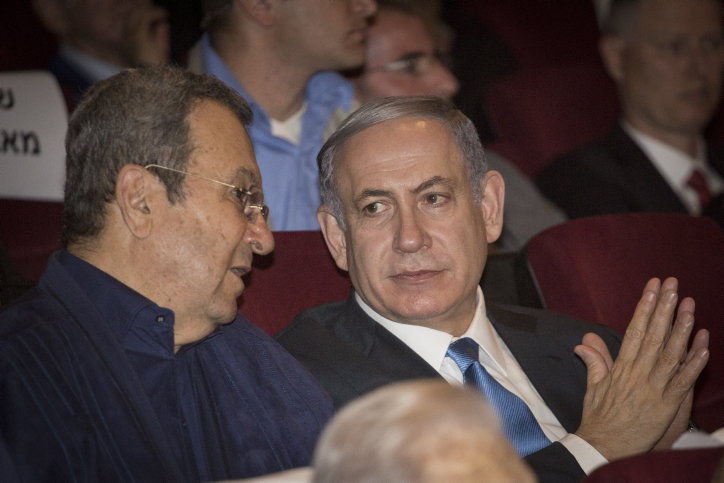
Even if approval had been forthcoming for a strike, the TV report said, it was by no means certain that Israel would have actually gone ahead with it. The discussions described by Barak may have been “more a case of ‘hold us back’” than a genuine determination by Netanyahu and Barak to carry out an attack.
Channel 2 also suggested that Barak may be playing party politics through his comments. Ashkenazi is said to be considering entering politics, and Barak, who has now retired from politics, may be out to thwart him. The two became bitter rivals over the years, and Barak’s relationship with current defense minister Ya’alon has also been tempestuous.
The material in the tapes comes from conversations related to a new biography of Barak being written by Danny Dor and Ilan Kfir. The former defense minister, who was also previously prime minister and chief of staff, attempted to prevent the broadcasting of the recordings, but Israel’s military censors allowed Channel 2 to play them.
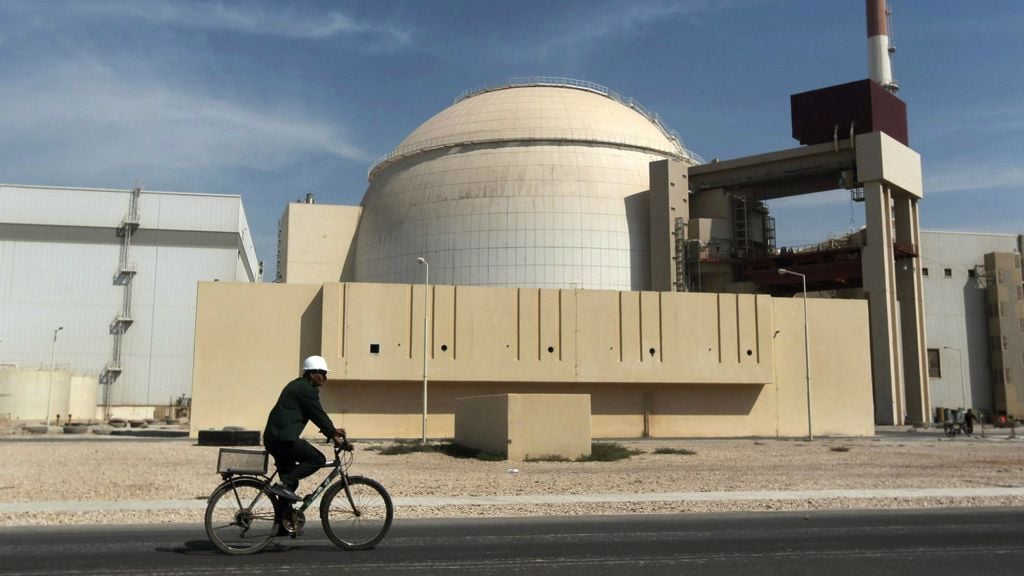
The airstrikes on Iran’s nuclear facilities were ostensibly planned to take place because Netanyahu and Barak anticipated that Iran would enter a “zone of immunity,” in which its facilities were so well-protected or developed as to render an attack on them either a short-term solution or even futile. Netanyahu maintains to this day, however, that Israel will act alone if necessary to prevent Iran attaining nuclear weapons, and has been a leading critic of the P5+1 deal with Iran that curbs but does not dismantle its nuclear program.
Earlier Sunday, former foreign minister Avigdor Liberman told Army Radio that he was “more than surprised” at Barak, and said statements such as those given by the former minister would ultimately strengthen Iran.
“I think that when moves and discussions that should have been closely guarded state secrets are discussed by the press, it relays that you are a talker, that you aren’t serious, that you’re unreliable,” he said.
“That is why, among other reasons, Iran is being coddled by the international community, and we have been backed into a corner… These things should only have been discussed in closed forums.”
Asked whether he believed Barak was guilty of revealing state secrets, Liberman responded that he had “no doubt” that was the case.
Barak was said Friday to have expressed outrage that the recordings had been released.
Steinitz said it was grave that such material was broadcast and had no comment on the specifics, while Ya’alon said he had no comment on what he called biased and skewed material.






The Times of Israel Community.