

How to tell a buri from a barbunia
Get your fish straight with a chart that trawls local terminology and cooking methods
 Add ToI as a Preferred Source on Google
Phyllis Glazer is an American-born food journalist based in Tel Aviv, Israel. She is the author of several cookbooks that have been published in Hebrew, German, and Italian, and appears frequently on television and radio in Israel.
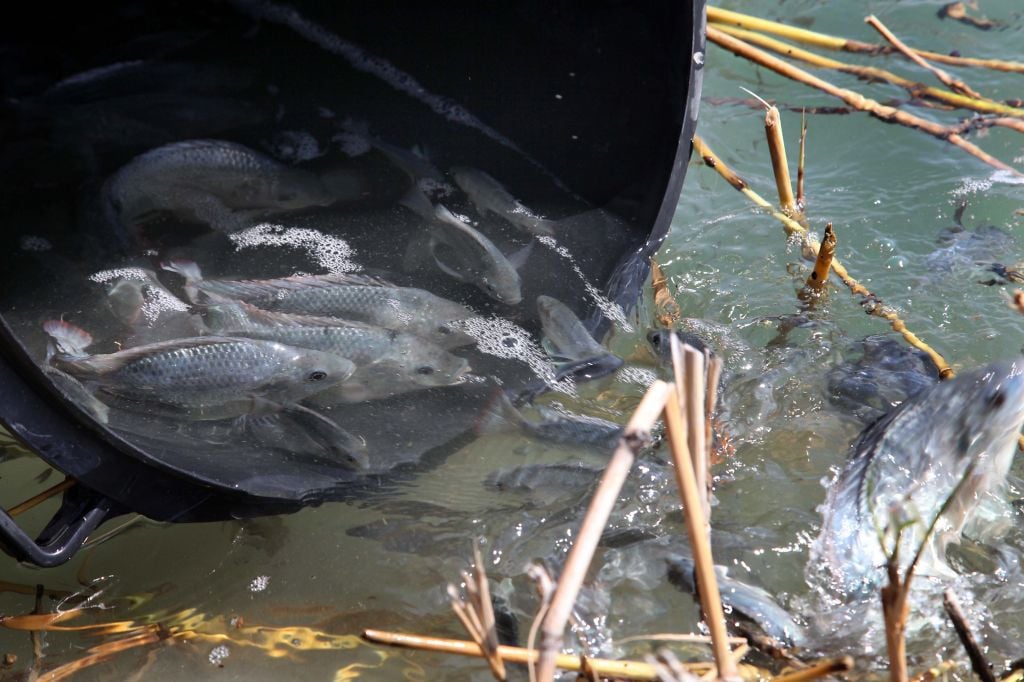
It seems like everyone knows that fish is a good idea to add to a menu – we have, after all, been hearing about it for years. The primary reason fish is touted is its omega-3 fatty acids, naturally found in fatty cold-water fish like tuna, mackerel and salmon, but also in farmed fish that are fed omega-3 supplements in their food.
Nutritionists tell us that omega-3s are good for the heart, can lower triglyceride levels, and help prevent against a variety of ailments as well. According to New York Times food writer Martha Rose Shulman, you can also find omega-3s in some types of canned fish, like sardines packed in olive oil or canned light tuna which is made with skipjack (a species not on the danger list for extinction). That type of tuna also has only one-third the mercury level of albacore tuna.
What about frozen fish? I’m sorry to say that aside from salmon, I’ve never met a frozen fish fillet that actually retained its flavor, nor did it have a texture that even remotely resembled its natural state.
Interestingly enough, although many Israelis like eating fish, a surprisingly large number of them are unfamiliar with the variety of fish found in Israel and are perplexed about how to select them, let alone the best way to cook them. Native English speakers are especially challenged because many fishmongers are unfamiliar with the corresponding names of their favorite fishes.
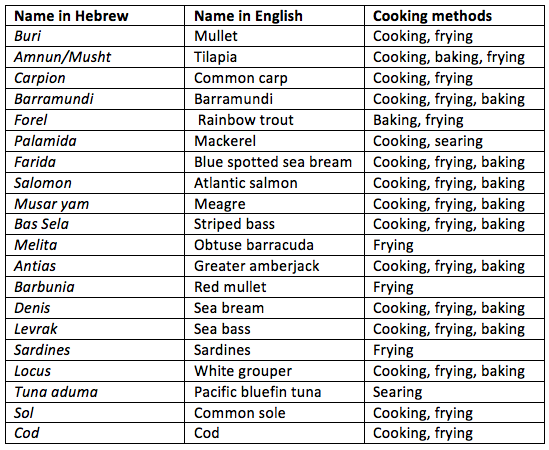
To find the answers to many of the queries I’ve received recently, I asked Raz Shrot, a second-generation fisherman (whose family owns some of the only remaining fishing vessels left in Israel) and fishmonger for translations, as well as his own cooking tips for the various types of fish in the market today. (See chart below).
Like Mahane Yehuda fishmonger David Dagim, Shrot has his own online fish store, ShukHaDagim, for ordering any kind of fish prepared according to the customers’ requests. He is, however, concerned about the longevity of the local fishing industry, which has suffered tremendous losses, possibly due to climate change as well as gas pipelines and fishermen’s trawling nets.
If you enjoy fish, now’s the time to eat them, and here’s a chart for figuring out names and the best way to prepare them:










The Times of Israel Community.