

Hungarian lawmakers repeal ICC withdrawal initiated by Orban in gesture to Netanyahu
Parliament votes 133-37 to pass new PM Magyar’s bill to stay in criminal court, nixing move announced by his predecessor as he hosted Israeli PM in defiance of arrest warrant
 Add ToI as a Preferred Source on Google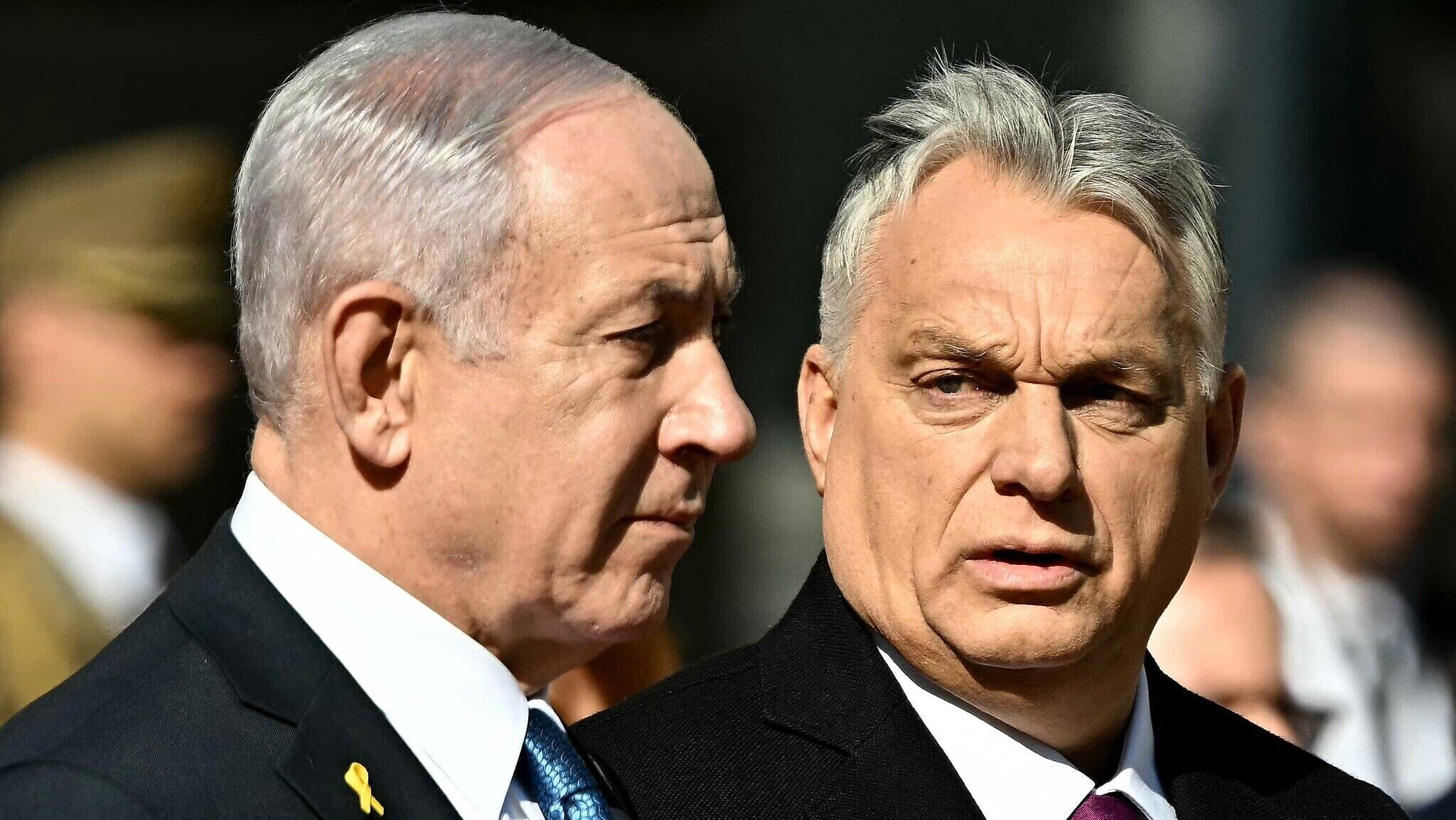
Hungarian lawmakers voted overwhelmingly Wednesday to stay in the International Criminal Court, halting a withdrawal process set in motion by nationalist ex-premier Viktor Orban last year in response to an ICC arrest warrant against Prime Minister Benjamin Netanyahu.
The 199-member parliament voted 133 for, 37 against, with five abstentions, to formally repeal the year-long withdrawal, which was set to take effect on Tuesday next week. It is now up to President Tamas Sulyok, an Orban ally, to sign the legislation into law.
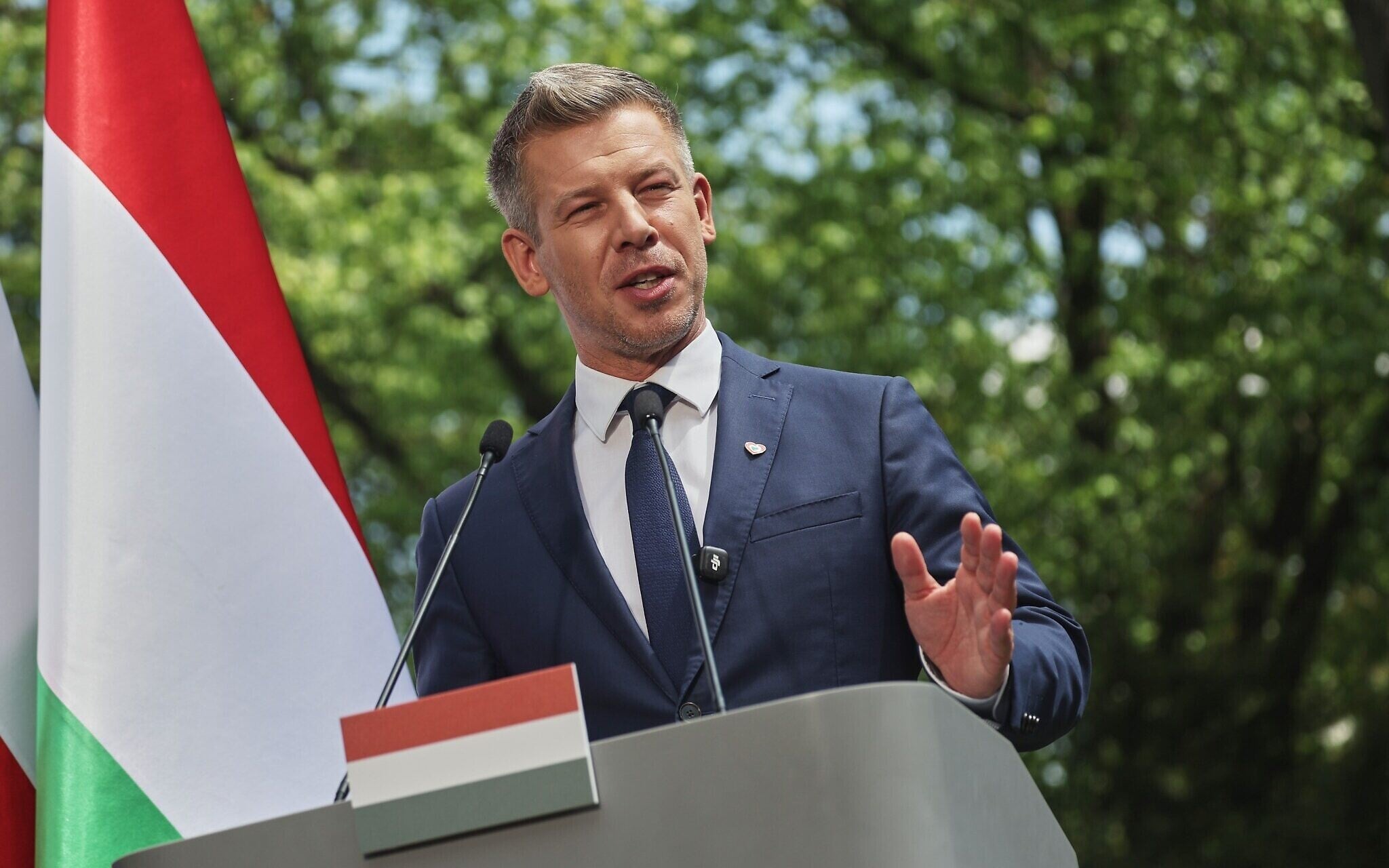
Hungary’s pro-EU conservative Prime Minister Peter Magyar, whose landslide election win in April ended 16 years of Orban rule, had vowed to reverse the exit process. The ICC legislative body hailed the “important decision” after Budapest announced Friday that it would discontinue the withdrawal.
On Monday, Magyar submitted the bill repealing Hungary’s withdrawal from the ICC. The bill, which was fast-tracked through parliament, said that, “in the interest of international peace and security, and for the protection of human rights, it is… necessary to hold those who committed the worst of international crimes, accountable in an international court.”
Magyar previously indicated that Hungary would execute ICC warrants against anyone, even Netanyahu, despite inviting the Israeli premier to Budapest later this year alongside other world leaders for the 70th anniversary commemoration of the Hungarian Uprising.
Orban had announced the withdrawal in April last year as he welcomed Netanyahu on a state visit to Budapest, in defiance of Hungary’s legal obligation as an ICC member to arrest the Israeli premier for alleged war crimes in Gaza. The Hungarian premier argued at the time that the arrest warrant against Netanyahu had turned the ICC into a “political court.”
In November 2024, the ICC issued arrest warrants against Netanyahu and his former defense minister Yoav Gallant over allegations of crimes against humanity and war crimes — including starvation as a weapon of war — in the war sparked in Gaza by the Hamas-led onslaught of October 7, 2023.
Israel has rejected the allegations, and the warrants against Netanyahu and Gallant prompted US sanctions against top judges and prosecutors in the ICC.
The court at the time also issued similar arrest warrants against three senior Hamas officials, all of whom have since been killed by Israel.
Set up in 2002 and backed by 125 member states, the Hague-based tribunal seeks to prosecute individuals responsible for the world’s gravest crimes when countries are unwilling or unable to do so themselves.
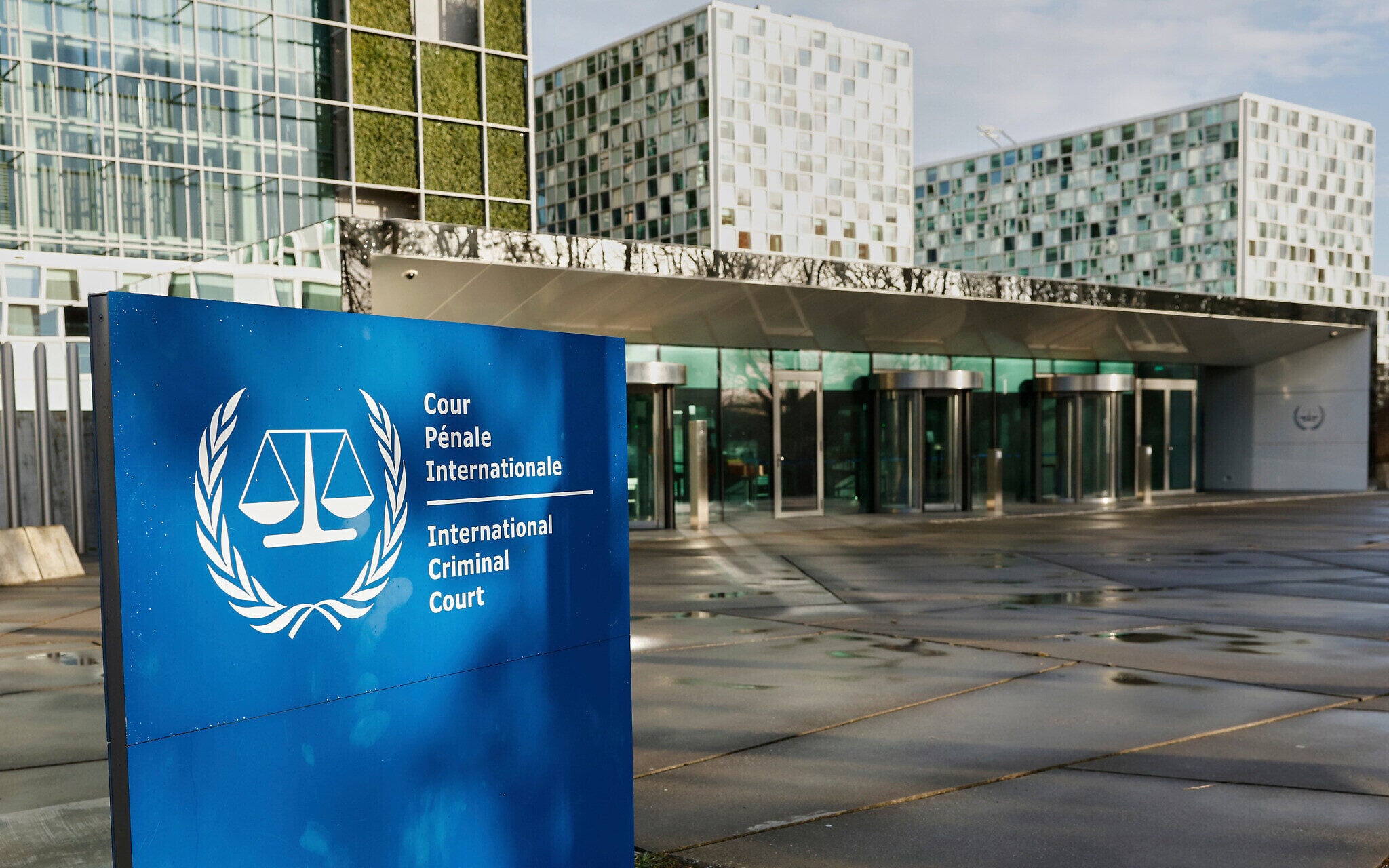
Since it was founded, the ICC has opened more than 30 cases for alleged war crimes, crimes against humanity, genocide and offenses against the administration of justice.
But it has been struggling against a lack of recognition and enforcement power.
China, Israel, Russia and the US are among the nations that do not recognize the jurisdiction of the ICC, hampering its ability to investigate their nationals. Only Burundi and the Philippines have ever withdrawn from the ICC.










The Times of Israel Community.