

IDF chief warns Gaza terrorists not to retaliate for attack tunnel’s destruction
Eisenkot praises Southern Command’s Gaza Division for blowing up tunnel that crossed into Israeli territory from Khan Younis
 Add ToI as a Preferred Source on Google
Judah Ari Gross is The Times of Israel's religions and Diaspora affairs correspondent.
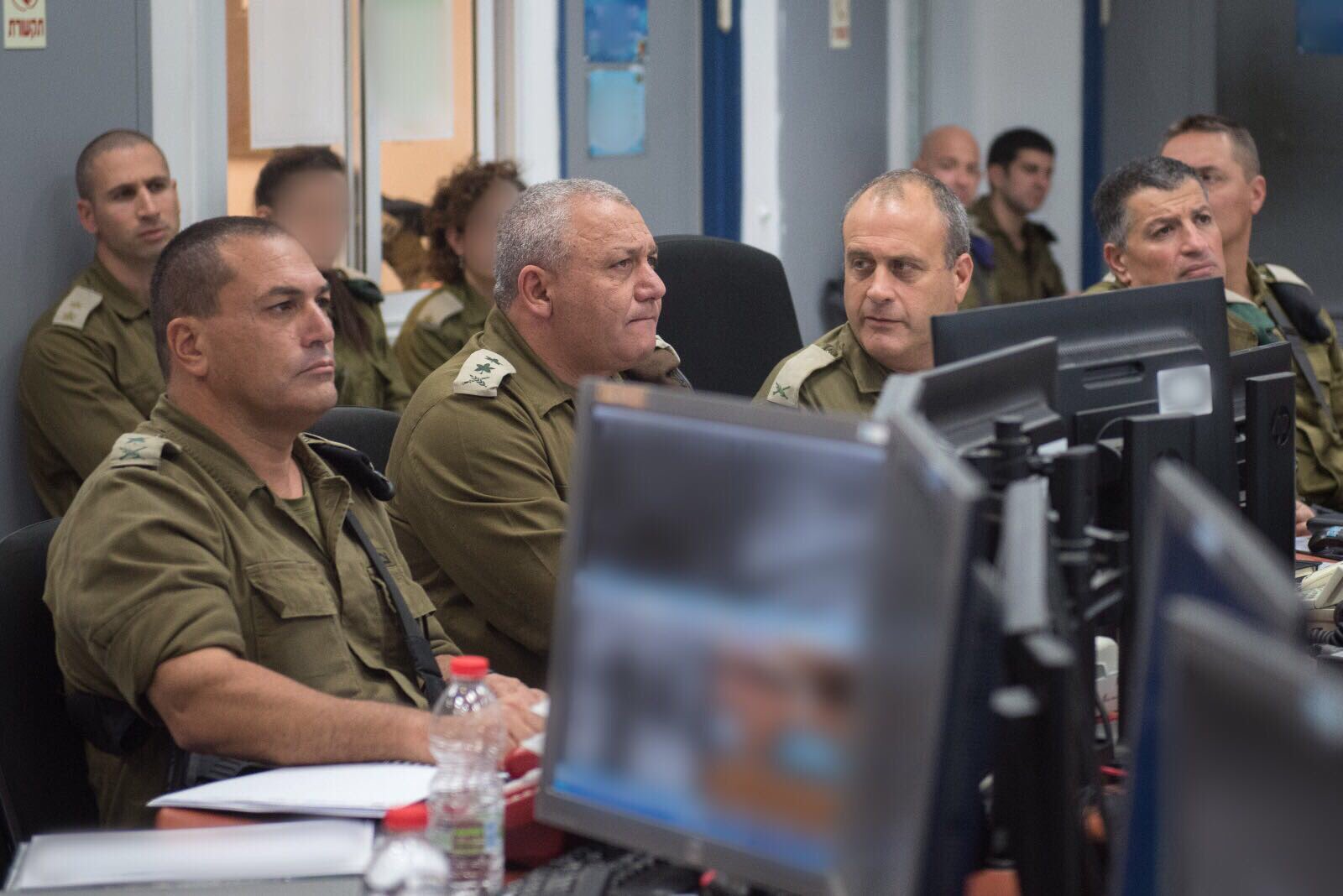
IDF chief Lt. Gen. Gadi Eisenkot on Tuesday warned terrorist groups in the Gaza Strip to refrain from retaliating against the army’s destruction of an attack tunnel that entered Israeli territory from the southern Strip the day before.
“Any response or violation of Israeli sovereignty will be answered with determination and in a forceful and clear way, as we did yesterday,” the army chief said, during a meeting with senior officers near the Gaza border.
At least seven Palestinians were killed, including two senior terrorist commanders, and another 12 were injured on Monday when the Israeli army blew up an attack tunnel stretching from the Gaza Strip into Israeli territory, the Hamas-run Gaza Health Ministry said, in the deadliest incident in the coastal enclave since the 2014 Gaza war.
Eisenkot added that the military was not resting on its laurels after the demolition and was “maintaining its preparedness” and “closely monitoring what is happening among terror officials in the Gaza Strip.”
The IDF chief also lauded the army’s Gaza Division for its role in destroying the Gazan attack tunnel.
“The IDF’s activities removed a threat against Israeli citizens, and that was the mission,” the chief of staff said at the meeting.
The meeting was attended by the head of the Southern Command, Maj. Gen. Eyal Zamir, Gaza Division commander Brig. Gen. Yehuda Fuchs, and the Defense Ministry’s Coordinator of the Government’s Activities in the Territories Maj. Gen. Yoav Mordechai, along with other senior officers, the army said.
“This was an impressive operational achievement and it deserves all praise from the Southern Command,” Eisenkot said.
“The operation joins a host of operations, overt and covert, that IDF troops are undertaking and will continue to do against any threat, at any time and in any situation,” the lieutenant general said.
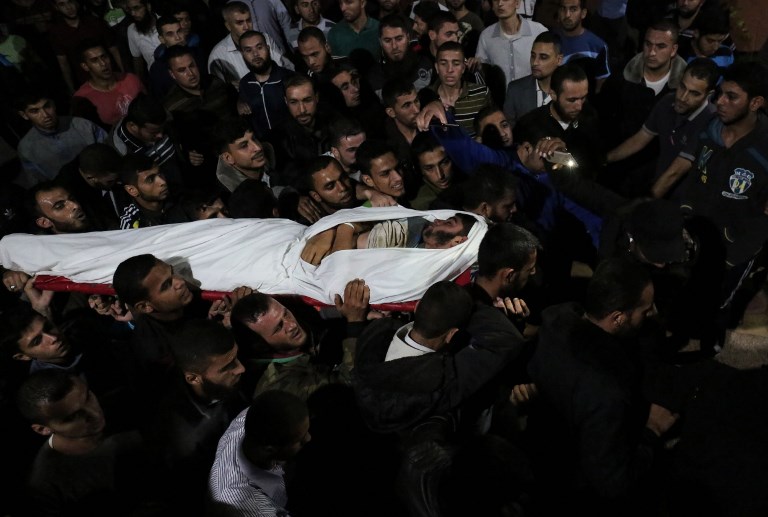
In the aftermath of the Israeli attack on the tunnel, the Palestinian Islamic Jihad and Hamas terror groups released statements threatening retaliation, which prompted an Israeli attempt to calm the tensions.
The Israeli army explained that it did not intend to kill the two senior members of the Palestinian Islamic Jihad group in the detonation, but was only looking to destroy the tunnel itself.
Military spokesman Ronen Manelis on Monday night said it was a defensive operation in Israeli territory aimed at putting the tunnel out of order. He said most of the fatalities were from smoke inhalation and other secondary aspects of the blast.
This comment prompted criticism from Education Minister Naftali Bennett, who accused the military of “apologizing” for killing the terrorist commanders.
The military, in response, clarified that it did not express regret for the terrorists’ deaths, but was instead explained that the specific goal of the operation was the destruction of the tunnel, not the assassination of the Palestinian Islamic Jihad commanders.
Palestinian media reported that Islamic Jihad wanted an immediate, coordinated military response, while Hamas was urging caution and coordination with Egypt in order not to jeopardize the fragile Palestinian unity deal that is supposed to be implemented over the coming weeks.
“This is a massacre,” said senior Islamic Jihad leader Khaled al-Batash. “All our options are open. We will take all considerations into account, but we will not allow the enemy to set the rules of engagement.”
“The Zionist terror government must realize that we will not hesitate to protect our people and our land,” Islamic Jihad spokesman Dawood Shehab said on Twitter, adding that the terror group “is considering all of its options,” including the “option of responding to this aggression.”
Islamic Jihad is the second-largest terror group in Gaza after Hamas.
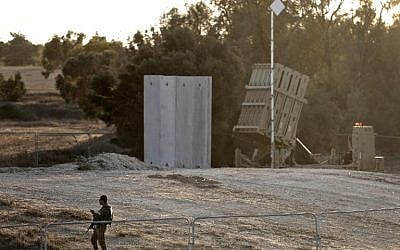
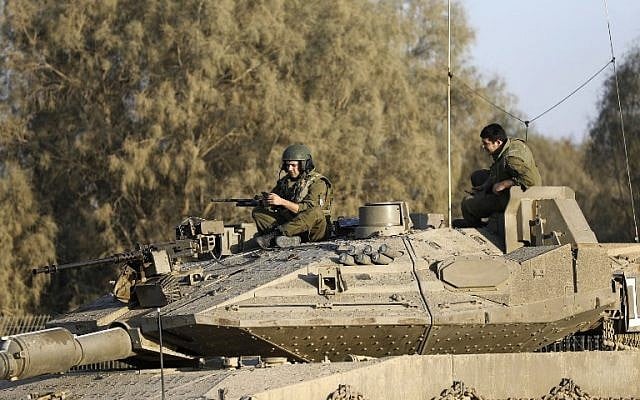
Israel deployed its Iron Dome rocket interceptor systems in the area in case the Palestinians tried to respond with rocket fire.
“We are not interested in an escalation but we are ready for all scenarios,” the army said Monday.
The IDF said the tunnel was discovered inside Israeli territory near the Gaza Strip and is believed to have been dug after 2014. The tunnel was being built by the Islamic Jihad terror group. It ran from the Gazan city of Khan Younis, crossed under the border for dozens of meters, and approached Kibbutz Kissufim.
Defense Minister Avigdor Liberman said Monday no Israelis were endangered by the tunnel. An IDF spokesperson said while the underground passage extended under Israeli territory, there was no tunnel opening on the Israeli side, according to the Ynet news website.
Times of Israel staff and agencies contributed to this report.







The Times of Israel Community.