

Iran furious over report Khomeini engaged with US ahead of revolution
Documents obtained by BBC show cleric sold empty promises to Carter administration, which aided him in preventing Iran army from staging coup
 Add ToI as a Preferred Source on Google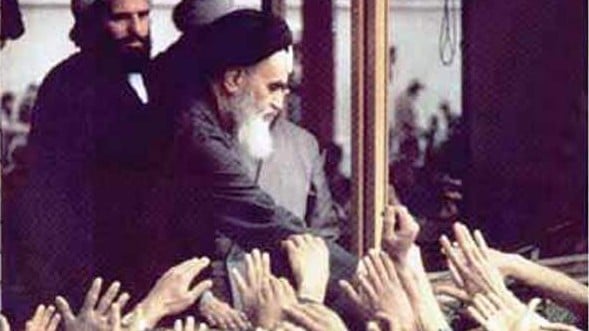
Iranian leaders have expressed outrage over a report alleging
extensive contacts between the founder of the Islamic Republic and
Washington ahead of the 1979 Islamic revolution.
A BBC report, based on recently declassified documents, has indicated that Ayatollah Ruhollah Khomeini sent repeated calming messages to then-president Jimmy Carter ahead of his takeover of the country. It implies that the Carter administration effectively facilitated
Khomeini’s rise to power by placating Iran’s military leadership and
preventing a coup during the tumultuous period.
The documents paint a picture of a misguided administration in Washington playing into the hands of Khomeini, who sold them empty promises in order to prevent any serious opposition to his revolution.
According to the documents obtained by the BBC, as the winds of
revolution blew across Iran, US officials convinced the Iranian
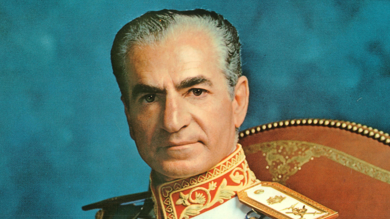
leader, Shah Mohammed Reza Pahlavi, to leave the country on an
extended “vacation,” in a bid to calm the spirits.
Khomeini — exiled in Paris at the time — offered the Americans a
deal: if the US could help prevent an uprising among the military
leadership, which was fiercely opposed to him, he would calm his many religious followers throughout the country.
In messages to the White House, Khomeini said Iran would remain an
ally of the US under his rule, a “humanitarian” nation that pursues
“peace” in the region.
“You will see we are not in any particular animosity with the
Americans,” he said in one message. “There should be no fear about oil. It is not true that we wouldn’t sell to the US,” he told a US official in France on another occasion.
The cleric even suggested in missives that the new Iran would need American help to develop and grow.
Meanwhile, the CIA believed Khomeini would not seek to fundamentally change relations with the US, and would allow relatively moderate followers to rule.
Facing the prospects of an Iranian civil war and desperately seeking
to maintain calm in order to protect US interests and investments in
the country, the American leadership appeared eager to accept the
peaceful overtures by the Islamic leader.
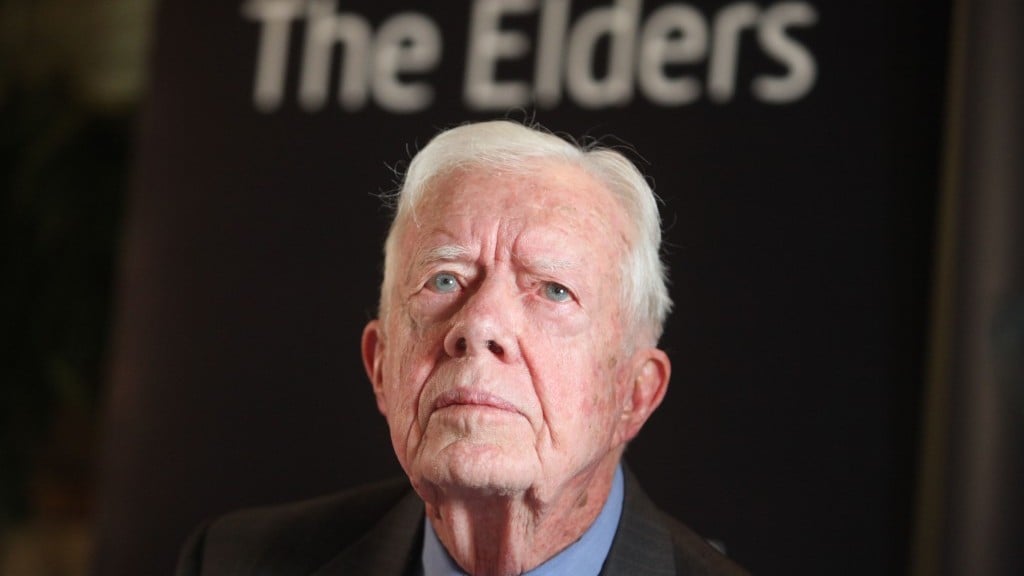
The documents show US leadership signaled to Khomeini that Washington was not opposed to changes in Iran’s constitution. Meanwhile, Carter deployed top generals who were trusted by Iranian military leaders to dissuade them from staging a coup, and to
convince them to meet with Khomeini’s allies.
The BBC noted that while it’s possible that the US intervention was meant to monitor Khomeini’s actions and perhaps eventually foil him, such goals were never achieved.
In fact, Khomeini read the military and the Americans’ openness to change as weakness on their parts.
On February 1, 1979, Khomeni was allowed to return to Iran, and was greeted by rapturous crowds. Within days, the government disintegrated and the military leadership fell apart as the waves of revolution rolled over them. On February 15, four top generals were executed by Khomeini’s men. There would be no deals.
Iranian leadership has blasted the BBC report, which contradicts the official narrative according to which Khomeini never negotiated with “the Great Satan” and swept to leadership in heroic defiance of American wishes.
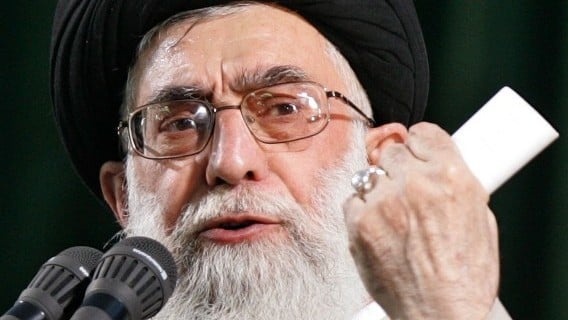
Iranian Supreme Leader Ayatollah Ali Khamenei has said the documents were forged and “fake,” claiming the report was simply a part of “British hostility” towards Iran.
Parliament Speaker Ali Larijani also claimed the documents were “falsified” as part of a British government plot “to deliver a shock to the public opinion so as to lessen the abomination and atrocity of having relations with America,” according to Iran’s Mehr News Agency.
“By releasing this document, they planned to cast doubt on the authenticity of the mighty fight of Imam Khomeini against America,” he added. “This shows how desperate they are to fool the Iranian nation into diplomatic naivety.”
Several former officials in the Carter administration have disputed the accuracy of the reports. Gary Sick, a former member of the National Security Council told the Guardian that Khomeini’s messages “had no effect on actual policy.”
Stuart Eizenstat, a former policy adviser to Carter said the White House “did everything we could to keep the Shah in power. There was no notion that we were trying to facilitate the Ayatollah coming into power.”









The Times of Israel Community.