

Iran vows to stand firm against fresh sanctions and US-Israeli ‘conspiracies’
Defiant statement comes after supreme leader orders government to address soaring prices, and president says gas price hikes will be necessary to cover drop in trade
 Add ToI as a Preferred Source on Google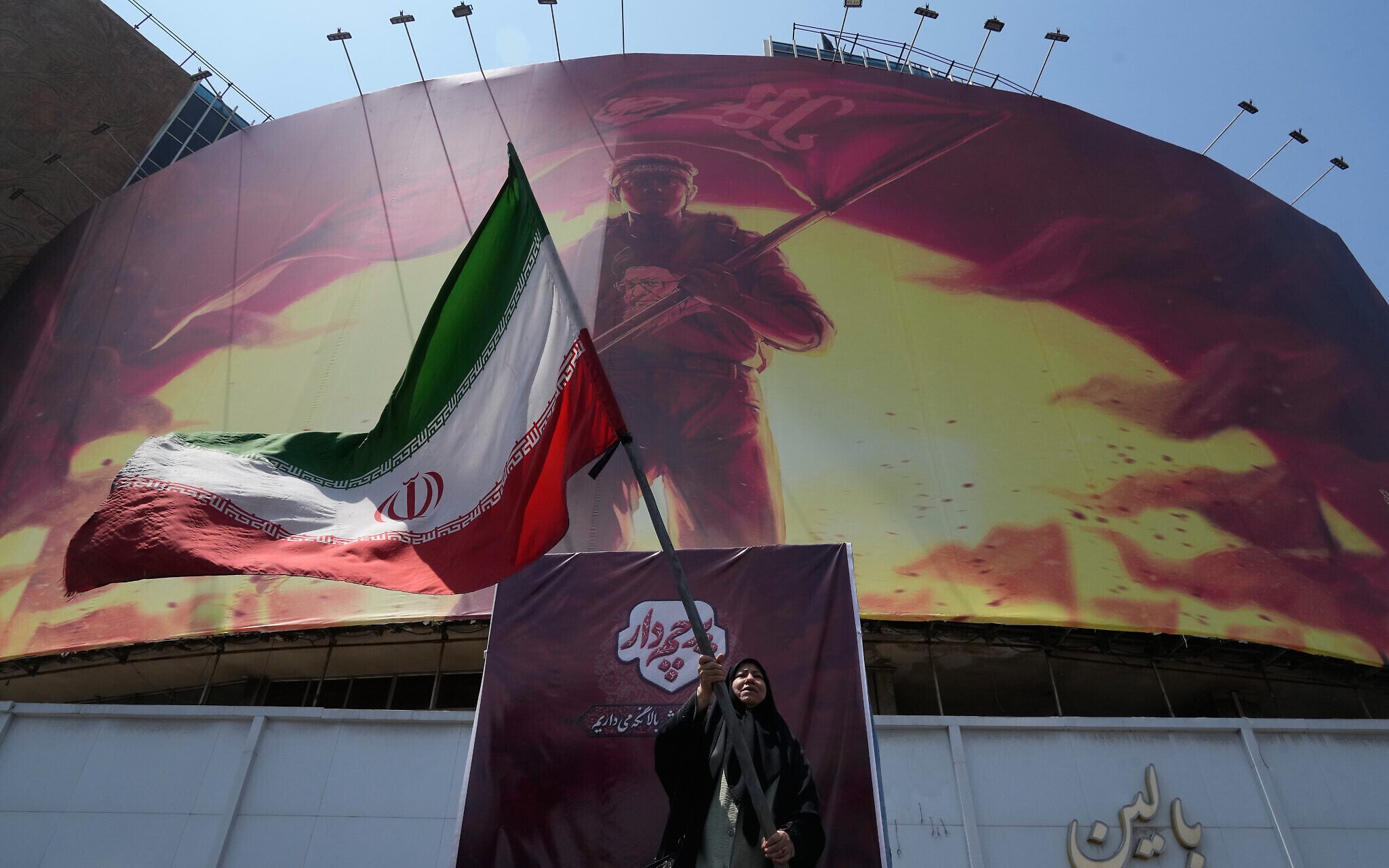
The Iranian government pledged on Saturday to stand firm against US sanctions and what it called US-Israeli “conspiracies,” after the Islamic Republic’s leaders acknowledged its economy was hurting.
In a statement carried by state media, the Iranian government said diplomacy and defense were “complementary, coordinated and inseparable” tools for protecting the country’s national interests, security and territorial integrity.
The government said it would pursue both tracks simultaneously and focus on curbing inflation, creating jobs, supporting domestic production and gradually reducing dependence on the US dollar.
US Treasury Secretary Scott Bessent had on Monday laid out plans for the “economic asphyxiation” of Iran, warning of dire consequences for countries that do not join the American campaign.
The new measures build on a sanctions regime by the US and allies that has been in place since 2018, when US President Donald Trump withdrew from an international deal struck with Tehran on its nuclear program.
Washington has warned countries to cut business ties with Iran or face secondary sanctions, though the US Treasury Department stopped short of imposing penalties against major Iranian trade partners such as China and India, which could have repercussions for the US and global economies.
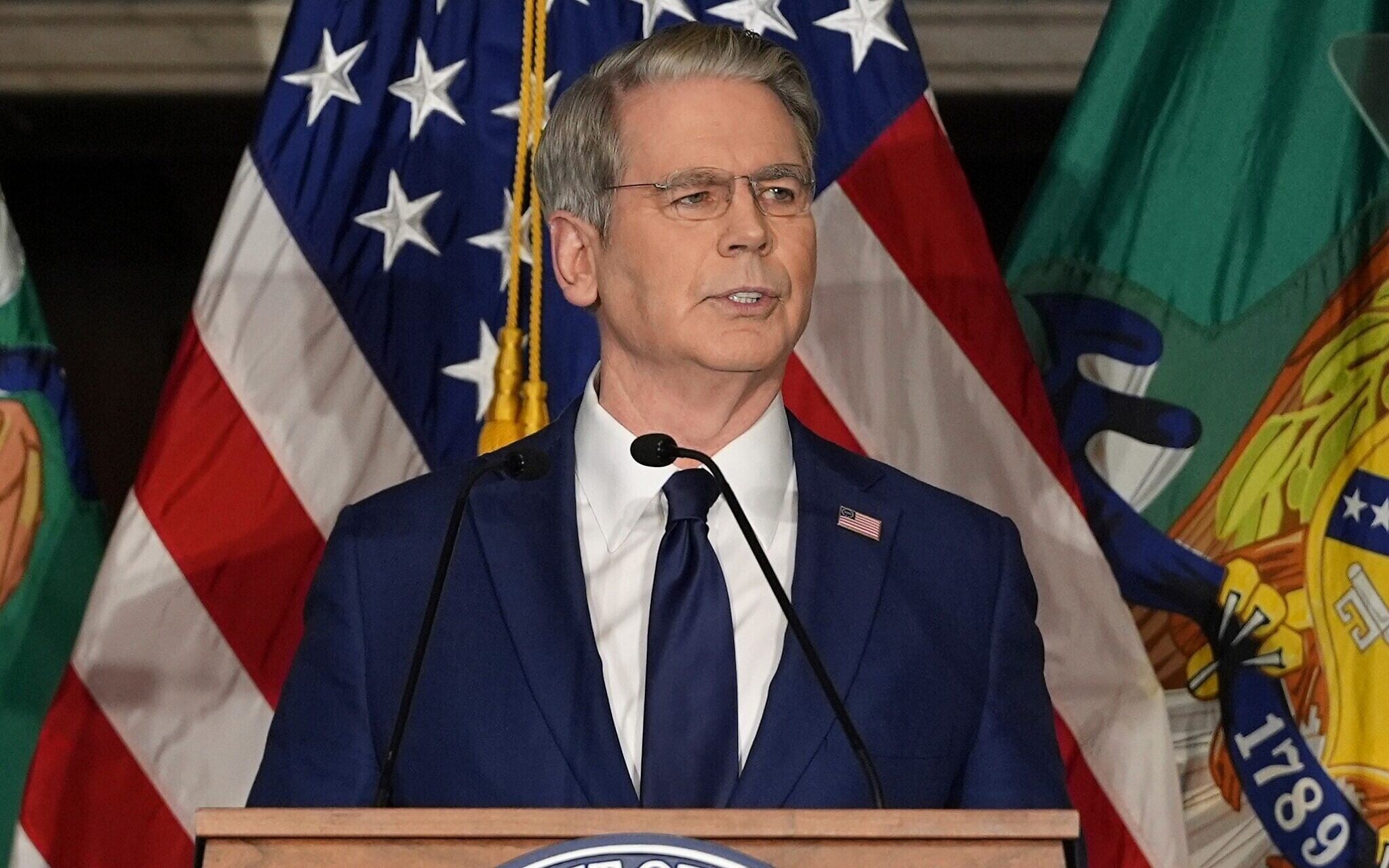
The Treasury on Friday imposed sanctions on Egypt’s Banque Misr for doing business with Tehran, proposing a rule that would cut off the bank’s branches in the United Arab Emirates from dollar transactions. Egypt’s central bank said it and the foreign ministry were in contact with US officials concerning the matter, adding the measure was limited to Banque Misr UAE’s US dollar transactions with correspondent banks only.
The US also issued sanctions targeting an entity based in Hong Kong and a person linked to Iran’s Bank Melli, according to a notice on the Treasury website Friday.
The sanctions drive compounds the toll of the war on Iran’s economy, where annual inflation hit 66% last month.
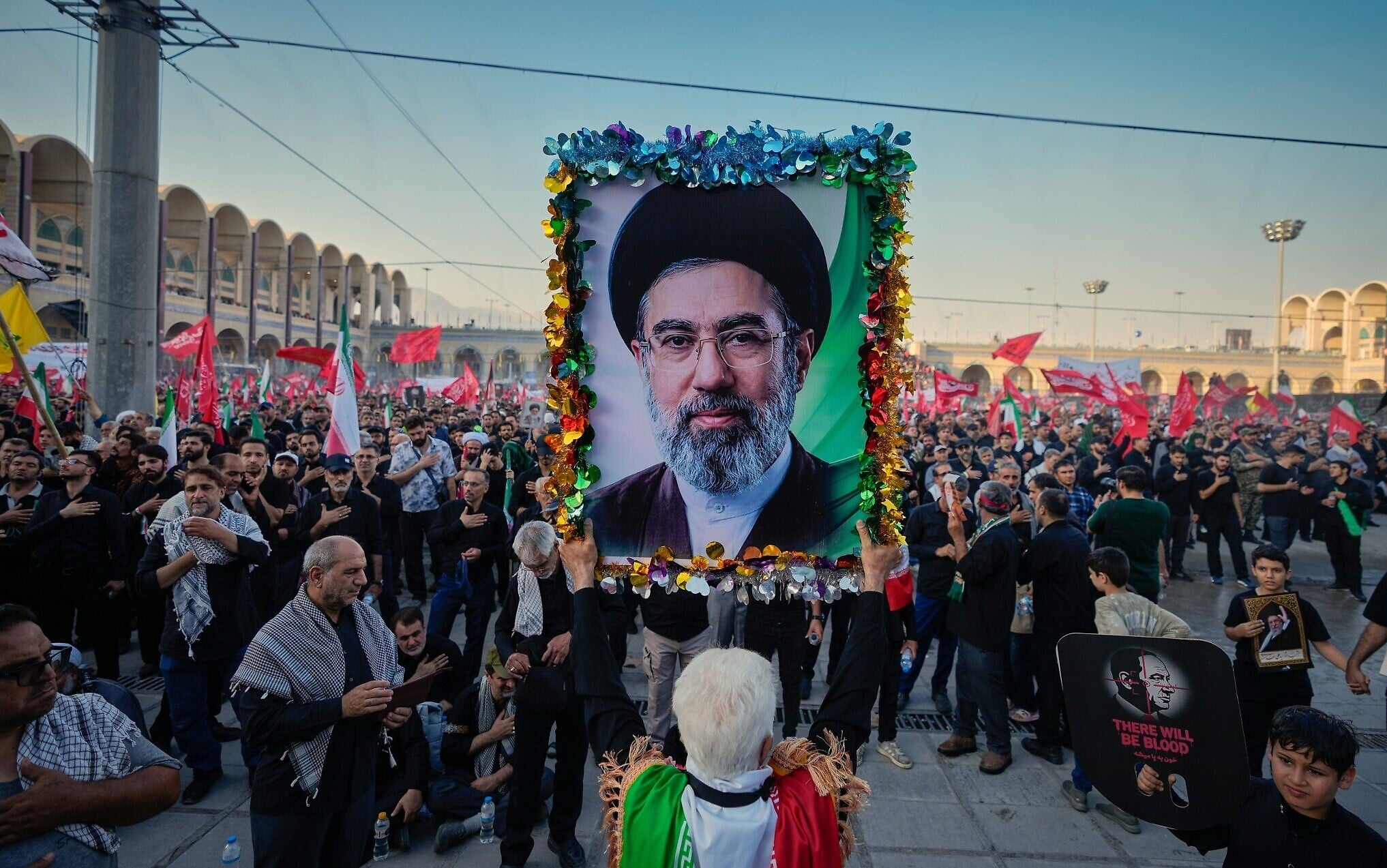
Supreme Leader Ayatollah Mojtaba Khamenei — who has not been seen publicly since he was injured in the initial February 28 attack that killed his father and predecessor Ali Khamenei — called on Iran’s government on Friday to tackle the economic hardship.
“There is the need to seriously address the chain of economic and livelihood challenges, such as inflation, unemployment, management of prices and the market for goods and services,” according to a written statement attributed to Khamenei.
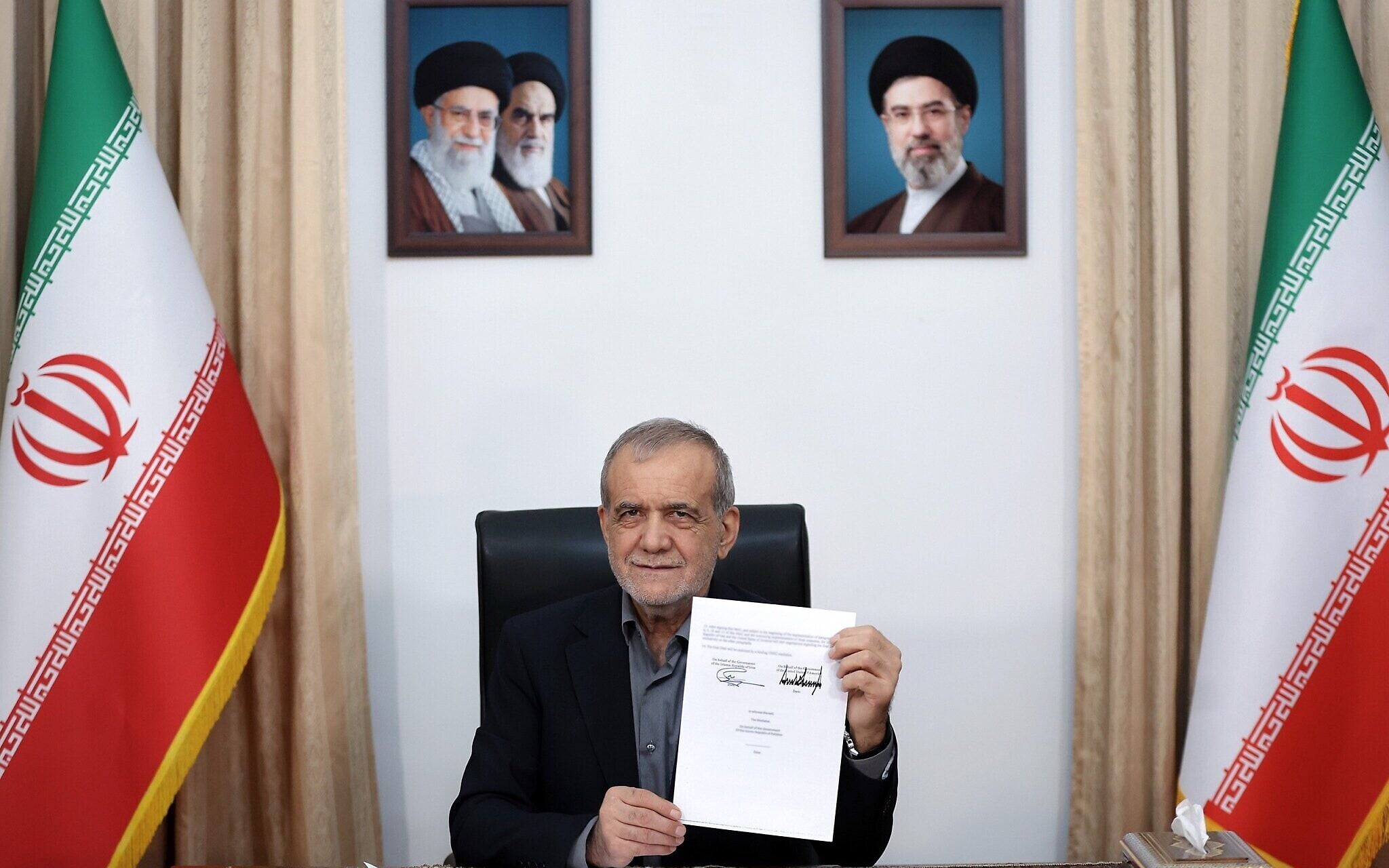
Iran’s President Masoud Pezeshkian also acknowledged in an interview with state media on Friday that sanctions were hurting Iran’s economy.
“Some say sanctions have no effect at all; to those people, I really don’t know what to say,” the president said Friday, adding: “We are in a war situation, and we must accept these wartime conditions.”
According to Pezeshkian, Iran’s exports and imports had fallen by 25 to 35 percent in recent months as a result of the US blockade on Iranian ports, though he said Iran was able to sell about 90 million barrels of oil during the short-lived US-Iran memorandum of understanding in June.
Pezeshkian said the price of gas should be increased in Iran to account for the fall in trade.
“We should raise the price of the third-tier quota… For example, from 5,000 tomans to 10,000 tomans,” he added.
That quota refers to one of several consumption rates that determine the price an Iranian consumer is charged. Iran, a major oil producer with some of the world’s cheapest fuel, has for years heavily subsidized gas, making any changes to pricing politically sensitive.
Pezeshkian had told state media Wednesday that the new US sanctions “will not achieve anything.”
“We will stand firm against economic pressures, as we have done so far and will continue to do,” Pezeshkian told state media.
However, Iran’s Vice President Mohammad Jafar Ghaempanah said that same day that the US blockade on Iranian ports had prevented his country from importing enough gas to cover a shortfall in domestic production.
The US launched its blockade in April in response to the continued Iranian blockade in the Strait of Hormuz, which previously carried about a fifth of the world’s commercial oil shipments. US-Iran peace talks have faltered over control of the strait.
Iran blockaded the strait early in the bombing campaign that the US and Israel launched on Iran on February 28 in a bid to destabilize its regime and destroy its ballistic missile and nuclear programs.




The Times of Israel Community.