

Israelis in Jamaica create new connection to tradition
Though most come on temporary contracts and leave, a small kernel of Israeli expats have made paradise their home
 Add ToI as a Preferred Source on Google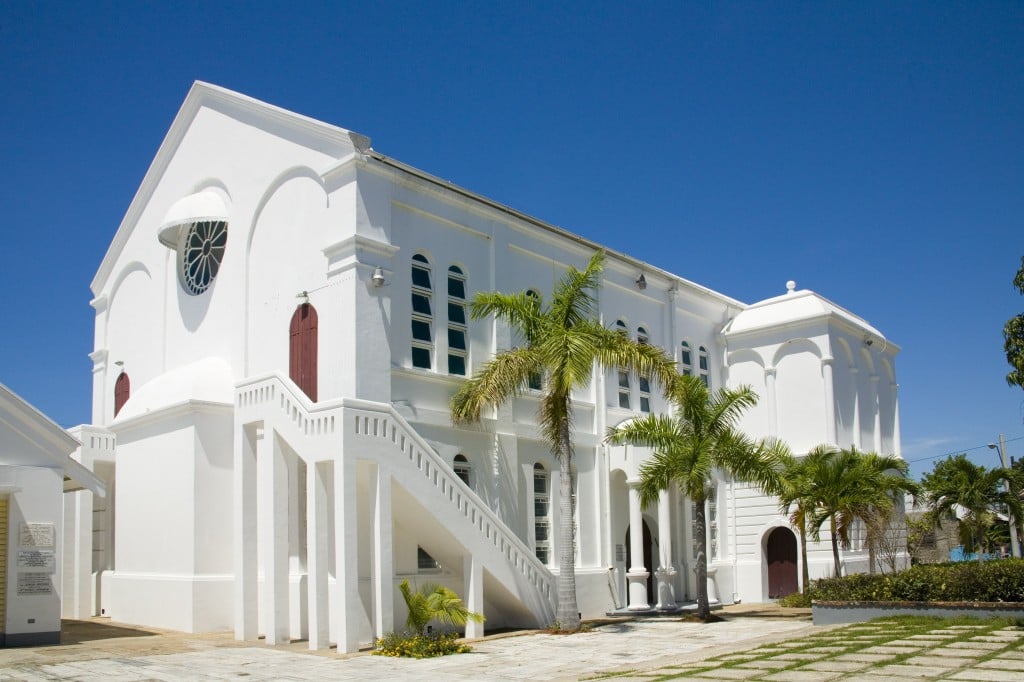
KINGSTON — Israel Pinchas came to Jamaica in 1991 for a work contract. After three months, when he completed his project, he traveled back to Israel. But he couldn’t get Jamaica (or his girlfriend) out of his mind.
Three months later he was back on the island. Now, he has a steady job with Gore Developments Ltd., a construction company — and a Jamaican wife.
In his role, Pinchas recruits employees for various development projects, which often range from 1,000-house neighborhoods, including infrastructure like bridges and roads. Each project involves about 400 workers, and he almost always brings in foreign staff to support the locals. Many times, he said, he chooses Israeli friends or sons of friends he met during his time in the army.
Currently, said Pinchas, he has three Israelis working for him – two Jewish Israelis and one Druze.
“I wouldn’t say they are more qualified, but they are more ambitious,” Pinchas said, comparing Israeli workers to Jamaican employees.
Pinchas is one of dozens of Israelis living in Jamaica, and among hundreds who are building lives in the Caribbean. Though no one has an exact count.
A decade ago, according to Pinchas, there was a larger and more visible Israeli community in Jamaica. But over the years, that group has become smaller and more transient. This is partly, some purported, because several of the larger Israeli companies with branches in Jamaica — companies like Ashtrom Building Systems Ltd. and Zim Integrated Shipping Services — are focusing more on hiring local.

Avi Azarzar, an Israeli who has been living abroad for two decades, moved his family to Jamaica from Nigeria several months ago to serve as the managing director of Ashtrom in Jamaica. He said the company employs 400 people, but he is currently the only Israeli. Yuval Maoz, who was recently killed in a tragic accident, formerly served as general manager of factories.
“I’ve worked with this company for 20 years,” said Azarzar of Ashtrom. “It’s an international company. Now, we try to see that our local people play a key role in the company, so there are a lot fewer Israelis in each of these [international companies], like Ashtrom Jamaica.”
Ashtrom continues to be a leading development and construction company in the Holy Land with a large Israeli staff. It is traded on the Israeli stock exchange.
Azarzar said he does know of an Israeli clique on the island and “as Israelis we relate to each other, do holidays together,” he said. One friend works for another construction company. Another friend is involved in island irrigation. A third is employed by a shipping company.
“We eat dinner together sometimes,” he said, but noted that he “more or less spends all of my time in the office.”
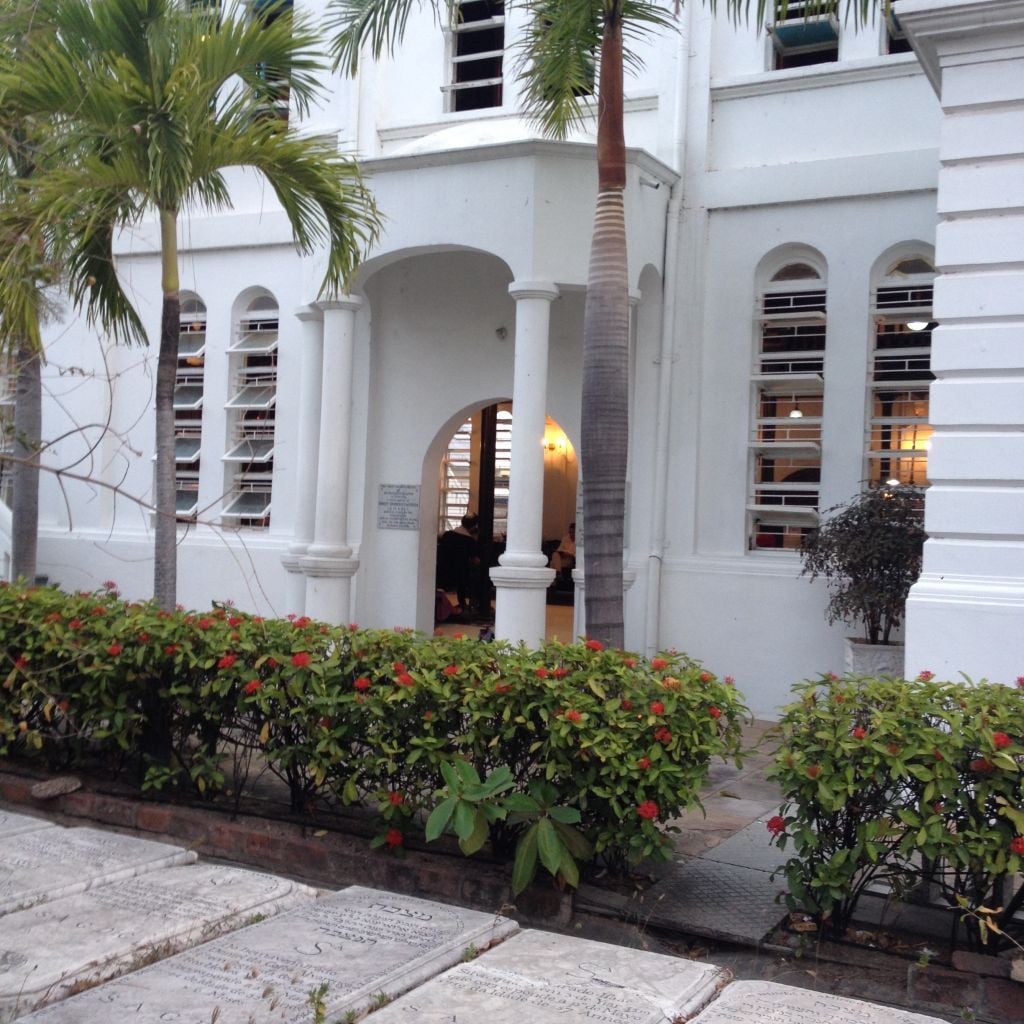
Most of the Israelis, according to Shalom Hodara, another expat living and working on the island, take up residence in Kingston, which is home to the largest group of Jewish Jamaicans – just under 400. It is also where the island’s only synagogue, Shaare Shalom, is located. Though admittedly, Hodara said he and most of his friends do not take part in the shul’s activities.
Hodara noted that some Israelis find homes in resort areas, like Ocho Rios or Montego Bay.
“It’s a beautiful country,” Hodara said.
And he noted that the work is good. But also inconsistent.
Most of the time, Israelis come to complete a project or a contract for a few years and “then they go back home,” he said.
Paul Matalon, a Jewish Jamaican, was born and raised on the island and has lived most of his life there. He told Times of Israel he has known “a fair amount” of Israelis over the years, some of which have become good friends. He said he has seen “a lot of good will from Israel to Jamaica.”
One of the factors that leads Israelis to move away from Jamaica is its culture of intermarriage, Matalon suggested.
“Israelis don’t want intermarriage,” said Matalon. “With the slightest hint of it, they send their children back to Israel and then they return, too – to stay.”

However, Pinchas’ wife converted to Judaism, though he said she is of Jewish ancestry — something which is not uncommon in Jamaica. According to Jamaican Jewish genealogist Ainsley Henriques, as many as half-a-million Jamaicans have Jewish blood.
“Jamaicans are a textured and very colorful group of people,” said Henriques.
Israeli-born Pinchas said his family is not religious, but he does want his three children “to know what they are.”
Growing up, he would “flee” from the family Friday night dinners for the pubs or parties. But now, he has rediscovered the beauty of Shabbat rituals in Jamaica.
On Friday night, Pinchas’s wife lights candles and he always returns from Shaare Shalom to a meal of challah and traditional foods. His children attend Hillel Academy, the local day school, and sometimes he “drags them” to go to shul.
Pinchas said for the first decade he lived on the island he would think about leaving, but not anymore.
“I love the people I work with,” said Pinchas. “I have never felt any racism or anti-Semitism in Jamaica… The people are genuinely true and honest.”
“My heart will always be in Jerusalem, but Jamaica is my home,” he said.







The Times of Israel Community.