

Israelis seek to save embattled Jewish-Arab hostel amid pandemic
Celebrities, anonymous donors raise funds for Juha’s Guesthouse in Jisr az-Zarqa, hailed as a model of coexistence, as travel ban keeps tourists away
 Add ToI as a Preferred Source on Google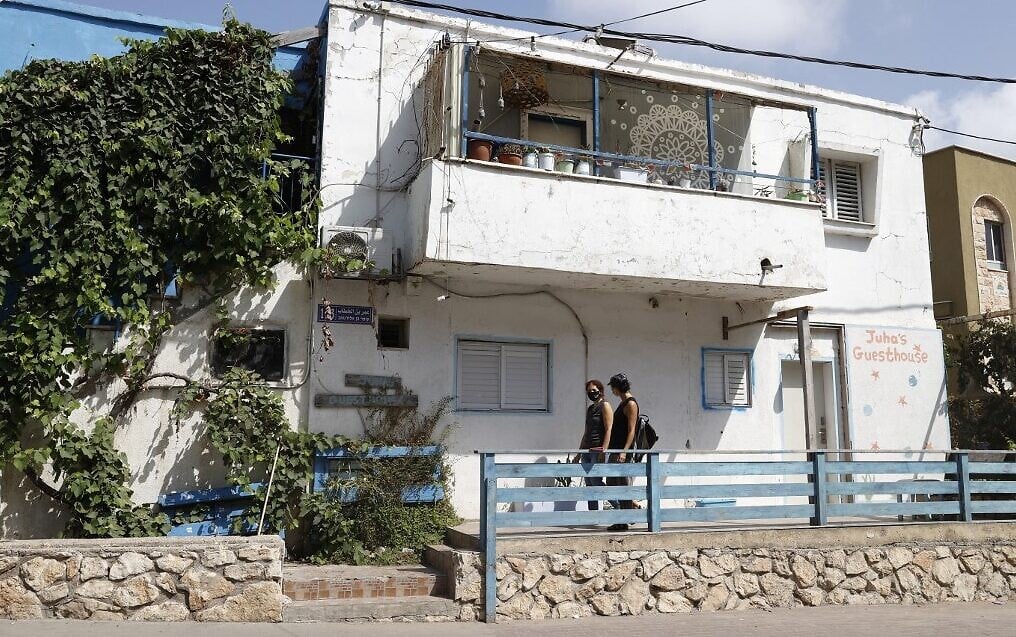
JISR AZ-ZARQA (AFP) — Israelis are mobilizing to save a guesthouse touted as a model of Arab-Jewish coexistence, the survival of which is under threat because of the COVID-19 pandemic.
Since it first opened in 2014, Juha’s Guesthouse has wooed backpackers to the impoverished Jisr az-Zarqa fishing town on Israel’s northern coast by offering various activities including Arab cooking lessons.
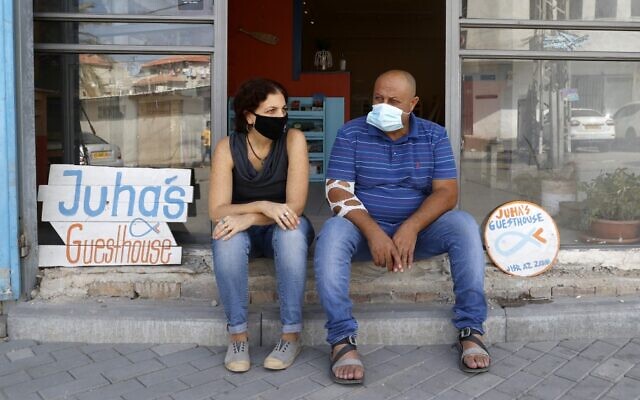
It was launched by Ahmad “Juha” Jorban and his Israeli partner Neta Henien to harness income from tourism to fuel growth for Israel’s only Arab seaside town and its 15,000-strong population.
Juha’s, designated a “social business,” supports local development projects, including workshops and courses to help job seekers.
But as coronavirus infections soared in Israel, authorities imposed a new national lockdown in September, including a ban on non-essential trips that has effectively kept tourists away.
As a result, the future looked bleak for the guesthouse until celebrities and anonymous donors stepped in to raise funds for its upkeep.
One of them was Israeli singer Achinoam Nini who is better known as Noa.
“I recently discovered a beautiful place in Jisr az-Zarqa, a guesthouse founded by a Jewish woman and an Arab man whose goal is to create real encounters between Jews and Arabs,” she said in a video clip.
“Now, in the time of corona, the guesthouse is experiencing many difficulties and needs your help,” Noa added in the footage posted online.
A crowd-funding page was set up and more than 1,200 donors have already contributed about 260,000 shekels ($76,000).
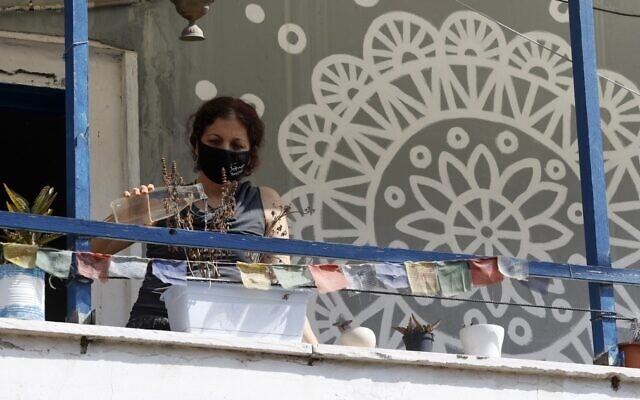
Israeli Naama Goldman-Shwartz, 45, the manager who runs the hostel with Juha, said the fundraising provides “a little more fuel” to keep the business from collapsing.
Cultural ‘bridge’
Jorban sees the guesthouse, the only one in Jisr az-Zarqa, as a cultural “bridge” connecting Israeli Jews with the country’s Arab minority, through encounters with the locals.
“In the beginning, the idea was to develop the tourist potential of the village,” said 50-year-old Jorban.
In addition to Arab cooking lessons, Arabic language classes are on offer.
“Language brings hearts together and it helps to change prejudices,” said Jorban.
“Most people driving along the coast never enter (the town),” Goldman-Shwartz told AFP.
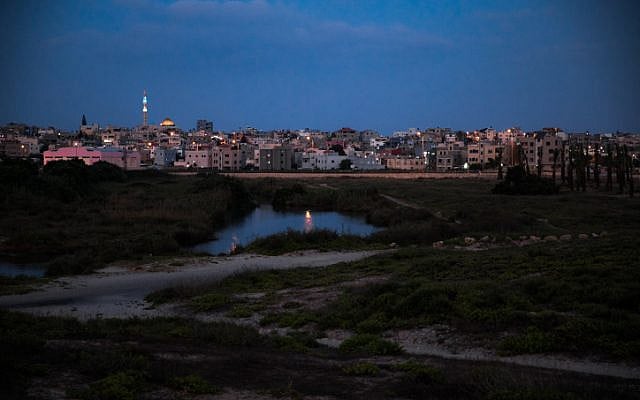
Although located near the Mediterranean sea, the fishing village is a world apart from the nearby upscale Caesarea resort where Prime Minister Benjamin Netanyahu has a private home.
Jisr az-Zarqa — or Bridge Over the Blue — is one of the poorest places in Israel, better known for its social problems than its peaceful beach a short walk away.
Over the years, however, Jorban and his partners say they managed to woo thousands of tourists from Israel and beyond.
“Thanks to that we were able to change this negative image,” Jorban said.
“People who come here see the village differently by the time they leave,” added Goldman-Shwartz.
The hostel has 18 beds, including in five private rooms, and its exterior is painted a cheerful blue, a contrast to the dark grey of the buildings around it.
After tourists began being tempted to the hostel, cafes sprouted up along the seafront and a restaurant opened opposite the town mosque.
Local women were also encouraged to set up their own handicraft businesses, making macrame, jewelry or cooking.
Israeli Arabs, descendants of Palestinians who remained on their land following the 1948 establishment of the Jewish state, account for about 20 percent of Israel’s population.







The Times of Israel Community.